
Your grandparents navigated daily life without Google searches, yet they mastered solutions that modern households desperately need. These grandparents life hacks and traditional household tricks can slash your grocery bills, reduce waste, and solve problems using items you already own.
This guide is for busy families, budget-conscious households, and anyone tired of expensive “solutions” that barely work. You’ll rediscover forgotten wisdom from past generations that your great-grandmother used to stretch every dollar and keep her family healthy.
We’ll explore kitchen wisdom that saves money and reduces waste, including simple food storage methods that keep produce fresh for weeks without special containers. You’ll also learn natural home remedies grandma used for common ailments – remedies that often work better than over-the-counter alternatives. Plus, discover household maintenance hacks that extend the life of your belongings using basic pantry staples.
These aren’t trendy life hacks that disappear next month. These are time-tested life skills that helped previous generations thrive during tough times, and they’re exactly what modern families need to cut costs and live more sustainably.
Kitchen Wisdom That Saves Money and Reduces Waste
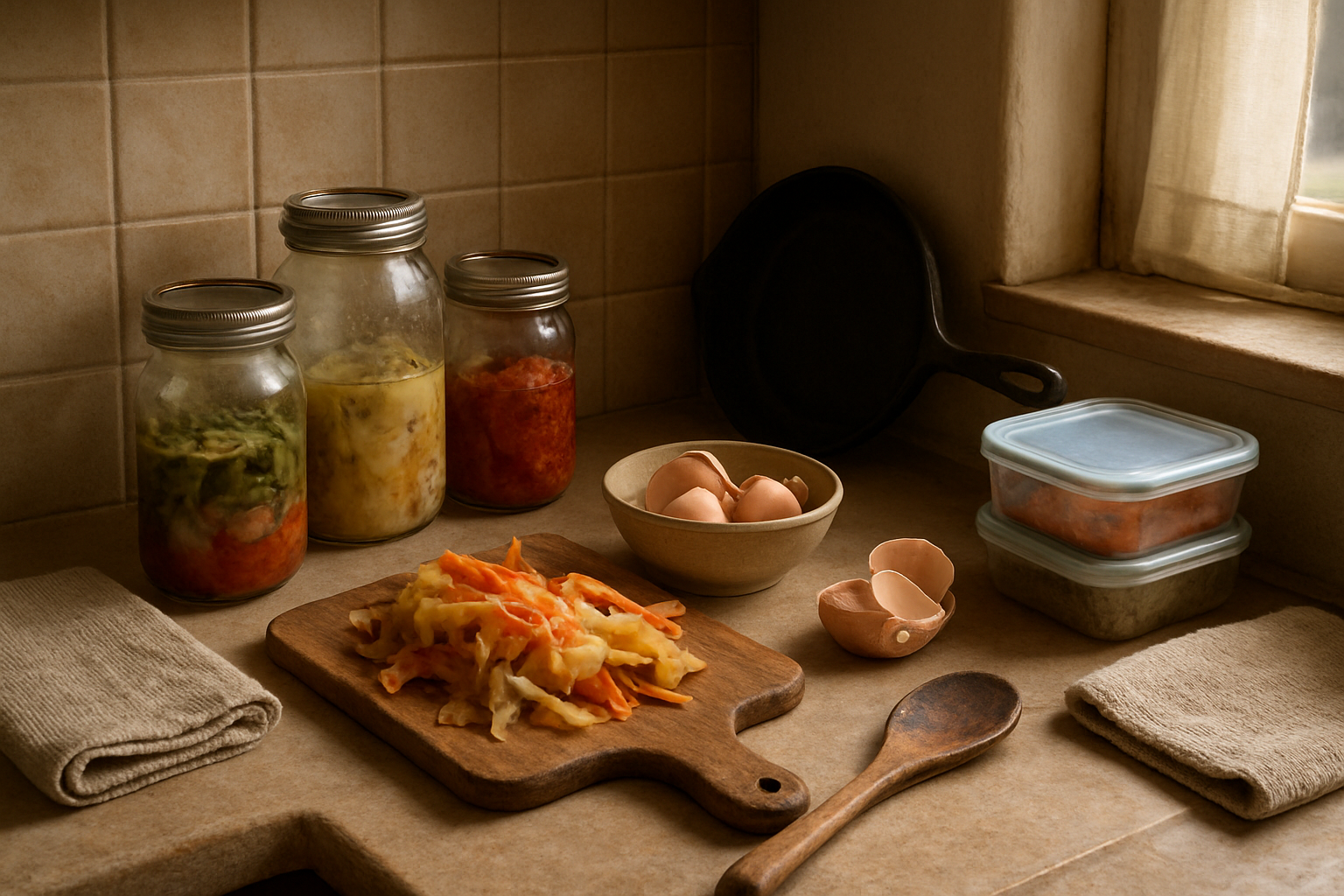
Use baking soda as a natural cleaning powerhouse
Your grandmother probably kept a box of baking soda in her kitchen cabinet, and she knew something modern cleaning product manufacturers don’t want you to remember – this simple white powder can replace dozens of expensive cleaners. This old-fashioned tip from past generations works because baking soda is mildly abrasive and naturally deodorizing, making it perfect for tackling everything from burnt pans to smelly drains.
Sprinkle baking soda on cutting boards to eliminate lingering onion or garlic odors, or mix it with a little water to create a paste that scrubs away baked-on food from your oven. Your dishwasher will sparkle when you run an empty cycle with a cup of baking soda instead of detergent. For stubborn coffee stains in mugs, let baking soda sit overnight with just enough water to make a thick paste.
The refrigerator hack your grandparents knew works just as well today – an open box of baking soda absorbs odors for months. Replace it quarterly, and use the old baking soda to clean your sink or garbage disposal. This traditional household trick saves money while avoiding harsh chemicals that can irritate your skin or respiratory system.
Repurpose glass jars for storage and organization
Before plastic containers dominated kitchens, smart cooks saved every glass jar that came into their homes. Mason jars, pickle jars, and sauce containers became instant storage solutions for everything from leftover soup to bulk spices. This vintage money saving tip makes perfect sense – glass jars are airtight, stackable, and completely reusable.
Transform large pasta sauce jars into pantry storage for rice, beans, or flour. The wide mouths make scooping easy, and you can see exactly how much you have left. Small jam jars work perfectly for homemade salad dressings, storing fresh herbs, or organizing small kitchen items like rubber bands or twist ties.
Your spice collection will stay fresher longer in small glass jars with tight-fitting lids. Write labels on masking tape, or use a label maker for a cleaner look. Glass doesn’t absorb odors or stains like plastic containers do, so your containers stay fresh and clean for years. This forgotten wisdom from past generations reduces waste while organizing your kitchen for free.
Save vegetable scraps to make homemade stock
Professional chefs pay good money for quality stock, but your grandparents created liquid gold from scraps that most people throw away today. Carrot tops, onion skins, celery leaves, and mushroom stems all contain incredible flavor that transforms into rich, nutritious broth with just water and time.
Keep a freezer bag dedicated to collecting vegetable scraps throughout the week. Onion skins add beautiful color and depth, while parsley stems provide more flavor than the leaves themselves. Avoid bitter vegetables like broccoli or cabbage, but almost everything else works beautifully. When your bag fills up, simmer the scraps in water for 45 minutes to an hour, then strain.
This grandparents life hack saves serious money – homemade stock costs pennies compared to store-bought versions that often contain excess sodium and artificial flavors. Freeze your finished stock in ice cube trays for portion control, or store larger amounts in mason jars, leaving room at the top for expansion. One bag of scraps typically yields 4-6 cups of flavorful stock that elevates soups, risottos, and braised dishes.
Store herbs in water like fresh flowers
Fresh herbs wilt quickly when stored improperly, leading to waste and frequent grocery trips. Your grandmother treated herbs like the delicate plants they are, giving them water and proper care to extend their life by weeks instead of days.
Trim the stems of fresh herbs and place them in a glass of water, just like you would with a bouquet of flowers. Basil, parsley, cilantro, and mint thrive this way, staying vibrant and flavorful much longer than when stuffed in plastic bags in the refrigerator. Cover leafy herbs loosely with a plastic bag to maintain humidity while allowing air circulation.
Woody herbs like rosemary and thyme prefer slightly different treatment – wrap them loosely in damp paper towels before placing in the refrigerator. Change the water every few days for herbs stored on the counter, and trim the stems occasionally to keep them drinking properly. This time-tested approach turns expensive fresh herbs into long-lasting ingredients that save money and reduce food waste. Your herbs will stay fresh enough to use for cooking, garnishing, or even propagating into new plants.
Natural Remedies That Actually Work

Apply honey to heal minor cuts and burns
Raw honey has been healing wounds for thousands of years, and your grandmother probably reached for it whenever someone got scraped up. This sweet remedy works because honey creates a protective barrier over wounds while drawing moisture from bacteria, effectively killing them. The antimicrobial properties come from hydrogen peroxide that honey naturally produces, plus its low pH makes it tough for harmful bacteria to survive.
For minor cuts, clean the wound gently, then apply a thin layer of raw honey before covering with a bandage. Change the dressing daily and reapply fresh honey. Burns benefit similarly – the honey cools the skin while preventing infection. Medical-grade honey (like Manuka) works best, but even regular raw honey from your pantry beats many over-the-counter treatments.
Modern research backs up what grandparents knew instinctively. Studies show honey speeds healing time and reduces scarring compared to traditional antiseptics. Just remember to use raw, unprocessed honey – the pasteurized stuff from squeeze bottles won’t have the same healing punch.
Use salt water gargle for sore throats
When your throat felt like sandpaper, grandma mixed up a simple salt water solution that worked better than most store-bought remedies. This old-fashioned tip reduces inflammation and kills bacteria lurking in your throat. Salt draws out excess fluid from swollen tissues, giving you almost immediate relief.
Mix half a teaspoon of salt into eight ounces of warm water until dissolved. Gargle for 30 seconds, making sure the solution reaches the back of your throat, then spit it out. Repeat every few hours as needed. The salt creates an environment where harmful bacteria can’t thrive, while the warm water soothes irritated tissues.
This natural home remedy grandma used costs pennies compared to throat sprays and lozenges. Salt water also helps clear mucus and reduces the viral load in your throat during colds. Many doctors still recommend this traditional health practice because it works without side effects or drug interactions.
Place tea bags on tired eyes to reduce puffiness
Your grandmother’s beauty routine included placing cooled tea bags over puffy eyes, and science proves this vintage trick actually works. Tea contains caffeine and antioxidants that constrict blood vessels and reduce inflammation around delicate eye tissue. Green tea and black tea work best because they pack the most caffeine.
Steep two tea bags in hot water for three minutes, then let them cool in the refrigerator for 20 minutes. Lie down and place the damp bags over closed eyes for 10-15 minutes. The caffeine tightens skin temporarily while antioxidants fight free radical damage. Chamomile tea bags work differently – they reduce inflammation without caffeine, making them perfect for sensitive eyes.
This forgotten wisdom from past generations saves money on expensive eye creams while delivering real results. The combination of cool temperature, caffeine, and gentle pressure helps drain excess fluid that causes morning puffiness. Many expensive spa treatments use similar principles, but tea bags cost a fraction of professional treatments.
Household Maintenance Tricks for Longevity
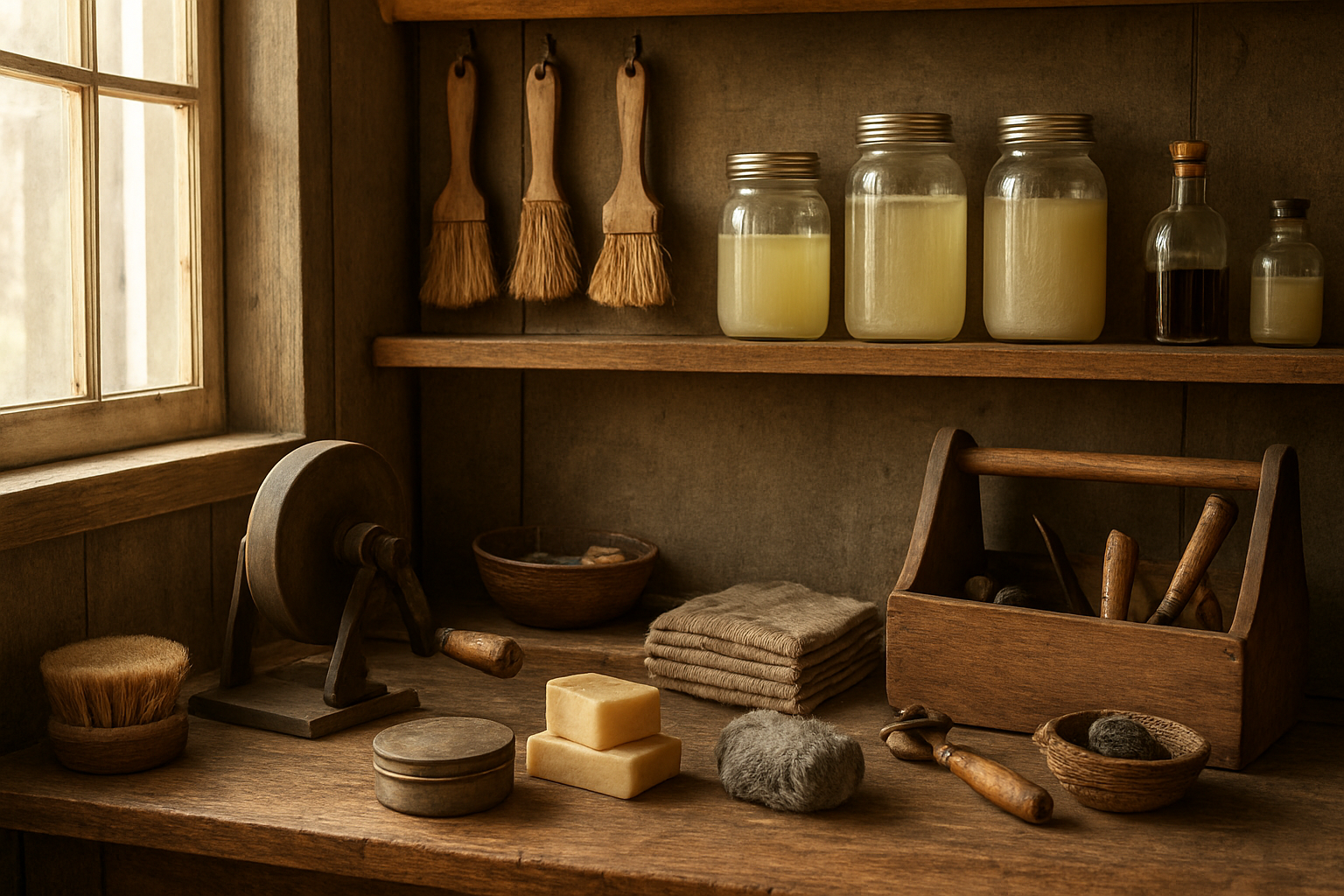
Oil wooden furniture with simple kitchen ingredients
Your grandmother didn’t reach for expensive furniture polish when her oak dining table needed care. Instead, she grabbed olive oil from the pantry and a clean cloth. This traditional household trick works because wood naturally absorbs oils, restoring moisture and protecting the finish. Mix one part olive oil with one part white vinegar, then add a few drops of lemon juice for extra cleaning power. The vinegar removes grime while the oil penetrates deep into the wood grain.
Apply the mixture sparingly with a soft cloth, working in the direction of the wood grain. Let it sit for five minutes, then buff with a clean, dry cloth until the surface gleams. This method costs pennies compared to commercial products and avoids harsh chemicals that can damage delicate finishes over time.
Clean silver with aluminum foil and baking soda
Tarnished silverware doesn’t need expensive cleaners when you know this old-fashioned tip. Line a bowl with aluminum foil, shiny side up, then add hot water and two tablespoons of baking soda. Drop your silver pieces into the solution and watch the tarnish disappear through an electrochemical reaction.
The aluminum acts as a conductor, transferring sulfur compounds from the silver back to itself. This process reverses the tarnishing without scrubbing or harsh abrasives that can scratch delicate surfaces. Within minutes, your silver emerges bright and clean. Rinse thoroughly with warm water and dry immediately with a soft towel.
Remove water rings with mayonnaise
White rings on wood furniture used to send people into panic, but your grandparents knew a simple kitchen solution. Regular mayonnaise contains oils and mild acids that can lift moisture trapped in wood finish. Apply a small amount directly to the ring and let it sit for an hour.
The oils in mayonnaise penetrate the finish while the vinegar content helps break down the mineral deposits. Gently rub with a soft cloth, then wipe clean. For stubborn rings, mix equal parts mayonnaise and cigarette ash (or baking soda) to create a mild abrasive paste.
Prevent rust with petroleum jelly
Garden tools, screws, and metal hardware last decades when protected with this simple barrier. A thin layer of petroleum jelly creates a waterproof seal that prevents oxygen and moisture from reaching metal surfaces. Apply it to hinges, bolts, and tool joints before storing them for winter.
This household maintenance hack works especially well on items stored in damp basements or garages. The jelly won’t wash off easily, providing long-lasting protection without the cost of specialized rust preventers.
Sharpen scissors by cutting through aluminum foil
Dull scissors frustrated your grandmother just like they frustrate you, but she knew how to fix them without a trip to the hardware store. Folding aluminum foil several times and cutting through it repeatedly actually sharpens the blades through micro-abrasion.
The aluminum particles act like fine sandpaper, removing tiny nicks and realigning the cutting edge. Make 10-15 cuts through folded foil, then test on paper. This technique works on kitchen shears, fabric scissors, and even pruning tools, extending their useful life for years.
Food Preservation Methods Without Modern Technology

Store Root Vegetables in Sand or Sawdust
Your grandmother knew that potatoes, carrots, turnips, and beets could last through entire winters without a single bit of modern refrigeration. Her secret weapon? Sand or sawdust storage, one of those traditional household tricks that kept families fed during lean months.
Root vegetables naturally want to stay dormant during cold months, and sand creates the perfect environment by maintaining consistent moisture levels while preventing rot. Clean, dry sand works best – the kind you’d find at hardware stores, not the beach variety. Layer your vegetables in wooden crates or cardboard boxes, making sure they don’t touch each other, then cover completely with sand.
Sawdust works similarly well, especially for potatoes and carrots. The key is using sawdust from untreated wood – avoid anything that might have chemicals or varnish residue. This method keeps vegetables crisp for months because it regulates humidity while allowing them to breathe.
Your great-grandparents often stored these boxes in root cellars, basements, or unheated garages where temperatures stayed between 32-40°F. Even without those ideal spots, a cool closet or unheated room works surprisingly well.
Check your stored vegetables monthly and remove any that show signs of sprouting or soft spots. Done right, this forgotten wisdom from past generations can keep your harvest fresh until spring arrives.
Wrap Cheese in Wax Paper Instead of Plastic
Plastic wrap might seem convenient, but your grandparents knew better when it came to keeping cheese fresh. Wax paper allows cheese to breathe while protecting it from drying out – something plastic simply can’t do properly.
Cheese is a living product that continues to age and develop flavor. When you seal it in plastic, you trap moisture and prevent air circulation, creating the perfect breeding ground for unwanted bacteria and off-flavors. That slimy texture you sometimes find on cheese stored in plastic? Your grandmother never dealt with that problem.
Wax paper strikes the perfect balance. It creates a protective barrier against contamination while letting cheese maintain its natural moisture levels. Hard cheeses like cheddar, gouda, and parmesan stay firm and develop better flavors. Soft cheeses like brie and camembert continue aging properly without becoming soggy or developing bitter tastes.
The technique is simple: wrap each piece of cheese snugly in wax paper, then place it in your refrigerator’s vegetable drawer. For extra protection, you can put the wrapped cheese inside a loose plastic container, but never seal it airtight.
Professional cheese shops still use this method because it genuinely works better than modern alternatives. Your cheese will taste better, last longer, and maintain the texture the cheesemaker intended.
Keep Bananas Fresh by Separating Them
Bananas release ethylene gas as they ripen, and when they’re bunched together, this gas creates a ripening chain reaction that turns your yellow bananas brown overnight. Your grandparents figured out this natural science long before anyone understood the chemistry behind it.
When you bring bananas home, immediately separate them from the bunch. Each banana will ripen at its own pace instead of triggering rapid ripening in its neighbors. This simple change can extend your banana’s freshness by several days.
Store separated bananas at room temperature, away from other fruits that also produce ethylene gas like apples, tomatoes, and avocados. If you want to slow ripening even more, wrap the stem end of each banana with a small piece of plastic wrap or aluminum foil. The stem is where most ethylene escapes, so blocking it significantly slows the process.
For bananas that are perfectly ripe but you’re not ready to eat, you can refrigerate them. The peel will turn brown, but the fruit inside stays fresh for days longer. Your grandmother probably discovered this by accident when she had too many ripe bananas for her weekly banana bread.
This food preservation without refrigeration technique works because it respects how fruits naturally behave, rather than fighting against their biology with modern storage methods that often backfire.
Money-Saving Strategies for Everyday Living
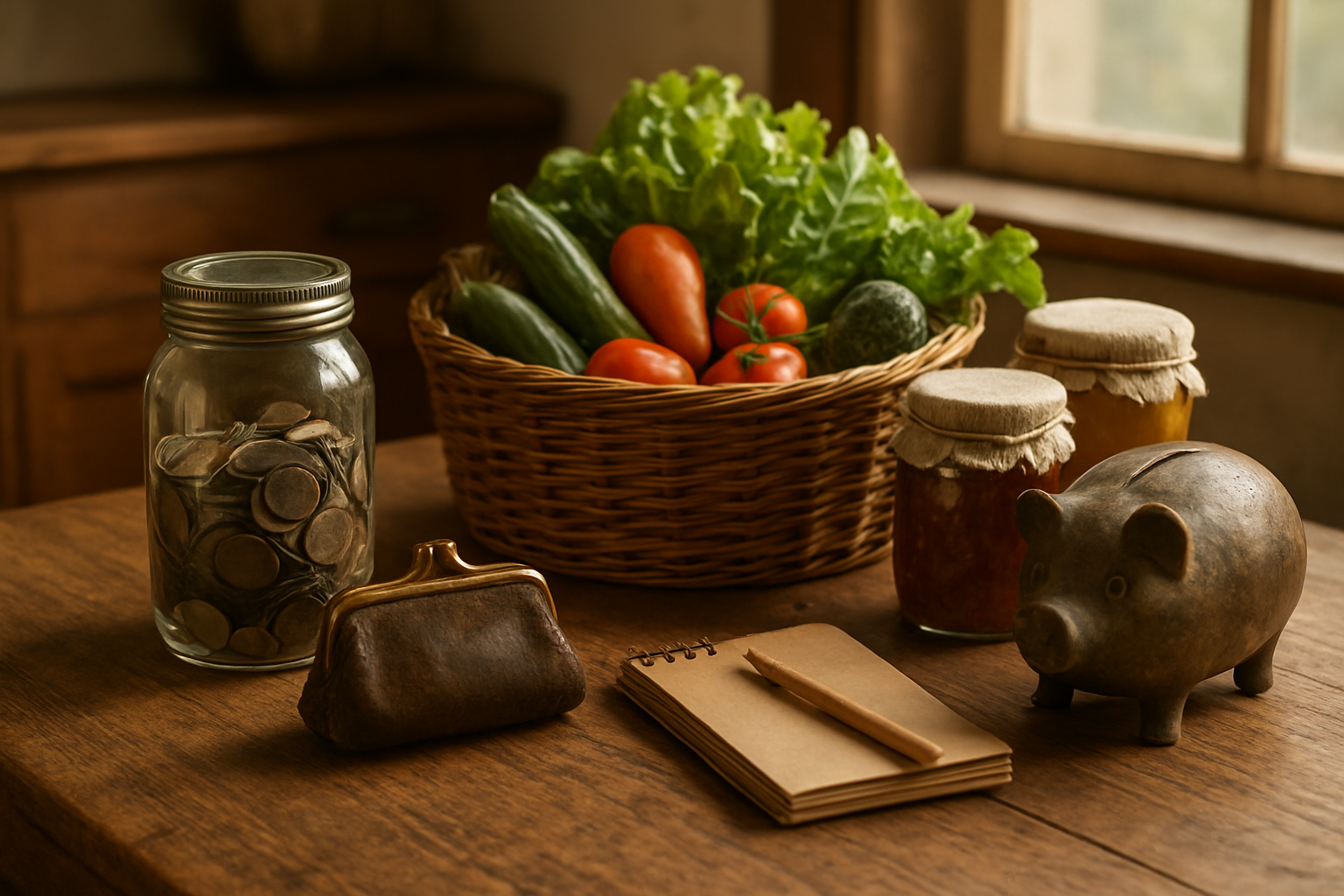
Mend Clothes Instead of Replacing Them
Your grandmother’s sewing basket wasn’t just a hobby collection – it was a financial lifeline. Back when purchasing new clothes meant a significant investment, people mastered the art of extending garment life through simple repairs. Basic stitches like running stitch, backstitch, and cross-stitch can fix loose seams, tears, and worn areas for pennies compared to replacement costs.
Darning socks might sound old-fashioned, but it’s incredibly practical. A simple wooden darning egg and some matching thread can add months to sock life. For holes in sweaters or pants, use the weaving technique where you create a patch by threading yarn back and forth across the damage.
Patching jeans transforms worn spots into character features. Iron-on patches work for quick fixes, while decorative patches sewn by hand add personal flair. Even professional alterations cost a fraction of new garment prices, making tailoring hemlines, taking in waistbands, or adjusting sleeves smart vintage money saving tips that stretch clothing budgets significantly.
Reuse Envelopes by Covering Old Addresses
Before email dominated communication, envelopes were precious commodities. Smart households never discarded them after single use. The traditional household trick involved carefully opening envelopes at the flap to preserve the structure, then covering the original address with fresh labels or paper strips.
This forgotten wisdom from past generations extended beyond basic reuse. Large manila envelopes became filing folders for important documents. Smaller envelopes stored seeds for next year’s garden, organized small hardware items like screws and bolts, or held coupons sorted by store.
Creative families turned colorful envelopes into gift card holders or party favor containers. Children used them for craft projects, creating puppet faces or storing trading cards. The key was viewing each envelope as raw material rather than single-use waste.
Make Your Own Cleaning Products from Pantry Staples
Commercial cleaning products were luxury items when grandparents managed households. They relied on natural home remedies grandma used, creating powerful cleaners from basic ingredients always available in the kitchen.
Baking soda served multiple cleaning roles – scrubbing sinks, freshening carpets, and removing grease stains. Mixed with vinegar, it created a foaming action perfect for unclogging drains and cleaning toilet bowls. Salt acted as an abrasive cleaner for cast iron pans and cutting boards.
Lemons provided natural bleaching and deodorizing power. Lemon juice mixed with salt removed rust stains, while lemon peels freshened garbage disposals. White vinegar tackled soap scum, mineral deposits, and glass cleaning when mixed with water.
These old-fashioned tips saved money and avoided harsh chemicals. A typical cleaning supply budget shrinks dramatically when pantry staples replace specialized products costing ten times more per use.
Grow Vegetables from Kitchen Scraps
Before grocery stores offered year-round produce, households maximized every bit of food value through regrowth techniques. Green onions represent the easiest starting point – place white root ends in water, and new shoots appear within days. Once established, transplant to soil for continuous harvesting.
Celery, lettuce, and cabbage stumps regrow from their bases when placed in shallow water. Potato eyes generate new plants when buried in soil, creating multiple potatoes from kitchen scraps. Sweet potato slips grow from half-submerged tubers, producing vine cuttings for planting.
Herb regrowth extends expensive purchases indefinitely. Basil, cilantro, and mint root easily in water, while rosemary and thyme propagate from stem cuttings. These time-tested life skills turned kitchen waste into fresh ingredients, reducing grocery expenses while providing better flavor than store-bought alternatives.
The process requires minimal space and equipment – just containers, water, and basic potting soil. Even apartment dwellers can maintain windowsill gardens using these traditional methods, proving these grandparents life hacks remain relevant for modern budgets.
Time-Tested Health and Wellness Practices

Take Daily Walks for Mental and Physical Health
Walking was medicine for previous generations, and they understood its power long before science proved them right. Your grandparents didn’t need fitness apps or step counters to know that a daily stroll could cure everything from a restless mind to achy joints. They made walking part of their routine because it simply worked.
The practice was beautifully simple: walk after meals to aid digestion, take evening walks to clear your head, and use morning walks to start the day with purpose. These traditional health practices didn’t require gym memberships or expensive equipment. Your feet and the great outdoors were all the tools needed.
Modern research now confirms what grandparents instinctively knew. Walking boosts mood by releasing endorphins, strengthens bones and muscles, improves heart health, and enhances sleep quality. The mental benefits are equally impressive – walking reduces anxiety, sparks creativity, and provides time for reflection that our busy lives desperately need.
The secret was treating walks as non-negotiable appointments with yourself. Rain or shine, morning or evening, they prioritized this time-tested wisdom. They understood that consistent, moderate movement trumped sporadic intense exercise every time.
Practice Proper Posture While Working
Before ergonomic chairs and standing desks, your grandparents mastered the art of sitting and standing correctly. They understood that how you carry yourself affects everything from your energy levels to your confidence. Poor posture wasn’t just about appearance – it was about preventing pain and maintaining strength throughout life.
The wisdom was straightforward: shoulders back, chin tucked, feet flat on the floor. Whether sitting at a sewing machine, standing at a workbench, or walking down the street, they maintained alignment that supported their spine. They didn’t slouch because they recognized that bad posture created problems that compounded over time.
Working with proper form was ingrained in daily activities. Lifting with the legs, not the back. Keeping work at eye level to avoid neck strain. Taking breaks to stretch and move. These weren’t revolutionary concepts – they were common sense practices passed down through generations.
They also understood the connection between posture and breathing. Standing tall allowed for deeper breaths, which improved oxygen flow and reduced fatigue. Good posture projected confidence and commanded respect, qualities that served them well in all areas of life.
Get Adequate Sleep by Maintaining Consistent Routines
Your grandparents treated sleep like the vital necessity it is, not the luxury many consider it today. They followed natural rhythms, going to bed when the sun set and rising when it rose. This wasn’t just about lacking electric lights – they recognized that consistent sleep patterns were essential for health and productivity.
Their bedtime routines were sacred rituals. Evening activities wound down naturally as darkness fell. They avoided stimulating activities before bed, choosing instead calm pursuits like reading, gentle conversation, or quiet reflection. These forgotten wisdom practices created the perfect environment for restorative sleep.
The bedroom was reserved for sleep, not entertainment or work. Cool, dark, and quiet spaces promoted better rest. They understood that comfort came from simple things: clean sheets, proper ventilation, and removing distractions. Heavy meals were avoided close to bedtime, and worries were left outside the bedroom door.
Most importantly, they respected sleep as productive time, not lost time. They knew that adequate rest improved decision-making, boosted immunity, and increased energy for the next day’s challenges. Seven to eight hours wasn’t seen as indulgent – it was seen as essential preparation for a successful tomorrow.
Our grandparents understood something we’ve forgotten in our rush toward convenience: simple solutions often work best. From stretching groceries with smart kitchen tricks to keeping homes running smoothly with basic maintenance, they mastered the art of doing more with less. Their natural remedies weren’t just old wives’ tales—many actually deliver results without expensive trips to the pharmacy. They knew how to preserve food without fancy gadgets and keep their bodies healthy through time-tested practices that cost next to nothing.
These weren’t just survival tactics born from necessity—they were smart choices that created healthier, more sustainable lifestyles. Start with one or two tricks that speak to you, whether it’s trying a natural remedy for minor ailments or learning to preserve food the old-fashioned way. Your wallet will thank you, your health might improve, and you’ll gain skills that modern technology can’t replace. Sometimes the best innovations come from looking backward and remembering what already worked perfectly well.

Saurabh Kumar is the founder of SaurabhOrbit.com, a hub for tech news, digital marketing insights, and expert blogging advice. With a deep passion for technology and digital strategies, Saurabh simplifies complex trends into actionable insights for readers looking to stay ahead in the digital world. My mission is to empower entrepreneurs, tech enthusiasts, and marketers with the latest tools and knowledge to thrive in the online space.