
Your body sends clear signals when protein levels drop too low, but many people miss these important warning signs until deficiency becomes severe.
This guide is for busy professionals, fitness enthusiasts, and anyone concerned about their nutritional health who wants to recognize protein deficiency before it impacts their wellbeing. You’ll discover the physical symptoms your body displays when protein stores run low, plus the appetite changes and unusual cravings that often indicate your muscles and organs need more fuel.
We’ll also explore how inadequate protein affects your mental clarity and mood, along with the body composition shifts that signal it’s time to increase your daily intake.
Physical Signs Your Body Is Crying Out for More Protein

Constant Fatigue and Low Energy Levels Throughout the Day
Your body relies on protein to maintain steady energy production, and when you’re not getting enough, that afternoon crash becomes your unwelcome daily companion. Protein plays a crucial role in stabilizing blood sugar levels, preventing the dramatic spikes and drops that leave you feeling drained.
When protein intake falls short, your body struggles to produce adequate amounts of essential enzymes and hormones that regulate energy metabolism. You might find yourself reaching for that third cup of coffee or feeling like you need a nap right after lunch, even when you’ve had a full night’s sleep.
The fatigue from protein deficiency often feels different from regular tiredness – it’s a deep, persistent exhaustion that doesn’t improve much with rest. Your muscles feel heavy, and simple daily tasks seem to require more effort than usual.
Muscle Weakness and Decreased Physical Performance
Protein serves as the building blocks for muscle tissue, so inadequate intake directly impacts your strength and physical capabilities. You might notice that lifting grocery bags feels harder, climbing stairs leaves you winded, or your usual workout routine suddenly feels impossible to complete.
Your muscles begin breaking down their own protein stores when dietary intake is insufficient, leading to a gradual loss of muscle mass and strength. This process, called muscle protein catabolism, can happen surprisingly quickly – within just a few days of inadequate protein consumption.
Even everyday movements like standing up from a chair or carrying laundry upstairs can become challenging. Your grip strength may weaken, making it difficult to open jars or hold objects securely. Athletes and fitness enthusiasts often notice decreased performance during workouts, including reduced endurance and inability to lift their usual weights.
Slow Healing Wounds and Frequent Injuries
Your immune system and tissue repair mechanisms depend heavily on adequate protein to function properly. Cuts, scrapes, and bruises that used to heal within days now seem to linger for weeks. Even minor injuries like paper cuts or small scratches take an unusually long time to close and heal completely.
Protein deficiency impairs collagen production, which is essential for wound healing and maintaining strong connective tissues. Without enough protein, your body simply can’t manufacture the materials needed to repair damaged tissue efficiently.
You might also find yourself getting injured more frequently during physical activities. Your tendons, ligaments, and muscles become more susceptible to strains and tears when they lack the protein needed for proper maintenance and repair. What used to be minor bumps and activities now result in injuries that sideline you for days or weeks.
Hair Thinning, Brittle Nails, and Skin Problems
Your hair, nails, and skin are made primarily of protein, particularly keratin and collagen. When your body doesn’t get enough protein, these tissues are among the first to show signs of deficiency since they’re not essential for immediate survival.
Hair becomes thin, brittle, and may even change texture or color. You might notice increased hair loss in the shower or when brushing, and new growth appears weaker and more fragile. Some people experience a condition called “flag sign,” where hair develops lighter-colored bands due to periods of protein deficiency.
Nails become soft, brittle, and prone to breaking or developing white spots. They may grow more slowly than usual and develop ridges or unusual textures. The nail beds might appear pale, indicating poor circulation and nutrient delivery.
Your skin loses its elasticity and healthy glow, becoming dry, flaky, or developing a rough texture. Wounds and blemishes heal slowly, and you might notice increased bruising from minor impacts. The skin may also develop a characteristic reddish discoloration or unusual pigmentation patterns in severe cases.
Appetite and Cravings That Signal Protein Deficiency

Intense Sugar and Carbohydrate Cravings
When your body doesn’t get enough protein, it sends you hunting for quick energy sources – mainly sugar and refined carbs. This happens because protein helps stabilize your blood sugar levels throughout the day. Without adequate protein, your blood sugar spikes and crashes like a roller coaster, leaving you desperately craving anything that will give you an instant energy boost.
You might find yourself reaching for cookies, candy, bread, or pasta more often than usual. These cravings feel almost unstoppable because your body is trying to compensate for the missing nutrients. Protein takes more energy to digest and keeps you feeling steady, but when it’s missing, your system panics and demands the fastest fuel it can find.
The tricky part is that giving in to these sugar cravings creates a vicious cycle. You eat the sweet stuff, get a temporary high, then crash again within an hour or two. This sends you back to the kitchen looking for another quick fix, when what you really need is a protein-rich meal or snack.
Never Feeling Satisfied After Meals
Eating a full meal and still feeling like something’s missing is a classic sign your protein intake is too low. Protein triggers the release of hormones like GLP-1 and PYY that tell your brain “okay, we’re good now, you can stop eating.” Without enough protein, these satiety signals never properly activate.
You might clean your plate and immediately start thinking about what else you can eat. This isn’t about willpower or being greedy – your body genuinely doesn’t recognize that it’s been fed properly. Protein is the most satiating macronutrient, so meals heavy in carbs and fats but light on protein leave you feeling unsatisfied no matter how many calories you consume.
This lack of satisfaction often leads to mindless snacking or picking at food throughout the day. You’re not necessarily hungry, but you don’t feel “done” with eating either.
Constant Hunger Despite Eating Regularly
True hunger that persists even when you’re eating three meals a day points to protein deficiency. Your stomach might feel full, but your cells are still sending hunger signals because they’re not getting the amino acids they need to function properly.
This type of hunger feels different from normal appetite. It’s a nagging, persistent feeling that food just isn’t doing its job. You eat breakfast, and within an hour you’re already thinking about your next meal. Lunch comes and goes, but the hunger never really disappears.
Protein helps regulate ghrelin, your main hunger hormone. When protein is lacking, ghrelin stays elevated, keeping you in a constant state of appetite even after eating. Your body knows something essential is missing from your diet and won’t let you forget it.
Mental and Emotional Symptoms of Inadequate Protein Intake

Brain fog and difficulty concentrating
When your brain doesn’t get enough protein, it’s like trying to run a high-performance engine on low-grade fuel. Protein provides essential amino acids that your brain needs to produce neurotransmitters – the chemical messengers that keep your thoughts sharp and focused.
Without adequate protein, you might find yourself staring at your computer screen for minutes without processing a single sentence. Simple tasks that used to be automatic now require enormous mental effort. That report you could write in an hour suddenly takes three, and you’re constantly losing your train of thought mid-sentence.
The amino acid tyrosine, found in protein-rich foods, is particularly important for producing dopamine and norepinephrine – neurotransmitters that directly impact focus and attention. When these are running low, your brain operates in a constant state of mental haze.
Mood swings and increased irritability
Your emotional stability depends heavily on steady neurotransmitter production, which requires a consistent supply of amino acids from protein. When protein intake drops, so does your ability to maintain balanced moods throughout the day.
You might notice you’re snapping at coworkers over minor issues or feeling overwhelmed by situations that normally wouldn’t bother you. These dramatic emotional shifts happen because proteins help regulate serotonin production – your brain’s primary mood stabilizer.
Low protein levels can also cause blood sugar fluctuations, which directly impact your emotional state. When glucose levels spike and crash repeatedly, your mood follows the same roller coaster pattern, leaving you feeling emotionally exhausted and unpredictable.
Memory problems and mental fatigue
Protein deficiency creates a perfect storm for memory issues. Your brain requires specific amino acids to form new memories and retrieve existing ones effectively. Without enough protein, both short-term and long-term memory can suffer significantly.
You might start forgetting important meetings, struggling to remember names of people you’ve known for years, or blanking on information you knew perfectly well just hours before. This mental fatigue goes beyond normal tiredness – it’s an exhausting fog that makes even basic cognitive functions feel incredibly difficult.
The hippocampus, your brain’s memory center, is particularly vulnerable to protein deficiency. When it doesn’t receive adequate amino acids, the formation of new neural pathways slows down, making learning and memory consolidation much more challenging.
Difficulty managing stress and anxiety
Protein plays a crucial role in your body’s stress response system. When protein levels are inadequate, your ability to produce GABA – the brain’s primary calming neurotransmitter – becomes compromised. This leaves you feeling anxious and unable to cope with everyday stressors effectively.
Your cortisol levels might also become dysregulated without sufficient protein. This stress hormone helps you respond to challenges, but when protein is scarce, cortisol production can become erratic, leaving you feeling either constantly wired or completely drained.
Simple situations like traffic jams, work deadlines, or family responsibilities suddenly feel overwhelming. You might experience racing thoughts, difficulty sleeping, or a persistent feeling of being “on edge” that you can’t shake off, even during relaxing activities.
Body Composition Changes That Indicate Low Protein
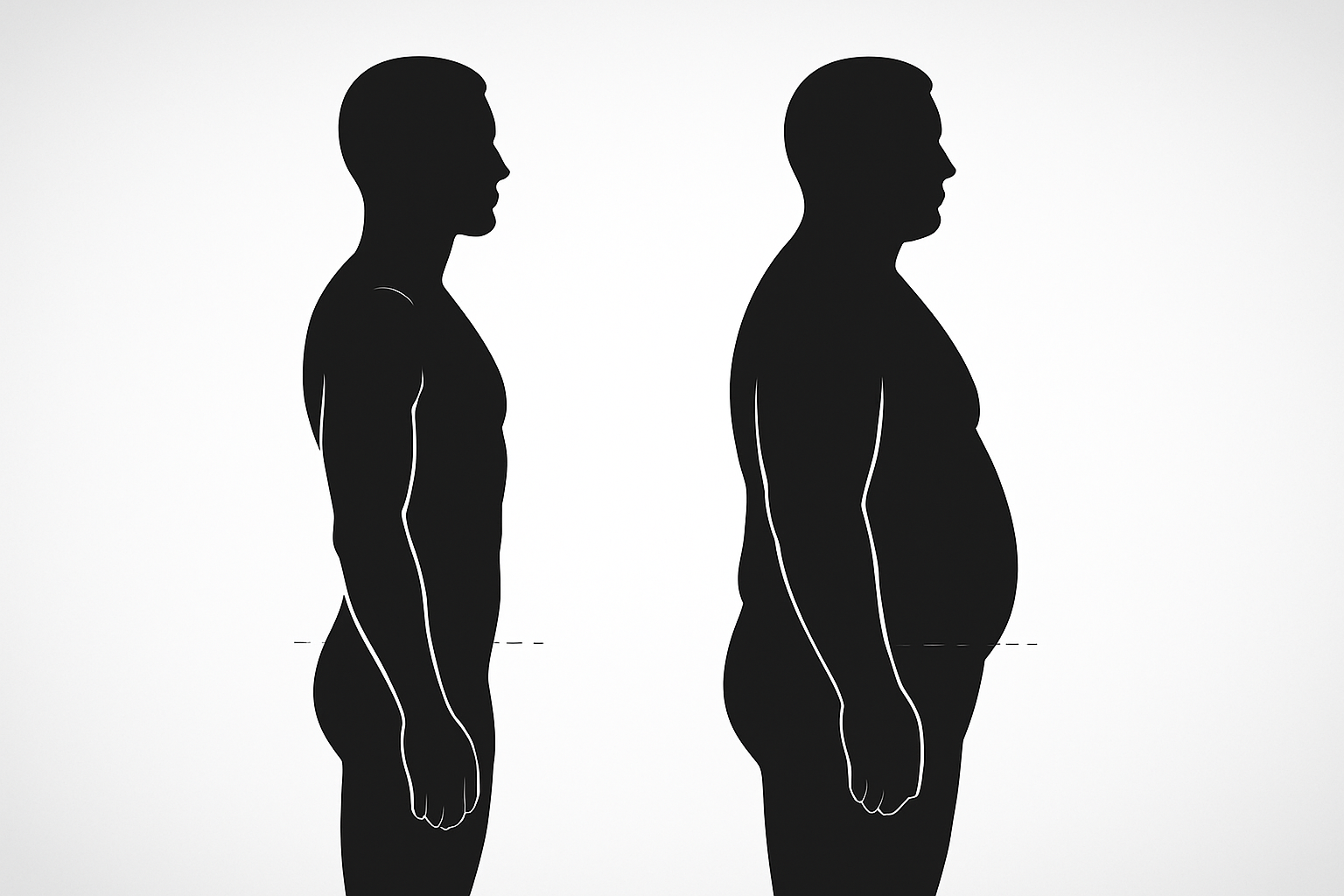
Unexplained muscle loss despite regular activity
When you’re hitting the gym regularly or staying active but still losing muscle mass, protein deficiency could be the culprit. Your body treats muscle tissue as a backup protein source when dietary protein falls short. This means your muscles literally break down to supply amino acids for essential functions like hormone production and immune system support.
You might notice your arms looking less defined or your legs feeling weaker during workouts you used to crush. This muscle wasting, called sarcopenia, happens faster than you’d expect when protein intake drops below your body’s needs. Even moderate exercise can’t protect against muscle loss when protein is scarce.
Increased body fat percentage
Low protein intake creates a perfect storm for fat accumulation. Without enough protein, your metabolism slows down significantly because muscle tissue burns calories even at rest. Less muscle equals fewer calories burned throughout the day, making fat storage more likely.
Protein also plays a crucial role in regulating hormones that control hunger and satiety. When protein levels drop, hormones like ghrelin (the hunger hormone) spike while leptin (the fullness hormone) decreases. This hormonal chaos leads to overeating and poor food choices, typically gravitating toward high-carb, high-fat options that pack on pounds quickly.
Difficulty building or maintaining muscle mass
Building muscle becomes nearly impossible when protein intake is inadequate. Your body needs a positive protein balance to synthesize new muscle fibers and repair existing ones after workouts. Without sufficient amino acids, muscle protein synthesis drops dramatically, leaving you spinning your wheels in the gym.
You might find yourself lifting the same weights for months without progress or struggling to maintain strength gains you’ve already made. Recovery between workouts takes longer, and that satisfying muscle pump becomes harder to achieve. Your muscles simply can’t grow or even maintain their current size without the building blocks protein provides.
Slower metabolism and weight gain
Protein has the highest thermic effect of all macronutrients, meaning your body burns more calories digesting and processing it compared to carbs or fats. When protein intake drops, this metabolic boost disappears, and your daily calorie burn decreases.
Your basal metabolic rate also takes a hit because muscle tissue is metabolically expensive to maintain. As muscle mass declines, your body needs fewer calories to function, creating a downward spiral where weight gain becomes increasingly easy and weight loss becomes frustratingly difficult.
Loss of muscle tone and definition
That sculpted, toned appearance comes from having adequate muscle mass with low body fat. Protein deficiency attacks both sides of this equation. Your muscles lose their fullness and firmness as protein synthesis slows, while increased fat storage blurs muscle definition.
You might notice your abs becoming less visible, your arms losing their shape, or your shoulders appearing less broad. The firm, tight feeling in your muscles after a good workout becomes rare, replaced by a softer, less defined appearance that no amount of exercise seems to fix.
Recovery and Performance Issues From Protein Shortage

Extended Recovery Time After Workouts
When your muscles don’t get enough protein, they struggle to repair and rebuild after exercise. You might notice that soreness lingers for days instead of the usual 24-48 hours. Your legs feel heavy climbing stairs three days after leg day, or your arms remain tender long after an upper body session.
Protein provides the building blocks your muscles need to patch up microscopic tears from training. Without adequate amounts, your body can’t efficiently synthesize new muscle fibers or repair damaged ones. This creates a backlog of recovery that compounds with each workout.
You’ll also find that your strength gains plateau or even decline. The weights that felt manageable last week suddenly feel heavier. Your endurance drops, and you fatigue faster during workouts. These aren’t signs you need to push harder – they’re red flags that your recovery system is overwhelmed.
Frequent Illness and Weakened Immune System
Your immune system relies heavily on protein to function properly. Antibodies, which fight off infections, are made entirely of protein. When your intake falls short, your body prioritizes essential functions over immune defense, leaving you vulnerable to every bug that comes your way.
You might catch colds that knock out your coworkers for two days but keep you down for a week. Minor cuts take longer to heal. You get sick more often than usual, and illnesses hit you harder. Your body simply doesn’t have the raw materials to mount an effective immune response.
White blood cells, your body’s defense army, need protein to multiply and function effectively. Without enough protein, their numbers dwindle, and their ability to recognize and eliminate threats decreases significantly.
Poor Sleep Quality and Restless Nights
Protein plays a crucial role in producing neurotransmitters that regulate sleep, including serotonin and melatonin. When protein levels drop, your brain struggles to manufacture these sleep-promoting chemicals, leaving you tossing and turning.
You might fall asleep easily but wake up multiple times throughout the night. Your sleep feels light and unrefreshing, even after seven or eight hours in bed. You wake up feeling like you barely slept, despite spending adequate time under the covers.
Blood sugar instability from inadequate protein can also disrupt sleep patterns. Without enough protein to help stabilize glucose levels, you experience blood sugar spikes and crashes that can jolt you awake during the night. Your body enters a state of metabolic stress that interferes with the deep, restorative sleep phases your muscles and mind need to recover properly.

Your body has its own way of telling you when something’s off, and protein deficiency is no exception. From constant hunger pangs and sugar cravings to slow-healing wounds and brain fog, these warning signs are your body’s SOS signals that shouldn’t be ignored. Hair loss, muscle weakness, mood swings, and feeling exhausted even after a full night’s sleep are all red flags that your protein intake might be falling short of what your body actually needs.
The good news is that recognizing these signs early gives you the power to make changes before things get worse. Start paying attention to what your body is trying to tell you, and consider adding more high-quality protein sources to your meals. Whether it’s through lean meats, fish, eggs, beans, or plant-based options, giving your body the protein it craves can help you feel stronger, think clearer, and bounce back faster from workouts and daily stress. Your body works hard for you every day – make sure you’re giving it the fuel it deserves.

Saurabh Kumar is the founder of SaurabhOrbit.com, a hub for tech news, digital marketing insights, and expert blogging advice. With a deep passion for technology and digital strategies, Saurabh simplifies complex trends into actionable insights for readers looking to stay ahead in the digital world. My mission is to empower entrepreneurs, tech enthusiasts, and marketers with the latest tools and knowledge to thrive in the online space.