When Death Knocks: The Real Deal on 20 Life-Threatening Diseases
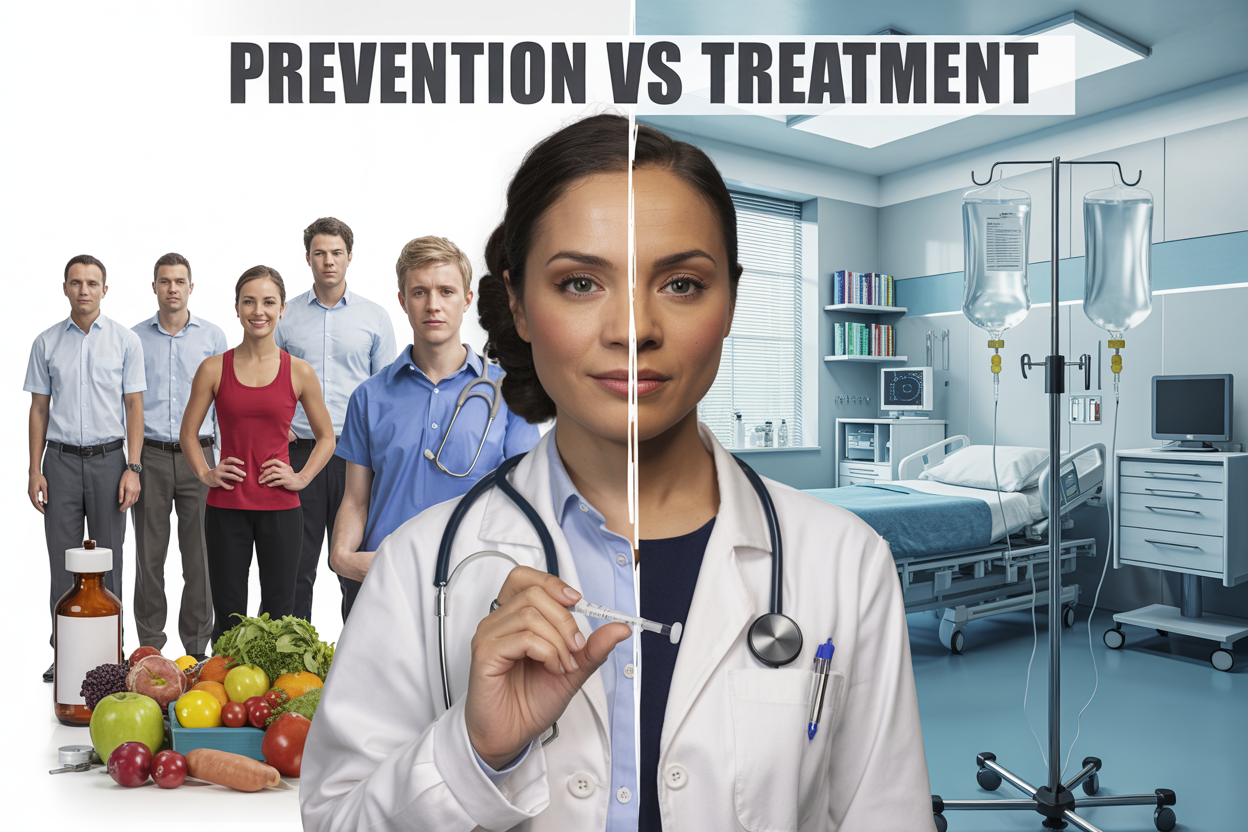
Every year, millions of people face diseases that could end their lives. This guide breaks down 20 life-threatening diseases and answers the big question: should you focus your time, money, and energy on prevention or treatment?
Who This Guide Helps
This information serves anyone who wants to protect themselves and their loved ones from serious illness. Whether you’re a healthy adult planning ahead, someone with risk factors, or a caregiver making medical decisions, you’ll find practical insights here.
What You’ll Learn
We’ll walk through the early warning signs that actually matter – the ones doctors look for first. You’ll discover which prevention strategies work (and which ones are just expensive placebos). Finally, we’ll crunch the real numbers on prevention costs versus treatment expenses, so you can make smart choices about where to invest your health dollars.
The goal isn’t to scare you. It’s to arm you with facts that could save your life.
Understanding the Most Critical Life-Threatening Diseases

Cardiovascular Diseases and Their Devastating Impact
Heart disease remains the silent killer stalking millions worldwide, claiming more lives annually than any other medical condition. The cardiovascular system, our body’s intricate network of blood vessels and the heart, faces relentless assault from modern lifestyle factors, genetic predispositions, and environmental toxins. Understanding the scope and severity of cardiovascular diseases provides crucial insight into why these conditions dominate global mortality statistics.
Coronary artery disease stands as the most lethal form of heart disease, responsible for approximately 610,000 deaths annually in the United States alone. This condition develops when plaque accumulates in the coronary arteries, the vital blood vessels supplying oxygen-rich blood to the heart muscle. The gradual narrowing of these arteries restricts blood flow, creating a dangerous cascade of events that can culminate in heart attacks, sudden cardiac death, or chronic heart failure.
The insidious nature of coronary artery disease makes it particularly dangerous. Plaque buildup occurs over decades, often without noticeable symptoms until the condition reaches advanced stages. This silent progression explains why many individuals experience their first heart attack as the initial indication of underlying cardiovascular disease. The economic burden extends far beyond immediate medical costs, encompassing lost productivity, long-term care expenses, and reduced quality of life for survivors and their families.
Heart failure represents another devastating manifestation of cardiovascular disease, affecting over 6.2 million Americans and contributing to approximately 379,000 deaths annually. This condition occurs when the heart muscle weakens or stiffens, preventing adequate blood circulation throughout the body. Unlike the dramatic presentation of heart attacks, heart failure often develops gradually, with symptoms including shortness of breath, fatigue, and fluid retention becoming progressively worse over time.
The five-year survival rate for heart failure patients remains alarmingly low, with only about 50% of diagnosed individuals surviving beyond this timeframe. This statistic rivals many cancer survival rates, yet heart failure receives significantly less public attention and research funding. The condition’s complexity stems from its multiple underlying causes, including previous heart attacks, high blood pressure, diabetes, and various genetic factors that damage the heart muscle over time.
Stroke, technically a cardiovascular event affecting the brain, kills someone every four minutes in the United States. This condition occurs when blood supply to brain tissue becomes interrupted, either through blocked blood vessels (ischemic stroke) or ruptured blood vessels (hemorrhagic stroke). The rapid death of brain cells during a stroke creates permanent neurological damage, making stroke a leading cause of long-term disability among survivors.
The devastating impact of stroke extends beyond immediate mortality statistics. Approximately 795,000 Americans experience strokes annually, with about 610,000 representing first attacks and 185,000 occurring in individuals with previous stroke history. The economic burden reaches approximately $46 billion yearly, including direct medical costs, lost productivity, and long-term care expenses for the estimated 7 million stroke survivors living with permanent disabilities.
Peripheral artery disease, while less well-known than other cardiovascular conditions, affects over 8.5 million Americans and significantly increases mortality risk. This condition involves narrowed arteries in the extremities, particularly the legs, reducing blood flow to vital tissues. The decreased circulation creates a cascade of complications, including increased infection risk, delayed wound healing, and potential limb amputation in severe cases.
The interconnected nature of cardiovascular diseases amplifies their collective impact on global health. Individuals diagnosed with one cardiovascular condition face significantly elevated risk for developing additional heart and blood vessel problems. This clustering effect creates a vicious cycle where each condition accelerates the progression of others, compounding treatment complexity and worsening overall prognosis.
Risk factors for cardiovascular disease operate through multiple pathways, creating complex interactions that determine individual disease susceptibility. Traditional risk factors include high blood pressure, elevated cholesterol levels, diabetes, smoking, obesity, and sedentary lifestyle. These modifiable factors account for approximately 90% of cardiovascular disease risk in most populations, highlighting the preventable nature of many cardiovascular deaths.
Emerging research reveals additional risk factors that contribute to cardiovascular disease burden. Chronic inflammation, sleep disorders, air pollution exposure, and psychological stress all play significant roles in disease development. Social determinants of health, including income inequality, educational attainment, and neighborhood characteristics, create disparities in cardiovascular disease rates across different population groups.
The global burden of cardiovascular disease continues expanding as developing nations adopt Western dietary patterns and lifestyle behaviors. Urbanization, increased consumption of processed foods, and reduced physical activity levels contribute to rising cardiovascular disease rates in previously low-risk populations. This epidemiological transition places enormous strain on healthcare systems unprepared for the chronic disease burden associated with cardiovascular conditions.
Genetic factors contribute significantly to cardiovascular disease risk, with family history representing one of the strongest predictors of individual susceptibility. Recent advances in genetic testing reveal specific gene variants that increase coronary artery disease risk, influence response to cardiovascular medications, and predict likelihood of developing various heart rhythm disorders. However, genetic predisposition does not guarantee disease development, as lifestyle modifications can substantially reduce risk even among genetically susceptible individuals.
The economic impact of cardiovascular disease extends far beyond direct healthcare costs. Lost productivity due to premature death, disability, and absenteeism creates substantial economic losses for employers and society. Family caregivers often reduce work hours or leave employment entirely to care for relatives with cardiovascular conditions, creating additional economic ripple effects throughout communities.
Advanced cardiovascular diseases require intensive medical interventions, including cardiac catheterizations, bypass surgeries, valve replacements, and implantable devices. While these treatments can extend life and improve quality of life for many patients, they also create substantial financial burdens for healthcare systems and individual families. The average cost of coronary artery bypass surgery exceeds $100,000, while heart transplantation procedures can cost over $1 million.
The complexity of cardiovascular disease treatment requires coordinated care among multiple medical specialists. Cardiologists, cardiac surgeons, electrophysiologists, vascular surgeons, and rehabilitation specialists must work together to provide comprehensive care for patients with advanced cardiovascular conditions. This collaborative approach, while medically necessary, increases treatment costs and creates potential coordination challenges that can affect patient outcomes.
Cardiovascular disease prevention strategies have demonstrated remarkable success in reducing mortality rates over recent decades. Public health initiatives targeting smoking cessation, blood pressure control, and cholesterol management have contributed to significant declines in cardiovascular death rates in developed countries. However, rising rates of diabetes and obesity threaten to reverse these gains, creating new challenges for cardiovascular disease prevention efforts.
Cancer Types with Highest Mortality Rates
Cancer continues claiming millions of lives globally, with certain types demonstrating particularly lethal characteristics that make them responsible for disproportionate numbers of deaths. Understanding the most deadly cancers provides critical insight into global disease patterns and highlights the urgent need for improved prevention, early detection, and treatment strategies across different cancer types.
Lung cancer stands as the undisputed leader in cancer-related mortality, responsible for more deaths than breast, prostate, and colorectal cancers combined. This devastating disease kills approximately 1.8 million people annually worldwide, representing nearly 25% of all cancer deaths. The aggressive nature of lung cancer stems from its tendency to spread rapidly to distant organs before causing noticeable symptoms, making early detection extremely challenging.
The five-year survival rate for lung cancer remains disturbingly low at approximately 21%, with survival rates varying dramatically based on cancer stage at diagnosis. Localized lung cancers detected before spreading to nearby lymph nodes have five-year survival rates approaching 60%, while metastatic lung cancer carries a five-year survival rate of only 5%. This dramatic difference underscores the critical importance of early detection efforts and the devastating consequences of delayed diagnosis.
Smoking represents the primary risk factor for lung cancer development, accounting for approximately 85% of all cases. The relationship between tobacco use and lung cancer demonstrates a clear dose-response relationship, with heavier smokers and longer smoking duration creating exponentially higher cancer risk. However, lung cancer also affects never-smokers, particularly women and individuals exposed to secondhand smoke, radon gas, asbestos, and other environmental carcinogens.
The economic burden of lung cancer extends far beyond immediate treatment costs, encompassing productivity losses, caregiver expenses, and long-term care needs for survivors dealing with treatment-related complications. The average lifetime cost of lung cancer care exceeds $200,000 per patient, with advanced-stage diseases requiring even more intensive and expensive interventions. The indirect costs associated with lost productivity and premature death create additional economic impacts estimated at over $300 billion annually in the United States alone.
Colorectal cancer ranks as the second leading cause of cancer deaths globally, killing approximately 900,000 people annually. This cancer type affects the colon and rectum, developing from precancerous polyps that can be detected and removed through screening procedures. The preventable nature of many colorectal cancers makes the high mortality rate particularly tragic, as effective screening programs can reduce death rates by up to 60%.
The insidious development of colorectal cancer contributes to its deadly nature. Early-stage colorectal cancers often produce no symptoms, allowing the disease to progress undetected until reaching advanced stages. When symptoms do appear, they may include changes in bowel habits, blood in stool, abdominal pain, and unexplained weight loss, but these symptoms can be subtle and easily attributed to other conditions.
Geographic and demographic patterns in colorectal cancer incidence reveal important insights about disease risk factors and prevention opportunities. Developed countries with Western dietary patterns show significantly higher colorectal cancer rates compared to regions with traditional diets rich in fiber and low in processed meats. The rapid increase in colorectal cancer rates among younger adults represents an alarming trend that challenges traditional understanding of this disease’s age-related risk patterns.
Breast cancer claims approximately 685,000 lives annually worldwide, making it the leading cause of cancer death among women in many regions. Despite significant advances in treatment and survival rates over recent decades, breast cancer mortality remains high due to the disease’s prevalence and its tendency to develop aggressive subtypes that resist conventional treatments.
The heterogeneous nature of breast cancer contributes to varying mortality rates among different subtypes. Triple-negative breast cancer, representing approximately 15% of all breast cancers, demonstrates particularly aggressive behavior with limited treatment options and higher recurrence rates compared to hormone receptor-positive breast cancers. This subtype disproportionately affects younger women and shows higher prevalence among African American and Hispanic populations.
Liver cancer represents one of the fastest-growing causes of cancer death, with mortality rates increasing dramatically over recent decades. This cancer type kills approximately 830,000 people annually worldwide, with particularly high rates in regions where hepatitis B and C infections remain endemic. The poor prognosis associated with liver cancer reflects the organ’s critical functions and the advanced disease stage at which most cases receive diagnosis.
The relationship between liver cancer and underlying liver disease creates unique challenges for prevention and treatment. Chronic hepatitis infections, alcoholic liver disease, and non-alcoholic fatty liver disease all increase liver cancer risk while simultaneously compromising liver function needed for cancer treatment tolerance. This complex interplay between liver cancer and pre-existing liver conditions often limits treatment options and contributes to poor survival outcomes.
Pancreatic cancer maintains the lowest five-year survival rate among all major cancer types, with only 10% of patients surviving beyond five years following diagnosis. This devastating disease kills approximately 466,000 people annually worldwide, with incidence rates continuing to rise in many developed countries. The pancreas’s location deep within the abdomen makes early detection extremely difficult, while the organ’s critical role in digestion and blood sugar regulation creates severe complications when cancer develops.
The aggressive biological behavior of pancreatic cancer contributes significantly to its lethal nature. Most pancreatic cancers spread to distant organs before causing noticeable symptoms, making curative treatment impossible for the majority of patients at diagnosis. Even among the small percentage of patients eligible for surgical removal, recurrence rates remain high, and long-term survival remains uncommon.
Stomach cancer ranks among the top five causes of cancer death globally, killing approximately 769,000 people annually. This cancer type shows dramatic geographic variation, with particularly high rates in East Asian countries, parts of South America, and Eastern Europe. The declining incidence in developed countries contrasts sharply with persistently high mortality rates in regions where the disease remains common.
Helicobacter pylori bacterial infection represents the primary risk factor for stomach cancer development, accounting for approximately 75% of cases. This bacterial infection causes chronic inflammation of the stomach lining, creating precancerous changes that can progress to invasive cancer over many years. The preventable nature of H. pylori-associated stomach cancer makes the continued high mortality rates particularly concerning in regions with limited access to infection treatment.
Brain cancer, while less common than other cancer types, demonstrates particularly devastating mortality rates due to the brain’s critical functions and the challenges associated with treating cancers in this vital organ. Primary brain cancers kill approximately 250,000 people annually worldwide, with glioblastoma representing the most aggressive and lethal subtype.
The blood-brain barrier, which normally protects the brain from harmful substances, creates significant obstacles for cancer treatment by limiting drug delivery to brain tumors. This anatomical barrier, combined with the brain’s limited regenerative capacity and intolerance for tissue damage, makes brain cancer treatment extremely challenging even when tumors are detected early.
Esophageal cancer represents another highly lethal cancer type, with five-year survival rates below 20% in most countries. This cancer affects the muscular tube connecting the throat to the stomach, often remaining asymptomatic until reaching advanced stages when swallowing difficulties finally prompt medical evaluation. The late-stage presentation combined with the esophagus’s rich blood and lymphatic supply contributes to rapid cancer spread and poor treatment outcomes.
Two distinct types of esophageal cancer show different geographic patterns and risk factors. Squamous cell carcinoma predominates in developing countries and associates with tobacco use, alcohol consumption, and certain dietary factors. Adenocarcinoma occurs more frequently in developed countries and links to gastroesophageal reflux disease and obesity, reflecting the changing epidemiology of esophageal cancer in different global regions.
The economic impact of high-mortality cancers extends beyond direct medical costs to encompass productivity losses, caregiver burden, and quality-of-life impacts for patients and families. Advanced cancer treatments, including targeted therapies, immunotherapies, and precision medicine approaches, can cost hundreds of thousands of dollars per patient while offering limited survival benefits for the most aggressive cancer types.
Stroke and Brain-Related Fatalities
Stroke represents a medical emergency that strikes with devastating suddenness, claiming a life every four minutes and leaving millions more with permanent disabilities that fundamentally alter their quality of life. This cerebrovascular catastrophe occurs when blood supply to brain tissue becomes interrupted, causing rapid cell death that can destroy critical brain functions within minutes. Understanding the various types of strokes and their fatal consequences reveals the urgent need for prevention strategies and rapid treatment protocols.
Ischemic strokes account for approximately 87% of all stroke cases, occurring when blood clots or other debris block arteries supplying the brain. These obstructions can form directly in brain arteries (thrombotic stroke) or travel from other body parts, particularly the heart (embolic stroke). The location and size of the blocked artery determine the extent of brain damage and the specific neurological deficits that result from oxygen deprivation.
The cascade of cellular destruction during ischemic stroke unfolds rapidly, with brain cells beginning to die within minutes of blood supply interruption. The core area of oxygen deprivation suffers irreversible damage, while surrounding tissue enters a vulnerable state called the penumbra, where cells remain viable but at risk for several hours. This time-sensitive window provides the opportunity for emergency interventions to restore blood flow and minimize brain damage.
Large vessel occlusions represent the most severe form of ischemic stroke, occurring when major arteries supplying significant brain regions become blocked. These strokes often result in massive brain damage, severe disability, or death, particularly when treatment is delayed. The middle cerebral artery, which supplies large portions of the brain’s frontal and parietal regions, is frequently involved in these devastating strokes that can eliminate speech, movement, and cognitive functions.
Hemorrhagic strokes, while less common than ischemic strokes, demonstrate higher mortality rates and account for approximately 13% of all stroke cases. These strokes occur when blood vessels in the brain rupture, causing bleeding into brain tissue or the surrounding spaces. The accumulating blood creates pressure that compresses and damages nearby brain structures while depriving downstream tissues of oxygen-rich blood.
Intracerebral hemorrhages, bleeding directly into brain tissue, carry particularly grim prognoses with mortality rates exceeding 40% within 30 days of onset. The expanding hematoma acts like a growing mass within the confined space of the skull, increasing intracranial pressure and potentially causing herniation of brain structures. The location of bleeding significantly influences survival chances, with deep brain hemorrhages in areas like the brainstem often proving fatal within hours.
Subarachnoid hemorrhages occur when blood vessels on the brain’s surface rupture, flooding the space between the brain and skull with blood. These strokes frequently result from ruptured aneurysms, weak spots in artery walls that balloon outward under blood pressure. Approximately 50% of subarachnoid hemorrhage patients die within the first month, while many survivors face significant neurological impairments and risk of recurrent bleeding.
The global burden of stroke continues expanding as populations age and developing countries adopt Western lifestyle patterns associated with increased stroke risk. Stroke kills approximately 6.7 million people annually worldwide, making it the second leading cause of death globally. The disease affects individuals across all age groups, though incidence increases dramatically with advancing age, doubling approximately every decade after age 55.
Geographic variations in stroke mortality reveal important insights about risk factors and healthcare system capabilities. Countries with higher rates of hypertension, smoking, and limited access to acute stroke care demonstrate significantly higher stroke death rates. The “stroke belt” in the southeastern United States exemplifies how regional factors including diet, lifestyle, and healthcare access contribute to elevated stroke mortality rates.
Risk factors for stroke operate through complex pathways that often interact to amplify overall disease susceptibility. Hypertension represents the most potent modifiable stroke risk factor, present in approximately 77% of first-time stroke patients. Elevated blood pressure damages artery walls throughout the body, creating conditions favorable for clot formation and increasing the likelihood of vessel rupture in the brain.
Atrial fibrillation, an irregular heart rhythm affecting millions worldwide, increases stroke risk five-fold by allowing blood clots to form in the heart’s upper chambers. These clots can travel to the brain and cause embolic strokes that are often severe and disabling. The growing prevalence of atrial fibrillation among aging populations contributes to increasing stroke rates globally.
Diabetes substantially increases stroke risk through multiple mechanisms, including accelerated atherosclerosis, increased blood clotting tendency, and damage to small blood vessels throughout the brain. Diabetic individuals face twice the stroke risk of non-diabetics, with poorly controlled diabetes creating even higher risk levels. The metabolic abnormalities associated with diabetes also worsen stroke outcomes and increase mortality rates among stroke survivors.
Smoking represents another major modifiable stroke risk factor, approximately doubling stroke risk through multiple pathways. Tobacco use accelerates atherosclerosis, increases blood clotting tendency, reduces oxygen-carrying capacity, and damages blood vessel walls throughout the body. The good news is that stroke risk begins declining within months of smoking cessation, eventually approaching that of never-smokers after several years.
The time-critical nature of stroke treatment cannot be overstated, with the phrase “time is brain” emphasizing how rapidly brain damage accumulates during stroke events. Emergency treatments for ischemic stroke, including clot-busting medications and mechanical clot removal procedures, must be administered within hours of symptom onset to provide meaningful benefits. This narrow treatment window explains why rapid recognition and immediate medical attention are crucial for stroke survival and recovery.
Tissue plasminogen activator (tPA), the primary clot-dissolving medication for ischemic stroke, must be administered within 4.5 hours of symptom onset to provide benefit while minimizing bleeding complications. However, only a small percentage of stroke patients receive this treatment due to delayed recognition, prolonged transport times, and contraindications that exclude many patients from eligibility.
Mechanical thrombectomy, a procedure that physically removes clots from large brain arteries, has revolutionized treatment for severe ischemic strokes. This intervention can be performed up to 24 hours after symptom onset in selected patients, offering hope for recovery even when traditional treatments are no longer options. However, this procedure requires specialized equipment and expertise available only at comprehensive stroke centers.
The concept of stroke systems of care has emerged as a critical component in reducing stroke mortality and disability. These coordinated networks ensure rapid patient transport to appropriate treatment facilities, streamlined emergency protocols, and seamless transitions between different levels of care. Regions with well-developed stroke systems demonstrate significantly lower mortality rates and better functional outcomes for stroke patients.
Stroke prevention strategies focus primarily on controlling modifiable risk factors through lifestyle modifications and medical management. Blood pressure control represents the most effective stroke prevention intervention, with even modest reductions in blood pressure translating to significant decreases in stroke risk. Antihypertensive medications, combined with dietary changes and regular physical activity, can reduce stroke risk by up to 40%.
Anticoagulation therapy for patients with atrial fibrillation has transformed stroke prevention in this high-risk population. Modern anticoagulant medications significantly reduce stroke risk while minimizing bleeding complications compared to older treatments. However, these medications require careful monitoring and patient education to ensure safe and effective use.
The economic burden of stroke extends far beyond acute treatment costs to encompass long-term care, rehabilitation services, and lost productivity for patients and caregivers. The lifetime cost of stroke care averages approximately $200,000 per patient, with costs varying based on stroke severity, age at onset, and functional recovery achieved. Indirect costs associated with caregiver burden and lost productivity often exceed direct medical expenses.
Secondary stroke prevention becomes critically important for the growing population of stroke survivors, as these individuals face significantly elevated risk for recurrent strokes. Comprehensive secondary prevention programs addressing multiple risk factors simultaneously have demonstrated remarkable success in reducing recurrent stroke rates. These programs typically include medication management, lifestyle counseling, and regular monitoring of risk factors.
The psychological impact of stroke on patients and families creates additional challenges that influence long-term outcomes and quality of life. Depression affects approximately 30% of stroke survivors, interfering with rehabilitation efforts and increasing mortality risk. Anxiety, social isolation, and changes in family dynamics further complicate recovery and contribute to the overall burden of stroke on society.
Respiratory Diseases That Claim Millions
Respiratory diseases represent a silent epidemic claiming millions of lives annually while imposing enormous economic and social burdens on healthcare systems worldwide. These conditions affect the lungs and breathing passages, impairing the body’s ability to obtain oxygen and remove carbon dioxide, essential processes that sustain life. The spectrum of respiratory diseases ranges from acute infections that can kill within days to chronic conditions that slowly deteriorate lung function over years or decades.
Chronic obstructive pulmonary disease (COPD) stands as the third leading cause of death globally, killing approximately 3.2 million people annually. This progressive disease encompasses emphysema and chronic bronchitis, conditions that permanently damage lung tissue and airways, making breathing increasingly difficult over time. The insidious nature of COPD often delays diagnosis until significant lung damage has already occurred, limiting treatment effectiveness and contributing to poor outcomes.
The pathophysiology of COPD involves irreversible destruction of alveoli, the tiny air sacs where oxygen and carbon dioxide exchange occurs. In emphysema, these structures lose their elasticity and become enlarged, reducing the surface area available for gas exchange. Chronic bronchitis involves persistent inflammation and thickening of the airways, producing excessive mucus that obstructs airflow and creates ideal conditions for bacterial infections.
Smoking represents the primary cause of COPD, accounting for approximately 85% of cases in developed countries. The relationship between tobacco use and COPD demonstrates a clear dose-response pattern, with heavier smokers and longer smoking duration creating progressively higher disease risk. However, COPD also affects never-smokers exposed to secondhand smoke, occupational dusts and chemicals, air pollution, and genetic factors that predispose individuals to lung damage.
The global burden of COPD continues expanding as populations age and smoking rates remain high in many developing countries. Women now represent nearly half of all COPD deaths, reflecting changing smoking patterns and increased exposure to indoor air pollution from cooking fuels in resource-limited settings. The disease disproportionately affects individuals with lower socioeconomic status, creating health disparities that reflect broader inequalities in healthcare access and social determinants of health.
Pneumonia and other lower respiratory tract infections kill approximately 2.6 million people annually, making them the fourth leading cause of death worldwide. These infections affect individuals across all age groups but demonstrate particularly high mortality rates among young children, elderly adults, and immunocompromised individuals. The rapid progression from initial symptoms to respiratory failure can occur within hours, making pneumonia a true medical emergency requiring immediate attention.
Streptococcus pneumoniae remains the leading bacterial cause of pneumonia deaths, particularly among elderly adults and individuals with underlying health conditions. This organism can spread from the lungs to other body parts, causing sepsis, meningitis, and other life-threatening complications. The emergence of antibiotic-resistant strains creates additional treatment challenges and contributes to increasing mortality rates in some regions.
Viral pneumonia, including influenza and respiratory syncytial virus infections, represents another major category of respiratory deaths. Seasonal influenza kills between 290,000 and 650,000 people annually worldwide, with pandemic strains potentially causing even higher mortality rates. The COVID-19 pandemic dramatically illustrated how novel respiratory viruses can overwhelm healthcare systems and cause millions of deaths within short timeframes.
The economic burden of pneumonia extends beyond immediate treatment costs to encompass productivity losses, long-term care needs, and prevention program expenses. Hospital-acquired pneumonia creates particularly high costs due to extended length of stay, intensive care requirements, and complications that develop during treatment. Prevention strategies, including vaccination programs and infection control measures, provide substantial economic benefits by reducing disease incidence and associated healthcare costs.
Asthma, while rarely fatal, contributes to approximately 461,000 deaths annually worldwide and creates substantial morbidity that affects quality of life for millions of individuals. This chronic inflammatory disease causes recurrent episodes of wheezing, shortness of breath, chest tightness, and coughing that can range from mild inconvenience to life-threatening attacks requiring emergency treatment.
The increasing prevalence of asthma across all age groups represents a concerning global trend, with the disease now affecting over 300 million people worldwide. Environmental factors, including air pollution, allergen exposure, and lifestyle changes, contribute to rising asthma rates in both developed and developing countries. The hygiene hypothesis suggests that reduced early-life exposure to microbes may increase asthma susceptibility by altering immune system development.
Severe asthma attacks can progress rapidly to respiratory failure and death, particularly when individuals lack access to appropriate medications or delay seeking emergency care. Minority populations and individuals with lower socioeconomic status face disproportionately higher asthma mortality rates, reflecting disparities in healthcare access, medication affordability, and environmental exposures that trigger asthma symptoms.
Occupational lung diseases represent another significant category of respiratory deaths, killing thousands of workers annually through conditions like silicosis, asbestosis, and coal worker’s pneumoconiosis. These diseases develop through prolonged exposure to harmful dusts and chemicals in workplace environments, often taking decades to manifest clinically. The preventable nature of occupational lung diseases makes these deaths particularly tragic, as proper workplace safety measures could eliminate most cases.
Silicosis results from inhaling crystalline silica dust, common in construction, mining, and manufacturing industries. This disease causes progressive lung scarring that can continue advancing even after exposure ends, leading to respiratory failure and increased susceptibility to lung cancer and tuberculosis. The lack of effective treatment for silicosis emphasizes the critical importance of prevention through workplace safety measures.
Asbestos-related lung diseases, including asbestosis and mesothelioma, continue claiming lives decades after peak exposure periods in many developed countries. These diseases demonstrate extremely long latency periods, with symptoms often appearing 20-40 years after initial exposure. The ongoing epidemic of asbestos-related deaths in developing countries using asbestos-containing materials highlights the global nature of occupational lung disease challenges.
Interstitial lung diseases represent a diverse group of conditions that cause scarring and inflammation of lung tissue, leading to progressive respiratory failure and death. Idiopathic pulmonary fibrosis, the most common form, affects approximately 5 million people worldwide and demonstrates a median survival of only 3-5 years following diagnosis. The unknown cause of this condition and lack of curative treatments make it particularly challenging to manage.
The pathological process of pulmonary fibrosis involves excessive collagen deposition in lung tissue, creating stiff, scarred lungs that cannot expand normally during breathing. This scarring process appears to be progressive and irreversible, with current treatments focusing on slowing disease progression rather than reversing existing damage. The physical and emotional toll of progressive breathlessness significantly impacts quality of life for patients and families.
Sleep-disordered breathing, including sleep apnea, contributes to respiratory-related deaths through multiple pathways. Severe sleep apnea increases risk of cardiovascular disease, stroke, and accidents due to daytime sleepiness. The repeated episodes of oxygen desaturation during sleep create physiological stress that damages multiple organ systems over time.
Air pollution represents a major environmental risk factor for respiratory diseases, contributing to millions of premature deaths annually. Fine particulate matter, ozone, and other pollutants cause acute and chronic lung damage that increases susceptibility to infections, exacerbates existing respiratory conditions, and contributes to lung cancer development. The global burden of air pollution-related respiratory deaths continues rising as urbanization and industrial development expand worldwide.
Indoor air pollution from cooking fuels affects billions of people in developing countries, particularly women and children who spend more time in homes with poor ventilation. The combustion of wood, crop residues, and animal dung produces harmful pollutants that cause pneumonia, COPD, and lung cancer. This form of pollution represents one of the leading environmental health risks globally, yet receives relatively little attention compared to outdoor air pollution.
The complex interplay between respiratory diseases and other health conditions amplifies their impact on global mortality. Respiratory diseases increase susceptibility to cardiovascular events, while heart conditions can worsen respiratory symptoms and outcomes. Diabetes, kidney disease, and immune system disorders all interact with respiratory diseases to create complicated clinical scenarios that challenge treatment efforts.
Prevention strategies for respiratory diseases focus on reducing exposure to harmful substances, promoting vaccination, and implementing public health measures that address social determinants of health. Smoking cessation programs, workplace safety regulations, and air quality improvements have demonstrated remarkable success in reducing respiratory disease burden in countries with comprehensive prevention efforts.
Early Warning Signs That Save Lives

Recognizing heart attack symptoms before it’s too late
Most people picture a heart attack as someone clutching their chest dramatically and collapsing to the ground. While this can happen, real heart attacks often look nothing like what we see in movies. The reality is far more subtle and dangerous because these quiet symptoms get dismissed as stress, indigestion, or fatigue.
Women face particularly misleading symptoms that differ significantly from the classic male presentation. While men typically experience the crushing chest pain that radiates down the left arm, women often feel overwhelming fatigue, nausea, shortness of breath, or pain in unexpected places like the jaw, neck, or back. This difference has led to countless women being sent home from emergency rooms with antacids instead of receiving life-saving treatment.
The most dangerous heart attack symptom is chest discomfort that people describe as pressure, squeezing, fullness, or pain in the center of the chest. This sensation can last for several minutes or come and go repeatedly. Many survivors compare it to an elephant sitting on their chest or a tight band wrapped around their torso. The pain doesn’t always stay in the chest area either – it frequently spreads to the shoulders, arms, back, neck, jaw, or even the upper part of the stomach.
Shortness of breath often accompanies chest discomfort, but it can also occur on its own. People experiencing this symptom feel like they can’t catch their breath, even when they’re sitting still or doing light activities they normally handle without problems. Some describe it as feeling like they’re breathing through a straw or that the air has become too thick to breathe properly.
Breaking out in a cold sweat without any obvious reason is another critical warning sign that gets overlooked too often. This isn’t the normal sweating from exercise or hot weather – it’s a clammy, cold perspiration that appears suddenly and feels different from anything you’ve experienced before. Many heart attack survivors remember feeling like they had been doused with ice water.
Sudden, severe nausea and vomiting can signal a heart attack, especially in women. This symptom gets dismissed as food poisoning or a stomach bug, but when it appears with other warning signs or seems unusually intense and sudden, it demands immediate medical attention. The nausea often comes with a feeling of impending doom that’s hard to shake off.
Lightheadedness or sudden dizziness, particularly when combined with other symptoms, can indicate that the heart isn’t pumping blood effectively to the brain. Some people feel like they might faint or experience a sensation of everything spinning around them.
Unexplained fatigue, especially in women, can begin days or even weeks before a heart attack. This isn’t ordinary tiredness from a busy day – it’s an overwhelming exhaustion that makes simple activities like making a bed or taking a shower feel impossibly difficult. Many women report feeling like they could barely lift their arms or that climbing a flight of stairs left them completely drained.
Pain or discomfort in areas other than the chest catches many people off guard. Heart attack pain can appear in the arms (especially the left arm, but sometimes both or just the right), back, neck, jaw, or stomach. Some people describe jaw pain that feels like a toothache or neck pain that seems like a pulled muscle.
Sleep disturbances in the weeks leading up to a heart attack affect many people, particularly women. This might include unusual insomnia, waking up frequently during the night, or feeling exhausted despite getting what seems like adequate sleep.
Heartburn-like sensations that don’t respond to typical remedies can mask a heart attack. Many people take antacids and wait to feel better, losing precious time when every minute counts. The key difference is that heart attack-related chest discomfort typically doesn’t improve with antacids or changes in position.
Age plays a significant role in how heart attack symptoms present themselves. People over 65, especially women, are more likely to experience subtle symptoms like weakness, dizziness, or confusion rather than obvious chest pain. Diabetics face an additional challenge because nerve damage from high blood sugar can make heart attack symptoms even less noticeable.
The timing of symptoms matters enormously. Heart attacks most commonly occur between 6 AM and noon, when stress hormones naturally peak and blood is more likely to clot. Monday mornings show the highest incidence rates, possibly due to the stress of returning to work after the weekend.
Silent heart attacks affect nearly half of all heart attack victims, particularly women, elderly individuals, and people with diabetes. These heart attacks cause permanent damage without the dramatic symptoms people expect. The only signs might be unusual fatigue, mild chest discomfort, or feeling slightly unwell for a few days.
Family history significantly increases heart attack risk, making symptom recognition even more critical for people with relatives who’ve experienced heart disease. If your parents or siblings had heart attacks, especially at younger ages, you need to take even mild symptoms seriously.
Risk factors that make heart attack symptoms more likely include high blood pressure, high cholesterol, diabetes, obesity, smoking, excessive alcohol consumption, chronic stress, lack of physical activity, and poor diet. People with multiple risk factors should pay extra attention to any unusual physical sensations.
The emotional component of heart attacks often gets overlooked, but many survivors report feeling an overwhelming sense of dread or impending doom in the hours or days before their attack. This anxiety feels different from normal worry – it’s a deep, unexplainable fear that something terrible is about to happen.
Temperature sensitivity can also signal heart problems. Some people become unusually sensitive to cold or heat in the weeks before a heart attack, finding themselves shivering in normal temperatures or sweating excessively when others feel comfortable.
Digestive issues beyond nausea sometimes precede heart attacks. This might include loss of appetite, feeling full after eating very little, or experiencing unusual bloating or stomach discomfort that doesn’t seem related to anything you’ve eaten.
Blood pressure changes, both sudden increases and unexpected drops, can indicate heart problems. While not everyone monitors their blood pressure regularly, people who do might notice unusual readings in the days before a heart attack.
Heart palpitations or irregular heartbeats that feel different from normal can signal developing problems. While occasional palpitations are usually harmless, new patterns or sensations that feel abnormal deserve medical evaluation.
Sleep positioning changes might also provide clues. Some people find they can only sleep comfortably propped up on multiple pillows in the weeks before a heart attack, as lying flat becomes uncomfortable or causes breathing difficulties.
Skin changes, particularly around the fingernails or lips turning blue or gray, indicate poor oxygen circulation and demand immediate medical attention. Some people also notice unusual pallor or a grayish skin tone.
Voice changes or difficulty speaking clearly can occur during a heart attack, especially if the brain isn’t receiving adequate oxygen-rich blood. This might include slurred speech or difficulty finding words.
The response to these symptoms makes all the difference between life and death. Calling emergency services immediately when symptoms appear gives the best chance of survival and recovery. Every minute of delay increases heart muscle damage and reduces the effectiveness of treatments.
Many people waste precious time by calling their doctor’s office, driving themselves to the hospital, or asking family members to drive them. Emergency medical services can begin treatment immediately and communicate with the hospital to prepare for your arrival. They’re also equipped to handle complications that might occur during transport.
Aspirin can help during a heart attack by preventing additional blood clots, but only if you’re not allergic and don’t have bleeding disorders. Chewing one regular-strength aspirin (or four baby aspirins) can be beneficial while waiting for emergency services, but this shouldn’t delay calling for help.
Nitroglycerin prescribed for chest pain can provide relief during a heart attack, but people without existing prescriptions shouldn’t take someone else’s medication. The dosage and timing require medical supervision.
Recovery outcomes improve dramatically when treatment begins within the first hour after symptom onset. This “golden hour” is when interventions like clot-busting medications or emergency procedures work most effectively to restore blood flow and minimize heart muscle damage.
Cancer red flags everyone should know
Cancer develops silently in most cases, growing and spreading before symptoms become obvious enough to seek medical attention. This stealth characteristic makes early detection incredibly challenging, but certain warning signs can alert you to potential problems while treatment options remain most effective.
Unexplained weight loss of ten pounds or more without changes to diet or exercise habits can signal various types of cancer. While many people welcome unintended weight loss, losing weight without trying often indicates that something is seriously wrong with your body’s normal functioning. Cancers of the stomach, pancreas, esophagus, and lungs commonly cause significant weight loss early in their development.
Persistent fatigue that doesn’t improve with rest and sleep differs markedly from ordinary tiredness. Cancer-related fatigue feels overwhelming and doesn’t respond to typical recovery methods. This exhaustion can interfere with work, relationships, and daily activities. Leukemia and other blood cancers often cause extreme fatigue as cancer cells crowd out healthy blood cells responsible for carrying oxygen throughout the body.
Changes in bowel or bladder habits that last more than a few days require medical evaluation. This includes blood in urine or stool, changes in stool consistency, persistent constipation or diarrhea, urgency, or changes in urination patterns. Colorectal cancer often begins with subtle changes in bathroom habits that people attribute to stress, diet changes, or aging.
Unusual bleeding or discharge from any part of the body can indicate cancer. This includes bleeding between periods, after menopause, or during intercourse for women, blood in urine or stool, unusual vaginal discharge, nipple discharge, or bleeding from any body opening. While many causes of abnormal bleeding are benign, cancer must be ruled out through proper medical investigation.
Skin changes beyond obvious moles deserve attention. New growths, sores that don’t heal within several weeks, changes in existing moles or freckles, unusual itching, bleeding, or scaling can all indicate skin cancer or other types of cancer. The ABCDE rule for moles helps identify concerning changes: Asymmetry, Border irregularity, Color variation, Diameter larger than a pencil eraser, and Evolution or changes over time.
Persistent cough that lasts more than three weeks, especially in smokers or people with exposure to lung irritants, can signal lung cancer. Coughing up blood, even small amounts, demands immediate medical evaluation. Changes in a chronic cough, such as becoming more frequent, producing different colored sputum, or causing more pain, also warrant investigation.
Lumps or thickening in the breast, testicles, lymph nodes, or anywhere else on the body require prompt medical evaluation. While many lumps are benign, cancer often presents as a painless mass that feels different from surrounding tissue. Breast lumps in women and testicular lumps in men receive the most attention, but swollen lymph nodes in the neck, armpits, or groin can indicate various types of cancer.
Difficulty swallowing that persists or worsens over time can indicate cancers of the throat, esophagus, or stomach. This symptom might begin as a feeling that food is sticking in the throat or chest, progressing to pain when swallowing or inability to swallow solid foods. Many people adapt by eating softer foods or taking smaller bites, but this accommodation can delay diagnosis of serious conditions.
Changes in voice quality, including persistent hoarseness lasting more than two weeks, can signal throat or lung cancer. Voice changes might also include speaking becoming more difficult, changes in voice pitch, or a feeling of something stuck in the throat that doesn’t go away.
Abdominal discomfort, including persistent bloating, pain, or feeling full quickly when eating, can indicate ovarian, stomach, or pancreatic cancer. These symptoms often get dismissed as digestive problems, but when they persist for more than a few weeks or seem unusually severe, they require medical evaluation.
Headaches that are different from previous headache patterns, especially when accompanied by nausea, vomiting, vision changes, or neurological symptoms, can indicate brain tumors. New headaches in people who rarely get headaches, or changes in existing headache patterns, deserve medical attention.
Night sweats that soak clothing and bedding, particularly when accompanied by fever and weight loss, can indicate blood cancers like lymphoma or leukemia. While night sweats can result from hormonal changes, infections, or medications, unexplained episodes that persist for more than a week warrant investigation.
Persistent pain in bones or joints that doesn’t result from injury or arthritis can signal bone cancer or cancer that has spread to bones. This pain often worsens at night and doesn’t improve with rest. Back pain that’s severe, persistent, or accompanied by other symptoms like weakness in legs or changes in bowel or bladder function requires urgent medical evaluation.
Changes in skin pigmentation, including new dark spots, yellowing of skin or eyes, or unusual paleness, can indicate various types of cancer. Jaundice (yellowing of skin and eyes) might signal liver, pancreatic, or bile duct cancers.
Recurring infections or slow healing of cuts and bruises can indicate blood cancers that affect the immune system’s ability to fight infection and heal wounds. Frequent fevers, infections that don’t respond to typical treatment, or unusual susceptibility to illness might signal underlying cancer.
Changes in appetite, including loss of appetite or feeling full after eating very little, can indicate stomach, pancreatic, or other abdominal cancers. While appetite changes can result from stress, depression, or other conditions, persistent changes lasting more than a few weeks require evaluation.
Vision or hearing changes that develop gradually or suddenly can indicate brain tumors or other neurological cancers. This might include blurred vision, double vision, loss of peripheral vision, hearing loss, or ringing in the ears.
Neurological symptoms like confusion, memory problems, difficulty with coordination, weakness in arms or legs, or seizures can indicate brain tumors or cancer that has spread to the brain. These symptoms might develop gradually or appear suddenly.
Age-related considerations affect cancer symptom recognition significantly. Older adults often have multiple health conditions that can mask cancer symptoms, while younger people might dismiss serious symptoms as stress-related or temporary. Women face particular challenges because gynecological cancers often cause symptoms that mimic common reproductive health issues.
Family history plays a crucial role in cancer risk assessment. People with family members who’ve had cancer, especially at younger ages or multiple family members with the same type of cancer, face higher risks and should pay closer attention to potential warning signs. Genetic counseling might be appropriate for families with strong cancer histories.
Environmental and lifestyle factors that increase cancer risk include smoking, excessive alcohol consumption, exposure to harmful chemicals or radiation, certain infections, chronic inflammation, and poor diet. People with multiple risk factors should be especially vigilant about recognizing potential warning signs.
The importance of not ignoring symptoms cannot be overstated. Many people delay seeking medical attention because they fear the worst, hope symptoms will go away on their own, or worry about medical costs. However, early detection dramatically improves treatment outcomes and survival rates for most types of cancer.
Screening programs exist for several types of cancer and can detect disease before symptoms develop. Regular mammograms, colonoscopies, Pap smears, skin examinations, and other screening tests can identify cancer in its earliest, most treatable stages.
Stroke indicators that demand immediate action
Every year, someone in the United States has a stroke every 36 seconds, making it the fifth leading cause of death and a major cause of serious disability. The tragedy lies in the fact that many stroke deaths and disabilities could be prevented if people recognized the symptoms immediately and sought emergency treatment without delay.
Strokes occur when blood flow to part of the brain gets interrupted, either by a blocked blood vessel (ischemic stroke) or a burst blood vessel (hemorrhagic stroke). Brain cells begin dying within minutes when deprived of oxygen and nutrients, making stroke a true medical emergency where every second counts.
The FAST acronym provides the most widely recognized method for identifying stroke symptoms: Face drooping, Arms weakness, Speech difficulty, and Time to call emergency services. However, this simple tool only captures about 70% of strokes, leaving many people without recognition of their life-threatening condition.
Facial drooping or numbness, especially on one side of the face, represents one of the most visible stroke symptoms. Ask the person to smile – if one side of their face droops or feels numb, or if their smile appears uneven or lopsided, this indicates potential stroke. The person might also have difficulty closing one eye or controlling facial muscles on one side.
Arm weakness or numbness, particularly affecting one side of the body, signals potential stroke. Test this by asking the person to raise both arms over their head for 10 seconds. If one arm drifts downward or can’t be raised at all, stroke should be suspected. Leg weakness might also occur, causing the person to stumble or fall unexpectedly.
Speech difficulties manifest in several ways during a stroke. The person might slur their words, speak in a garbled manner, or use strange or incorrect words. They might understand what they want to say but be unable to form the words correctly. Sometimes people experiencing stroke speak normally but can’t understand what others are saying to them.
Time becomes the critical factor once stroke symptoms appear. The window for most effective stroke treatments is extremely narrow – ideally within 4.5 hours of symptom onset, but sooner is always better. Calling emergency services immediately gives the best chance of receiving treatments that can minimize brain damage and improve recovery outcomes.
Additional stroke symptoms that extend beyond the FAST acronym include sudden severe headache unlike any experienced before. Stroke-related headaches often feel like the worst headache of the person’s life and may come with nausea, vomiting, or altered consciousness.
Vision problems during stroke can affect one or both eyes and might include sudden loss of vision, double vision, or loss of visual field where the person can’t see to one side. Some people describe feeling like a curtain has been pulled across part of their vision.
Balance problems, dizziness, or loss of coordination can signal stroke, especially when combined with other symptoms. The person might suddenly lose their balance, feel dizzy without apparent cause, or have trouble walking. This isn’t the mild dizziness from standing up too quickly – it’s a profound sense of imbalance or spinning.
Confusion or trouble understanding what’s happening around them affects many stroke victims. They might seem disoriented, unable to follow simple commands, or confused about where they are or what’s happening. This confusion can range from mild to severe.
Numbness that affects the face, arm, or leg, especially on one side of the body, can indicate stroke. This numbness might come on suddenly and feel different from the tingling sensation when a limb “falls asleep.” The affected area might feel completely numb or have altered sensation.
Trouble swallowing can develop during stroke and poses serious risks beyond the stroke itself. People might choke on their own saliva, food, or drinks, which can lead to aspiration pneumonia. If someone suddenly has difficulty swallowing or begins drooling excessively, stroke should be considered.
Sudden loss of consciousness or altered mental state, while less common, can occur during certain types of strokes. The person might become unconscious, extremely sleepy, or display significant changes in their mental state or personality.
Women experience some stroke symptoms differently than men, and these differences can delay recognition and treatment. Women are more likely to experience sudden face and limb pain, hiccups, nausea, general weakness, and disorientation. They might also report sudden behavioral changes, agitation, or hallucinations.
Transient ischemic attacks (TIAs), often called “mini-strokes,” cause temporary stroke symptoms that resolve within 24 hours, usually within an hour. While TIA symptoms disappear, these episodes serve as critical warnings that a major stroke may follow soon. About one-third of people who experience TIAs will have a full stroke within a year if left untreated.
TIA symptoms mirror those of major strokes but resolve quickly, leading many people to dismiss them as temporary problems that don’t require medical attention. This dismissal can be fatal because TIAs indicate serious underlying problems with blood flow to the brain that need immediate medical intervention.
Age affects stroke presentation, with older adults sometimes experiencing more subtle symptoms that get attributed to normal aging. However, strokes can occur at any age, including in children and young adults, making symptom recognition important across all age groups.
Risk factors for stroke include high blood pressure, diabetes, high cholesterol, smoking, excessive alcohol consumption, illegal drug use, obesity, sedentary lifestyle, and certain medical conditions like atrial fibrillation. People with multiple risk factors should be especially aware of stroke symptoms.
Medications that increase stroke risk include certain birth control pills, hormone replacement therapy, and illegal drugs like cocaine and amphetamines. Some prescription medications can also increase stroke risk, making it important to discuss stroke signs with healthcare providers.
Family history of stroke increases individual risk, particularly if family members had strokes at younger ages. Genetic factors can predispose people to conditions that increase stroke risk, such as high blood pressure or clotting disorders.
Race and ethnicity affect stroke risk, with African Americans, Hispanic Americans, and Native Americans facing higher stroke rates than Caucasians. These populations also tend to have strokes at younger ages and experience more severe outcomes.
Gender differences in stroke risk change throughout life. Before menopause, women have lower stroke rates than men, but this protection disappears after menopause. Pregnancy and certain gynecological conditions can also increase women’s stroke risk.
Blood pressure monitoring becomes crucial for stroke prevention, as high blood pressure represents the most significant controllable stroke risk factor. Many people have high blood pressure without knowing it because it rarely causes symptoms until serious complications develop.
Atrial fibrillation, an irregular heartbeat, dramatically increases stroke risk by allowing blood clots to form in the heart and travel to the brain. People with atrial fibrillation need blood-thinning medications and regular medical monitoring to prevent strokes.
Emergency response to stroke symptoms can mean the difference between full recovery and permanent disability or death. Calling 911 immediately allows emergency medical services to begin treatment en route to the hospital and alert the receiving hospital to prepare for a stroke patient.
Hospital stroke protocols include rapid evaluation by specialized stroke teams, immediate brain imaging to determine stroke type, and quick decisions about treatment options. Time-sensitive treatments include clot-busting medications for ischemic strokes and surgical interventions for certain types of strokes.
Recovery from stroke depends heavily on how quickly treatment begins and how much brain tissue is saved. People who receive treatment within the first few hours typically have better outcomes than those who delay seeking help. Even people with severe strokes can sometimes recover significantly with prompt, appropriate treatment.
Prevention strategies for stroke focus primarily on controlling risk factors through lifestyle modifications and medical management. Regular exercise, healthy diet, smoking cessation, limiting alcohol consumption, and managing medical conditions like diabetes and high blood pressure can dramatically reduce stroke risk.
Medication compliance for people with conditions that increase stroke risk is essential. Blood pressure medications, diabetes medications, cholesterol-lowering drugs, and blood thinners must be taken exactly as prescribed to provide maximum protection against stroke.
Regular medical checkups allow healthcare providers to monitor stroke risk factors and adjust treatments as needed. Blood pressure checks, cholesterol testing, diabetes screening, and heart rhythm monitoring can identify problems before they lead to strokes.
Emergency action plans help families and individuals respond quickly when stroke symptoms appear. These plans should include emergency contact numbers, location of the nearest hospital with stroke treatment capabilities, and clear instructions for family members about how to respond to stroke symptoms.
Prevention Strategies That Actually Work

Lifestyle Modifications with Proven Results
Making smart lifestyle choices creates a powerful shield against life-threatening diseases. Research spanning decades shows that simple daily habits can reduce your risk of heart disease, cancer, stroke, and diabetes by up to 80%. These aren’t complicated medical interventions – they’re practical changes anyone can make.
Diet forms the cornerstone of disease prevention. The Mediterranean diet stands out as one of the most scientifically backed eating patterns. Studies involving over 7,000 people at high risk for heart disease found that those following this diet had a 30% lower risk of heart attacks, strokes, and cardiovascular death. The diet emphasizes olive oil, nuts, fish, whole grains, fruits, and vegetables while limiting red meat and processed foods.
Plant-based eating patterns show remarkable disease-fighting power. People who eat predominantly plant foods have significantly lower rates of colorectal cancer, with some studies showing up to 50% risk reduction. The fiber, antioxidants, and phytochemicals in plants work together to protect cells from damage and reduce inflammation throughout the body.
Limiting processed meat intake makes a substantial difference in cancer prevention. The World Health Organization classifies processed meats as Group 1 carcinogens – the same category as tobacco and asbestos. Each 50-gram daily serving of processed meat increases colorectal cancer risk by 18%. Swapping processed meats for fish, poultry, or plant proteins dramatically reduces this risk.
Sugar reduction targets multiple disease pathways simultaneously. High sugar intake drives insulin resistance, promotes inflammation, and feeds cancer cells. People who consume more than 25% of their calories from added sugars have nearly triple the risk of dying from heart disease compared to those who limit added sugars to less than 10% of calories.
Physical activity acts like medicine for your body. Regular exercise reduces heart disease risk by 35%, stroke risk by 30%, and type 2 diabetes risk by 40%. The protection starts with just 150 minutes of moderate activity weekly – equivalent to a 30-minute walk five days per week. More vigorous activities like running provide even greater benefits.
Strength training adds unique protective benefits beyond cardio exercise. Building and maintaining muscle mass improves insulin sensitivity, bone density, and metabolic health. People who engage in strength training twice weekly have 23% lower risk of premature death and 31% lower cancer death risk compared to those who don’t lift weights.
Sleep quality directly impacts disease resistance. Chronic sleep deprivation increases inflammation, weakens immune function, and disrupts hormone regulation. People who consistently sleep less than six hours nightly have double the risk of heart attack and stroke. Quality sleep for 7-9 hours nightly helps maintain healthy blood pressure, blood sugar, and immune function.
Stress management techniques provide measurable health benefits. Chronic stress elevates cortisol levels, promotes inflammation, and accelerates cellular aging. Meditation, practiced for just 20 minutes daily, can reduce inflammatory markers by 25% and lower blood pressure significantly. Other effective stress-reduction methods include yoga, deep breathing exercises, and regular social connection.
Smoking cessation delivers immediate and long-term health improvements. Within 20 minutes of quitting, heart rate and blood pressure drop. After one year, heart disease risk falls by half. After 10 years, lung cancer death rate drops to about half that of continuing smokers. Even longtime smokers who quit at age 60 can add three years to their life expectancy.
Alcohol moderation plays a crucial role in disease prevention. While moderate consumption may offer some heart benefits, the risks often outweigh advantages. Heavy drinking increases risks of liver disease, several cancers, heart problems, and stroke. Women who have more than one drink daily and men who exceed two drinks daily face significantly elevated disease risks.
Weight management through sustainable methods provides comprehensive disease protection. Maintaining a healthy BMI (18.5-24.9) reduces risks of heart disease, diabetes, stroke, and several cancers. Even modest weight loss of 5-10% can improve blood pressure, cholesterol levels, and blood sugar control in overweight individuals.
Social connections impact health as much as traditional risk factors. People with strong social relationships have 50% better survival odds than those who are socially isolated. Loneliness and social isolation increase heart disease risk by 29% and stroke risk by 32%. Building and maintaining meaningful relationships provides both emotional support and practical health benefits.
Environmental toxin reduction protects against cancer and other diseases. Choosing organic produce when possible, filtering drinking water, using natural cleaning products, and avoiding unnecessary chemical exposures all contribute to lower disease risk. Simple swaps like glass food storage containers instead of plastic can reduce exposure to hormone-disrupting chemicals.
Creating Sustainable Habit Changes
Successful lifestyle modification requires strategic habit formation rather than dramatic overnight changes. Start with one modification at a time, allowing 2-4 weeks for each habit to become automatic before adding another change. This approach prevents overwhelm and increases long-term success rates.
The “minimum effective dose” principle works well for exercise habits. Begin with 10-minute daily walks rather than ambitious hour-long workout sessions. Research shows that even light physical activity provides significant health benefits, and starting small makes the habit more likely to stick.
Meal planning and preparation remove daily decision-making barriers that often derail healthy eating. Spending 2-3 hours weekly preparing meals and snacks ensures healthy options are readily available when hunger strikes. Batch cooking proteins, chopping vegetables, and portioning snacks streamline healthy choices.
Environmental design supports healthy behaviors automatically. Keeping fruits and vegetables visible while storing less healthy options out of sight increases consumption of nutritious foods. Laying out workout clothes the night before makes morning exercise more likely. Small environmental changes create effortless healthy choices.
Tracking behaviors provides accountability and motivation. Simple habit tracking apps or paper logs help maintain awareness of daily choices. Seeing progress visually reinforces positive behaviors and identifies patterns that need adjustment.
Screening Programs That Detect Diseases Early
Early detection transforms many life-threatening diseases from death sentences into manageable conditions. Screening programs identify diseases before symptoms appear, when treatments are most effective and survival rates are highest. Understanding which screenings to prioritize and when to get them can literally save your life.
Cancer screening delivers dramatic survival improvements across multiple cancer types. Mammography screening reduces breast cancer deaths by 40% in women aged 50-69. The key lies in regular screening – women who skip even one scheduled mammogram increase their risk of advanced-stage cancer detection significantly.
Cervical cancer screening through Pap tests has reduced cervical cancer deaths by over 70% since the 1950s. The HPV test, used alongside or instead of Pap tests, detects cancer-causing infections before cellular changes occur. Women who follow recommended screening schedules have less than 1 in 1000 chance of developing invasive cervical cancer.
Colorectal cancer screening prevents disease development by finding and removing precancerous polyps. Colonoscopy screening reduces colorectal cancer deaths by 65-70%. The procedure finds cancer early in 90% of cases when treatment is most successful. Alternative screening methods like FIT tests and stool DNA tests provide options for those who cannot undergo colonoscopy.
Lung cancer screening with low-dose CT scans saves lives in high-risk individuals. People who meet screening criteria – ages 50-80 with heavy smoking history – experience 20% reduction in lung cancer deaths when screened annually. Early-stage lung cancer has five-year survival rates above 90%, compared to less than 5% for late-stage disease.
Prostate cancer screening remains controversial but provides valuable information for informed decision-making. PSA testing combined with digital rectal exams can detect cancer early, though not all detected cancers require immediate treatment. Men should discuss screening benefits and risks with healthcare providers starting at age 45-50, depending on risk factors.
Skin cancer screening detects melanoma and other skin cancers when they’re most treatable. Professional skin exams can identify suspicious lesions that individuals might miss during self-examinations. Early-stage melanoma has five-year survival rates above 99%, while advanced melanoma survival drops below 30%.
Cardiovascular Disease Screening
Heart disease screening identifies risk factors and early disease before heart attacks or strokes occur. Regular blood pressure monitoring catches hypertension early – the “silent killer” that often produces no symptoms until serious damage occurs. Home blood pressure monitoring provides more accurate readings than occasional office visits.
Cholesterol testing reveals cardiovascular risk decades before symptoms develop. Advanced lipid panels that measure particle size and number provide more precise risk assessment than basic cholesterol tests. People with optimal cholesterol levels maintain lower cardiovascular disease rates throughout their lives.
Coronary calcium scoring uses CT scans to measure calcium buildup in heart arteries. This test provides direct evidence of coronary artery disease and helps predict future heart attack risk. Calcium scores guide treatment decisions and motivate lifestyle changes in people at intermediate risk.
Carotid ultrasound screening detects narrowing in neck arteries that supply blood to the brain. This non-invasive test identifies stroke risk before symptoms appear. People with significant carotid stenosis can receive treatments that prevent strokes.
Ankle-brachial index testing compares blood pressure in arms and legs to detect peripheral artery disease. This simple test reveals circulation problems that increase heart attack and stroke risk. Early detection allows for treatments that prevent complications.
Diabetes and Metabolic Screening
Blood sugar screening catches diabetes and prediabetes before complications develop. Hemoglobin A1C tests reveal average blood sugar levels over 2-3 months, providing better diabetes assessment than single glucose measurements. Regular screening allows for early intervention that prevents or delays diabetes complications.
Insulin resistance testing identifies metabolic problems before full diabetes develops. HOMA-IR calculations and glucose tolerance tests reveal how effectively the body uses insulin. Early detection enables lifestyle interventions that can reverse insulin resistance and prevent type 2 diabetes.
Thyroid function screening detects hormone imbalances that affect metabolism, heart function, and overall health. Untreated thyroid disorders increase cardiovascular disease risk and can mask or worsen other health conditions. Simple blood tests identify thyroid problems that respond well to treatment.
Bone Health Screening
Bone density screening prevents fractures and identifies osteoporosis before bones become severely weakened. DEXA scans measure bone mineral density at key fracture sites. Early detection allows for treatments that strengthen bones and prevent potentially fatal hip fractures.
Vitamin D testing reveals deficiencies that affect bone health, immune function, and disease risk. Low vitamin D levels increase risks of fractures, infections, autoimmune diseases, and some cancers. Simple blood tests identify deficiencies that respond well to supplementation.
Infectious Disease Screening
Hepatitis B and C screening identifies chronic infections that can lead to liver cancer and cirrhosis. Many people with chronic hepatitis have no symptoms for decades while liver damage progresses. Early detection enables treatments that can cure hepatitis C and control hepatitis B.
HIV screening allows for early treatment that prevents AIDS development and reduces transmission risk. Modern HIV treatments enable people with HIV to live normal lifespans when started early. Regular testing is recommended for sexually active adults.
Sexually transmitted infection screening prevents complications and transmission. Chlamydia and gonorrhea can cause infertility and pelvic inflammatory disease when untreated. Syphilis can progress to serious neurological and cardiovascular complications. Regular screening and treatment prevent these outcomes.
Age-Specific Screening Recommendations
Screening needs change throughout life based on age, risk factors, and family history. Young adults should focus on establishing baseline measurements and screening for conditions with early onset potential. Middle-aged adults need comprehensive screening for chronic diseases that develop over time.
Ages 20-39 Screening Priorities:
- Blood pressure annually
- Cholesterol every 4-6 years
- Diabetes screening every 3 years if overweight
- Cervical cancer screening every 3 years
- Skin cancer checks for high-risk individuals
- STI screening based on sexual activity
Ages 40-49 Screening Additions:
- Mammography discussions starting at 40
- Baseline colonoscopy at 45
- Thyroid screening every 5 years
- Eye exams every 2-4 years
- More frequent cardiovascular screening
Ages 50+ Screening Intensification:
- Annual mammograms
- Colonoscopy every 10 years or alternative screening
- Lung cancer screening for smokers
- Bone density testing
- Annual eye exams
- Prostate cancer screening discussions
Vaccination Schedules for Preventable Conditions
Vaccines represent one of medicine’s greatest achievements, preventing millions of deaths annually from infectious diseases that once ravaged populations. Modern vaccination programs provide protection against over 20 serious diseases, with safety profiles extensively studied across billions of doses. Understanding optimal vaccination timing and maintaining up-to-date immunizations creates powerful disease prevention.
Adult vaccination needs extend far beyond childhood immunizations. Many vaccines require booster doses to maintain protection, while new vaccines become available for diseases that primarily affect adults. Staying current with adult vaccinations prevents serious illness, hospitalization, and death from entirely preventable conditions.
Core Adult Vaccinations
Influenza vaccination provides annual protection against a disease that kills 12,000-52,000 Americans yearly. Each year’s vaccine formulation targets the strains most likely to circulate based on global surveillance data. Getting vaccinated by October provides optimal protection before flu season peaks. People who receive annual flu shots have 40-60% lower risk of influenza when the vaccine is well-matched to circulating viruses.
Tetanus, diphtheria, and pertussis (Tdap) boosters maintain protection against three serious bacterial diseases. Tetanus causes severe muscle spasms and has a 10-20% fatality rate. Diphtheria creates throat blockages that can cause suffocation. Pertussis (whooping cough) causes severe respiratory illness and can be fatal in infants. Adults need Tdap boosters every 10 years to maintain immunity.
COVID-19 vaccines prevent severe disease, hospitalization, and death from a virus that has killed over 6 million people worldwide. Updated bivalent vaccines provide broader protection against current variants. High-risk individuals and those over 65 benefit from additional booster doses as recommended by health authorities.
Pneumococcal vaccines protect against bacterial pneumonia, meningitis, and bloodstream infections. Two different vaccine types (PCV15/PCV20 and PPSV23) provide complementary protection. Adults 65 and older and those with chronic conditions like heart disease, diabetes, or lung disease should receive both vaccine types in the recommended sequence.
Shingles (zoster) vaccination prevents a painful condition that affects one in three adults during their lifetime. The Shingrix vaccine reduces shingles risk by over 90% and shortens illness duration when breakthrough cases occur. Adults 50 and older should receive two doses regardless of previous shingles episodes or prior zoster vaccine.
Hepatitis A and B vaccines prevent liver infections that can cause acute illness and chronic liver disease. Hepatitis B vaccination is especially important for healthcare workers, people with multiple sexual partners, injection drug users, and those with chronic liver disease. The combined hepatitis A/B vaccine provides protection against both infections with fewer shots.
Human papillomavirus (HPV) vaccination prevents cancers of the cervix, vagina, vulva, penis, anus, and throat. The vaccine works best when given before HPV exposure, but adults up to age 45 can benefit from vaccination after discussing risks and benefits with healthcare providers. HPV vaccination could prevent over 90% of HPV-related cancers.
Travel-Specific Vaccinations
International travel exposes people to diseases uncommon in their home countries. Travel medicine specialists provide country-specific vaccination recommendations based on destination, duration, activities, and individual risk factors. Planning vaccination schedules 4-6 weeks before travel allows time for immunity to develop.
Yellow fever vaccination is required for entry into many African and South American countries. The vaccine provides lifelong protection against a mosquito-borne viral disease with 20-50% fatality rates. Only approved yellow fever vaccination centers can administer this vaccine and provide required documentation.
Japanese encephalitis vaccination protects travelers to rural Asia where this mosquito-borne viral disease causes severe brain inflammation. The vaccine requires two doses given 28 days apart, with the series completed at least one week before potential exposure.
Typhoid vaccination prevents a bacterial infection common in South Asia, Africa, and Latin America. Two vaccine types are available – an oral vaccine taken in four doses and an injectable vaccine given as a single shot. Protection lasts 2-3 years for the injectable vaccine and 5 years for oral vaccine.
Meningococcal vaccination protects against bacterial meningitis and bloodstream infections. Different vaccine formulations protect against various meningococcal groups. Travelers to sub-Saharan Africa during dry season and pilgrims to Mecca face higher risks and should receive appropriate vaccines.
Rabies pre-exposure vaccination provides partial protection for travelers to areas with limited access to post-exposure treatment. High-risk travelers include those spending extended time in rural areas, cavers, and people working with animals. Pre-exposure vaccination simplifies post-exposure treatment but doesn’t eliminate the need for additional shots after animal bites.
High-Risk Population Vaccines
Certain medical conditions, occupations, or lifestyle factors increase disease susceptibility and warrant additional vaccinations beyond standard recommendations. Healthcare providers should assess individual risk factors and recommend appropriate immunizations.
Immunocompromised individuals need modified vaccination schedules and specific vaccine formulations. People with HIV, cancer, organ transplants, or certain medications face higher infection risks but may have reduced vaccine responses. Live vaccines are generally contraindicated, while inactivated vaccines may require additional doses.
Healthcare workers should receive all standard adult vaccines plus additional protection against occupational exposures. Hepatitis B vaccination is mandatory in most healthcare settings. Annual influenza vaccination protects both workers and patients. MMR vaccination ensures immunity to measles, mumps, and rubella.
Pregnant women need specific vaccines to protect themselves and their babies. Tdap vaccination during each pregnancy transfers protective antibodies to newborns. Influenza vaccination during pregnancy protects both mother and baby for months after birth. COVID-19 vaccination is recommended during pregnancy for maternal and fetal protection.
College students and military recruits face higher meningococcal disease risk due to close living quarters. Meningococcal conjugate vaccines protect against the most common disease-causing groups. Some colleges require meningococcal vaccination for dormitory residents.
Vaccination Timing and Interactions
Proper vaccine timing maximizes effectiveness while maintaining safety. Live vaccines require specific spacing to prevent interference, while inactivated vaccines can generally be given simultaneously. Understanding these interactions ensures optimal protection without unnecessary delays.
Live vaccines include MMR, varicella (chickenpox), zoster (shingles), and some travel vaccines. These vaccines should be separated by at least 28 days if not given simultaneously. Live vaccines are contraindicated during pregnancy and severe immunosuppression.
Inactivated vaccines can be administered simultaneously at different injection sites without reduced effectiveness. Common inactivated vaccines include influenza, Tdap, pneumococcal, hepatitis A and B, and HPV vaccines. Simultaneous administration improves vaccination completion rates and reduces healthcare visits.
Antibody-containing products can interfere with live vaccine effectiveness. People who receive blood transfusions, immunoglobulin, or certain medications should delay live vaccines for specific periods. Inactivated vaccines are not affected by antibody products and can be given at any time.
Vaccine intervals should be followed precisely for optimal protection. Accelerated schedules may be used for travel or high-risk situations, but extending intervals beyond recommendations can compromise immunity. Interrupted vaccine series do not need restarting – continuing from where the series left off maintains protection.
Addressing Vaccine Hesitancy
Vaccine confidence remains crucial for maintaining population immunity and preventing disease outbreaks. Healthcare providers play essential roles in addressing concerns, providing accurate information, and building trust in vaccination programs. Understanding common concerns and having factual responses helps increase vaccination acceptance.
Safety monitoring systems track vaccine adverse events continuously. The Vaccine Adverse Event Reporting System (VAERS) collects reports of possible side effects, while active surveillance systems like the Vaccine Safety Datalink conduct detailed studies. These systems have identified rare risks like myocarditis after COVID-19 vaccines, allowing for informed risk-benefit assessments.
Vaccine ingredients are thoroughly tested for safety before approval. Adjuvants enhance immune responses while using minimal antigen amounts. Preservatives prevent bacterial contamination in multi-dose vials. Stabilizers maintain vaccine potency during storage and transport. Each ingredient serves specific purposes and undergoes extensive safety testing.
Natural immunity versus vaccine-induced immunity comparisons should consider disease risks alongside protection benefits. Natural infections can cause severe complications, long-term effects, and death. Vaccines provide similar or better protection without disease risks. Hybrid immunity from both vaccination and infection generally provides the strongest protection.
Environmental Factors You Can Control
Your immediate environment significantly influences disease risk through daily exposures that accumulate over time. While you cannot control air pollution, climate change, or industrial contamination, you can make powerful choices about your personal environment that reduce disease risk substantially. These controllable factors often provide the most cost-effective disease prevention strategies.
Indoor air quality directly impacts respiratory health, cardiovascular function, and cancer risk. Most people spend 90% of their time indoors, where air pollution levels can exceed outdoor concentrations by 2-5 times. Simple interventions can dramatically improve indoor air quality and reduce disease risk for you and your family.
Household cleaning products contain chemicals linked to asthma, allergies, and respiratory problems. Volatile organic compounds (VOCs) from conventional cleaners create indoor air pollution that persists for hours after use. Switching to plant-based, fragrance-free cleaning products reduces chemical exposure by up to 80%. Simple alternatives like white vinegar, baking soda, and castile soap clean effectively without toxic residues.
Air purifiers with HEPA filters remove 99.97% of particles 0.3 microns or larger, including dust, pollen, mold spores, and some bacteria. Running air purifiers in bedrooms and main living areas reduces respiratory symptoms and improves sleep quality. Choose purifiers sized appropriately for room square footage and replace filters regularly for optimal performance.
Indoor plants improve air quality while adding natural beauty to living spaces. NASA studies identified plants like spider plants, snake plants, and peace lilies that remove common indoor pollutants including formaldehyde, benzene, and trichloroethylene. While plants alone cannot replace mechanical ventilation, they contribute to cleaner indoor air and provide psychological benefits.
Proper ventilation reduces indoor pollutant concentrations and humidity levels. Opening windows when outdoor air quality is good dilutes indoor contaminants. Exhaust fans in bathrooms and kitchens remove moisture and pollutants at their source. HVAC systems should be maintained regularly with high-quality filter replacements every 1-3 months.
Water Quality and Filtration
Drinking water quality varies significantly by location and source, with contaminants including heavy metals, pesticides, pharmaceuticals, and microorganisms. While municipal water treatment removes many contaminants, some persist or are added during distribution. Home water filtration provides additional protection against water-borne health risks.
Lead contamination poses serious health risks, especially for children and pregnant women. Lead pipes, solder, and fixtures in older homes can leach lead into drinking water. Lead exposure causes neurological damage, kidney problems, and cardiovascular disease. Home lead testing kits provide inexpensive screening, while certified water filters remove lead effectively.
Chlorine and chloramine disinfectants create disinfection byproducts (DBPs) linked to cancer and reproductive problems. While these chemicals prevent waterborne disease, they form potentially harmful compounds when they react with organic matter. Carbon filtration removes chlorine and many DBPs, improving water taste and reducing chemical exposure.
Fluoride exposure through drinking water exceeds optimal levels in some communities. While fluoride prevents tooth decay at low concentrations, excessive intake can cause dental and skeletal fluorosis. Reverse osmosis and activated alumina filters remove fluoride for those who prefer to limit intake.
Pharmaceutical residues increasingly contaminate water supplies as medications pass through treatment systems unchanged. Antibiotics, hormones, and other drugs appear in drinking water at low levels that may still affect human health. Advanced filtration systems can remove pharmaceutical contaminants from drinking water.
Water filter selection depends on specific contaminants and budget considerations. Pitcher filters provide basic chlorine and taste improvement at low cost. Under-sink systems offer more comprehensive filtration for kitchen use. Whole-house systems treat all water entering the home but require higher initial investment.
Chemical Exposure Reduction
Personal care products expose users to hundreds of chemicals daily through skin absorption and inhalation. Many cosmetics, shampoos, and lotions contain endocrine-disrupting chemicals, carcinogens, and allergens. Reading ingredient labels and choosing safer alternatives significantly reduces chemical exposure.
Phthalates in fragranced products disrupt hormone function and may contribute to reproductive problems, asthma, and behavioral issues in children. “Fragrance” or “parfum” on ingredient lists often indicates phthalate presence. Choosing fragrance-free products or those scented with essential oils reduces phthalate exposure.
Parabens preserve product freshness but act as estrogen mimics in the body. These preservatives appear in most conventional cosmetics and personal care products. Paraben-free alternatives use natural preservatives or shorter shelf lives to maintain product safety without hormone disruption.
Sodium lauryl sulfate (SLS) and related compounds create foam in shampoos and soaps but can irritate skin and eyes. These surfactants may also enhance absorption of other chemicals. Gentler alternatives like decyl glucoside or coco glucoside clean effectively without irritation.
Nail polish and nail care products contain particularly high concentrations of toxic chemicals including formaldehyde, toluene, and dibutyl phthalate. These “toxic trio” ingredients are linked to reproductive problems, neurological effects, and cancer. “3-free,” “5-free,” or “10-free” polish formulations avoid the most problematic chemicals.
Food Container and Storage Safety
Food packaging and storage materials transfer chemicals into food through direct contact, heating, and time. Plastic containers, non-stick cookware, and food packaging contain chemicals that migrate into food and accumulate in human tissues. Making informed choices about food contact materials reduces dietary chemical exposure.
Bisphenol A (BPA) and related compounds in plastic containers and can linings act as endocrine disruptors. BPA exposure is linked to heart disease, diabetes, reproductive problems, and behavioral changes in children. Glass and stainless steel food storage containers eliminate BPA exposure while keeping food fresh.
Phthalates in plastic wrap and flexible food packaging leach into fatty foods. Heating plastic containers increases chemical migration significantly. Using glass containers for food storage and heating prevents phthalate exposure. When plastic use is necessary, avoiding heating and choosing phthalate-free options reduces exposure.
Non-stick cookware releases perfluorinated compounds (PFCs) at high temperatures. These persistent chemicals accumulate in the body and environment, causing liver damage, immune suppression, and cancer in animal studies. Cast iron, stainless steel, and ceramic cookware provide safe alternatives for all cooking methods.
Aluminum cookware and foil may contribute to aluminum accumulation in brain tissue. While research on aluminum’s role in neurodegenerative diseases remains inconclusive, reducing unnecessary exposure seems prudent. Stainless steel, cast iron, and parchment paper replace aluminum in most cooking applications.
Food packaging often contains chemicals that migrate into food products. Choosing fresh, whole foods reduces package-related chemical exposure. When packaged foods are necessary, options in glass jars or paper packaging typically contain fewer chemical additives than plastic packaging.
Home Environment Optimization
Bedroom environments significantly impact sleep quality, which directly affects immune function, hormone balance, and disease risk. Creating optimal sleep environments supports the body’s natural healing and restoration processes. Small changes in bedroom setup can dramatically improve sleep quality and overall health.
Temperature control helps maintain ideal sleeping conditions. Cool temperatures between 65-68°F promote better sleep quality and duration. Warm environments interfere with natural body temperature drops that signal sleep onset. Programmable thermostats, fans, and breathable bedding materials support optimal sleep temperatures.
Light exposure affects circadian rhythm regulation and sleep-wake cycles. Blackout curtains or eye masks block artificial light that interferes with melatonin production. Blue light from electronics particularly disrupts sleep when used before bedtime. Creating dark sleeping environments improves sleep quality and duration.
Electromagnetic fields (EMFs) from electronic devices may interfere with sleep and cellular function. While research continues on EMF health effects, reducing bedroom electronics creates a more restful environment. Keeping cell phones, Wi-Fi routers, and other electronics away from sleeping areas may improve sleep quality.
Mattress and pillow materials affect both comfort and chemical exposure. Conventional mattresses contain flame retardants, formaldehyde, and other chemicals that off-gas into bedroom air. Organic, natural latex, or certified low-chemical mattresses reduce bedroom air pollution while supporting better sleep.
Houseplants in bedrooms provide oxygen and air purification during nighttime hours. Unlike most plants that release carbon dioxide at night, certain varieties like snake plants and aloe vera continue producing oxygen after dark. These plants improve bedroom air quality while adding natural beauty.
Stress Environment Management
Physical environments significantly influence stress levels and psychological well-being. Creating calming, organized living spaces supports mental health and reduces chronic stress that contributes to disease development. Environmental psychology research shows that simple environmental modifications can measurably reduce stress hormones.
Clutter creates visual stress and interferes with relaxation. Organized living spaces promote mental clarity and reduce cortisol levels. Regular decluttering and organizing create calm environments that support stress reduction. The “one in, one out” rule prevents accumulation of unnecessary items.
Natural light exposure regulates circadian rhythms and improves mood. Maximizing natural light in living spaces through window placement, light-colored surfaces, and strategic mirror placement enhances psychological well-being. Natural light exposure also supports vitamin D synthesis and immune function.
Color choices affect mood and stress levels. Calming colors like soft blues, greens, and neutrals promote relaxation, while bright reds and oranges can increase anxiety. Choosing appropriate colors for different spaces creates environments that support desired activities and emotional states.
Noise pollution increases stress hormones and interferes with rest and recovery. Identifying and reducing noise sources improves living environments significantly. Sound-absorbing materials, white noise machines, or earplugs create quieter environments that support better health outcomes.
Nature integration brings outdoor benefits indoors. Natural materials like wood and stone, nature photography, and plants create biophilic environments that reduce stress and improve well-being. Even small natural elements can provide measurable psychological benefits.
Workplace Environment Health
Work environments affect health through chemical exposures, ergonomic factors, and psychological stress. While employees cannot control all workplace conditions, many improvements are possible through personal choices and employer collaboration. Healthy workplace environments increase productivity while reducing disease risk.
Ergonomic workstation setup prevents musculoskeletal injuries and chronic pain. Proper monitor height, keyboard placement, and chair adjustment reduce neck, back, and wrist strain. Regular position changes and stretching breaks prevent repetitive stress injuries that can become chronic conditions.
Desktop air purifiers improve immediate air quality in individual workspaces. These compact units filter particles and some chemical pollutants from the breathing zone around each worker. Personal air purifiers provide protection when building-wide air quality improvements aren’t possible.
Lighting quality affects eye strain, headaches, and mood. Natural light provides optimal illumination when available. Task lighting reduces eye strain from computer work. Full-spectrum LED bulbs more closely mimic natural light than fluorescent lighting.
Plants at workstations provide air purification and psychological benefits. Low-maintenance varieties like pothos, snake plants, and ZZ plants thrive in office environments while improving air quality and reducing stress. Studies show that workers with plants at their desks report higher job satisfaction and productivity.
Hydration support through water bottles and reminders promotes optimal fluid intake. Many workplaces have poor-quality drinking water or inadequate access to water. Bringing filtered water and setting hydration reminders ensures adequate fluid intake for optimal health and cognitive function.
Break environments away from workstations support stress recovery. Even brief breaks in different environments help reset stress responses and improve focus. Creating or finding quiet spaces for breaks, meditation, or relaxation provides mental health benefits throughout the workday.
Treatment Options and Their Success Rates

Surgical Interventions with Highest Survival Rates
Modern surgery has transformed the landscape of life-threatening disease treatment, with certain procedures achieving remarkable survival rates that were unimaginable just decades ago. The key to surgical success lies not only in the technical expertise of the surgeon but also in precise timing, patient selection, and comprehensive pre- and post-operative care protocols.
Cardiac Surgery Breakthroughs
Cardiac surgery represents one of the most dramatic success stories in modern medicine. Coronary artery bypass grafting (CABG) now boasts five-year survival rates exceeding 95% for low-risk patients, while ten-year survival rates hover around 85-90%. The procedure has evolved from an experimental technique to a routine intervention that has saved millions of lives worldwide.
The success of cardiac surgery stems from several technological advances. Off-pump coronary artery bypass (OPCAB) techniques have reduced complications associated with cardiopulmonary bypass, leading to shorter recovery times and improved outcomes for high-risk patients. Minimally invasive direct coronary artery bypass (MIDCAB) offers similar benefits while reducing surgical trauma and infection risks.
Valve replacement surgeries have achieved equally impressive results. Aortic valve replacement surgery shows five-year survival rates of 90-95% for patients under 65, with transcatheter aortic valve replacement (TAVR) extending these benefits to previously inoperable elderly patients. The introduction of bioprosthetic valves has eliminated the need for lifelong anticoagulation while providing excellent durability.
Heart transplantation, once considered experimental, now achieves one-year survival rates of 85-90% and five-year survival rates of approximately 75%. The development of better immunosuppressive protocols and improved donor organ preservation has contributed to these remarkable outcomes. Left ventricular assist devices (LVADs) serve as both bridge-to-transplant and destination therapy, with five-year survival rates approaching 60% for destination therapy patients.
Cancer Surgery Excellence
Oncological surgery has experienced revolutionary improvements in survival rates across multiple cancer types. The integration of precision medicine with surgical techniques has enabled surgeons to achieve complete tumor resection while preserving vital organ function.
Breast cancer surgery exemplifies this progress. Breast-conserving surgery combined with radiation therapy now achieves ten-year survival rates equivalent to mastectomy for early-stage disease, with local recurrence rates below 5%. Sentinel lymph node biopsy has virtually eliminated the morbidity associated with axillary lymph node dissection while maintaining excellent staging accuracy.
Colorectal cancer surgery has seen dramatic improvements through minimally invasive techniques. Laparoscopic colorectal resection achieves equivalent oncological outcomes to open surgery while reducing complications, hospital stays, and recovery times. Five-year survival rates for stage I colorectal cancer exceed 90%, while even stage III disease achieves 65-75% five-year survival when surgery is combined with appropriate adjuvant therapy.
Liver surgery for both primary and metastatic cancers has achieved remarkable success rates. Hepatic resection for colorectal liver metastases yields five-year survival rates of 30-50%, transforming a previously fatal condition into a potentially curable disease. Living donor liver transplantation has expanded treatment options for patients with hepatocellular carcinoma within Milan criteria, achieving five-year survival rates of 70-80%.
Pancreatic surgery, historically associated with high mortality rates, has seen substantial improvements. The Whipple procedure (pancreaticoduodenectomy) now has perioperative mortality rates below 3% at high-volume centers, with five-year survival rates for pancreatic adenocarcinoma reaching 25-30% when combined with adjuvant therapy. Distal pancreatectomy for neuroendocrine tumors achieves even better outcomes, with ten-year survival rates exceeding 80% for low-grade tumors.
Neurosurgical Advances
Neurosurgery has achieved remarkable success rates in treating previously fatal conditions. Brain tumor surgery has benefited enormously from intraoperative imaging, awake craniotomy techniques, and fluorescence-guided resection. Gross total resection of glioblastoma multiforme, when achievable, improves median survival from 12 to 18 months and significantly enhances quality of life.
Meningioma surgery achieves cure rates approaching 95% for benign tumors with complete resection. The use of stereotactic radiosurgery for small, surgically inaccessible meningiomas provides excellent local control rates exceeding 90% at ten years.
Aneurysm surgery has evolved dramatically with the introduction of endovascular techniques. Surgical clipping of unruptured intracranial aneurysms carries mortality rates below 1% and morbidity rates of 3-5% at experienced centers. Endovascular coiling provides similar outcomes with even lower morbidity for appropriately selected aneurysms.
Arteriovenous malformation (AVM) surgery achieves complete cure rates of 95-98% when performed at specialized centers. The combination of microsurgical techniques, intraoperative angiography, and multimodal treatment approaches has made previously inoperable AVMs treatable with acceptable risk profiles.
Organ Transplantation Success Rates
Organ transplantation represents the ultimate surgical intervention for end-stage organ failure. Kidney transplantation leads all solid organ transplants in success rates, with one-year survival rates of 97% for deceased donor transplants and 99% for living donor transplants. Ten-year survival rates reach 85% for living donor transplants and 75% for deceased donor transplants.
Liver transplantation achieves one-year survival rates of 90% and five-year survival rates of 75%. The introduction of the Model for End-Stage Liver Disease (MELD) scoring system has improved organ allocation, leading to better outcomes and reduced waiting list mortality. Living donor liver transplantation has expanded the donor pool while achieving survival rates comparable to deceased donor transplants.
Lung transplantation, while more challenging than other solid organ transplants, has seen steady improvements. Five-year survival rates now reach 55-60% for bilateral lung transplants and 45-50% for single lung transplants. The introduction of ex-vivo lung perfusion has expanded the donor pool by allowing assessment and reconditioning of marginal donor lungs.
Heart transplantation continues to evolve with improved patient selection and post-transplant care. The use of mechanical circulatory support as a bridge to transplant has allowed for better recipient optimization, contributing to improved outcomes. Pediatric heart transplantation achieves particularly impressive results, with 20-year survival rates exceeding 50%.
Minimally Invasive Surgical Innovations
The revolution in minimally invasive surgery has transformed outcomes across multiple specialties. Laparoscopic surgery has become the gold standard for many abdominal procedures, offering reduced pain, shorter hospital stays, and faster recovery times while maintaining equivalent therapeutic outcomes.
Robotic surgery has extended the benefits of minimally invasive techniques to complex procedures previously requiring open surgery. Robotic prostatectomy for prostate cancer achieves cancer control rates equivalent to open surgery while significantly reducing incontinence and erectile dysfunction rates. Ten-year biochemical recurrence-free survival rates exceed 90% for low-risk prostate cancer.
Thoracoscopic surgery has revolutionized chest surgery. Video-assisted thoracoscopic surgery (VATS) for early-stage lung cancer achieves five-year survival rates identical to thoracotomy while reducing perioperative morbidity and mortality. Robotic thoracic surgery has further refined these techniques, allowing for more precise dissection and improved ergonomics for surgeons.
Endovascular surgery has transformed the treatment of aortic aneurysms and peripheral vascular disease. Endovascular aneurysm repair (EVAR) for abdominal aortic aneurysms achieves 30-day mortality rates below 2%, compared to 4-6% for open repair. Long-term outcomes continue to improve with better endograft design and patient selection criteria.
Emergency Surgery Success Rates
Emergency surgical interventions for life-threatening conditions have achieved remarkable success rates when performed promptly and appropriately. Trauma surgery has benefited from improved pre-hospital care, damage control surgery principles, and massive transfusion protocols.
Emergency cardiac surgery for acute coronary syndromes achieves excellent outcomes when performed within appropriate time windows. Primary percutaneous coronary intervention (PCI) for ST-elevation myocardial infarction achieves in-hospital mortality rates below 5% when performed within 90 minutes of first medical contact. Emergency CABG for failed PCI or mechanical complications of myocardial infarction saves lives that would otherwise be lost.
Neurosurgical emergencies benefit from rapid intervention protocols. Decompressive hemicraniectomy for malignant middle cerebral artery infarction reduces mortality from 80% to 30-40% when performed within 48 hours of symptom onset. Emergency evacuation of intracerebral hematomas improves outcomes when performed for appropriately selected patients with good premorbid functional status.
Emergency general surgery has seen improvements through better patient selection and timing of intervention. Emergency surgery for perforated peptic ulcer disease achieves mortality rates below 10% when performed promptly in stable patients. Damage control surgery for severe abdominal trauma has reduced mortality rates by allowing staged repair of injuries while avoiding the lethal triad of hypothermia, coagulopathy, and acidosis.
Pediatric Surgical Excellence
Pediatric surgery has achieved remarkable success rates that exceed those in adult populations for many conditions. Congenital heart surgery exemplifies this success, with complex procedures achieving survival rates that seemed impossible decades ago.
The Norwood procedure for hypoplastic left heart syndrome, once uniformly fatal, now achieves five-year survival rates of 70-80% when performed as part of staged palliation. The Fontan circulation, created through a series of operations, allows children with single ventricle physiology to survive to adulthood with reasonable quality of life.
Pediatric cancer surgery has benefited from the development of specialized children’s cancer centers and multidisciplinary treatment approaches. Wilms tumor surgery achieves five-year survival rates exceeding 90% for favorable histology tumors. Neuroblastoma surgery, combined with modern chemotherapy and radiation techniques, achieves cure rates of 80-90% for localized disease.
Congenital diaphragmatic hernia repair, historically associated with high mortality due to pulmonary hypoplasia, now achieves survival rates of 85-90% with improvements in prenatal diagnosis, delivery room management, and surgical timing. The use of extracorporeal membrane oxygenation (ECMO) as a bridge to surgery has improved outcomes for the most severe cases.
Pediatric liver transplantation has achieved excellent results, with patient survival rates exceeding 90% at one year and 85% at five years. The development of split liver transplantation and living donor liver transplantation has expanded the donor pool for children while maintaining excellent outcomes.
Advanced Medical Therapies Changing Outcomes
The landscape of medical therapy has undergone a revolutionary transformation in recent decades, with breakthrough treatments fundamentally altering the prognosis for many life-threatening diseases. These advanced therapies represent the convergence of cutting-edge science, technological innovation, and clinical expertise, offering hope where none previously existed.
Immunotherapy Revolutionizing Cancer Treatment
Cancer immunotherapy has emerged as one of the most significant advances in oncology, fundamentally changing how we approach cancer treatment. Checkpoint inhibitors have transformed outcomes for multiple cancer types, with some patients achieving durable remissions that were previously unimaginable.
PD-1 and PD-L1 inhibitors have shown remarkable efficacy across numerous malignancies. In metastatic melanoma, pembrolizumab and nivolumab achieve five-year overall survival rates of 30-40%, compared to historical rates of less than 10% with traditional chemotherapy. The combination of nivolumab and ipilimumab pushes five-year survival rates to nearly 50% in treatment-naive patients, representing a paradigm shift in melanoma management.
Non-small cell lung cancer has experienced equally dramatic improvements. First-line pembrolizumab for patients with high PD-L1 expression (≥50%) achieves median overall survival exceeding 26 months, with two-year survival rates approaching 50%. The combination of immunotherapy with chemotherapy extends these benefits to patients with lower PD-L1 expression, with five-year survival rates now reaching 15-20% even in metastatic disease.
Kidney cancer treatment has been revolutionized by immunotherapy combinations. The combination of nivolumab and ipilimumab for clear cell renal cell carcinoma achieves median overall survival exceeding 46 months, with five-year survival rates approaching 40%. These results have made immunotherapy the preferred first-line treatment for many patients with advanced kidney cancer.
CAR-T cell therapy represents another immunotherapy breakthrough, particularly in hematologic malignancies. CD19-directed CAR-T cells achieve complete remission rates of 70-90% in relapsed/refractory acute lymphoblastic leukemia, with many patients maintaining long-term disease-free survival. In diffuse large B-cell lymphoma, CAR-T therapy achieves complete response rates of 40-50% in heavily pretreated patients, with durable remissions extending beyond two years in many cases.
The development of bispecific antibodies has provided another immunotherapy option. Blinatumomab for relapsed/refractory acute lymphoblastic leukemia achieves complete remission rates of 35-45%, serving as a bridge to allogeneic stem cell transplantation for many patients. These targeted immunotherapies continue to expand treatment options for previously incurable cancers.
Targeted Therapy Precision
Precision medicine has enabled the development of targeted therapies that attack specific molecular abnormalities driving cancer growth. These treatments often achieve superior outcomes with fewer side effects compared to traditional chemotherapy.
Tyrosine kinase inhibitors have transformed chronic myeloid leukemia from a fatal disease to a chronic condition. Imatinib achieves ten-year overall survival rates exceeding 85%, with many patients achieving deep molecular responses that allow for treatment discontinuation. Second and third-generation TKIs like dasatinib, nilotinib, and ponatinib provide options for patients with resistant disease, maintaining excellent long-term outcomes.
EGFR-mutated non-small cell lung cancer has been revolutionized by targeted therapy. First-generation EGFR inhibitors like erlotinib and gefitinib achieve median progression-free survival of 10-14 months, significantly superior to chemotherapy. Third-generation inhibitors like osimertinib overcome resistance mutations, achieving median overall survival exceeding 38 months in first-line treatment.
ALK-positive lung cancer represents another targeted therapy success story. Crizotinib achieves median progression-free survival of 10-11 months, while second-generation ALK inhibitors like alectinib and ceritinib achieve median progression-free survival exceeding 25-30 months. These dramatic improvements have transformed ALK-positive lung cancer from a rapidly fatal disease to one with prolonged survival and excellent quality of life.
HER2-positive breast cancer treatment has evolved dramatically with targeted therapies. The combination of trastuzumab, pertuzumab, and chemotherapy achieves median overall survival exceeding 56 months in metastatic disease. T-DM1 (trastuzumab emtansine) provides highly active second-line therapy, while newer agents like tucatinib and trastuzumab deruxtecan offer options for heavily pretreated patients with brain metastases.
BRAF-mutated melanoma has seen remarkable improvements with targeted therapy combinations. The combination of dabrafenib and trametinib achieves five-year overall survival rates of 35-40% in metastatic disease, with median overall survival exceeding 25 months. These results represent dramatic improvements over historical outcomes with chemotherapy.
Gene Therapy Breakthroughs
Gene therapy has emerged from experimental status to become a clinical reality for several life-threatening diseases. These treatments address genetic defects at their source, offering potential cures for previously untreatable conditions.
Spinal muscular atrophy treatment with onasemnogene abeparvovec represents one of gene therapy’s greatest successes. This one-time treatment prevents disease progression and allows for normal motor development when administered before symptom onset. Patients treated in the presymptomatic period achieve normal motor milestones and avoid the respiratory complications that historically made SMA fatal in infancy.
Leber congenital amaurosis type 10 can now be treated with voretigene neparvovec, the first FDA-approved gene therapy for inherited retinal disease. Patients experience meaningful improvements in vision, with many gaining functional sight that allows for independent mobility and improved quality of life. Long-term follow-up suggests durable benefits extending beyond three years.
Hemophilia gene therapy has achieved remarkable results in clinical trials. Factor VIII and Factor IX gene therapies achieve sustained factor levels sufficient to prevent spontaneous bleeding episodes, effectively transforming severe hemophilia into mild disease. Early results suggest these single treatments may provide lifelong protection from bleeding complications.
Beta-thalassemia gene therapy with betibeglogene autotemcel offers a potential cure for this inherited blood disorder. Patients achieve transfusion independence with normal hemoglobin levels, eliminating the need for lifelong blood transfusions and iron chelation therapy. Long-term follow-up indicates sustained effectiveness beyond three years.
Adenosine deaminase deficiency, a form of severe combined immunodeficiency, can now be treated with gene therapy. Patients achieve immune reconstitution comparable to bone marrow transplantation without the risks of graft-versus-host disease. These treatments offer hope for children who lack suitable bone marrow donors.
Regenerative Medicine and Stem Cell Therapy
Regenerative medicine approaches are beginning to show clinical success for several life-threatening conditions, offering the potential to restore damaged organs and tissues.
Hematopoietic stem cell transplantation has achieved excellent outcomes for numerous blood disorders. Allogeneic transplantation for acute leukemia in first complete remission achieves five-year overall survival rates of 50-70% depending on risk factors. The expansion of donor registries and improved HLA typing has increased the proportion of patients able to find suitable donors.
Haploidentical transplantation has revolutionized treatment options for patients lacking fully matched donors. Post-transplant cyclophosphamide protocols achieve outcomes comparable to matched sibling transplants while dramatically expanding the donor pool. This approach has made transplantation accessible to patients from minority ethnic backgrounds who historically had difficulty finding suitable donors.
Mesenchymal stem cell therapy shows promise for several conditions, including graft-versus-host disease and inflammatory bowel disease. While still largely investigational, early results suggest potential for tissue repair and immune modulation that could transform treatment of these challenging conditions.
Induced pluripotent stem cells (iPSCs) offer the potential for personalized regenerative medicine. While still in early development, iPSC-derived therapies may eventually provide replacement tissues and organs genetically matched to individual patients, eliminating rejection risks associated with transplantation.
Advanced Cardiac Therapies
Cardiac medicine has seen revolutionary advances that have transformed outcomes for heart failure and arrhythmic diseases. These therapies offer hope for patients with conditions previously considered terminal.
Heart failure treatment has been revolutionized by neurohormonal blockade and device therapy. The combination of ACE inhibitors, beta-blockers, and aldosterone antagonists reduces mortality by 30-50% compared to historical controls. Newer agents like sacubitril/valsartan provide additional mortality benefits, with some patients experiencing significant improvement in ejection fraction.
Cardiac resynchronization therapy achieves remarkable improvements in selected heart failure patients. Patients with wide QRS complexes and reduced ejection fraction experience improved symptoms, exercise capacity, and survival with biventricular pacing. Five-year survival rates exceed 70% in appropriately selected patients.
Left ventricular assist devices have transformed treatment for advanced heart failure. Continuous-flow devices achieve five-year survival rates of 45-50% as destination therapy, with many patients experiencing substantial improvements in quality of life and functional capacity. These devices serve as both bridge-to-transplant and permanent therapy options.
Implantable cardioverter-defibrillators prevent sudden cardiac death in high-risk patients. Primary prevention ICDs reduce mortality by 25-30% in patients with reduced ejection fraction, while secondary prevention devices reduce mortality by 50-60% in survivors of ventricular arrhythmias.
Catheter ablation for atrial fibrillation achieves freedom from arrhythmia in 60-80% of patients with paroxysmal AF and 50-70% of patients with persistent AF. Newer ablation technologies and mapping systems continue to improve success rates while reducing complications.
Infectious Disease Therapeutic Advances
The treatment of infectious diseases has been revolutionized by new antimicrobial agents and novel therapeutic approaches, particularly important given the rise of antibiotic-resistant organisms.
Direct-acting antivirals for hepatitis C have achieved cure rates exceeding 95% across all genotypes and patient populations. These oral regimens achieve sustained virologic response in 12 weeks with minimal side effects, representing one of modern medicine’s greatest therapeutic achievements. The treatments are effective even in patients with cirrhosis, HIV co-infection, and previous treatment failure.
HIV treatment has evolved to highly effective, well-tolerated regimens that achieve undetectable viral loads in more than 95% of treatment-adherent patients. Modern antiretroviral therapy allows HIV-positive individuals to achieve normal life expectancy with excellent quality of life. Pre-exposure prophylaxis prevents HIV acquisition with efficacy rates exceeding 99% when taken consistently.
Multidrug-resistant tuberculosis treatment has improved with newer agents like bedaquiline and delamanid. These drugs achieve higher cure rates and shorter treatment duration for drug-resistant TB, addressing a major global health threat. Treatment success rates for extensively drug-resistant TB have improved from less than 50% to over 60% with new regimens.
Antifungal therapy has advanced significantly with newer azoles and echinocandins providing effective treatment for invasive fungal infections. Isavuconazole offers improved tolerability compared to voriconazole while maintaining excellent efficacy against Aspergillus infections. Combination antifungal therapy achieves superior outcomes for invasive candidiasis in critically ill patients.
Autoimmune Disease Breakthroughs
Autoimmune disease treatment has been transformed by targeted biologic therapies that specifically modulate immune system components responsible for disease pathogenesis.
Rheumatoid arthritis treatment has achieved remarkable success with biologic DMARDs. TNF inhibitors achieve clinical remission in 30-40% of patients and low disease activity in 60-70% of patients. Newer agents targeting different pathways, including IL-6 inhibitors and JAK inhibitors, provide options for patients who don’t respond to TNF blockade.
Multiple sclerosis treatment has evolved dramatically with disease-modifying therapies that reduce relapse rates and slow disability progression. Natalizumab reduces relapse rates by 70% and new lesion formation by 90% in highly active disease. Alemtuzumab provides durable disease control with infrequent dosing, achieving five-year freedom from disease activity in 40-50% of patients.
Inflammatory bowel disease treatment has been revolutionized by biologic therapies. Anti-TNF agents achieve clinical remission in 30-40% of patients with Crohn’s disease and ulcerative colitis. Newer agents targeting different pathways, including vedolizumab and ustekinumab, provide additional options for refractory disease.
Psoriasis treatment has achieved unprecedented success with IL-17 and IL-23 inhibitors. These agents achieve 75% improvement in psoriasis severity in 80-90% of patients, with many achieving complete skin clearance. Long-term studies demonstrate sustained efficacy with excellent safety profiles.
Combination Treatments Showing Breakthrough Results
The synergistic power of combination treatments has emerged as one of the most promising frontiers in modern medicine, where the strategic integration of multiple therapeutic modalities creates outcomes that far exceed what any single treatment could achieve alone. This approach recognizes that complex diseases often require multifaceted solutions, and the careful orchestration of different treatments can produce remarkable therapeutic breakthroughs.
Multi-Modal Cancer Treatment Paradigms
Cancer treatment has been revolutionized by the development of sophisticated combination regimens that integrate surgery, radiation therapy, chemotherapy, immunotherapy, and targeted therapy into coordinated treatment plans. These approaches have transformed many previously fatal cancers into curable or chronic conditions.
Triple-negative breast cancer, historically the most aggressive breast cancer subtype, has seen dramatic improvements with combination immunotherapy approaches. The combination of pembrolizumab with chemotherapy in the neoadjuvant setting achieves pathologic complete response rates of 60-65%, compared to 35-40% with chemotherapy alone. This translates to significantly improved survival outcomes, with five-year disease-free survival rates approaching 85% for patients achieving pathologic complete response.
The KEYNOTE-522 trial demonstrated that adding pembrolizumab to neoadjuvant chemotherapy followed by adjuvant pembrolizumab reduced the risk of disease recurrence or death by 37%. These results have established immunotherapy combinations as the new standard of care for early-stage triple-negative breast cancer, fundamentally changing treatment paradigms.
Advanced melanoma treatment exemplifies the power of immunotherapy combinations. The combination of nivolumab and ipilimumab achieves objective response rates of 55-60% in treatment-naive patients, with five-year overall survival rates approaching 50%. The median overall survival has not been reached in several studies, with many patients experiencing durable complete responses lasting years.
The success of this combination stems from targeting different immune checkpoints simultaneously. PD-1 blockade with nivolumab enhances T-cell activation, while CTLA-4 blockade with ipilimumab promotes T-cell priming and expansion. This dual approach creates a synergistic anti-tumor immune response that neither agent achieves alone.
Glioblastoma multiforme, the most aggressive primary brain tumor, has shown promising responses to combination approaches integrating surgery, radiation, chemotherapy, and novel therapies. The addition of tumor-treating fields (TTFields) to standard temozolomide chemotherapy extends median overall survival from 16 to 20 months, with five-year survival rates improving from 5% to 13%.
The EORTC 26071 study demonstrated that combining bevacizumab with standard radiation and temozolomide improved progression-free survival, though overall survival benefits remain under investigation. Newer approaches combining immunotherapy with radiation therapy are showing early promise, as radiation can enhance immune recognition of brain tumors traditionally considered immunologically “cold.”
Revolutionary Combination Immunotherapies
The field of immunotherapy has discovered that combining different immune-modulating approaches often produces superior results compared to single-agent therapy. These combinations leverage multiple mechanisms to overcome tumor immune evasion and resistance.
The combination of immunotherapy with targeted therapy has shown remarkable synergy in several cancer types. In BRAF-mutated melanoma, combining BRAF/MEK inhibitors with anti-PD-1 therapy achieves response rates exceeding 70% and median progression-free survival approaching 16 months. This triplet combination is being evaluated in clinical trials with early results suggesting superior outcomes to either approach alone.
Renal cell carcinoma has experienced a treatment revolution with immunotherapy combinations. The combination of nivolumab and ipilimumab for intermediate and poor-risk clear cell RCC achieves median overall survival exceeding 46 months, with five-year survival rates approaching 40%. This represents a doubling of historical survival expectations and has established immunotherapy combinations as first-line therapy.
The combination of pembrolizumab with axitinib or lenvatinib for advanced RCC achieves response rates of 55-70% with median progression-free survival exceeding 15 months. These combinations leverage the immunomodulatory effects of anti-angiogenic therapy, which normalizes tumor vasculature and enhances immune cell infiltration.
Hepatocellular carcinoma treatment has been transformed by the combination of atezolizumab and bevacizumab. This regimen achieves median overall survival of 19.2 months compared to 13.4 months with sorafenib, representing the first major advance in HCC systemic therapy in over a decade. The combination works by blocking both PD-L1-mediated immune suppression and VEGF-driven angiogenesis.
Multimodal Cardiovascular Interventions
Cardiovascular medicine has embraced combination treatment approaches that address the complex pathophysiology of heart disease through multiple complementary mechanisms. These strategies have dramatically improved outcomes for patients with advanced cardiovascular conditions.
Heart failure treatment exemplifies successful combination therapy. The “quadruple therapy” approach combining ACE inhibitors (or ARBs), beta-blockers, mineralocorticoid receptor antagonists, and SGLT2 inhibitors can reduce heart failure hospitalizations by 50-60% and cardiovascular death by 30-40%. Each component targets different pathways contributing to heart failure progression.
The addition of SGLT2 inhibitors to standard heart failure therapy represents a major breakthrough. These agents reduce heart failure hospitalizations and cardiovascular death even in non-diabetic patients, with benefits apparent within weeks of initiation. The mechanism appears to involve improved cardiac energetics, reduced inflammation, and favorable hemodynamic effects.
Acute coronary syndrome management has been revolutionized by combination approaches integrating rapid reperfusion with comprehensive medical therapy. Primary PCI combined with dual antiplatelet therapy, statins, ACE inhibitors, and beta-blockers reduces one-year mortality to less than 5% for STEMI patients treated within appropriate time windows.
The combination of ticagrelor with aspirin provides superior outcomes compared to clopidogrel combinations in ACS patients, reducing cardiovascular death, MI, and stroke by 16%. Adding rivaroxaban to dual antiplatelet therapy further reduces ischemic events in selected high-risk patients, though with increased bleeding risk requiring careful patient selection.
Peripheral artery disease treatment combines endovascular interventions with optimal medical therapy to achieve superior limb salvage rates. The combination of aspirin and rivaroxaban reduces major adverse limb events by 43% in patients with symptomatic PAD following revascularization. This dual antithrombotic approach addresses both atherothrombotic and thrombotic mechanisms.
Infectious Disease Combination Breakthroughs
The emergence of antimicrobial resistance has driven innovative combination approaches in infectious disease treatment, yielding remarkable success in previously difficult-to-treat infections.
Multidrug-resistant tuberculosis treatment has been revolutionized by combination regimens incorporating bedaquiline and delamanid. These new agents, combined with optimized background regimens, achieve cure rates exceeding 75% for MDR-TB and 60% for XDR-TB. Treatment duration can be reduced from 18-24 months to 9-12 months with these newer combinations.
The combination of bedaquiline, pretomanid, and linezolid (BPaL regimen) has shown exceptional efficacy against extensively drug-resistant TB. In clinical trials, this all-oral, six-month regimen achieved cure rates of 90% in patients with XDR-TB or treatment-intolerant MDR-TB, representing a paradigm shift in TB treatment.
Hepatitis C treatment with direct-acting antiviral combinations has achieved cure rates exceeding 95% across all patient populations and viral genotypes. The combination of sofosbuvir and velpatasvir provides pan-genotypic efficacy with 12-week cure rates of 95-99%. Adding ribavirin to DAA combinations improves cure rates in patients with cirrhosis or previous treatment failure.
HIV treatment has evolved to highly effective combination regimens that achieve undetectable viral loads in more than 95% of treatment-adherent patients. Single-tablet regimens combining integrase inhibitors with nucleoside reverse transcriptase inhibitors provide excellent efficacy with minimal side effects. The combination of bictegravir, tenofovir alafenamide, and emtricitabine achieves viral suppression in 98% of treatment-naive patients.
Invasive fungal infection treatment benefits from combination antifungal therapy in selected circumstances. Combination therapy with an echinocandin and azole or polyene achieves superior outcomes compared to monotherapy for invasive aspergillosis in immunocompromised patients. Combination therapy reduces mortality and improves mycological cure rates while potentially reducing resistance development.
Neurological Disease Combination Approaches
Neurological disorders have shown promising responses to combination treatments that target multiple pathways involved in disease pathogenesis and progression.
Multiple sclerosis treatment has evolved to combination approaches for highly active disease. The sequential use of induction therapy followed by maintenance treatment achieves superior long-term outcomes. Alemtuzumab induction followed by maintenance therapy with interferon or glatiramer acetate provides durable disease control with reduced exposure to intensive immunosuppression.
The combination of natalizumab with immunomodulatory therapy shows promise for highly active MS, though PML risk requires careful patient selection and monitoring. Combination approaches targeting both inflammation and neurodegeneration may provide superior long-term disability outcomes.
Stroke treatment has been revolutionized by combination reperfusion strategies. The combination of IV thrombolysis followed by mechanical thrombectomy (bridging therapy) achieves recanalization rates exceeding 80% and excellent functional outcomes in 45-50% of patients with large vessel occlusions. This combination approach has extended the treatment window and improved outcomes for acute stroke.
The addition of neuroprotective agents to reperfusion therapy is showing early promise. Citicoline combined with mechanical thrombectomy may improve functional outcomes, while hypothermia protocols combined with reperfusion show potential for reducing reperfusion injury.
Alzheimer’s disease treatment is exploring combination approaches targeting multiple pathways. The combination of anti-amyloid therapy with tau-targeting agents and neuroprotective compounds may provide synergistic benefits. Early trials combining aducanumab with anti-tau therapy are underway, though results remain preliminary.
Autoimmune Disease Combination Successes
Autoimmune diseases have responded well to combination approaches that target multiple inflammatory pathways simultaneously while minimizing toxicity through synergistic effects.
Rheumatoid arthritis treatment has achieved remarkable success with combination DMARD therapy. The combination of methotrexate, sulfasalazine, and hydroxychloroquine (triple therapy) achieves clinical remission rates comparable to biologic therapy in many patients. Adding a biologic agent to methotrexate provides superior outcomes compared to biologic monotherapy.
The combination of tocilizumab with methotrexate achieves ACR70 response rates of 40-50% and clinical remission rates of 30-40%. Newer combination approaches with JAK inhibitors and conventional DMARDs show similar efficacy with oral administration convenience.
Systemic lupus erythematosus treatment has advanced with combination biologic approaches. The combination of belimumab with standard immunosuppressive therapy reduces disease activity and prevents organ damage progression. Adding rituximab to standard therapy provides superior outcomes for lupus nephritis compared to conventional treatment.
Inflammatory bowel disease management has embraced combination therapy for refractory disease. The combination of anti-TNF therapy with immunomodulators (methotrexate or azathioprine) improves response rates and reduces immunogenicity compared to biologic monotherapy. Combining vedolizumab with corticosteroids achieves higher remission rates in moderate to severe UC.
Psoriatic arthritis treatment with combination therapy targeting both joint and skin disease achieves superior patient-reported outcomes. The combination of methotrexate with biologic therapy provides better skin clearance while maintaining joint disease control. Newer approaches combining different biologic agents are under investigation.
Organ Transplant Combination Protocols
Solid organ transplantation has achieved excellent outcomes through carefully designed combination immunosuppressive protocols that balance rejection prevention with minimization of long-term complications.
Kidney transplantation protocols combining induction therapy with maintenance immunosuppression have reduced acute rejection rates to less than 10% while improving long-term graft survival. The combination of alemtuzumab or thymoglobulin induction with tacrolimus and mycophenolate maintenance achieves one-year graft survival rates exceeding 97%.
Steroid-free protocols combining CNI minimization with belatacept maintenance show promise for reducing long-term complications while maintaining excellent graft survival. The combination of belatacept with mycophenolate and low-dose tacrolimus may reduce cardiovascular complications and chronic allograft nephropathy.
Liver transplantation has achieved excellent outcomes with combination protocols tailored to recipient risk factors. High-risk recipients benefit from induction therapy combined with standard maintenance immunosuppression, while low-risk recipients may achieve excellent outcomes with minimized immunosuppression protocols.
Heart transplantation protocols combining induction therapy with modern maintenance regimens have reduced rejection rates and improved long-term survival. The combination of alemtuzumab induction with tacrolimus and mycophenolate achieves one-year survival rates exceeding 90% with low rejection rates.
Metabolic Disease Combination Treatments
Metabolic diseases have shown excellent responses to combination treatments that address multiple pathways contributing to disease pathogenesis.
Type 2 diabetes management has evolved to combination approaches targeting different aspects of glucose homeostasis. The combination of metformin with SGLT2 inhibitors and GLP-1 receptor agonists achieves superior glycemic control while providing cardiovascular and renal protection. Triple combination therapy can achieve HbA1c targets in 60-70% of patients while promoting weight loss and reducing cardiovascular risk.
The combination of semaglutide with SGLT2 inhibitors provides synergistic benefits for weight reduction and glycemic control while reducing heart failure hospitalizations and progression of kidney disease. These combinations address the complex pathophysiology of diabetes through complementary mechanisms.
Obesity treatment has advanced with combination pharmacotherapy approaches. The combination of naltrexone-bupropion with lifestyle interventions achieves average weight loss of 8-10% in clinical trials. Adding GLP-1 receptor agonists to combination therapy may enhance weight loss outcomes while improving metabolic parameters.
Dyslipidemia management benefits from combination approaches targeting different lipid pathways. The combination of high-intensity statins with ezetimibe achieves LDL-C reductions of 60-70% while reducing cardiovascular events by 30-40%. Adding PCSK9 inhibitors to statin-ezetimibe combination therapy can achieve LDL-C levels below 30 mg/dL with further cardiovascular risk reduction.
Non-alcoholic steatohepatitis treatment is exploring combination approaches targeting multiple pathways. The combination of obeticholic acid with GLP-1 receptor agonists shows promise for improving hepatic steatosis and fibrosis. Combination therapy targeting inflammation, fibrosis, and metabolic dysfunction may provide superior outcomes compared to single-agent approaches.
Cost Analysis: Prevention vs Treatment Investment

Financial Burden of Treating Advanced Diseases
When someone receives a diagnosis of a life-threatening disease in its advanced stages, the financial reality hits as hard as the medical one. The numbers paint a stark picture that every family should understand. Advanced cancer treatment, for instance, can easily cost between $150,000 and $800,000 per year, depending on the specific type and required interventions. These figures don’t include the hidden costs that pile up like an avalanche – lost wages, transportation to treatment centers, specialized equipment for home care, and the countless other expenses that insurance companies rarely cover in full.
Consider the journey of someone diagnosed with late-stage heart disease. The initial hospital stay for a major cardiac event averages $18,000 to $25,000, but that’s just the beginning. Ongoing treatment might require multiple procedures, including angioplasty ($28,000-$35,000), bypass surgery ($70,000-$200,000), or even heart transplantation ($1.4 million). The monthly medication costs alone can reach $2,000-$5,000, creating a financial burden that persists for years or decades.
Stroke victims face equally daunting financial challenges. The immediate hospitalization costs range from $15,000 to $35,000, but the real financial devastation comes from the long-term care needs. Rehabilitation services, which are critical for recovery, can cost $12,000-$18,000 per month. Many stroke survivors require assisted living or specialized care facilities, with annual costs ranging from $45,000 to $85,000. When you factor in the need for adaptive equipment, home modifications, and ongoing therapy, the lifetime cost of stroke care can exceed $500,000.
Diabetes complications present a different but equally challenging financial picture. While the disease itself might seem manageable with daily insulin and monitoring, the complications tell a different story. Diabetic kidney disease requiring dialysis costs approximately $89,000 annually per patient. Diabetic retinopathy treatments can cost $2,000-$10,000 per eye, often requiring multiple procedures. Lower limb amputations, a devastating complication of poorly controlled diabetes, involve immediate surgical costs of $30,000-$60,000, followed by prosthetic expenses of $15,000-$50,000, plus ongoing rehabilitation and adjustment costs.
The financial impact extends far beyond the patient. Family members often become caregivers, resulting in lost income that can reach $60,000-$100,000 annually for each family member who reduces work hours or leaves employment entirely. The emotional toll translates into additional healthcare costs for family members, including therapy, stress-related medical visits, and medication for anxiety or depression.
Alzheimer’s disease represents one of the most financially devastating diagnoses a family can face. The average lifetime cost per patient reaches $373,527, with families typically paying $61,522 out of pocket. The progression from mild cognitive impairment to severe dementia spans 8-12 years on average, during which care needs increase exponentially. Early-stage care might cost $18,000-$25,000 annually, but advanced care in specialized memory units can reach $80,000-$120,000 per year.
Chronic kidney disease progression to end-stage renal disease creates another financial nightmare. While early-stage kidney disease management costs approximately $1,700-$3,500 annually, dialysis treatment jumps to $89,000 per year. Kidney transplantation involves immediate costs of $414,800, followed by annual immunosuppressive medication costs of $17,000-$25,000 for life. The waiting period for organ availability often extends these dialysis costs for multiple years.
Advanced lung diseases like chronic obstructive pulmonary disease (COPD) and lung cancer create significant financial burdens. COPD management costs escalate from $1,986 annually in mild stages to over $20,000 in severe stages, not including emergency hospitalizations that average $13,000-$18,000 per episode. Lung cancer treatment costs vary dramatically by stage and treatment approach, ranging from $65,000 for early-stage disease to $200,000-$400,000 for advanced metastatic disease requiring targeted therapies or immunotherapy.
The pharmaceutical component of advanced disease treatment has become particularly burdensome. New cancer immunotherapy drugs can cost $150,000-$200,000 annually. Rare disease medications often exceed $300,000 per year, with some reaching over $1 million annually. Even common chronic disease medications, when multiple drugs are required, can easily cost $1,500-$3,000 monthly without insurance coverage.
Mental health implications of advanced disease diagnoses create additional financial pressures. Depression and anxiety, which affect 70-80% of patients with life-threatening diseases, require ongoing treatment that can cost $3,000-$8,000 annually per family member affected. The ripple effect through families often means multiple people need mental health support simultaneously.
Geographic location significantly impacts treatment costs. Urban medical centers with specialized programs typically charge 30-50% more than rural facilities, but rural patients often face the additional burden of travel and temporary relocation costs. Patients traveling for specialized treatment at major medical centers might spend $2,000-$5,000 monthly on temporary housing, meals, and transportation.
Insurance coverage gaps create unexpected financial shocks. Even excellent insurance plans typically cover only 80% of allowable charges, leaving patients responsible for substantial copayments and deductibles. Many advanced treatments require prior authorization, during which patients might pay full costs upfront and wait months for potential reimbursement. Experimental treatments, which are often the only hope for advanced diseases, rarely receive insurance coverage, forcing families to exhaust savings, retirement funds, and even mortgage their homes.
The indirect costs of advanced disease treatment often exceed direct medical expenses. Lost productivity affects not only patients but also family caregivers. A breadwinner’s inability to work combined with a spouse’s reduced work schedule to provide care can eliminate 70-100% of a family’s income while medical expenses skyrocket. Home modifications for disability access, specialized transportation services, and adaptive equipment represent thousands in additional costs.
Long-term care insurance, when available and affordable, rarely covers the full scope of needs. Policies typically limit coverage to $150-$300 daily, while actual care costs in major metropolitan areas often exceed $400-$600 daily. The elimination periods (waiting times before coverage begins) mean families pay full costs for the first 60-90 days of care need.
The financial planning implications of these realities are staggering. Financial advisors now recommend that families prepare for potential healthcare costs of $500,000-$1,000,000 beyond what insurance will cover. This recommendation assumes at least one family member will develop a serious chronic condition requiring years of expensive treatment.
Small business owners face particular challenges when serious illness strikes. Unlike large corporation employees with comprehensive benefits, small business owners often have high-deductible health plans with limited coverage. The dual impact of reduced business income and increased medical expenses can destroy decades of hard work within months.
Bankruptcy filings related to medical expenses affect over 500,000 families annually, with 78% of these families having health insurance at the time of their medical crisis. The combination of high medical costs, reduced income, and insurance coverage gaps proves financially devastating even for middle-class families who thought they were adequately prepared.
The psychological stress of financial pressure compounds medical problems. Studies show that financial stress increases mortality risk by 13-17% among people with serious medical conditions. The choice between optimal medical care and financial survival creates additional health risks that can accelerate disease progression and reduce treatment effectiveness.
Understanding these financial realities helps explain why prevention strategies receive increasing attention from both healthcare providers and financial planners. The stark contrast between prevention costs and treatment costs makes the economic argument for prevention compelling, even without considering the human suffering involved.
Economic Benefits of Preventive Healthcare
The economic case for preventive healthcare becomes crystal clear when you examine the numbers side by side with treatment costs. Every dollar spent on prevention typically saves $3-$7 in treatment costs, making prevention one of the most effective investments in both personal and societal health economics. This return on investment varies by specific preventive measure, but the overall pattern remains consistent across virtually all major disease categories.
Cardiovascular disease prevention provides one of the clearest examples of economic benefit. A comprehensive cardiac risk assessment costs approximately $150-$300, while annual monitoring and basic preventive medications might cost $1,200-$2,400 annually. Compare this to the $70,000-$200,000 cost of bypass surgery, plus years of post-surgical care, medications, and lifestyle restrictions. The math becomes even more favorable when you consider that effective prevention can eliminate the need for these expensive interventions entirely.
Diabetes prevention programs demonstrate remarkable economic returns. The Diabetes Prevention Program, which costs approximately $1,400 per person annually, reduces diabetes incidence by 58% in high-risk individuals. Given that diabetes treatment costs average $16,750 annually per patient (rising to over $50,000 annually with complications), the prevention investment pays for itself within the first year of avoided diabetes diagnosis. Over a lifetime, each person who avoids diabetes through prevention programs saves the healthcare system approximately $88,000.
Cancer screening programs show impressive economic benefits across multiple cancer types. Mammography screening costs about $100-$200 per test, recommended every 1-2 years for women over 50. Early-stage breast cancer treatment averages $65,000-$100,000, while advanced breast cancer can cost $200,000-$500,000. The economic benefit becomes even more pronounced when you consider that early detection often means the difference between a 95% five-year survival rate and a 25% five-year survival rate for advanced disease.
Colorectal cancer screening through colonoscopy costs $800-$1,200 every 10 years for average-risk individuals. This screening can prevent cancer entirely by removing precancerous polyps, or detect cancer in early, highly treatable stages. Advanced colorectal cancer treatment costs $150,000-$300,000, making the screening investment incredibly cost-effective. The economic benefit extends beyond just the screened individual, as hereditary cancer syndromes identified through screening can prompt family testing that prevents multiple cases.
Cervical cancer provides perhaps the most dramatic prevention success story. Regular Pap smears cost $50-$150, and the HPV vaccine series costs approximately $400-$500. These combined interventions have reduced cervical cancer incidence by over 70% in developed countries. Advanced cervical cancer treatment costs $67,000-$150,000, but the real economic benefit comes from preventing the 4,000+ annual deaths and 13,000+ annual diagnoses that occur in the United States alone.
Osteoporosis prevention demonstrates how relatively simple interventions create substantial economic benefits. Bone density screening costs $125-$300, and preventive medications range from $20-$200 monthly. Hip fractures, the most serious osteoporotic fracture, cost $40,000-$60,000 for immediate treatment, plus $15,000-$25,000 annually for long-term care needs. Since approximately 300,000 hip fractures occur annually in the United States, with 95% attributable to osteoporosis, the prevention potential represents billions in healthcare savings.
Vaccination programs provide exceptional economic returns. Childhood immunization programs cost approximately $300-$500 per child for the complete series but prevent diseases that would cost thousands to treat. The economic benefit extends beyond direct medical costs to include prevented productivity losses, reduced school and work absences, and eliminated long-term disability costs. Adult vaccines show similar returns – annual influenza vaccination at $20-$40 prevents illness that costs $3,000-$8,000 to treat in high-risk individuals.
Blood pressure management exemplifies how chronic disease prevention creates cumulative economic benefits. Basic blood pressure monitoring equipment costs $30-$100, and first-line antihypertensive medications cost $10-$50 monthly. Uncontrolled hypertension leads to stroke ($150,000+ lifetime costs), heart attack ($35,000-$55,000 acute treatment), kidney failure ($89,000 annually for dialysis), and other complications. The prevention investment of $600-$1,000 annually can prevent complications costing hundreds of thousands of dollars.
Cholesterol management through diet, exercise, and medications when necessary costs approximately $500-$1,500 annually. This investment prevents heart attacks, strokes, and peripheral vascular disease that collectively cost hundreds of thousands of dollars to treat. The lipid testing alone, at $25-$50 annually, provides crucial information that guides prevention strategies with massive potential returns.
Weight management programs, while requiring significant personal commitment, offer substantial economic benefits. Comprehensive weight management programs cost $1,000-$3,000 annually but can prevent or delay type 2 diabetes, cardiovascular disease, certain cancers, and sleep apnea. The lifetime healthcare cost difference between normal weight and obesity exceeds $150,000 per person, making weight management programs highly cost-effective even with modest success rates.
Mental health prevention and early intervention provide often-overlooked economic benefits. Annual mental health screenings cost $100-$200, and early intervention programs cost $2,000-$5,000 annually. Untreated mental health conditions lead to increased medical costs, reduced productivity, disability payments, and increased suicide risk. The economic burden of untreated depression alone exceeds $210 billion annually in the United States, making prevention programs extraordinarily cost-effective.
Dental prevention offers immediate and long-term economic benefits. Regular dental cleanings and checkups cost $200-$400 annually, while preventive treatments like fluoride and sealants add $50-$200. Advanced dental problems requiring root canals ($1,000-$2,000), crowns ($1,000-$3,000), or implants ($3,000-$5,000) far exceed prevention costs. The connection between oral health and systemic diseases like cardiovascular disease and diabetes creates additional economic benefits from dental prevention.
Skin cancer prevention through sun protection and regular screening costs very little – sunscreen ($30-$60 annually) and annual skin examinations ($150-$300). Melanoma treatment costs $25,000-$200,000 depending on stage at diagnosis, while simple procedures to remove precancerous lesions cost $200-$500. The economic benefit becomes dramatic when you consider that melanoma incidence continues to rise, affecting younger people with longer lifespans and greater economic productivity.
Occupational health prevention programs demonstrate clear economic benefits for both employers and employees. Workplace safety programs, ergonomic assessments, and occupational health monitoring cost $200-$500 per employee annually. Work-related injuries and illnesses cost employers an average of $38,000 per incident in direct costs, plus additional indirect costs including productivity losses, training replacements, and increased insurance premiums.
The economic benefits extend beyond individual savings to societal impacts. Prevention programs reduce healthcare system strain, allowing resources to focus on acute care and unavoidable medical needs. The reduced burden on emergency departments, intensive care units, and specialist services creates system-wide efficiency improvements that benefit everyone.
Insurance companies increasingly recognize prevention’s economic value. Many insurers now cover preventive services at 100%, understanding that prevention costs represent excellent investments compared to treatment expenses. Some insurers offer premium discounts, wellness incentives, and other benefits to encourage preventive behaviors.
Employer wellness programs demonstrate measurable economic returns. Companies investing $3-$6 per employee per month in comprehensive wellness programs typically see $3-$6 in reduced healthcare costs and productivity improvements for every dollar invested. These programs include health screenings, vaccination clinics, fitness programs, smoking cessation support, and stress management resources.
The multiplier effects of prevention create additional economic benefits. When one person adopts healthy behaviors, family members often follow suit, multiplying the prevention benefits. Community-wide prevention programs create environmental changes that support healthy behaviors for entire populations, maximizing the economic return on prevention investments.
Technology increasingly enhances prevention’s economic efficiency. Wearable devices, smartphone apps, and telemedicine platforms reduce the cost of monitoring health metrics and delivering preventive interventions. These tools make it possible to provide personalized prevention strategies at scale, improving effectiveness while reducing costs.
Pharmaceutical advances in prevention continue to improve economic returns. Newer medications often prevent multiple conditions simultaneously – for example, certain blood pressure medications also reduce diabetes risk and provide kidney protection. These multi-benefit interventions maximize economic returns by preventing multiple expensive conditions with single treatments.
The economic argument for prevention becomes even stronger when you consider quality-of-life factors. Prevention not only saves money but also preserves productivity, maintains independence, and reduces suffering. When you assign economic value to these quality-of-life benefits, the case for prevention becomes overwhelming.
Insurance Coverage for Preventive Measures
The landscape of insurance coverage for preventive healthcare has transformed dramatically over the past decade, creating both opportunities and challenges for people trying to invest in their long-term health. The Affordable Care Act (ACA) marked a turning point by requiring insurance plans to cover many preventive services without cost-sharing, but understanding what’s covered, what isn’t, and how to maximize your benefits requires careful navigation of complex insurance policies.
Most insurance plans now cover a comprehensive list of preventive services rated ‘A’ or ‘B’ by the United States Preventive Services Task Force (USPSTF). These include annual wellness visits, various cancer screenings, immunizations, cardiovascular risk assessments, and preventive medications like aspirin for heart attack prevention in certain age groups. The key phrase “without cost-sharing” means no deductibles, copayments, or coinsurance when you use in-network providers and follow recommended screening schedules.
However, the reality of insurance coverage proves more complicated than these broad statements suggest. Many people discover coverage limitations only when they receive unexpected bills. The most common issue involves diagnostic follow-up after abnormal screening results. While the initial mammogram might be covered as prevention, additional imaging or biopsies triggered by abnormal findings often fall under diagnostic services subject to deductibles and copayments.
Annual physical exams represent another area where coverage details matter enormously. Most plans cover one annual wellness visit per year, but the definition of “wellness visit” varies significantly between insurers. Some plans cover comprehensive physical exams including laboratory tests, while others cover only basic vital sign checks and health risk assessments. Additional visits within the same year, even for preventive purposes, often incur standard copayments.
Vaccination coverage has generally improved, with most plans covering recommended adult vaccines including annual influenza shots, tetanus boosters, and newer vaccines like shingles prevention. However, travel vaccines, occupational vaccines, and vaccines recommended outside standard guidelines often require out-of-pocket payment. The timing of vaccination matters too – getting your flu shot at a retail pharmacy might be covered differently than getting it at your doctor’s office.
Cancer screening coverage varies by cancer type and individual risk factors. Mammograms, colonoscopies, cervical cancer screening, and lung cancer screening for high-risk individuals typically receive full coverage when performed according to standard guidelines. However, people at elevated risk due to family history or genetic factors might need more frequent or specialized screening that exceeds covered benefits. Genetic testing for hereditary cancer syndromes occupies a particularly complex coverage area, with some tests covered and others requiring substantial out-of-pocket expenses.
Cardiovascular screening presents a mixed coverage picture. Basic cholesterol testing, blood pressure monitoring, and diabetes screening typically receive full coverage. However, advanced cardiac imaging like coronary calcium scoring, carotid ultrasounds, and stress testing for asymptomatic individuals often aren’t covered as preventive services. The distinction between screening and diagnostic testing creates frequent coverage disputes.
Mental health screening has gained coverage recognition, with annual depression screening now covered by most plans. However, follow-up care, therapy sessions, and preventive mental health interventions beyond basic screening often require copayments and count toward annual deductibles. The integration of mental health prevention with primary care remains inconsistent across different insurance products.
Dental and vision prevention coverage lags significantly behind medical prevention coverage. While medical insurance plans now cover many preventive services fully, dental and vision insurance often maintain traditional cost-sharing arrangements even for preventive care. Some medical plans include limited dental and vision benefits, but comprehensive prevention in these areas usually requires separate insurance products.
Prescription medication coverage for prevention varies widely between plans. Preventive medications like low-dose aspirin for cardiovascular protection might be covered without cost-sharing, but the specific brands, formulations, and dosages covered differ between insurers. Generic medications typically receive better coverage than brand-name options, even when used for prevention.
High-deductible health plans (HDHPs) paired with health savings accounts (HSAs) create unique preventive care scenarios. While these plans must cover USPSTF-recommended preventive services without applying the deductible, the definition of preventive versus diagnostic care becomes crucial. Many people avoid necessary care due to high deductibles, not realizing that preventive services remain fully covered.
Medicare coverage for preventive services has expanded significantly, now including annual wellness visits, various cancer screenings, cardiovascular disease screening, diabetes screening, and many immunizations. Medicare Part B covers most preventive services without requiring Part B deductible payment. However, Medicare supplement policies and Medicare Advantage plans might have different coverage rules for preventive services.
Medicaid prevention coverage varies dramatically by state, with expansion states generally offering more comprehensive preventive benefits. Some states cover extensive preventive services including nutrition counseling, smoking cessation programs, and comprehensive health assessments, while others provide only federally mandated minimum benefits.
Employer wellness programs often supplement insurance coverage for preventive services. Many employers offer on-site health screenings, vaccination clinics, health coaching, and financial incentives for completing preventive activities. These programs can provide access to preventive services that might not be covered by the underlying insurance plan, or make covered services more convenient and accessible.
The concept of medical necessity creates frequent coverage disputes around preventive services. Insurance companies might deny coverage for preventive interventions they consider experimental, investigational, or not medically necessary. This particularly affects newer screening technologies, genetic testing, and preventive interventions for people at elevated risk who don’t meet standard screening criteria.
Prior authorization requirements can create barriers to accessing covered preventive services. Some insurers require advance approval for certain screening tests, specialty consultations for risk assessment, or preventive medications. These administrative hurdles can delay care and discourage people from pursuing preventive interventions even when coverage exists.
Network restrictions significantly impact access to preventive services. Using out-of-network providers for preventive care typically eliminates the cost-sharing protections, leaving patients responsible for substantial bills. Rural areas and certain medical specialties might have limited in-network options, forcing people to choose between convenience and coverage.
Billing code accuracy affects whether preventive services receive appropriate coverage. Healthcare providers must use specific diagnosis and procedure codes to trigger preventive care benefits. Incorrect coding can result in services being processed as diagnostic rather than preventive, leading to unexpected patient costs. Patients often need to advocate for correct coding when they receive bills for supposedly covered services.
Appeal processes provide recourse when preventive services are incorrectly denied or processed with cost-sharing. Understanding your plan’s appeal procedures and persistence in challenging incorrect billing can often resolve coverage issues. Many people abandon legitimate claims due to the complexity of appeal processes, leaving money on the table.
The integration of technology into preventive care creates new coverage questions. Wearable devices, smartphone apps, and remote monitoring technology might not be covered even when they provide valuable preventive health information. Some progressive insurers offer coverage or discounts for digital health tools, but coverage remains inconsistent across the industry.
Preventive care coverage for family members requires careful attention to individual versus family deductibles and coverage limits. Children’s preventive care typically receives excellent coverage, but parents might not realize that multiple family members can access preventive services simultaneously without hitting coverage limits.
International travel presents unique challenges for preventive care coverage. Travel vaccines, preventive medications for tropical diseases, and health consultations before international travel usually aren’t covered by domestic insurance plans. Travel health insurance might cover these needs, but coordination between policies can be complex.
The definition of “annual” versus “calendar year” affects when preventive services renew. Some insurance plans operate on calendar years, while others use policy years or other cycles. Understanding your plan’s renewal schedule helps maximize preventive care benefits and avoid gaps in coverage.
Coordination between multiple insurance plans (such as employer coverage and spouse coverage) can enhance access to preventive services. Understanding which plan pays first for different services and how benefits coordinate can help maximize preventive care access while minimizing costs.
The transition between different insurance plans (such as aging into Medicare or changing jobs) requires careful attention to preventive care coverage continuity. Gaps in coverage can create situations where people miss important preventive services or pay unexpectedly high costs during transition periods.
Documentation requirements for preventive services vary between insurers and can affect coverage. Some plans require specific documentation of risk factors, family history, or previous test results to justify coverage for certain preventive interventions. Maintaining comprehensive health records helps ensure smooth access to covered preventive services.
The evolving nature of preventive care recommendations means coverage policies constantly change. New screening guidelines, updated immunization schedules, and emerging preventive interventions create ongoing changes in what’s covered. Staying informed about coverage updates helps people take advantage of newly covered preventive services.
Patient advocacy resources can help navigate complex preventive care coverage issues. Many insurers offer customer service specifically for preventive care questions, and independent patient advocacy organizations provide guidance on maximizing preventive care benefits. Healthcare providers’ billing departments often have staff specifically trained to help patients understand and access covered preventive services.
The financial protection offered by preventive care coverage represents one of the most valuable aspects of modern health insurance. Understanding how to access and maximize these benefits can literally save lives while protecting financial stability. The complexity of insurance coverage shouldn’t discourage people from pursuing preventive care – rather, it emphasizes the importance of becoming an informed healthcare consumer who understands how to navigate the system effectively.
Building Your Personal Disease Prevention Plan

Risk Assessment Tools for Individual Health Profiles
Creating an effective disease prevention plan starts with understanding your unique risk factors. Your genetic makeup, lifestyle choices, environmental exposures, and family history all contribute to your personal health profile. Modern medicine offers sophisticated tools to assess these risks, giving you the information needed to make informed decisions about your health.
Genetic testing has revolutionized how we understand disease susceptibility. Companies like 23andMe, AncestryDNA, and specialized medical genetic testing services can identify mutations linked to conditions like BRCA1 and BRCA2 genes associated with breast and ovarian cancers, Lynch syndrome genes connected to colorectal cancer, and variants affecting heart disease risk. While these tests provide valuable insights, interpreting results requires careful consideration. A positive result doesn’t guarantee you’ll develop the disease, just as a negative result doesn’t provide complete protection.
Family history remains one of the most powerful predictive tools available. Document your family’s health history going back at least three generations, including grandparents, parents, siblings, aunts, uncles, and cousins. Pay special attention to:
- Age of onset for major diseases
- Cause of death for deceased relatives
- Multiple occurrences of the same disease
- Patterns of cancer, heart disease, diabetes, stroke, and mental health conditions
Digital tools make this process easier. The U.S. Surgeon General’s Family Health Portrait and similar platforms help organize this information and generate reports you can share with healthcare providers.
Risk calculators provide personalized assessments for specific diseases. The American Heart Association’s cardiovascular risk calculator estimates your 10-year risk of heart attack or stroke based on age, gender, race, cholesterol levels, blood pressure, smoking status, and diabetes presence. Similarly, the Breast Cancer Risk Assessment Tool (Gail Model) evaluates breast cancer risk using personal and family history data.
Biomarker testing goes beyond standard blood panels to identify early disease indicators. Advanced lipid profiles reveal particle sizes and densities that better predict cardiovascular risk than basic cholesterol numbers. Inflammatory markers like C-reactive protein (CRP) and interleukin-6 indicate chronic inflammation linked to multiple diseases. Hemoglobin A1c provides a three-month average of blood sugar levels, catching prediabetes before it progresses.
Body composition analysis offers deeper insights than simple weight measurements. DEXA scans measure bone density, muscle mass, and fat distribution. Visceral fat accumulation around organs poses greater health risks than subcutaneous fat under the skin. Muscle mass assessment becomes increasingly important with age, as sarcopenia (muscle loss) increases fall risk and metabolic dysfunction.
Lifestyle assessment tools evaluate daily habits that impact disease risk. Sleep quality questionnaires like the Pittsburgh Sleep Quality Index reveal sleep disorders that increase risk for diabetes, cardiovascular disease, and mental health issues. Stress assessment scales measure chronic stress levels linked to immune suppression and inflammatory responses.
Technology-based monitoring provides continuous health data. Wearable devices track heart rate variability, sleep patterns, activity levels, and recovery metrics. Smartphone apps monitor mood, stress levels, and behavioral patterns. Continuous glucose monitors, once reserved for diabetics, now help healthy individuals understand how different foods affect their blood sugar.
Environmental risk assessment considers your surroundings’ impact on health. Air quality monitoring apps provide daily pollution levels that affect respiratory and cardiovascular health. Water quality testing identifies contaminants in drinking water. Occupational health assessments evaluate workplace exposures to chemicals, radiation, or physical hazards.
Metabolic testing reveals how efficiently your body processes energy. Resting metabolic rate measurements show caloric needs for weight management. VO2 max testing assesses cardiovascular fitness levels. Metabolic flexibility tests determine how well your body switches between burning carbohydrates and fats for fuel.
Cognitive assessment tools evaluate brain health and dementia risk. Simple tests like the Montreal Cognitive Assessment (MoCA) screen for mild cognitive impairment. More comprehensive neuropsychological testing identifies specific cognitive domains at risk.
Microbiome analysis examines the trillions of bacteria living in your gut. These microorganisms influence immune function, mental health, weight management, and disease susceptibility. Stool sample analysis identifies beneficial and harmful bacterial populations, providing insights for targeted interventions.
Laboratory testing panels should be customized based on your risk profile. Standard annual physicals often miss important markers. Consider comprehensive metabolic panels, complete blood counts, lipid profiles, thyroid function tests, vitamin D levels, and inflammatory markers. Men over 50 should include prostate-specific antigen (PSA) testing. Women should discuss mammogram and cervical cancer screening schedules based on risk factors.
Imaging studies provide structural insights into organ health. Coronary artery calcium scoring detects early atherosclerosis before symptoms appear. Low-dose CT scans screen for lung cancer in high-risk individuals. Bone density scans identify osteoporosis risk. Skin cancer screening using dermoscopy catches melanomas in early stages.
Creating a comprehensive risk assessment profile requires organizing all this information systematically. Start with a detailed personal health inventory including current medications, supplements, allergies, and past medical procedures. Document lifestyle factors like diet quality, exercise frequency, alcohol consumption, smoking history, and stress levels.
Prioritize assessments based on age, gender, and family history. Women with strong family histories of breast or ovarian cancer should consider genetic counseling and testing. Men with multiple relatives having prostate cancer need earlier and more frequent screening. Individuals with family histories of heart disease should focus on cardiovascular risk factors.
Regular reassessment keeps your risk profile current. Major life changes, new medical conditions, or updated family health information may alter your risk calculations. Plan to review and update your assessment annually or when significant changes occur.
Working with healthcare providers maximizes the value of risk assessments. Primary care physicians can interpret results and recommend appropriate interventions. Genetic counselors help understand complex genetic test results. Specialists provide expertise for specific disease risks identified through screening.
Creating Sustainable Healthy Habits
Building healthy habits that stick requires understanding the psychology of behavior change and implementing proven strategies that work with your natural tendencies rather than against them. Research shows that willpower alone isn’t enough for lasting change – successful habit formation depends on environmental design, social support, and gradual progression.
The habit loop consists of three components: cue, routine, and reward. Cues trigger automatic behaviors, routines are the behaviors themselves, and rewards provide the motivation to repeat the cycle. Understanding this loop helps you design new healthy habits and modify existing unhealthy ones.
Start with keystone habits that naturally trigger positive changes in other areas. Exercise serves as a powerful keystone habit, often leading to better sleep, improved nutrition choices, and reduced stress. Morning routines create structure that influences the entire day. Meal planning affects both nutrition and time management.
Habit stacking links new behaviors to established routines. After existing habits, add new healthy behaviors. “After I pour my morning coffee, I’ll take my vitamins” creates a natural connection. “After I brush my teeth at night, I’ll write three things I’m grateful for” builds a mindfulness practice into an existing routine.
Environmental design makes healthy choices easier and unhealthy choices harder. Stock your refrigerator with pre-cut vegetables and healthy snacks while removing processed foods. Place exercise equipment in visible locations and workout clothes by your bed. Create a dedicated meditation space that invites regular practice.
Start small to build momentum and avoid overwhelm. Instead of committing to hour-long workouts, begin with five-minute walks. Rather than completely overhauling your diet, add one serving of vegetables to each meal. Tiny changes compound over time into significant lifestyle transformations.
The two-minute rule suggests that new habits should take less than two minutes to complete initially. “Read before bed” becomes “read one page before bed.” “Eat healthy” becomes “eat one piece of fruit.” Once the behavior becomes automatic, you can gradually expand it.
Identity-based habit formation focuses on who you want to become rather than what you want to achieve. Instead of “I want to lose weight,” think “I am someone who takes care of their body.” Instead of “I should exercise more,” adopt the identity “I am an active person.” Each small action becomes a vote for your desired identity.
Tracking progress provides motivation and accountability. Habit tracking apps, journals, or simple calendars help visualize consistency. The key is tracking the behavior, not just the outcome. Mark each day you exercise, regardless of duration or intensity. Celebrate consistency streaks while being compassionate about missed days.
Social support dramatically improves habit formation success rates. Share your goals with family and friends who will encourage your efforts. Join groups or communities focused on similar health goals. Consider working with coaches, trainers, or healthcare providers for professional guidance and accountability.
Nutrition habits require special attention because food choices happen multiple times daily. Meal planning and preparation set you up for success throughout the week. Batch cooking proteins, chopping vegetables, and preparing healthy snacks in advance removes barriers to good choices when you’re busy or tired.
Creating a sustainable eating pattern means finding an approach you can maintain long-term. Extreme restrictions often backfire, leading to binge cycles and guilt. Focus on adding nutritious foods rather than eliminating everything you enjoy. The 80/20 approach allows for flexibility while maintaining overall health benefits.
Mindful eating practices improve both nutrition and digestion. Eat without distractions like television or phones. Chew slowly and pay attention to hunger and fullness cues. This naturally reduces overeating and increases meal satisfaction. Practice gratitude for your food and the effort that brought it to your table.
Exercise habits benefit from variety and progression to prevent boredom and plateaus. Mix cardiovascular activities, strength training, flexibility work, and recreational sports. Find activities you genuinely enjoy rather than forcing yourself through workouts you hate. Dancing, hiking, swimming, or martial arts might appeal more than traditional gym routines.
Schedule exercise like any other important appointment. Morning workouts often work better because they’re less likely to be derailed by daily interruptions. However, the best time to exercise is whenever you can do it consistently. Some people thrive with lunchtime workouts that break up the workday.
Sleep habits affect every aspect of health and disease prevention. Consistent sleep and wake times regulate your circadian rhythm, even on weekends. Create a bedtime routine that signals your body it’s time to wind down. This might include dimming lights, reading, gentle stretching, or meditation.
Optimize your sleep environment for quality rest. Keep your bedroom cool, dark, and quiet. Invest in comfortable bedding and consider blackout curtains or white noise machines if needed. Remove electronic devices or use blue light filters in the evening to avoid disrupting melatonin production.
Stress management habits protect against numerous diseases linked to chronic stress. Regular meditation, even for just five minutes daily, reduces cortisol levels and improves immune function. Deep breathing exercises can be done anywhere and provide immediate stress relief. Progressive muscle relaxation helps release physical tension.
Time management reduces stress by creating structure and preventing last-minute rushes. Use calendars and planning tools to organize your schedule. Build buffer time between appointments. Learn to say no to commitments that don’t align with your health priorities.
Social connection habits combat isolation and loneliness, which increase disease risk as much as smoking or obesity. Schedule regular contact with friends and family. Participate in community activities, volunteer work, or hobby groups. Even brief interactions with neighbors or colleagues contribute to social well-being.
Mental health habits deserve the same attention as physical health practices. Regular self-reflection through journaling helps process emotions and identify patterns. Gratitude practices shift focus toward positive aspects of life. Setting boundaries protects your mental energy and prevents burnout.
Learning and growth habits keep your brain active and engaged. Read books, take classes, learn new skills, or engage in creative activities. Mental stimulation builds cognitive reserve that protects against age-related decline and dementia. Challenge yourself with puzzles, games, or new languages.
Financial wellness habits reduce money-related stress that impacts health. Create and follow a budget that includes healthcare expenses and preventive care. Build an emergency fund to handle unexpected medical costs. Understand your insurance benefits and use preventive services covered at no cost.
Technology habits can support or undermine your health goals. Use apps and devices that promote healthy behaviors while being mindful of screen time limits. Social media can provide motivation and community but can also trigger comparison and stress. Curate your online environment to support your well-being.
Seasonal adjustments help maintain healthy habits year-round. Winter might require indoor exercise alternatives and vitamin D supplementation. Summer offers opportunities for outdoor activities but requires heat safety precautions. Plan for holidays, vacations, and other disruptions to your routine.
Habit modification for existing unhealthy behaviors requires different strategies than building new habits. Identify triggers for unwanted behaviors and modify your environment or routine to avoid them. Replace unhealthy habits with healthier alternatives that provide similar rewards. Smoking cessation might involve replacing the habit with gum chewing or deep breathing.
Recovery and flexibility prevent perfectionism from derailing your efforts. Missing a day or making an unhealthy choice doesn’t erase previous progress. Plan for setbacks and have strategies to get back on track quickly. The goal is progress, not perfection, and sustainable habits allow for human imperfection.
Celebration and rewards reinforce positive behaviors and make the journey enjoyable. Acknowledge milestones and improvements, no matter how small. Non-food rewards like new workout clothes, books, or experiences can motivate continued progress. Share successes with supportive friends and family who will celebrate with you.
Regular Monitoring and Health Maintenance Schedules
Consistent health monitoring serves as your early warning system, catching potential problems before they become life-threatening conditions. Creating and maintaining a comprehensive monitoring schedule requires balancing thoroughness with practicality, ensuring you get necessary screenings without becoming overly anxious about every minor change.
Age-specific screening recommendations provide a foundation for your monitoring schedule, but individual risk factors may require earlier or more frequent testing. The American Cancer Society, American Heart Association, and other medical organizations publish evidence-based guidelines that evolve as new research emerges.
For adults in their 20s and 30s, baseline measurements establish normal ranges for future comparison. Annual physical exams should include blood pressure checks, cholesterol screening every four to six years, and body mass index calculations. Women should begin cervical cancer screening at age 21 with Pap smears every three years. Skin cancer prevention starts with annual self-examinations and professional dermatology visits for those with risk factors.
Blood pressure monitoring deserves special attention since hypertension often develops without symptoms. Home monitoring devices provide more comprehensive data than occasional office visits. Take readings at different times of day and track patterns. Blood pressure naturally fluctuates, so single high readings shouldn’t cause panic, but consistent elevations require medical attention.
Cholesterol screening becomes increasingly important as you age, but early baseline testing helps identify familial hypercholesterolemia and other genetic conditions. Traditional panels measure total cholesterol, LDL (bad) cholesterol, HDL (good) cholesterol, and triglycerides. Advanced lipid testing provides additional information about particle sizes and densities that better predict cardiovascular risk.
Adults in their 40s face increasing disease risks that require expanded monitoring. Diabetes screening becomes more important, especially for those with risk factors like obesity, family history, or previous gestational diabetes. Hemoglobin A1c tests provide three-month averages of blood sugar levels, catching prediabetes before it progresses to full diabetes.
Cancer screening intensifies during midlife. Mammograms typically begin at age 40-50 depending on risk factors and family history. Colorectal cancer screening starts at age 45-50 with colonoscopy every ten years or other approved methods. Prostate cancer discussions with healthcare providers help men understand benefits and risks of PSA testing.
Bone health monitoring becomes crucial, especially for postmenopausal women. DEXA scans measure bone density and identify osteoporosis risk. Peak bone mass occurs in your 30s, making earlier assessment valuable for establishing baselines. Weight-bearing exercise, calcium intake, and vitamin D levels all influence bone health.
Adults over 50 require more frequent and comprehensive monitoring as chronic disease risks escalate. Annual physical exams should include cognitive assessments for early dementia detection. Vision and hearing tests identify age-related changes that affect quality of life and safety. Fall risk assessments become important for preventing potentially life-threatening injuries.
Cardiovascular monitoring expands beyond basic cholesterol tests to include comprehensive risk assessment. Coronary artery calcium scoring uses CT scans to detect early atherosclerosis. Carotid ultrasounds check for blockages in neck arteries that supply the brain. Ankle-brachial index testing identifies peripheral artery disease.
Laboratory testing panels should be customized based on your health profile and risk factors. Standard comprehensive metabolic panels check kidney function, liver enzymes, electrolyte balance, and glucose levels. Complete blood counts identify anemia, infections, and blood disorders. Thyroid function tests screen for hyper- and hypothyroidism.
Inflammatory markers provide insights into systemic inflammation linked to multiple chronic diseases. C-reactive protein (CRP) levels indicate inflammation status. Erythrocyte sedimentation rate (ESR) measures how quickly red blood cells settle, another inflammation indicator. These tests help identify increased risk for heart disease, diabetes, and other conditions.
Vitamin and mineral testing identifies deficiencies that increase disease risk. Vitamin D deficiency affects bone health, immune function, and mood. B12 deficiency can cause neurological problems and anemia. Iron studies detect both deficiency anemia and potentially dangerous iron overload conditions.
Hormone level monitoring becomes increasingly important with age. Testosterone levels in men affect muscle mass, bone density, and cardiovascular health. Women’s hormone levels fluctuate during perimenopause and menopause, affecting multiple body systems. Thyroid hormones regulate metabolism and energy levels.
Self-monitoring techniques empower you to track health indicators between professional visits. Home blood pressure monitors, glucose meters for those at risk, and bathroom scales provide regular feedback. Skin self-examinations help detect suspicious moles or lesions early when treatment is most effective.
Technology-enhanced monitoring provides continuous or frequent data collection. Wearable devices track heart rate, sleep quality, activity levels, and recovery metrics. Smartphone apps help monitor mood, stress levels, and symptom patterns. Some devices can detect irregular heart rhythms that might indicate atrial fibrillation.
Symptom tracking helps identify patterns and changes that warrant medical attention. Keep records of recurring symptoms, their triggers, duration, and severity. This information helps healthcare providers make accurate diagnoses and track treatment effectiveness. Digital health journals make this process easier and more organized.
Mental health monitoring deserves equal attention to physical health screening. Depression and anxiety screening questionnaires like the PHQ-9 and GAD-7 provide standardized assessments. Regular self-reflection and mood tracking help identify concerning patterns before they become severe.
Medication monitoring ensures therapeutic effectiveness while minimizing side effects and interactions. Keep updated lists of all medications, supplements, and over-the-counter drugs. Regular pharmacy consultations can identify potential interactions or duplications. Some medications require periodic blood tests to monitor levels or organ function.
Dental and oral health monitoring connects to overall disease prevention since oral bacteria can contribute to cardiovascular disease and other systemic conditions. Regular dental cleanings and examinations prevent gum disease and detect oral cancers early. Daily self-examination of your mouth can identify concerning changes.
Vision monitoring protects against age-related conditions that significantly impact quality of life. Regular eye exams detect glaucoma, macular degeneration, and diabetic retinopathy before symptoms appear. Home vision tests using smartphone apps can supplement professional examinations.
Hearing assessment identifies age-related hearing loss that increases fall risk and social isolation. Baseline hearing tests in your 40s or 50s establish normal levels for comparison. Noise exposure history helps identify those at higher risk for hearing damage.
Sleep monitoring reveals disorders that increase risk for diabetes, cardiovascular disease, and cognitive decline. Sleep study apps provide basic information about sleep patterns and quality. Professional sleep studies diagnose conditions like sleep apnea that require medical treatment.
Scheduling coordination prevents important screenings from being overlooked. Create annual calendars marking when different tests are due. Some people prefer clustering appointments in certain months, while others spread them throughout the year. Electronic health records and patient portals often provide reminder systems.
Record keeping ensures continuity of care and helps identify trends over time. Maintain copies of test results, vaccination records, and procedure reports. Digital storage makes records easily accessible and shareable between healthcare providers. Include dates, normal ranges, and any concerning values.
Cost management strategies help maintain comprehensive monitoring without financial strain. Understand your insurance benefits and which screenings are covered as preventive care at no cost. Health savings accounts can help pay for monitoring not covered by insurance. Some community organizations offer free or low-cost screening programs.
Communication with healthcare providers maximizes the value of your monitoring efforts. Come prepared with questions about test results and their implications for your health. Discuss any concerning trends or symptoms you’ve noticed. Ask about appropriate intervals for repeat testing based on your individual risk factors.
Quality assurance ensures accurate and meaningful results from your monitoring efforts. Use calibrated home monitoring devices and replace them according to manufacturer recommendations. Choose accredited laboratories and imaging centers for professional testing. Verify that test results are properly communicated to all relevant healthcare providers.
Emergency Preparedness for Health Crises
Health emergencies can strike without warning, making advance preparation potentially life-saving. Creating comprehensive emergency plans for medical crises protects you and your family when time-sensitive decisions can mean the difference between life and death. Proper preparation reduces panic, ensures appropriate care, and speeds recovery.
Medical emergency kits serve as your first line of defense during health crises. Basic supplies should include bandages, antiseptic wipes, pain relievers, thermometer, instant cold packs, and emergency medications. Customize kits based on family members’ specific needs, including prescription medications, inhalers, insulin, or other critical treatments.
Medication management during emergencies requires careful planning. Maintain at least a seven-day supply of all prescription medications, with longer supplies for critical drugs. Store medications in cool, dry places and rotate stock to prevent expiration. Keep updated lists of all medications, dosages, and prescribing physicians readily accessible.
Emergency medication storage should include backup supplies of life-saving drugs. People with severe allergies need multiple epinephrine auto-injectors in different locations. Diabetics should have emergency glucose supplies and backup insulin. Heart patients might need additional nitroglycerin tablets or other cardiac medications.
Medical information accessibility can save precious time during emergencies. Create medical information cards for each family member including medical conditions, medications, allergies, emergency contacts, and healthcare providers. Store copies in wallets, cars, and homes. Digital versions on smartphones provide additional backup.
Emergency contact networks ensure someone can make decisions and provide support during health crises. Identify primary and backup emergency contacts who know your medical history and preferences. Include local family members or friends who can respond quickly, as well as out-of-area contacts in case local communications are disrupted.
Healthcare provider information should be easily accessible during emergencies. Keep current lists of physicians, specialists, pharmacies, and preferred hospitals. Include phone numbers, addresses, and any special instructions or preferences. Verify which emergency departments your insurance covers and which hospitals your doctors are affiliated with.
Insurance documentation enables smooth treatment during emergencies. Keep insurance cards, policy numbers, and coverage information easily accessible. Understand your emergency coverage, including out-of-network providers and pre-authorization requirements. Some insurance companies offer 24/7 nurse helplines for medical questions.
Advance directives protect your wishes if you become unable to communicate during a medical emergency. Complete living wills specifying your preferences for life-sustaining treatments. Healthcare power of attorney documents designate trusted individuals to make medical decisions on your behalf. Store copies with family members, healthcare providers, and attorneys.
Emergency transportation plans address how to get medical help when needed. Identify the fastest routes to nearby hospitals and urgent care centers. Consider traffic patterns at different times of day. For those without reliable transportation, establish arrangements with family, friends, or medical transport services.
Communication systems ensure you can call for help and receive important information during emergencies. Keep backup power sources for phones and medical devices. Consider emergency radios for receiving information if power is out. Establish communication plans with family members who might be separated during crises.
Home safety modifications reduce the risk of medical emergencies and improve responses when they occur. Install adequate lighting and remove tripping hazards that could cause falls. Ensure phones are accessible from every room. Consider medical alert systems for elderly or high-risk individuals who live alone.
Technology solutions enhance emergency preparedness and response. Medical alert pendants or watches can summon help with the push of a button. Smartphone apps can share location and medical information with emergency responders. Some devices automatically detect falls or cardiac events and call for help.
Emergency action plans outline specific responses for different types of health crises. Heart attack protocols include recognizing symptoms, calling 911, and administering aspirin if appropriate. Stroke response emphasizes quick recognition using the FAST acronym (Face drooping, Arm weakness, Speech difficulty, Time to call 911). Severe allergic reaction plans detail epinephrine use and emergency care.
Family emergency training ensures everyone knows their roles during health crises. Teaching family members CPR and basic first aid can save lives. Practice emergency scenarios so responses become automatic under stress. Children should know how to call 911 and provide essential information to emergency operators.
Special needs planning addresses unique emergency requirements for family members with chronic conditions or disabilities. Diabetics need plans for managing blood sugar during evacuations or power outages. People using oxygen or other medical equipment need backup power sources. Mobility-impaired individuals require evacuation assistance plans.
Natural disaster preparation considers how health needs are affected by emergencies beyond individual medical crises. Evacuation plans must account for medications, medical equipment, and care requirements. Emergency shelters might not accommodate special medical needs, requiring alternative arrangements. Stock disaster supplies with extra medical supplies and medications.
Financial emergency planning protects against healthcare-related financial crises. Understand your insurance coverage limits and out-of-pocket maximums. Consider supplemental insurance for gaps in coverage. Emergency funds should include money specifically for unexpected medical expenses. Keep some cash on hand since electronic payment systems might not work during disasters.
Hospital bag preparation saves time during emergency admissions. Pre-pack bags with essential items like medications, insurance information, comfortable clothing, personal hygiene items, and entertainment. Update contents regularly and keep bags easily accessible. Include phone chargers and contact information for family and healthcare providers.
Medical equipment preparedness ensures critical devices work during emergencies. Battery-powered or manual backups for electrically powered medical equipment provide continued operation during power outages. Backup oxygen supplies, extra batteries for medical devices, and manual blood pressure cuffs reduce dependence on power systems.
Emergency food and water supplies become critical for people with special dietary needs or medical conditions. Diabetics need appropriate foods to maintain stable blood sugar. People with swallowing difficulties need specially prepared foods. Stock at least three days’ worth of food and water, with longer supplies for extended emergencies.
Workplace emergency planning addresses health crises that might occur away from home. Keep emergency medication supplies at work along with medical information. Know the location of automated external defibrillators (AEDs) and trained first aid responders. Understand workplace emergency procedures and evacuation routes.
Travel emergency preparation requires portable medical information and supplies. Research healthcare facilities at your destination and understand insurance coverage for out-of-network care. Carry extra medications and copies of prescriptions. Time zone changes might affect medication schedules, requiring adjustment plans.
Pet emergency planning includes their medical needs during health crises. Keep vaccination records, medications, and veterinary contact information easily accessible. Emergency evacuation plans must include pets since stress of separation can worsen human health conditions. Some emergency shelters don’t accept pets, requiring alternative arrangements.
Mental health emergency preparedness addresses psychiatric crises that can be as life-threatening as physical emergencies. Develop crisis plans with mental health providers including warning signs, coping strategies, and emergency contacts. Understand when to seek emergency psychiatric care and know the locations of psychiatric emergency services.
Community resource awareness helps identify additional support during health emergencies. Local emergency services, hospitals, and urgent care centers provide immediate care. Community organizations might offer transportation, meal delivery, or other support services. Faith-based organizations often provide assistance during crises.
Regular plan updates ensure emergency preparedness remains current and effective. Review and update medical information, contact numbers, and medication lists at least annually. Test emergency equipment and replace expired supplies. Practice emergency procedures and communication plans with family members.
Professional guidance enhances emergency preparedness effectiveness. Discuss emergency plans with healthcare providers who can offer specific recommendations based on your health conditions. Emergency management professionals can review home safety and evacuation plans. First aid instructors can provide training tailored to your family’s needs.
Post-emergency evaluation helps improve future preparedness. After any health emergency, review what worked well and what could be improved. Update emergency plans based on lessons learned. Consider additional training or resources that might have been helpful during the crisis.
Recovery planning addresses the period following health emergencies when ongoing care and support are needed. Understand insurance coverage for rehabilitation services, home health care, and durable medical equipment. Identify family members or friends who can provide assistance during recovery. Plan for temporary modifications to home environments that might be needed.

Prevention beats treatment every time when it comes to life-threatening diseases. The evidence is clear – catching warning signs early, maintaining healthy habits, and investing in regular screenings can save your life and your wallet. Simple changes like eating better, exercising regularly, avoiding tobacco, and staying on top of routine checkups offer the best protection against the diseases that claim the most lives.
The choice is yours, but the math is simple. Spending money on prevention today costs a fraction of what treatment will cost later, and your chances of survival are dramatically better when you catch problems early. Start building your prevention plan now – your future self will thank you. Talk to your doctor about your risk factors, schedule those overdue screenings, and make the lifestyle changes that matter most for your health.

Saurabh Kumar is the founder of SaurabhOrbit.com, a hub for tech news, digital marketing insights, and expert blogging advice. With a deep passion for technology and digital strategies, Saurabh simplifies complex trends into actionable insights for readers looking to stay ahead in the digital world. My mission is to empower entrepreneurs, tech enthusiasts, and marketers with the latest tools and knowledge to thrive in the online space.