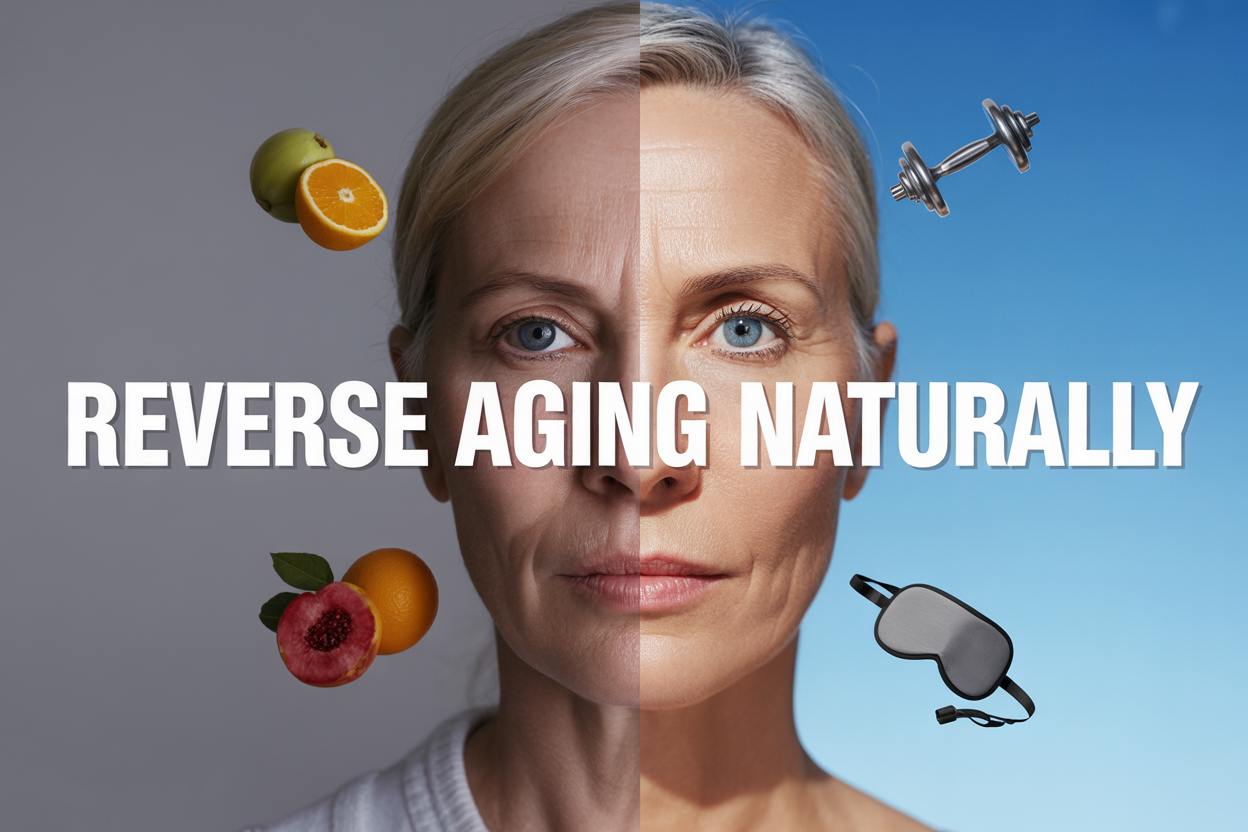
Your body sends clear messages when it’s aging faster than it should. Many people in their 30s, 40s, and 50s notice these warning signs but don’t realize they can take action to slow down and even reverse the process.
This guide is for anyone who’s concerned about premature aging and wants science-backed strategies to look and feel younger. You’ll discover practical ways to identify if your body is aging too fast and learn exactly what to do about it.
We’ll cover how to recognize the warning signs your body is aging prematurely – from persistent fatigue to skin changes that happen too early. You’ll also learn why your cells age faster than they should and discover the hidden factors that speed up aging. Most importantly, we’ll show you how to combat premature aging through strategic nutrition and simple lifestyle changes that can add years to your life and life to your years.
Stop accepting premature aging as inevitable. Your body has an amazing ability to repair and regenerate when you give it the right tools.
Recognize the Warning Signs Your Body Is Aging Prematurely

Identify chronic fatigue and unexplained energy crashes
Your body runs on a complex energy system, and when it starts breaking down faster than it should, fatigue becomes your first red flag. This isn’t the normal tiredness you feel after a long day – we’re talking about that bone-deep exhaustion that doesn’t go away with rest.
Watch for these specific patterns: waking up tired despite getting 7-8 hours of sleep, hitting energy walls around 2 PM that feel impossible to push through, or needing multiple cups of coffee just to function normally. Your mitochondria – the powerhouses of your cells – begin producing less ATP as premature aging accelerates, leaving you running on fumes.
Energy crashes after meals signal another warning. When your blood sugar regulation becomes less efficient due to cellular aging, you’ll experience dramatic dips that leave you foggy and sluggish. Pay attention if you find yourself needing naps more frequently or if simple tasks like climbing stairs leave you winded.
Spot changes in skin elasticity and premature wrinkles
Your skin tells the story of what’s happening inside your cells. Collagen production typically slows down at about 1% per year after age 25, but premature aging can accelerate this process dramatically.
Test your skin elasticity with a simple pinch test on the back of your hand. Healthy skin should bounce back immediately, but if it takes more than a few seconds to return to normal, you’re seeing accelerated aging in action. Look for these additional signs:
- Deep lines around your eyes and mouth appearing earlier than expected
- Sagging skin around your jawline or neck
- Dark spots or uneven pigmentation spreading rapidly
- Thinning skin that bruises easily
- Loss of that natural glow and plumpness
Sun damage compounds these effects, but internal factors like oxidative stress, poor nutrition, and chronic inflammation speed up the process from within. Your skin becomes a visible roadmap of cellular damage occurring throughout your body.
Notice declining memory and cognitive function
Your brain ages right alongside the rest of your body, and cognitive changes often appear before you realize what’s happening. Brain fog isn’t just stress – it’s often your neurons struggling with decreased blood flow, reduced neurotransmitter production, and accumulated cellular damage.
Early warning signs include forgetting names of people you’ve known for years, losing your train of thought mid-sentence, or struggling to find words that used to come easily. You might notice difficulty concentrating for extended periods or feeling mentally exhausted after tasks that used to be simple.
Processing speed becomes another telltale sign. If you find yourself taking longer to make decisions, struggling with multitasking, or feeling overwhelmed by information you could previously handle with ease, your cognitive aging may be accelerating. Sleep disturbances often amplify these issues, creating a cycle where poor rest leads to worse cognitive function.
Detect joint stiffness and reduced mobility
Your joints and muscles provide clear signals when aging accelerates beyond normal timelines. Morning stiffness that lasts more than 30 minutes, difficulty getting up from chairs, or pain when climbing stairs all point to faster-than-normal tissue breakdown.
Flexibility changes happen gradually, so you might not notice until you can’t reach things you used to or feel restricted during normal movements. Your range of motion decreases as cartilage wears down and connective tissues lose their elasticity.
Balance issues often accompany joint problems. If you feel unsteady on uneven surfaces, need to hold railings more often, or notice your coordination isn’t what it used to be, these changes reflect aging in your nervous system and musculoskeletal structure. Muscle mass also decreases more rapidly during premature aging, leaving you feeling weaker and less stable during daily activities.
Understand Why Your Cells Age Faster Than They Should
Discover how oxidative stress damages your cellular structure
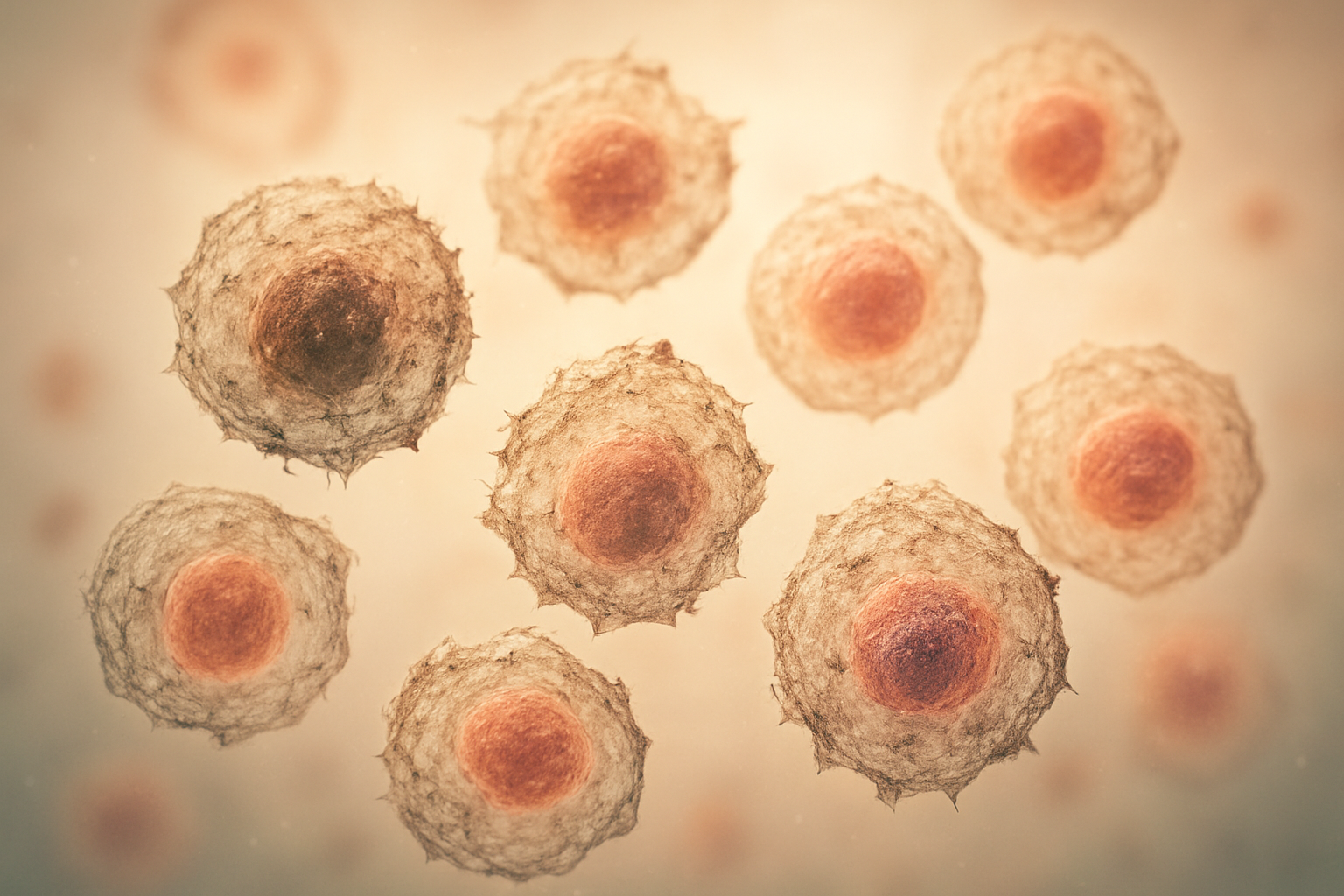
Your cells face constant attack from unstable molecules called free radicals. These rogue molecules have unpaired electrons that steal electrons from healthy cells, creating a destructive chain reaction that damages your DNA, proteins, and cell membranes.
Think of oxidative stress like rust slowly eating away at metal. Free radicals come from both internal processes (like breathing and metabolism) and external sources including pollution, UV radiation, processed foods, and cigarette smoke. When your body can’t neutralize these free radicals fast enough, they accumulate and wreak havoc on your cellular machinery.
The damage shows up as:
- Wrinkled, sagging skin from collagen breakdown
- Slower wound healing and tissue repair
- Decreased energy production in mitochondria
- Weakened immune system function
- Accelerated brain aging and memory decline
Your antioxidant defense system naturally weakens with age, making you more vulnerable to this cellular assault. The key is boosting your body’s natural defenses through antioxidant-rich foods like berries, dark leafy greens, and colorful vegetables.
Learn about inflammation’s role in accelerating aging
Chronic inflammation acts like a slow-burning fire inside your body, steadily destroying healthy tissue and accelerating the aging process. Unlike acute inflammation that helps heal injuries, chronic inflammation persists for months or years, constantly releasing inflammatory chemicals that damage your organs and systems.
This type of inflammation, called “inflammaging,” drives most age-related diseases including heart disease, diabetes, arthritis, and Alzheimer’s. The inflammatory molecules circulate throughout your bloodstream, attacking healthy cells and tissues indiscriminately.
Common inflammatory triggers include:
- Poor diet high in sugar and processed foods
- Chronic stress and lack of sleep
- Sedentary lifestyle
- Environmental toxins
- Excess body fat, especially around the midsection
- Hidden infections or food sensitivities
The inflammatory cascade also reduces your body’s ability to repair itself, creating a vicious cycle where damage accumulates faster than it can be fixed. Your immune system becomes overactive and starts attacking your own healthy tissues, leading to autoimmune conditions and faster cellular aging.
Recognize poor lifestyle habits that speed up cellular deterioration
Several everyday habits silently accelerate your cellular aging, often without obvious immediate symptoms. These habits compound over time, creating significant damage that becomes visible years later.
Sleep deprivation tops the list of aging accelerators. Poor sleep quality disrupts cellular repair processes, increases cortisol production, and reduces growth hormone release. Your cells literally can’t clean house and rebuild when you don’t get adequate restorative sleep.
Chronic stress floods your system with cortisol, which breaks down collagen, suppresses immune function, and damages telomeres – the protective caps on your chromosomes. Shortened telomeres directly correlate with accelerated aging and increased disease risk.
Sedentary behavior reduces circulation, weakens muscles, and slows lymphatic drainage. Your cells need movement to receive nutrients and remove waste products effectively. Sitting for extended periods also increases inflammation markers and insulin resistance.
Poor hydration impairs cellular function since your cells are roughly 70% water. Dehydration reduces nutrient transport, waste removal, and enzymatic reactions essential for cellular health.
| Aging Accelerator | Cellular Impact | Visible Signs |
|---|---|---|
| Sugar overconsumption | Glycation damage | Wrinkles, age spots |
| Excessive alcohol | Liver damage, dehydration | Dull skin, poor recovery |
| Processed foods | Inflammation, nutrient depletion | Fatigue, weight gain |
| Sun overexposure | DNA damage | Premature skin aging |
Combat Premature Aging Through Strategic Nutrition
Include antioxidant-rich foods that protect against free radicals
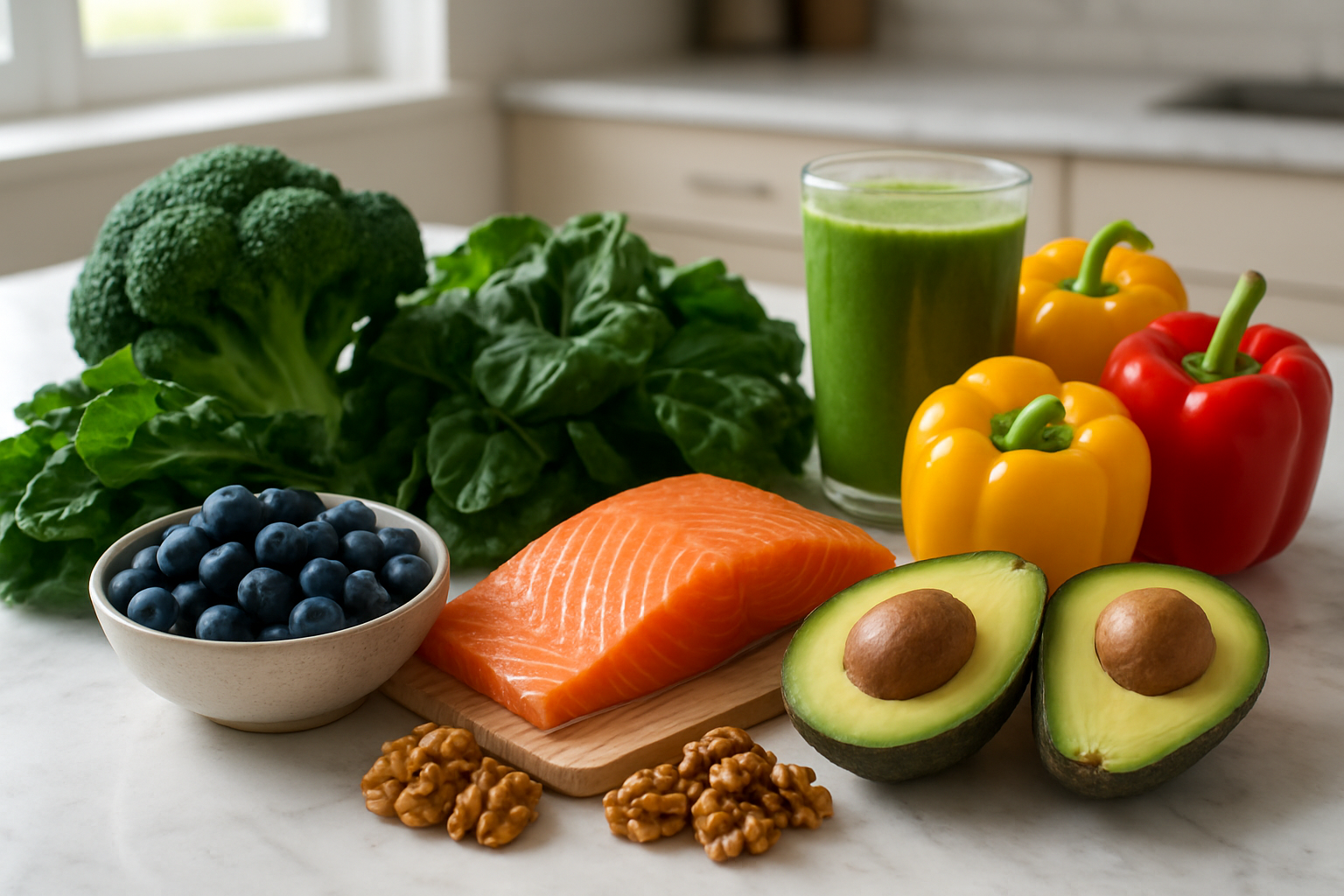
Your body fights a constant battle against free radicals – unstable molecules that damage your cells and accelerate aging. The good news is that certain foods pack powerful antioxidants that neutralize these harmful compounds before they wreak havoc on your system.
Berries top the list of antioxidant superstars. Blueberries, blackberries, and goji berries contain anthocyanins and vitamin C that protect your DNA from oxidative stress. Dark leafy greens like spinach and kale provide lutein and zeaxanthin, which guard against cellular damage throughout your body.
Green tea deserves a special mention for its EGCG content – a potent antioxidant that supports healthy aging at the cellular level. Aim for 2-3 cups daily to maximize benefits. Dark chocolate with at least 70% cacao content delivers flavonoids that improve blood flow and protect against inflammation.
Don’t overlook colorful vegetables either. Red bell peppers, purple cabbage, and orange sweet potatoes contain different antioxidant profiles that work together synergistically. The key is variety – eating a rainbow of colors ensures you get a broad spectrum of protective compounds.
Incorporate collagen-boosting nutrients for skin health
Collagen production naturally declines after age 25, but you can support your body’s ability to create this essential protein through smart nutrition choices. Vitamin C plays a crucial role in collagen synthesis, so load up on citrus fruits, strawberries, and bell peppers.
Bone broth provides collagen directly along with glycine and proline – amino acids your body needs to build new collagen fibers. Sip it warm or use it as a base for soups and stews. Fish rich in omega-3 fatty acids, like salmon and sardines, supply the building blocks for healthy skin structure.
Zinc and copper work as cofactors in collagen formation. You’ll find zinc in pumpkin seeds, chickpeas, and grass-fed beef, while copper comes from dark chocolate, cashews, and leafy greens. Silicon, found in cucumber skin and oats, helps strengthen connective tissue and maintain skin elasticity.
Consider adding collagen peptides to your morning coffee or smoothie. These easily absorbed proteins provide direct support for skin, joint, and bone health. Start with 10-15 grams daily and gradually increase if needed.
Add anti-inflammatory foods to reduce cellular damage
Chronic inflammation accelerates aging by damaging healthy cells and tissues. Combat this silent threat by filling your plate with foods that naturally reduce inflammatory markers in your body.
Fatty fish stands out as one of the most powerful anti-inflammatory foods available. Salmon, mackerel, and sardines contain EPA and DHA omega-3 fatty acids that actively fight inflammation. Aim for at least two servings per week, or consider a high-quality fish oil supplement.
Turmeric deserves recognition for its active compound curcumin, which rivals some pharmaceutical anti-inflammatories in potency. Pair it with black pepper to increase absorption, or try golden milk lattes for a delicious way to get your daily dose.
Extra virgin olive oil contains oleocanthal, a compound that mimics the anti-inflammatory effects of ibuprofen. Drizzle it on salads or use it for low-heat cooking to preserve its beneficial properties. Walnuts, flaxseeds, and chia seeds provide plant-based omega-3s that support your anti-inflammatory efforts.
Tart cherries contain natural compounds that reduce inflammation and support recovery. Fresh, frozen, or as unsweetened juice – all forms provide benefits for cellular health.
Optimize hydration levels for better cellular function
Water drives every cellular process in your body, yet most people live in a state of chronic mild dehydration that accelerates aging. Your cells need adequate hydration to transport nutrients, eliminate waste, and maintain optimal function.
Start your day with 16-20 ounces of water to jumpstart your metabolism and support cellular processes after hours of fasting. Throughout the day, aim for half your body weight in ounces – more if you exercise or live in a hot climate.
Quality matters as much as quantity. Filtered water removes chlorine and other chemicals that can burden your detoxification systems. Adding a pinch of high-quality sea salt or electrolyte powder helps your cells actually use the water you drink rather than just passing it through.
Hydrating foods count toward your daily intake too. Cucumber, watermelon, lettuce, and tomatoes provide water plus additional nutrients that support cellular health. Herbal teas like green tea and rooibos contribute to hydration while delivering antioxidants.
Monitor your hydration status by checking your urine color – pale yellow indicates proper hydration, while darker colors suggest you need more fluids. Your skin’s elasticity also reflects hydration levels – well-hydrated skin bounces back quickly when gently pinched.
Boost Your Energy and Vitality with Targeted Exercise

Build strength training routines that preserve muscle mass
Muscle mass naturally declines by 3-8% per decade after age 30, but resistance training can completely halt and even reverse this process. Your muscles are metabolic powerhouses that burn calories even at rest, support your joints, and maintain your physical independence as you age.
Start with compound movements that work multiple muscle groups simultaneously. Squats, deadlifts, push-ups, and rows give you the biggest bang for your buck. These exercises mirror real-life movements and trigger the release of growth hormone and testosterone, which are crucial for maintaining youthful vitality.
Progressive Overload Strategy:
- Week 1-2: Master proper form with bodyweight or light weights
- Week 3-4: Add resistance gradually (5-10% increases)
- Week 5-6: Increase sets or reps when current weight feels manageable
- Week 7-8: Focus on time under tension (slower, controlled movements)
Aim for 2-3 strength sessions per week, allowing 48 hours between training the same muscle groups. Your muscles rebuild and strengthen during rest periods, not during the workout itself.
Don’t skip the eccentric (lowering) phase of each movement. This portion of the exercise creates the most muscle-building stimulus and helps prevent age-related muscle fiber loss. A 3-second lowering phase followed by an explosive upward movement maximizes both strength and power development.
Include cardiovascular exercises that improve circulation
Poor circulation accelerates aging by reducing oxygen and nutrient delivery to your cells. Smart cardio choices boost blood flow, strengthen your heart, and enhance your body’s ability to clear metabolic waste products that contribute to cellular damage.
High-intensity interval training (HIIT) delivers superior anti-aging benefits compared to steady-state cardio. Short bursts of intense effort followed by recovery periods improve your VO2 max (oxygen utilization capacity) and increase mitochondrial density – the cellular powerhouses that produce energy.
Sample HIIT Protocol:
- 5-minute warm-up at moderate pace
- 30 seconds all-out effort
- 90 seconds active recovery
- Repeat 6-8 cycles
- 5-minute cool-down
Zone 2 cardio (conversational pace where you can still talk) should comprise 80% of your cardiovascular training. This intensity optimizes fat burning and improves your aerobic base without creating excessive stress hormones that can accelerate aging.
Mix different cardio modalities to prevent overuse injuries and maintain engagement. Swimming provides joint-friendly full-body conditioning, cycling builds leg strength while improving cardiovascular fitness, and brisk walking remains one of the most underrated longevity exercises.
Practice flexibility and mobility work for joint health
Stiff, immobile joints create compensatory movement patterns that accelerate wear and tear throughout your body. Daily mobility work maintains your range of motion and prevents the hunched, restricted posture that screams “old age.”
Dynamic stretching before workouts prepares your joints for movement and activates your nervous system. Leg swings, arm circles, and hip rotations increase blood flow and reduce injury risk while improving performance.
Essential Daily Mobility Routine (10 minutes):
- Cat-cow stretches for spinal mobility
- Hip circles and 90/90 stretches for hip flexibility
- Shoulder rolls and wall slides for upper body freedom
- Calf stretches and ankle circles for lower leg mobility
Static stretching after exercise when your muscles are warm provides the deepest improvements in flexibility. Hold each stretch for 30-60 seconds, breathing deeply to activate your parasympathetic nervous system and promote recovery.
Yoga or tai chi classes combine flexibility work with balance training and stress reduction. These practices improve proprioception (body awareness) and coordination, reducing fall risk while promoting mental calm. The mind-body connection developed through these activities helps you tune into your body’s signals and respond to them appropriately.
Optimize Your Sleep and Recovery for Cellular Repair

Establish consistent sleep schedules for hormone regulation
Your internal clock doesn’t negotiate. When you go to bed at 10 PM Monday night and 1 AM Tuesday night, you’re essentially giving your hormones whiplash. Your body produces growth hormone, melatonin, and cortisol based on predictable patterns, and erratic sleep schedules throw this delicate system into chaos.
Growth hormone peaks during deep sleep phases, typically occurring in the first few hours after falling asleep. This hormone repairs cellular damage, builds muscle tissue, and maintains your metabolism. When your sleep timing varies wildly, you miss these crucial repair windows, accelerating the aging process at a cellular level.
Start by setting a non-negotiable bedtime and wake time, even on weekends. Your circadian rhythm needs about two weeks to fully adapt to a new schedule, so consistency beats perfection during this transition period. If you’re currently sleeping at midnight, don’t suddenly jump to 9 PM. Move your bedtime back by 15-30 minutes each night until you reach your target time.
Track your energy levels and mood for the first month. You’ll notice improvements in mental clarity, skin appearance, and overall vitality as your hormone production stabilizes.
Create an environment that promotes deep restorative sleep
Your bedroom environment directly impacts sleep quality and the depth of cellular repair that occurs overnight. Room temperature plays a massive role – your body needs to cool down by 2-3 degrees to initiate sleep. Keep your bedroom between 65-68°F for optimal conditions.
Darkness triggers melatonin production, but even small amounts of light can disrupt this process. Cover LED lights on electronics, invest in blackout curtains, and consider wearing an eye mask. Blue light from phones and tablets suppresses melatonin for up to three hours after exposure, so establish a digital sunset at least two hours before bed.
Sound management matters just as much. Sudden noises during deep sleep stages fragment your rest and reduce growth hormone release. White noise machines or earplugs can maintain the consistent audio environment your brain needs for uninterrupted recovery cycles.
Your mattress and pillows directly affect sleep posture and circulation. Replace your mattress every 7-8 years and pillows every 1-2 years. Poor sleep positioning restricts blood flow and oxygen delivery to tissues, hindering the cellular repair process that reverses aging damage.
Implement stress reduction techniques that lower cortisol levels
Chronic stress pumps cortisol through your system, breaking down collagen, suppressing immune function, and accelerating cellular aging. Evening cortisol levels should naturally decline to prepare your body for restorative sleep, but stress keeps this hormone elevated when it should be dropping.
Progressive muscle relaxation works by systematically tensing and releasing muscle groups, signaling your nervous system to shift into recovery mode. Start with your toes and work upward, holding tension for five seconds before releasing. This technique can reduce cortisol levels by up to 25% within 20 minutes.
Breathing exercises activate your parasympathetic nervous system, the body’s natural relaxation response. Try the 4-7-8 technique: inhale for four counts, hold for seven, exhale for eight. Repeat this cycle four times before bed. This pattern slows your heart rate and reduces cortisol production.
Meditation doesn’t require hours of practice to be effective. Even five minutes of mindfulness before bed can lower stress hormones and improve sleep quality. Focus on your breath or use guided meditation apps designed specifically for sleep preparation.
Keep a worry journal beside your bed. Write down concerns for tomorrow, then mentally set them aside. This simple practice prevents your mind from cycling through problems during the night, reducing cortisol spikes that interfere with cellular repair processes.
Track Your Progress and Maintain Long-Term Success

Monitor key biomarkers that indicate aging reversal
Blood work becomes your crystal ball for aging reversal. Get tested every 3-6 months for inflammatory markers like C-reactive protein, which should drop as your anti-aging efforts take hold. Your telomere length, measured through specialized tests, reveals cellular aging – longer telomeres mean younger cells.
Watch your HbA1c levels drop below 5.7% as metabolic health improves. Testosterone (for men) and estrogen balance (for women) should stabilize within healthy ranges. IGF-1 levels between 100-200 ng/mL indicate optimal growth hormone function without excess.
Resting heart rate variability increases as your nervous system recovers. Track it with wearable devices – higher HRV scores mean better stress resilience. Your VO2 max should improve monthly with consistent exercise, showing cardiovascular rejuvenation.
Simple home measurements matter too. Grip strength increases predict longevity better than most fancy tests. Measure yours monthly with a dynamometer. Your waist-to-hip ratio should improve as visceral fat melts away.
Adjust your anti-aging strategies based on results
Your body talks – listen to what the data tells you. Stubborn inflammation markers? Double down on omega-3 fatty acids and consider adding turmeric supplements. Poor sleep metrics despite good habits? Your magnesium might need tweaking, or your bedroom temperature could be off.
Plateaued energy levels suggest it’s time to cycle your exercise routine. Switch from steady cardio to high-intensity intervals, or add resistance training if you’ve been avoiding it. Your muscles adapt quickly – keep them guessing.
Hormonal imbalances call for targeted nutrition changes. Low testosterone might improve with more zinc-rich foods and vitamin D optimization. Thyroid markers off track? Check your iodine intake and consider reducing goitrogenic foods like raw cruciferous vegetables.
Genetic testing reveals your unique aging vulnerabilities. APOE4 carriers benefit from different strategies than those without this gene variant. MTHFR mutations require specific B-vitamin forms. Personalized medicine beats one-size-fits-all approaches every time.
Build sustainable habits for lifelong vitality
Small daily actions create massive long-term results. Start each morning with 10 minutes of sunlight exposure to regulate circadian rhythms. This single habit improves sleep quality, hormone production, and mood regulation without requiring gym memberships or expensive supplements.
Meal timing matters as much as food choices. Eating within an 8-12 hour window naturally supports cellular cleanup processes. Pick a schedule you can maintain for years, not months. Whether that’s 8 AM to 6 PM or 10 AM to 8 PM depends on your lifestyle, not some guru’s rules.
Movement becomes medicine when woven into daily life. Take stairs instead of elevators. Park farther away. Have walking meetings. These micro-workouts accumulate into significant health benefits without disrupting busy schedules.
Social connections fuel longevity more than most realize. Schedule regular friend dates, join hobby groups, or volunteer for causes you care about. Loneliness accelerates aging faster than smoking or obesity. Your calendar should reflect this priority.
Create environment triggers that support healthy choices. Keep nuts and fruits visible while hiding processed snacks. Place workout clothes by your bed. Remove apps that steal your sleep time. Your willpower has limits – engineer your surroundings to work with you, not against you.
Celebrate improvements in energy and physical appearance
Your energy levels tell the real story of aging reversal. Notice how you bound up stairs that once left you breathless. That afternoon energy crash disappears as mitochondrial function improves. You wake up naturally before alarms, feeling refreshed rather than groggy.
Mirror changes happen gradually, then suddenly. Skin tone evens out as inflammation decreases. Fine lines soften when cellular repair kicks into high gear. Hair thickness often improves with better nutrient absorption and reduced stress hormones.
Mental sharpness returns with proper sleep and nutrition. You remember names more easily, focus longer on complex tasks, and think more creatively. Brain fog lifts as blood sugar stabilizes and chronic inflammation subsides.
Take progress photos monthly – same lighting, same poses, same time of day. Physical changes often escape daily notice but become obvious in side-by-side comparisons. Measure body composition, not just weight. Muscle gain while losing fat creates dramatic visual improvements even when the scale stays steady.
Track non-scale victories religiously. Better sleep scores, improved mood ratings, increased strength numbers, and enhanced endurance metrics matter more than appearance alone. These improvements cascade into every area of life, from work performance to relationship quality.
Share your wins with supportive friends or online communities. Celebrating progress reinforces positive behaviors and inspires others starting their own aging reversal journey.

Your body is constantly sending you messages about how well you’re aging, and now you know exactly what to look for. From energy crashes and joint pain to poor sleep and slow recovery, these warning signs don’t have to be your new normal. The good news is that premature aging isn’t set in stone – your daily choices around nutrition, exercise, and sleep can literally turn back the clock at a cellular level.
The path to reversing these aging signals starts with small, consistent changes today. Focus on nutrient-dense foods that fight inflammation, move your body in ways that challenge and strengthen it, and prioritize quality sleep like your life depends on it – because it does. Track what works for you and stick with it long enough to see real changes. Your future self will thank you for taking action now rather than waiting for these signals to get louder.

Saurabh Kumar is the founder of SaurabhOrbit.com, a hub for tech news, digital marketing insights, and expert blogging advice. With a deep passion for technology and digital strategies, Saurabh simplifies complex trends into actionable insights for readers looking to stay ahead in the digital world. My mission is to empower entrepreneurs, tech enthusiasts, and marketers with the latest tools and knowledge to thrive in the online space.