Most people chase passive income dreams but end up frustrated, broke, or both. The harsh truth? 99% of people fail at passive income because they fall for get-rich-quick schemes or don’t understand what actually generates sustainable, hands-off revenue.
This guide is for working professionals, side hustlers, and anyone tired of trading time for money who wants to build real wealth through proven passive income methods.
You’ll discover why most passive income attempts crash and burn, including the biggest myths that keep people stuck in the rat race. We’ll break down 10 legitimate passive income strategies that actually work, from dividend-paying stocks and REITs to creating digital products and rental income opportunities. You’ll also learn the upfront work required for each method and realistic timelines for seeing returns.
Stop wasting time on passive income fantasies. Let’s focus on what actually builds wealth while you sleep.
High-Yield Savings Accounts and CDs

Best Online Banks Offering Competitive Rates
Online banks consistently outperform traditional brick-and-mortar institutions when it comes to savings account yields. Marcus by Goldman Sachs typically offers rates 10-15 times higher than traditional banks, with no minimum balance requirements and no monthly fees. Ally Bank stands out for its user-friendly interface and competitive rates across all account types, while American Express Personal Savings provides excellent customer service alongside attractive yields.
Capital One 360 offers a solid combination of high rates and convenient mobile banking features. CIT Bank’s Platinum Savings requires a higher minimum balance but rewards customers with premium rates. These online banks can afford higher rates because they save money on physical branches and pass those savings directly to customers.
When comparing banks, look beyond just the advertised rate. Check for monthly maintenance fees, minimum balance requirements, and how often the bank changes its rates. Some banks offer promotional rates that drop after a few months, so read the fine print carefully.
Certificate of Deposit Laddering Strategies
CD laddering transforms the traditional weakness of certificates of deposit – locked-in money – into a strategic advantage. Instead of putting all your money into one CD, you split it across multiple CDs with different maturity dates. This creates regular opportunities to reinvest at potentially higher rates while maintaining liquidity.
Here’s how a basic 5-year ladder works: divide your money into five equal portions. Put one portion into a 1-year CD, another into a 2-year CD, and so on up to a 5-year CD. When the 1-year CD matures, reinvest it into a new 5-year CD. Repeat this process each year, and eventually you’ll have a 5-year CD maturing every year while earning the higher rates that longer-term CDs typically offer.
| CD Ladder Example | Initial Term | Amount | Action at Maturity |
|---|---|---|---|
| CD 1 | 1 Year | $2,000 | Reinvest in 5-year CD |
| CD 2 | 2 Years | $2,000 | Reinvest in 5-year CD |
| CD 3 | 3 Years | $2,000 | Reinvest in 5-year CD |
| CD 4 | 4 Years | $2,000 | Reinvest in 5-year CD |
| CD 5 | 5 Years | $2,000 | Reinvest in 5-year CD |
Advanced laddering strategies include using different types of CDs (bump-up CDs, callable CDs) or creating mini-ladders with 3-month or 6-month intervals for even greater flexibility.
Money Market Accounts for Higher Returns
Money market accounts bridge the gap between savings accounts and CDs, offering higher interest rates than traditional savings while maintaining easier access to your funds. These accounts typically require higher minimum balances – often $1,000 to $10,000 – but provide competitive yields that can rival or exceed many CDs.
The key advantage of money market accounts lies in their flexibility. You can usually write checks or use a debit card, making them perfect for emergency funds that need to earn decent returns while remaining accessible. Many money market accounts offer tiered interest rates, meaning larger balances earn progressively higher rates.
Top-performing money market accounts include offerings from Sallie Mae Bank, which consistently ranks among the highest yielders, and Discover Bank, which combines competitive rates with excellent customer service. Credit unions often provide exceptional money market rates for their members, sometimes beating even the best online banks.
Watch out for accounts with promotional rates that drop significantly after an introductory period. Also, be aware of monthly transaction limits – federal regulations typically limit certain types of withdrawals to six per month.
Automated Savings Plans for Consistent Growth
Automation removes the biggest obstacle to building passive income through savings: human behavior. Setting up automatic transfers from your checking account to high-yield savings ensures consistent growth without requiring willpower or remembering to make manual transfers.
Start with a comfortable amount – even $25 per week adds up to $1,300 annually. Many banks allow you to schedule transfers on specific days, such as right after payday, making the process seamless. Some employers offer direct deposit splitting, allowing you to automatically send a portion of each paycheck directly to your high-yield savings account.
Round-up programs take automation further by investing your spare change. Apps like Qapital and Acorns round up purchases to the nearest dollar and transfer the difference to your savings or investment account. While the amounts seem small, they accumulate surprisingly quickly – the average user saves $30-50 monthly through round-ups alone.
Consider setting up multiple automated savings buckets for different goals: emergency fund, vacation fund, and longer-term savings. This psychological separation makes it easier to avoid dipping into funds designated for specific purposes while maximizing the compound growth potential across all your savings goals.
The beauty of automated savings lies in its “set it and forget it” nature – you’re building passive income without active management, creating a foundation that supports more aggressive passive income strategies down the road.
Dividend-Paying Stocks and ETFs

Blue-chip dividend aristocrats for beginners
Blue-chip dividend aristocrats represent the gold standard of dividend investing. These companies have increased their dividend payments for at least 25 consecutive years, proving their ability to generate consistent cash flow even during economic downturns. The S&P 500 Dividend Aristocrats index includes household names like Coca-Cola, Johnson & Johnson, and Procter & Gamble.
Starting with dividend aristocrats offers several advantages for beginners. These companies typically have strong balance sheets, predictable business models, and management teams committed to returning cash to shareholders. Their track record of consistent dividend increases means you’re investing in businesses that prioritize shareholder returns alongside growth.
When selecting individual aristocrats, focus on companies with dividend yields between 2-4% and payout ratios below 60%. Higher yields might seem attractive, but they often signal potential dividend cuts. Companies like Microsoft and Apple may not be aristocrats yet, but their growing dividends and strong fundamentals make them excellent additions to a dividend portfolio.
Consider diversifying across sectors to reduce risk. Consumer staples, healthcare, and utilities typically offer stable dividends, while financial services and technology companies may provide higher growth potential. Start with 8-12 positions to achieve adequate diversification without overwhelming your portfolio management efforts.
Dividend ETFs for instant diversification
Dividend ETFs solve the problem of individual stock selection by providing immediate exposure to dozens or hundreds of dividend-paying companies. Popular options include the Vanguard Dividend Appreciation ETF (VIG), SPDR S&P Dividend ETF (SDY), and iShares Select Dividend ETF (DVY).
Each ETF follows different strategies. VIG focuses on companies with at least 10 years of consecutive dividend increases, offering lower current yield but higher growth potential. SDY tracks the S&P High Yield Dividend Aristocrats, providing higher current income from established dividend payers. DVY targets the highest-yielding stocks in the market, suitable for income-focused investors.
| ETF | Expense Ratio | Dividend Yield | Holdings | Focus |
|---|---|---|---|---|
| VIG | 0.06% | 1.8% | 300+ | Dividend Growth |
| SDY | 0.35% | 2.5% | 130+ | Aristocrats |
| DVY | 0.38% | 3.2% | 100+ | High Yield |
International dividend ETFs like Vanguard International Dividend Appreciation ETF (VIGI) add geographic diversification. These funds expose you to dividend-paying companies in developed markets outside the United States, reducing your dependence on the American economy.
Monthly dividend ETFs offer more frequent income distributions, appealing to retirees or those seeking regular cash flow. However, remember that total return matters more than distribution frequency for long-term wealth building.
DRIP programs to compound your returns
Dividend Reinvestment Plans (DRIPs) automatically use your dividend payments to purchase additional shares, harnessing the power of compound growth. Most major brokerages offer automatic dividend reinvestment at no extra cost, making this strategy accessible to all investors.
The mathematics of compounding becomes powerful over time. A $10,000 investment in a stock yielding 3% annually, with dividends reinvested, grows to approximately $18,000 after 20 years. Without reinvestment, you’d have only $16,000 – a difference of $2,000 from compound growth alone.
DRIPs work particularly well with fractional shares. When your $50 dividend payment buys 1.3 shares of a $38 stock, you own that 0.3 fractional share, which continues generating dividends. This efficiency maximizes your compound growth potential.
Some companies offer direct DRIP programs with additional benefits like discounted share purchases or waived fees. However, most investors find brokerage-based DRIPs more convenient since they can manage multiple investments in one account.
Track your cost basis carefully when using DRIPs. Each reinvested dividend creates a new tax lot with its own purchase date and price, affecting your capital gains calculations when you eventually sell. Most brokerages provide detailed records, but maintaining your own spreadsheet helps during tax preparation.
Real Estate Investment Trusts (REITs)

Publicly traded REITs for easy entry
Getting started with REITs doesn’t require you to buy an entire apartment building or become a landlord. Publicly traded REITs trade on major stock exchanges just like regular stocks, making them incredibly accessible for everyday investors. You can buy shares through any standard brokerage account with as little as $100 or even less.
The beauty of publicly traded REITs lies in their liquidity. Unlike owning physical real estate where selling takes months, you can trade REIT shares during market hours instantly. This flexibility makes REITs perfect for people who want real estate exposure without the headaches of property management, tenant issues, or massive capital requirements.
Most major brokerages offer commission-free trading on REIT shares, and many REITs offer dividend reinvestment programs (DRIPs) that automatically reinvest your dividends back into more shares. This compound growth effect can significantly boost your long-term returns without any additional effort on your part.
Different REIT sectors and their benefits
REITs aren’t one-size-fits-all investments. Different sectors offer unique advantages based on economic conditions and your investment goals.
Residential REITs focus on apartment complexes, single-family rentals, and manufactured housing. These typically provide stable income since people always need places to live, making them relatively recession-resistant.
Commercial REITs invest in office buildings, retail spaces, and shopping centers. While they can offer higher yields during good economic times, they’re more sensitive to economic downturns and changing work patterns like remote work trends.
Industrial REITs own warehouses, distribution centers, and manufacturing facilities. The e-commerce boom has made these incredibly popular, with companies like Amazon driving demand for logistics real estate.
Healthcare REITs specialize in hospitals, medical office buildings, and senior living facilities. With an aging population, these offer long-term growth potential and typically sign long-term leases with stable tenants.
Data Center REITs capitalize on our digital world by owning the facilities that house servers and networking equipment. As cloud computing grows, these REITs benefit from consistent, long-term contracts with tech companies.
How to evaluate REIT performance
Smart REIT investing goes beyond just looking at the dividend yield. Here are the key metrics that separate successful REIT investors from those who get burned:
Funds From Operations (FFO) is the REIT equivalent of earnings per share. Since REITs depreciate their properties on paper (even though real estate often appreciates), FFO adds back depreciation to give you a clearer picture of actual cash generation. Look for REITs with growing FFO over time.
Adjusted Funds From Operations (AFFO) takes FFO one step further by subtracting capital expenditures needed to maintain properties. This gives you the truest measure of distributable cash flow.
Debt-to-equity ratios matter enormously in real estate. REITs with too much debt can struggle when interest rates rise or property values decline. Generally, look for debt-to-equity ratios below 40%.
Occupancy rates tell you how well-managed the properties are. High-quality REITs typically maintain occupancy rates above 90%, even during economic downturns.
Net Asset Value (NAV) helps determine if a REIT is trading at a discount or premium to its underlying real estate value. REITs trading below NAV might represent good buying opportunities.
Tax implications and advantages
REITs offer some unique tax benefits, but they also come with important considerations that can catch investors off-guard.
The biggest advantage is that REITs don’t pay corporate income tax as long as they distribute at least 90% of their taxable income to shareholders. This pass-through structure means more money flows to investors rather than getting trapped at the corporate level.
However, REIT dividends are generally taxed as ordinary income, not qualified dividends. This means you’ll pay your regular income tax rate on REIT distributions, which could be significantly higher than the preferential rates on stock dividends.
The silver lining comes through the Section 199A deduction, which allows many investors to deduct up to 20% of their REIT dividend income from their taxable income. This effectively reduces the tax bite for many middle and upper-middle-class investors.
REIT investments work particularly well in tax-advantaged accounts like IRAs and 401(k)s, where you won’t pay taxes on the distributions until retirement (traditional accounts) or potentially never (Roth accounts).
Keep detailed records of your REIT investments, as some distributions might be classified as return of capital, which reduces your cost basis rather than creating immediate taxable income. This complexity makes tax-advantaged accounts even more attractive for REIT investing.
Peer-to-Peer Lending Platforms
Top P2P Lending Platforms Comparison
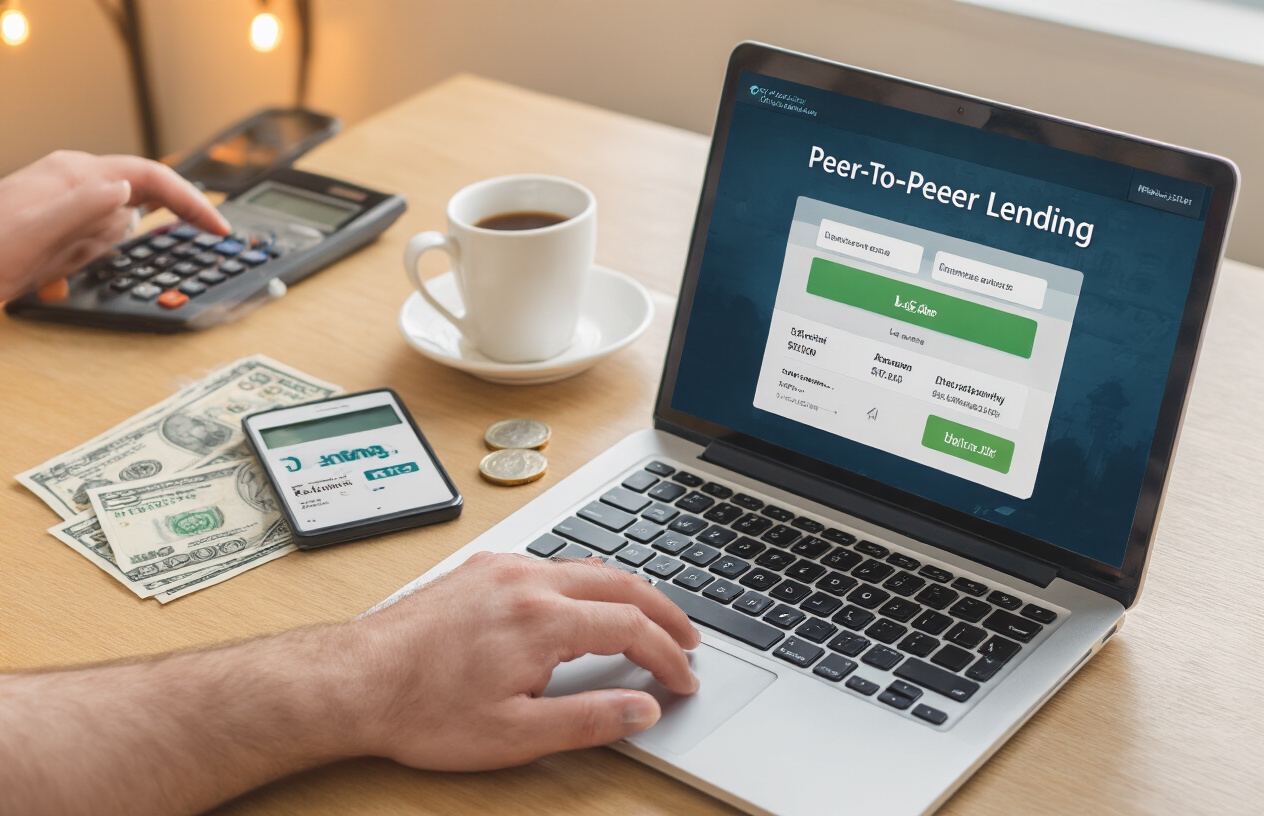
The P2P lending landscape offers several solid options for investors looking to diversify their passive income streams. LendingClub stands out as the largest platform, offering personal loans with historical returns ranging from 4-7% annually. Their automated investing feature spreads your money across multiple loans, reducing individual borrower risk.
Prosper operates similarly to LendingClub but focuses more heavily on debt consolidation loans. They’ve streamlined their risk assessment process and typically offer returns between 3-6%. The platform requires a minimum investment of just $25 per loan note.
Funding Circle targets small business lending, which historically generates higher returns of 6-9% but comes with increased risk. They provide detailed business financials and cash flow projections for each loan opportunity.
Kiva offers a unique socially responsible approach, focusing on microfinance loans to entrepreneurs in developing countries. While returns are typically 0-3%, the social impact component attracts many investors.
| Platform | Minimum Investment | Expected Returns | Focus Area |
|---|---|---|---|
| LendingClub | $25 | 4-7% | Personal loans |
| Prosper | $25 | 3-6% | Debt consolidation |
| Funding Circle | $500 | 6-9% | Small business |
| Kiva | $25 | 0-3% | Microfinance |
Risk Assessment and Diversification Strategies
P2P lending carries inherent risks that smart investors actively manage through diversification and careful platform selection. Default risk represents your biggest concern – when borrowers can’t repay their loans, you lose money. Platform default rates typically range from 2-8%, depending on loan grades and economic conditions.
Diversification across loan grades reduces your overall risk exposure. Instead of chasing high-return, high-risk loans, spread investments across A-grade (lower risk, 3-5% returns) and B-C grade loans (moderate risk, 5-8% returns). Avoid putting more than 1-2% of your total investment in any single loan.
Platform risk exists when lending platforms face financial difficulties or regulatory changes. The industry has seen several platform closures over the years. Diversifying across 2-3 different platforms protects against this scenario.
Economic cycle risk affects all P2P lending. During recessions, default rates spike dramatically. Keep 3-6 months of emergency funds separate from P2P investments, and avoid borrowing money to invest in these platforms.
Geographic and sector diversification matters too. If you’re using Funding Circle for business loans, don’t concentrate everything in one industry or region. Mix restaurant loans with tech startups and manufacturing businesses.
Expected Returns and Fee Structures
Realistic return expectations help you make smart investment decisions in P2P lending. Most platforms generate net returns of 3-7% annually after accounting for defaults and fees. This beats savings accounts but lags behind stock market returns.
Fee structures vary significantly across platforms. LendingClub charges a 1% annual service fee on outstanding loan balances. Prosper takes a 0.5-1% servicing fee depending on your investment level. Funding Circle charges 1.5-2% annually but offers higher potential returns to offset this cost.
Origination fees get passed to borrowers, not investors, but they affect loan demand and default rates. Higher fees can drive away quality borrowers, leaving platforms with riskier loan pools.
Tax considerations impact your real returns. P2P lending income gets taxed as ordinary income, not capital gains. This makes P2P lending less tax-efficient than dividend stocks or real estate investments. Consider holding P2P investments in tax-advantaged accounts like IRAs when possible.
Liquidity limitations represent a hidden cost. Unlike stocks or bonds, P2P loans typically can’t be sold easily before maturity. Some platforms offer secondary markets, but they charge additional fees and you might sell at a discount. Plan to hold P2P investments for their full 3-5 year terms.
Compounding effects work in your favor when you reinvest monthly payments into new loans. This can boost your effective annual returns by 0.5-1% over time, assuming you maintain consistent investment levels and diversification strategies.
Create and Sell Digital Products

Online courses and educational content
Creating online courses represents one of the most scalable forms of passive income. Once you build and launch a course, students can enroll 24/7 without your direct involvement. Platforms like Teachable, Udemy, and Kajabi handle payment processing, student management, and content delivery.
The key to success lies in identifying problems you can solve. Look for skills gaps in your industry or teach what you already know well. A marketing professional might create courses on social media strategy, while a fitness enthusiast could teach home workout routines. Price points vary dramatically – technical courses often command $200-$500, while hobby-based content might sell for $50-$150.
Video content performs best, but don’t let production quality paralyze you. Students value clear instruction over Hollywood cinematography. Screen recordings, simple slide presentations, and basic webcam setups work perfectly. Most successful course creators start simple and reinvest profits into better equipment.
Stock photography and digital art
Visual content creators can monetize their work through stock photography platforms like Shutterstock, Adobe Stock, and Getty Images. Every download generates royalty payments, creating true passive income from past creative work.
High-demand categories include business concepts, lifestyle photography, and seasonal content. Generic images of people working, celebrating, or using technology consistently outperform artistic shots. Think commercial applications – what would a small business owner need for their website or marketing materials?
Digital artists can sell illustrations, icons, and design elements. Platforms like Creative Market and Etsy cater to designers seeking ready-made graphics. Social media templates, logo elements, and printable art perform particularly well. Price your individual items between $1-$15, but consider bundling related pieces for higher revenue per sale.
Building a substantial portfolio takes time – successful photographers often have thousands of images available. Focus on consistent uploads and trending topics. Seasonal content uploaded months in advance captures peak demand periods.
E-books and guides in profitable niches
Self-publishing has democratized book publishing, allowing anyone to reach global audiences through Amazon Kindle Direct Publishing, Apple Books, and other platforms. The beauty of digital books lies in infinite inventory – each sale costs nothing to fulfill.
Profitable niches often center around solving specific problems or teaching specialized skills. Personal finance, health and wellness, relationship advice, and professional development consistently perform well. Research competitor books to identify gaps you could fill with unique perspectives or approaches.
Writing quality matters more than length. Readers prefer concise, actionable content over verbose explanations. Many successful e-books range from 10,000-25,000 words. Focus on delivering genuine value rather than hitting arbitrary word counts.
Pricing strategies vary by niche. Romance novels might sell for $2.99, while business guides command $9.99 or higher. Amazon’s royalty structure rewards books priced between $2.99-$9.99 with 70% royalties, versus 35% for lower-priced titles.
Marketing drives sales more than platform algorithms. Build an email list, engage on social media, and consider running targeted ads. Many authors use free promotional periods to boost visibility and gather reviews.
Templates and digital tools
Business owners and content creators constantly seek time-saving solutions. Digital templates for presentations, social media posts, spreadsheets, and documents can generate consistent passive income.
Popular template categories include:
- PowerPoint presentation designs
- Instagram story and post templates
- Budget and planning spreadsheets
- Resume and cover letter formats
- Email marketing templates
- Website mockups and wireframes
Platforms like Etsy, Creative Market, and Gumroad make selling straightforward. Price individual templates between $5-$25, or create bundles for $30-$75. The key lies in understanding your target audience’s specific needs and pain points.
Software-savvy creators can develop simple digital tools like calculators, generators, or basic apps. Mortgage calculators, color palette generators, or social media schedulers solve common problems while generating ongoing revenue through ads or premium features.
Licensing your intellectual property
Converting your expertise into licensable intellectual property creates long-term passive income streams. This might include proprietary methodologies, frameworks, assessment tools, or educational curricula that other professionals can use in their businesses.
Training companies often license proven course materials rather than developing content from scratch. If you’ve created successful training programs, workshops, or certification processes, other trainers might pay licensing fees to use your materials.
Software developers can license code libraries, plugins, or entire applications to other developers or companies. Even simple WordPress plugins or mobile app templates generate recurring licensing revenue.
Licensing agreements vary widely but typically involve upfront payments plus ongoing royalties. Some arrangements include minimum annual payments, ensuring steady income regardless of usage levels. Protecting your intellectual property through proper legal documentation becomes essential as licensing revenue grows.
The most successful licensing arrangements solve widespread problems across entire industries. A consultant who develops a unique project management methodology might license it to consulting firms worldwide, creating passive income that scales far beyond individual client work.
Affiliate Marketing Through Content Creation

Choosing profitable niches and products
Success in affiliate marketing starts with picking the right battlefield. Most people jump into overcrowded spaces like weight loss or make money online, where competition is fierce and trust is scarce. Smart affiliate marketers look for niches with three key characteristics: passionate audiences, recurring problems, and decent commission rates.
Think about hobbies with dedicated communities – woodworking, aquarium keeping, or specialty cooking. These audiences actively seek solutions and recommendations from trusted sources. They’re willing to invest in quality products because their passion drives purchasing decisions.
Research potential products using tools like Amazon’s Best Sellers lists, Google Trends, and social media groups. Look for products with consistent demand rather than fleeting trends. Recurring purchases work particularly well – consumables, software subscriptions, or items that need regular replacement.
Check commission structures carefully. A $500 course with 30% commission beats a $50 gadget with 5% commission every time. Digital products typically offer higher margins than physical goods, making them attractive for long-term income generation.
Building authority through blogging
Authority doesn’t happen overnight, but consistent, valuable content creates compound returns. Start by solving real problems your audience faces. Skip the fluff and get straight to actionable advice people can implement immediately.
Document your own journey when possible. Personal experiences resonate more than generic advice copied from other sources. Share your wins, failures, and lessons learned. This authenticity builds trust faster than perfect but impersonal content.
Create comprehensive resource posts that become go-to references in your niche. These pillar pieces attract backlinks naturally and establish your expertise. Update them regularly to maintain accuracy and freshness.
Guest posting on established blogs in your niche expands your reach while building credibility. Focus on publications your target audience already reads and trusts. Quality over quantity applies here – one well-placed guest post beats ten on obscure sites.
SEO matters, but don’t sacrifice readability for keyword stuffing. Write for humans first, search engines second. Google’s algorithm increasingly favors content that genuinely helps users solve problems.
YouTube channel monetization strategies
YouTube offers multiple income streams beyond basic ad revenue. Affiliate marketing through video content often outperforms written reviews because viewers see products in action.
Product reviews and tutorials work exceptionally well for affiliate promotions. Show the product being used, highlight benefits and drawbacks honestly, and include your affiliate links in descriptions. Transparency builds trust – always disclose your affiliate relationships clearly.
Create series content around specific themes or challenges. This keeps viewers coming back and increases the chances they’ll trust your recommendations over time. Consistency in posting schedule helps build audience expectations.
Live streams create immediate connection with your audience and provide real-time opportunities to discuss products and answer questions. Super Chat donations and direct product recommendations during live sessions can generate significant revenue.
Collaborate with other creators in complementary niches. Cross-promotion exposes your content to new audiences already interested in related topics. Joint reviews or comparison videos work particularly well for affiliate marketing.
Email marketing for affiliate success
Email marketing remains the highest-converting channel for affiliate promotions because you own the relationship. Social media platforms change algorithms, but your email list stays yours.
Build your list by offering genuine value – free guides, checklists, or exclusive content. Avoid the common mistake of immediately pitching products to new subscribers. Nurture the relationship first.
Segment your email list based on interests and behaviors. Someone who downloaded a beginner’s guide needs different recommendations than an advanced practitioner. Targeted emails convert significantly better than generic broadcasts.
Share personal stories and experiences with products before making recommendations. People buy from those they trust, and trust comes from authentic sharing. Explain why you use specific products and how they’ve helped you.
Create email sequences that naturally lead to product recommendations. Educational content mixed with soft promotions works better than constant sales pitches. The 80/20 rule applies – 80% value, 20% promotion.
Track your email metrics closely. Open rates, click-through rates, and conversion rates tell you what resonates with your audience. Test different subject lines, send times, and content formats to optimize performance continuously.
Rental Income Opportunities

Traditional Real Estate Rental Properties
Buying rental properties remains one of the most proven ways to build wealth, though it requires significant upfront capital and ongoing management. The key is finding properties in areas with strong rental demand and appreciation potential. Look for neighborhoods near universities, hospitals, or growing business districts where tenants consistently need housing.
Your monthly rental income should exceed your mortgage, insurance, taxes, and maintenance costs by at least 15-20% to account for vacancies and unexpected repairs. Many successful investors follow the 1% rule – where monthly rent equals 1% of the purchase price – though this benchmark varies by market.
Property management companies can handle tenant screening, rent collection, and maintenance for 8-12% of rental income. While this reduces your profit margin, it transforms your investment into truly passive income. Without professional management, you’ll spend time dealing with late-night repair calls and tenant disputes.
Consider starting with single-family homes or small multi-unit properties. They’re easier to finance and manage than large apartment complexes. Real estate also provides tax benefits through depreciation deductions, mortgage interest write-offs, and the ability to defer capital gains through 1031 exchanges.
Airbnb and Short-Term Rental Management
Short-term rentals can generate 2-3 times more income than traditional leases, especially in tourist destinations or business centers. However, they require more active management and face increasing regulatory challenges in many cities.
Success depends heavily on location, property amenities, and your ability to provide excellent guest experiences. Properties near beaches, ski resorts, downtown areas, or major attractions typically perform best. You’ll need to furnish the space attractively, maintain high cleanliness standards, and respond quickly to guest inquiries.
Many hosts use property management companies or co-hosting services to handle bookings, cleaning, and guest communication. These services typically charge 15-30% of revenue but can make the business nearly passive. Some companies even guarantee minimum occupancy rates.
The regulatory landscape is constantly changing. Cities like New York, San Francisco, and Paris have imposed strict limits on short-term rentals. Research local laws before investing, as restrictions can severely impact profitability. Also consider the impact on neighbors and community relations.
Dynamic pricing tools help optimize nightly rates based on demand, seasonality, and local events. Professional photography and detailed property descriptions significantly impact booking rates and guest satisfaction scores.
Renting Out Parking Spaces and Storage
Urban parking spaces can generate surprising income with minimal effort. In cities like San Francisco or New York, parking spots rent for $200-500 monthly. Even suburban driveways near airports, stadiums, or event venues can earn $50-150 per month.
Platforms like SpotHero, ParkWhiz, and JustPark connect parking space owners with drivers needing long-term or event-based parking. You simply list your space, set pricing, and collect payments automatically. The platforms handle customer service and insurance coverage.
Storage space rental follows similar principles. Extra garage space, basement rooms, or even closets can generate income through platforms like Neighbor or StoreAtMyHouse. People need storage for seasonal items, business inventory, or during moves. Monthly rates range from $50 for small spaces to $300+ for garage-sized areas.
Both parking and storage require minimal maintenance compared to traditional rentals. You’re not dealing with habitable space regulations, utilities, or extensive tenant rights. The biggest considerations are security, access arrangements, and local zoning laws.
Equipment and Tool Rental Businesses
Tool and equipment rental creates income from items you might already own or can purchase affordably. Construction tools, lawn equipment, party supplies, and recreational gear all have rental markets.
Platforms like Fat Llama and ShareShed connect equipment owners with renters. You list your items, set daily or weekly rates, and earn money from tools sitting idle in your garage. Power tools, pressure washers, and party equipment typically rent for 10-15% of retail price per day.
Specialized equipment commands higher rates. Camera gear, audio equipment, camping supplies, and sporting goods can generate substantial returns. A $2,000 camera lens might rent for $75 daily, paying for itself in just over a month of regular bookings.
Insurance coverage is essential since renters will use your equipment in various conditions. Most platforms provide basic coverage, but additional protection may be worthwhile for expensive items. Maintenance costs and depreciation will eat into profits, so factor these into your pricing strategy.
Consider focusing on equipment you understand well so you can provide proper usage instructions and identify potential problems. Building relationships with contractors, event planners, or hobbyist communities can create steady repeat customers beyond platform bookings.
Index Fund and ETF Investing

Low-cost broad market index funds
Index funds represent the closest thing to a “set it and forget it” investment strategy that actually works. These funds track major market indices like the S&P 500, giving you instant ownership in hundreds or thousands of companies with a single purchase. The beauty lies in their simplicity and cost-effectiveness.
Expense ratios for quality index funds typically hover between 0.03% and 0.20% annually. Compare this to actively managed funds that often charge 1% or more, and you’re looking at significant savings over decades. Vanguard’s Total Stock Market Index (VTSAX) charges just 0.04%, while Fidelity offers zero-fee index funds like FZROX.
The track record speaks volumes. Over the past 20 years, the S&P 500 has delivered average annual returns of approximately 10.5% before inflation. While past performance doesn’t guarantee future results, broad market index funds have consistently outperformed 80-90% of actively managed funds over long periods.
Starting is straightforward. Most brokerages offer commission-free index fund investing with minimum investments as low as $1. Popular options include:
- Total Stock Market Funds: Own virtually every publicly traded US company
- S&P 500 Index Funds: Focus on the 500 largest US companies
- Target-Date Funds: Automatically adjust risk as you age
The key is consistency over perfection. Regular contributions to low-cost index funds have created more millionaires than any other passive income strategy.
International diversification strategies
Smart investors don’t put all their eggs in the US basket. International diversification protects against domestic economic downturns while capturing growth in emerging markets and established foreign economies.
International index funds come in several flavors. Developed market funds focus on stable economies like Japan, Germany, and the UK. Emerging market funds target faster-growing but riskier countries like China, India, and Brazil. Total international funds blend both categories for balanced exposure.
A common allocation strategy splits international exposure 70% developed markets and 30% emerging markets. Popular fund choices include Vanguard’s VTIAX (Total International Stock Index) and Schwab’s SWISX (International Index Fund). These funds charge low fees while providing exposure to thousands of international companies.
Currency fluctuations add complexity but also opportunity. When the dollar strengthens, international returns may appear lower in dollar terms. When the dollar weakens, international investments get a boost. This natural hedging effect smooths overall portfolio volatility.
Geographic diversification also means sector diversification. While US markets heavily weight technology companies, international funds often emphasize different sectors like financials, industrials, and materials. This creates natural balance in your overall portfolio.
The recommended international allocation ranges from 20% to 40% of your total stock holdings. Younger investors can lean toward the higher end, while those nearing retirement might prefer the lower end for stability.
Dollar-cost averaging for beginners
Dollar-cost averaging removes emotion and timing pressure from investing. You invest the same amount regularly regardless of market conditions, buying more shares when prices are low and fewer when prices are high.
The math is simple but powerful. Say you invest $500 monthly in an index fund. When the fund costs $25 per share, you buy 20 shares. When it drops to $20, you buy 25 shares. When it rises to $30, you buy 16.67 shares. Over time, your average cost per share falls below the average price per share.
This strategy particularly benefits volatile markets. During the 2020 market crash, investors who maintained their dollar-cost averaging schedule bought shares at deeply discounted prices. Those same shares delivered substantial gains during the recovery.
Automation makes dollar-cost averaging effortless. Set up automatic transfers from your checking account to your investment account. Most brokerages offer fractional share purchases, so your exact dollar amount gets invested regardless of share price.
Dollar-Cost Averaging Benefits:
- Reduces impact of market volatility
- Eliminates timing decisions
- Builds consistent investing habits
- Works with any amount of money
Common Implementation:
- Weekly: Good for large amounts or active traders
- Bi-weekly: Matches typical pay schedules
- Monthly: Most popular for simplicity
- Quarterly: Minimum frequency recommended
The key is starting now rather than waiting for perfect market conditions. Time in the market beats timing the market, and dollar-cost averaging ensures you’re always participating in long-term wealth building.
Create Subscription-Based Income Streams

Membership Sites and Exclusive Content
Building a membership site requires choosing content that people genuinely want to pay for monthly. The most successful membership sites solve specific problems or teach valuable skills that members can’t easily find elsewhere for free.
Online fitness coaching memberships work exceptionally well because people need ongoing motivation and personalized guidance. Weekly workout plans, nutrition guides, and live Q&A sessions with certified trainers create real value worth $30-50 monthly subscriptions.
Professional development memberships target career advancement needs. Marketing professionals pay $97 monthly for advanced strategy frameworks, case studies from successful campaigns, and networking opportunities with industry experts. The key is providing actionable insights beyond basic blog content.
Creative communities monetize through exclusive tutorials and resources. Photography membership sites offer advanced editing techniques, location guides, and critiques of member work. Writers join communities for manuscript feedback, publishing industry insights, and collaboration opportunities.
Pricing strategies make or break membership success. Start with a lower price point ($19-29 monthly) to build momentum, then introduce premium tiers with additional perks. Annual payment options reduce churn while improving cash flow.
Software as a Service (SaaS) Products
Creating SaaS products generates recurring revenue by solving repetitive business problems. The most profitable SaaS tools automate time-consuming tasks that companies currently handle manually.
Small business management tools dominate this space. Invoice generation software, customer relationship management systems, and social media scheduling platforms address daily operational needs. A simple invoicing tool charging $29 monthly can scale to six figures with just 300 active users.
Niche-specific solutions often outperform general-purpose software. Real estate agents pay premium prices for property management tools designed specifically for their workflows. Restaurant owners invest in specialized inventory management systems that track food costs and predict ordering needs.
The beauty of SaaS lies in compound growth. Unlike one-time product sales, each new customer adds predictable monthly revenue. A SaaS business with 1,000 customers paying $50 monthly generates $50,000 in recurring revenue before considering new acquisitions.
Development costs have decreased dramatically with no-code platforms like Bubble and Webflow. Non-technical entrepreneurs can now build functional SaaS prototypes and validate market demand before investing in custom development.
Subscription Box Businesses
Physical subscription boxes continue growing despite increased competition. Success depends on curating products that subscribers can’t easily purchase individually or wouldn’t discover on their own.
Specialty food boxes thrive by introducing customers to artisanal products from small producers. Coffee subscription services charge $20-35 monthly for beans from different roasters worldwide. Spice subscription boxes provide unique blends with recipe cards, creating an educational experience beyond just product delivery.
Hobby-focused boxes generate strong customer loyalty. Board game enthusiasts pay $40-60 monthly for carefully selected games they might not otherwise discover. Art supply boxes for specific mediums like watercolors or digital illustration tools maintain high retention rates.
The key metric for subscription box success is customer lifetime value versus acquisition cost. If acquiring a customer costs $40 but they stay subscribed for 8 months at $25 monthly, the business generates $160 net revenue per customer after accounting for product costs.
Operational efficiency determines profitability. Successful subscription box businesses negotiate wholesale pricing with suppliers, optimize packaging costs, and streamline fulfillment processes. Many profitable boxes maintain 60-70% gross margins after product and shipping costs.
Premium Community Access
Exclusive communities monetize expertise and networking opportunities. Members pay for access to knowledge, connections, and collaborative opportunities they can’t find in free alternatives.
Industry-specific communities charge premium prices for insider access. Digital marketing professionals pay $200-500 monthly for communities led by successful agency owners who share client acquisition strategies, pricing models, and operational insights.
Mastermind groups create high-value environments where members solve business challenges together. Entrepreneurs pay $1,000-5,000 monthly for small group access to peers at similar business stages. The exclusivity and personalized attention justify premium pricing.
Geographic communities work well for location-based networking. Local real estate investor groups charge monthly fees for deal sharing, contractor referrals, and market insights. Members value connections with other investors in their specific market.
Platform choice impacts community engagement and retention. Discord works well for casual, ongoing conversations. Circle and Mighty Networks provide more structured environments with course integration and event scheduling capabilities. The platform should match your community’s communication style and technical needs.
Royalty and Licensing Income
Music and Audio Content Royalties
Creating music or audio content can generate income long after the initial work is done. When you write a song, record a podcast intro, or produce sound effects, you own the copyright and can earn money every time someone uses your work.
Performance royalties pay you when your music plays on radio, streaming services, or in public venues. Organizations like ASCAP, BMI, and SESAC collect these payments and distribute them to artists. Streaming platforms like Spotify and Apple Music generate mechanical royalties based on the number of plays your songs receive.
Sync licensing offers another revenue stream when your music appears in movies, TV shows, commercials, or video games. A single placement in a popular commercial can earn thousands of dollars in upfront fees plus ongoing royalties.
Stock music libraries like AudioJungle, Pond5, and Premium Beat let you upload instrumental tracks that content creators can license. While individual sales might be small, popular tracks can generate hundreds of purchases over time.
Book Publishing and Ongoing Royalties
Writing books creates a royalty stream that can last decades. Traditional publishers typically pay royalties ranging from 8-15% of the book’s cover price, while self-publishing platforms offer higher percentages but require more upfront work.
Amazon Kindle Direct Publishing (KDP) pays up to 70% royalties on ebooks priced between $2.99 and $9.99. Print-on-demand services eliminate inventory costs while still generating income from physical book sales.
The key to book royalties lies in evergreen content that remains relevant over time. How-to guides, reference materials, and niche expertise books often perform better than trending topics that quickly become outdated.
Consider creating a series of related books to build a catalog. Romance novelists and mystery writers often develop loyal readerships who purchase every new release, creating predictable income streams.
Patent Licensing Opportunities
If you’ve invented something useful, licensing your patent to manufacturers can create substantial passive income. Instead of producing and selling products yourself, you collect royalty payments from companies that use your invention.
Patent licensing typically pays 2-10% of the wholesale price of products using your invention. A simple improvement to a common household item could generate thousands in monthly royalties if licensed to the right manufacturer.
The process requires filing a patent application, which costs several thousand dollars and takes 1-3 years to approve. However, patents last 20 years and can be licensed to multiple companies simultaneously.
Focus on solutions to common problems rather than complex innovations. Simple improvements to existing products often have broader market appeal than groundbreaking technologies that require consumer education.
Brand Licensing and Trademark Income
Building a recognizable brand or character opens doors to licensing opportunities across multiple product categories. Disney’s Mickey Mouse generates billions in licensing revenue from toys, clothing, and merchandise worldwide.
Start by developing unique designs, catchphrases, or characters that resonate with specific audiences. Register trademarks to protect your intellectual property and establish legal ownership.
Licensing agreements typically pay 3-12% royalties on wholesale prices. A popular design licensed to a t-shirt company might earn $0.50-$2.00 per shirt sold across thousands of units.
Online platforms like Design By Humans, Society6, and Redbubble handle printing and fulfillment while paying artists royalties for each sale. This eliminates upfront costs and inventory management while still generating ongoing income from your designs.

Most people stumble with passive income because they chase get-rich-quick schemes or give up too early when results don’t appear overnight. The ten methods we’ve covered – from high-yield savings accounts to royalty income – all share one common thread: they require upfront work and patience before the money starts flowing consistently. Whether you’re parking cash in CDs, building a dividend portfolio, or creating digital products, success comes down to picking strategies that match your skills, budget, and timeline.
Start small with one or two methods that feel manageable right now. Maybe that’s opening a high-yield savings account while you research REITs, or launching your first affiliate marketing blog while building your stock portfolio. The key is taking action today rather than waiting for the “perfect” moment. Remember, passive income isn’t about getting something for nothing – it’s about doing the work upfront so your money can work for you later.

Saurabh Kumar is the founder of SaurabhOrbit.com, a hub for tech news, digital marketing insights, and expert blogging advice. With a deep passion for technology and digital strategies, Saurabh simplifies complex trends into actionable insights for readers looking to stay ahead in the digital world. My mission is to empower entrepreneurs, tech enthusiasts, and marketers with the latest tools and knowledge to thrive in the online space.