You don’t need to drop $1,000+ on a flagship smartphone to get everything you actually need. This guide is for smart shoppers who want excellent phone performance without breaking the bank – and anyone questioning whether expensive phones are worth the premium price tag.
Budget phones now deliver the same core features that matter most: reliable calling, texting, decent cameras, and smooth app performance. Meanwhile, premium devices load you up with costly extras you’ll rarely use while draining your wallet through hidden fees and rapid depreciation.
We’ll break down how budget phones match expensive models in daily functionality, expose the real costs that come with flagship devices, and show you exactly how to pick a budget phone that delivers incredible value for your money.
The Diminishing Returns of Premium Phone Features
Marginal camera improvements don’t justify price jumps
The camera technology gap between flagship and budget phones has narrowed dramatically over the past few years. While premium phones might boast 108MP sensors or advanced computational photography, the real-world difference in everyday photos is surprisingly minimal. Most people share photos on social media platforms that compress images anyway, making those extra megapixels virtually meaningless.
Budget phones now feature multiple camera setups with decent night modes and portrait capabilities that satisfy 90% of users’ photography needs. The jump from a $300 phone camera to a $1,200 phone camera might give you slightly better low-light performance or more detailed zoom, but these improvements rarely translate to noticeably better photos for casual users. Professional photographers will always choose dedicated cameras over phone cameras regardless of price point.
Processing power exceeds daily usage needs
Modern budget smartphones pack enough processing power to handle streaming videos, social media apps, basic gaming, and multitasking without breaking a sweat. The flagship processors in expensive phones deliver benchmark scores that look impressive on paper but offer little practical advantage for typical smartphone activities.
Your phone spends most of its time running relatively simple tasks: checking messages, browsing the web, taking photos, and playing music. Even demanding games and video editing apps run smoothly on mid-range processors. The extra horsepower in premium phones often goes unused, like owning a Ferrari for city driving with speed limits.
Battery life actually matters more than raw processing power for daily satisfaction. Many budget phones outlast their expensive counterparts because they pair efficient processors with large batteries, creating a better user experience where it counts.
Premium materials offer minimal practical benefits
Glass backs and titanium frames certainly look elegant in marketing photos, but they don’t improve your phone’s functionality. These premium materials often make phones more fragile and require expensive repairs when damaged. Most users immediately cover their phones with protective cases anyway, hiding those beautiful materials completely.
Plastic builds in budget phones offer better durability and repairability at a fraction of the cost. They’re less likely to shatter when dropped and easier to fix when something goes wrong. The weight difference between premium materials and plastic becomes irrelevant once you add a case and screen protector.
Water resistance ratings show similar patterns – budget phones often achieve IP54 or IP67 ratings that protect against everyday mishaps just as effectively as the IP68 ratings in flagship models. The practical difference between surviving a brief rain shower versus a swimming pool dunk matters little for most users’ actual needs.
Budget Phones Deliver Core Functionality at Fraction of Cost
Essential Features Work Just as Well
Modern budget phones handle the basics with surprising competence. You can make crystal-clear calls, send texts instantly, browse social media without hiccups, and stream videos in decent quality. The cameras on phones under $300 now capture sharp photos in good lighting and acceptable shots in darker conditions. GPS navigation works flawlessly, mobile payments process smoothly, and apps launch quickly enough for daily use.
The difference between a $200 phone and an $800 flagship often comes down to marginal improvements that most people won’t notice during regular use. Both will run WhatsApp, Instagram, YouTube, and Netflix without breaking a sweat. Your emails sync just as fast, your music streams with identical quality, and your mobile banking works exactly the same way.
Battery Life Often Matches or Exceeds Expensive Models
Budget phone manufacturers prioritize battery performance because they know users want all-day reliability. Many phones under $250 pack 4,000mAh or larger batteries paired with efficient processors that sip power slowly. This combination often delivers better endurance than premium phones with their power-hungry high-refresh displays and resource-intensive features.
Real-world testing consistently shows budget phones lasting 12-15 hours of mixed usage while some flagship models struggle to make it through a full day. The Poco X4 Pro, Redmi Note series, and Samsung Galaxy A phones regularly outperform their expensive counterparts in battery benchmarks. Fast charging technology has also trickled down to budget models, with many offering 33W or 67W charging speeds that rival premium devices.
Software Experience Remains Smooth for Typical Users
Clean Android interfaces on budget phones deliver snappy performance for everyday tasks. Manufacturers like Motorola, Nokia, and OnePlus offer near-stock Android experiences that feel responsive and bloat-free. Even heavily customized interfaces from Xiaomi and Samsung run smoothly on modern budget hardware.
The processors in today’s budget phones – like the Snapdragon 695 or MediaTek Dimensity 700 – handle multitasking, app switching, and media playback without noticeable lag. Social media scrolling feels fluid, games run at playable frame rates, and the overall experience rarely frustrates users who aren’t pushing extreme performance boundaries.
Build Quality Has Dramatically Improved in Budget Segment
Gone are the days when budget phones felt like cheap plastic toys. Today’s affordable devices feature glass backs, metal frames, and solid construction that rivals premium models. The Redmi Note 12 Pro feels substantial in hand, the Samsung Galaxy A54 boasts Gorilla Glass protection, and phones from Realme sport premium-looking designs with gradient finishes.
Water resistance ratings have become common in the budget tier, with IP54 or IP67 ratings protecting against splashes and brief submersion. The materials used – while not always premium aluminum or ceramic – still provide durability that withstands daily wear and tear. Drop tests show many budget phones surviving impacts just as well as their expensive counterparts, thanks to improved internal shock absorption and stronger screen glass.
Hidden Costs of Expensive Phones Drain Your Wallet

Higher Insurance and Repair Costs
Premium smartphones come with premium repair bills that can shock you when accidents happen. A cracked screen on an iPhone 15 Pro Max costs around $379 to fix through Apple, while flagship Samsung Galaxy repairs often exceed $300. Compare this to budget phone repairs that typically range from $50-150, and the difference becomes crystal clear.
Insurance premiums reflect these higher repair costs too. Monthly insurance for a $1,200 phone runs $15-25, while budget phone insurance costs just $5-10 monthly. Over a two-year period, you’re looking at an extra $240-360 in insurance costs alone. Even with insurance, deductibles for premium phones range from $149-249, making each claim expensive.
The fragile nature of expensive phones makes these costs more likely. Glass backs, premium materials, and complex camera systems create more failure points than the durable plastic builds common in budget devices.
Expensive Accessories and Cases
Flagship phones demand premium accessories that drain your budget quickly. Official cases for high-end phones cost $40-80, while wireless chargers run $50-100. Screen protectors designed for curved displays or specific camera layouts add another $20-40 to your bill.
Budget phones enjoy universal compatibility with generic accessories. A quality case costs $10-20, chargers work across multiple devices, and standard screen protectors fit perfectly for under $10. The accessory ecosystem for expensive phones locks you into branded, overpriced options.
Fast charging technology in premium phones requires specific adapters and cables that cost significantly more than standard charging solutions. USB-C cables for flagship phones with proprietary fast-charging protocols can cost $25-40 each.
Faster Depreciation Rates
Expensive phones lose value at an alarming rate that makes your investment worthless quickly. A $1,000 phone loses roughly 50-60% of its value within the first year, while budget phones typically lose only 30-40%. This means your premium device drops $500-600 in value while a $300 budget phone loses around $100-120.
Trade-in values reflect this harsh reality. After two years, premium phones might fetch 25-30% of their original price, while budget phones often retain 40-50% of their value proportionally. The higher starting price amplifies absolute losses, making expensive phones poor financial choices.
Market saturation of premium features accelerates depreciation. Last year’s flagship becomes outdated quickly when new models arrive, while budget phones maintain relevance longer due to their focus on core functionality rather than cutting-edge features.
Premium Service Plan Requirements
Expensive phones often push you toward costly unlimited plans that carriers market as necessary for full functionality. Premium devices with advanced cameras, 5G capabilities, and high-resolution displays supposedly require unlimited data plans costing $70-90 monthly per line.
Budget phones work perfectly with cheaper plans. Basic unlimited plans at $40-50 monthly or even limited data plans at $25-35 provide everything needed for typical smartphone use. The savings add up to $360-660 annually per line.
Carrier financing for expensive phones includes hidden costs like activation fees, upgrade fees, and early termination penalties that budget phone purchases avoid. These fees can add $100-200 to your total cost of ownership.
Network prioritization schemes also favor premium plan subscribers, meaning expensive phone users feel pressured to pay for priority data access during network congestion, adding another $10-20 monthly to maintain the performance they expected from their expensive device.
Budget Phone Market Offers Incredible Value Propositions
Flagship-level cameras at budget prices
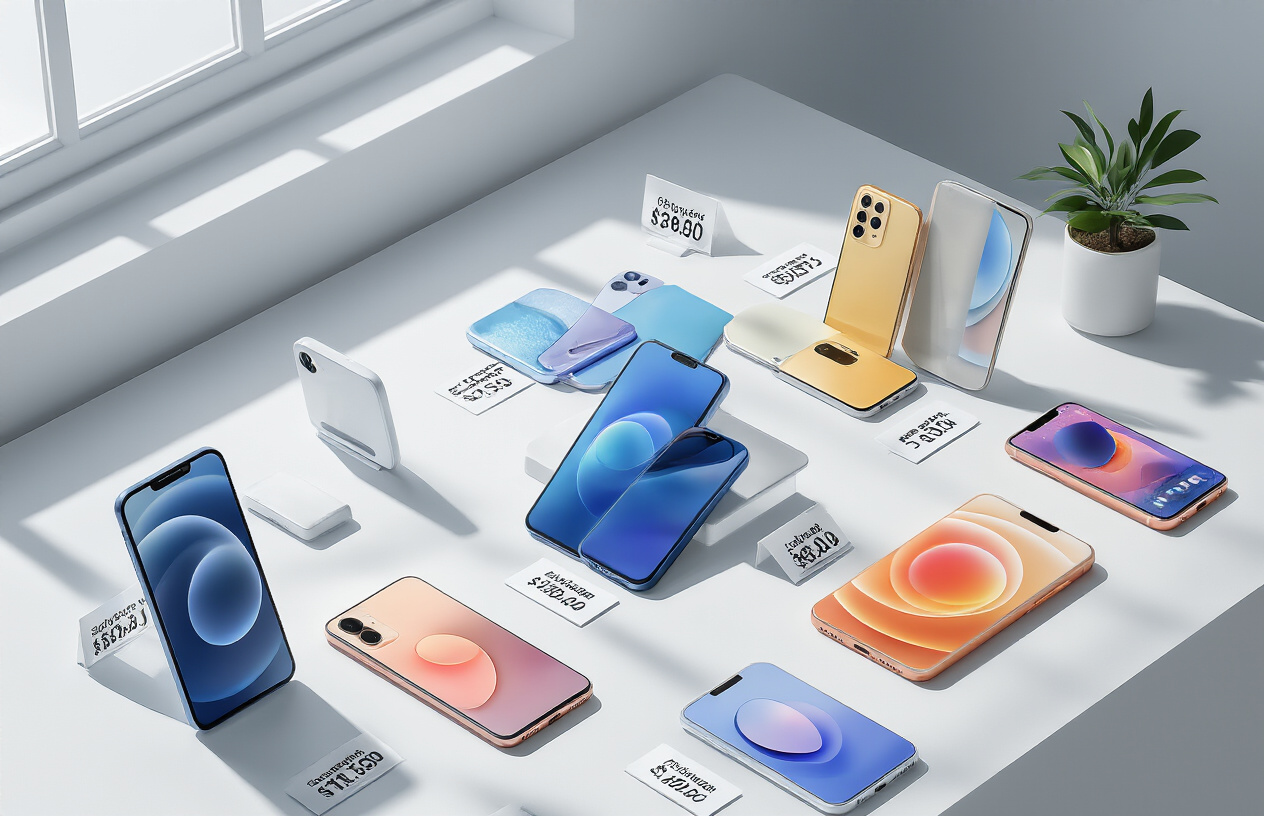
The camera game has completely changed in the budget phone space. Brands like Google with their Pixel 7a and OnePlus with the Nord series pack computational photography magic that was exclusive to $1000+ phones just two years ago. The Pixel 7a shoots photos that rival the iPhone 14 Pro in many scenarios, thanks to Google’s incredible software processing. Night mode, portrait shots, and even video stabilization work surprisingly well on phones costing $400-500.
Chinese manufacturers have pushed this even further. The Xiaomi Redmi Note series regularly includes 108MP sensors, ultra-wide lenses, and macro capabilities that deliver genuinely impressive results. Real-world testing shows these cameras handle everyday photography tasks – family gatherings, travel shots, social media content – with quality that satisfies most users completely.
Long software support from reliable brands
Software support used to be the Achilles’ heel of budget phones, but that’s ancient history now. Samsung promises four years of security updates and three major Android versions for their Galaxy A series. Google’s Pixel a-series gets the same seven years of support as their flagship phones. Even OnePlus commits to three years of major updates for their Nord lineup.
This extended support means your $400 phone stays secure and functional long enough to justify the purchase multiple times over. Compare this to expensive phones that lose software support after similar timeframes, and the value equation becomes crystal clear.
Multiple options to match specific needs
Budget phones now cover every possible use case. Gaming enthusiasts can grab a Poco F5 with flagship-level processing power. Photography lovers have the Pixel 7a. Business users who prioritize battery life can choose the Moto G Power series with 5000mAh+ batteries.
The variety is staggering – phones with stylus support, rugged waterproof models, compact options for small hands, and devices optimized for specific apps or workflows. This specialization means you’re not paying for features you’ll never use, unlike flagship phones that bundle everything together at premium prices.
Regular sales and promotional pricing
Budget phone pricing gets even better with frequent promotions. Manufacturers regularly slash prices during holiday sales, back-to-school periods, and new model launches. The Pixel 7a dropped to $350 just months after release. Samsung’s Galaxy A54 frequently hits $320 during sales events.
Carrier promotions, trade-in deals, and direct manufacturer discounts can drop effective prices by 30-40%. Many retailers offer bundle deals with cases, wireless chargers, or extended warranties included. These promotions rarely apply to flagship phones with the same intensity, making budget options even more attractive financially.
Smart Money Management Strategies for Phone Purchases

Focus on features you actually use daily
Before buying any phone, take a step back and honestly assess how you use your current device. Most people fall into predictable patterns – texting, calling, social media, photos, and maybe some light gaming or streaming. The camera quality that matters most is the one you actually use, not the telephoto lens you might try twice. If you spend most of your time on Instagram and WhatsApp, a mid-range processor will handle these tasks just as smoothly as a flagship chip costing three times more.
Make a list of your daily phone activities and rank them by frequency. You’ll probably discover that 90% of your usage involves basic functions that budget phones excel at. That ultra-high refresh rate display sounds amazing in reviews, but if you’re not a mobile gamer, you won’t notice the difference during regular scrolling. Same goes for wireless charging – convenient but hardly essential if you already have charging habits that work.
The marketing machine wants you to believe you need every cutting-edge feature, but real-world usage tells a different story. A reliable battery, decent camera, and responsive performance matter far more than specs that look impressive on paper but rarely impact daily experience.
Consider refurbished flagship models as alternatives
Refurbished phones offer the perfect middle ground between budget limitations and flagship desires. A two-year-old premium phone often outperforms current budget models while costing significantly less than new flagships. Major retailers and manufacturers now offer certified refurbished programs with warranties, making this option much safer than it used to be.
The key is targeting phones that were flagship models 1-2 years ago. These devices typically received premium build quality, excellent cameras, and processors that remain powerful by today’s standards. A refurbished iPhone 13 or Samsung Galaxy S22 delivers flagship performance at nearly budget phone prices, especially during promotional periods.
Always buy from reputable sellers who offer return policies and some form of warranty coverage. Check the battery health percentage if available, and understand what level of wear is acceptable for the discount you’re receiving. Many refurbished phones look and perform like new, having been returned shortly after purchase or used minimally by previous owners.
Time purchases around major sales events
Phone pricing follows predictable patterns throughout the year, and smart buyers can save hundreds by planning purchases strategically. Black Friday and Cyber Monday remain the biggest opportunities, but don’t overlook back-to-school sales in late summer or end-of-year clearances when retailers want to move inventory.
Carrier promotions often provide better deals than manufacturer sales, especially for customers willing to commit to service contracts. Trade-in values peak during launch seasons when companies want to drive adoption of new models. Even if your current phone seems worthless, carriers sometimes offer inflated trade-in credits during promotional periods.
Track price histories using tools like Google Shopping insights or price tracking apps. Set alerts for specific models you’re considering, and be ready to act quickly when prices drop. End-of-lifecycle sales offer exceptional value – when new models launch, previous generations often see dramatic price cuts that make premium phones accessible at budget prices.
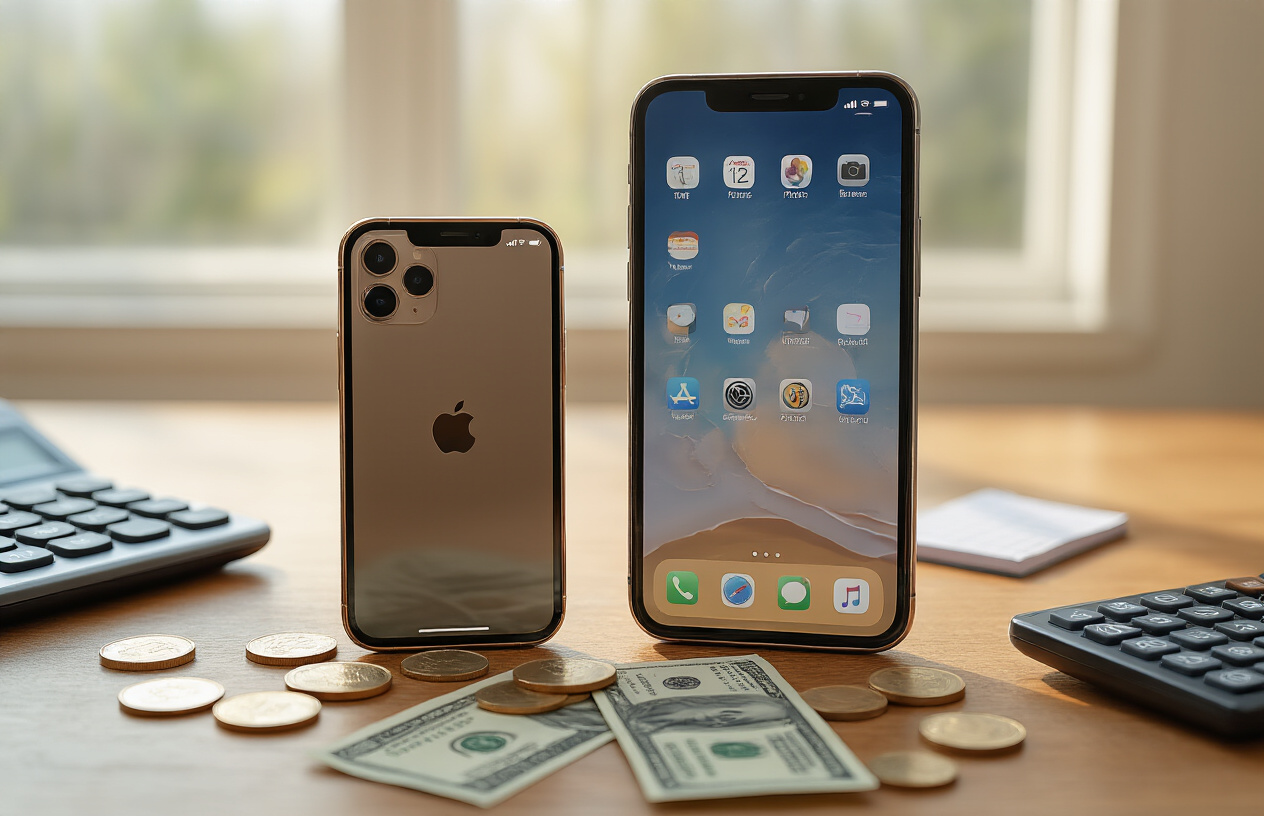
Budget phones have completely changed the game when it comes to smartphone value. While premium devices keep pushing prices higher with features most people rarely use, budget options now deliver everything you actually need – reliable performance, decent cameras, and solid battery life – without the hefty price tag. The days of spending a thousand dollars just to check emails, browse social media, and take photos are behind us.
The smartest phone buyers today look beyond the marketing hype and focus on what really matters: getting solid functionality without breaking the bank. Your phone should work for your wallet, not against it. Consider what you actually do with your device, compare budget options carefully, and resist the urge to overpay for bragging rights. The money you save can go toward things that truly improve your life rather than sitting in some tech company’s pocket.

Saurabh Kumar is the founder of SaurabhOrbit.com, a hub for tech news, digital marketing insights, and expert blogging advice. With a deep passion for technology and digital strategies, Saurabh simplifies complex trends into actionable insights for readers looking to stay ahead in the digital world. My mission is to empower entrepreneurs, tech enthusiasts, and marketers with the latest tools and knowledge to thrive in the online space.