Reverse Pre-Diabetes in 90 Days: Your Natural Path Back to Health
Pre-diabetes affects 96 million American adults, but here’s the good news: you can reverse it naturally without medication. This guide is for anyone who’s received a pre-diabetes diagnosis and wants to take control of their health using proven, natural methods.
You’ll discover why pre-diabetes is completely reversible when you know the right steps to take. We’ll walk through the specific dietary changes that stabilize blood sugar levels and show you an exercise protocol designed to boost insulin sensitivity. You’ll also learn stress management techniques that directly impact glucose control and explore natural supplements that support healthy metabolism.
By the end, you’ll have a clear 90-day action plan to transform your health and leave pre-diabetes behind for good.
Understanding Pre-Diabetes and Its Reversibility
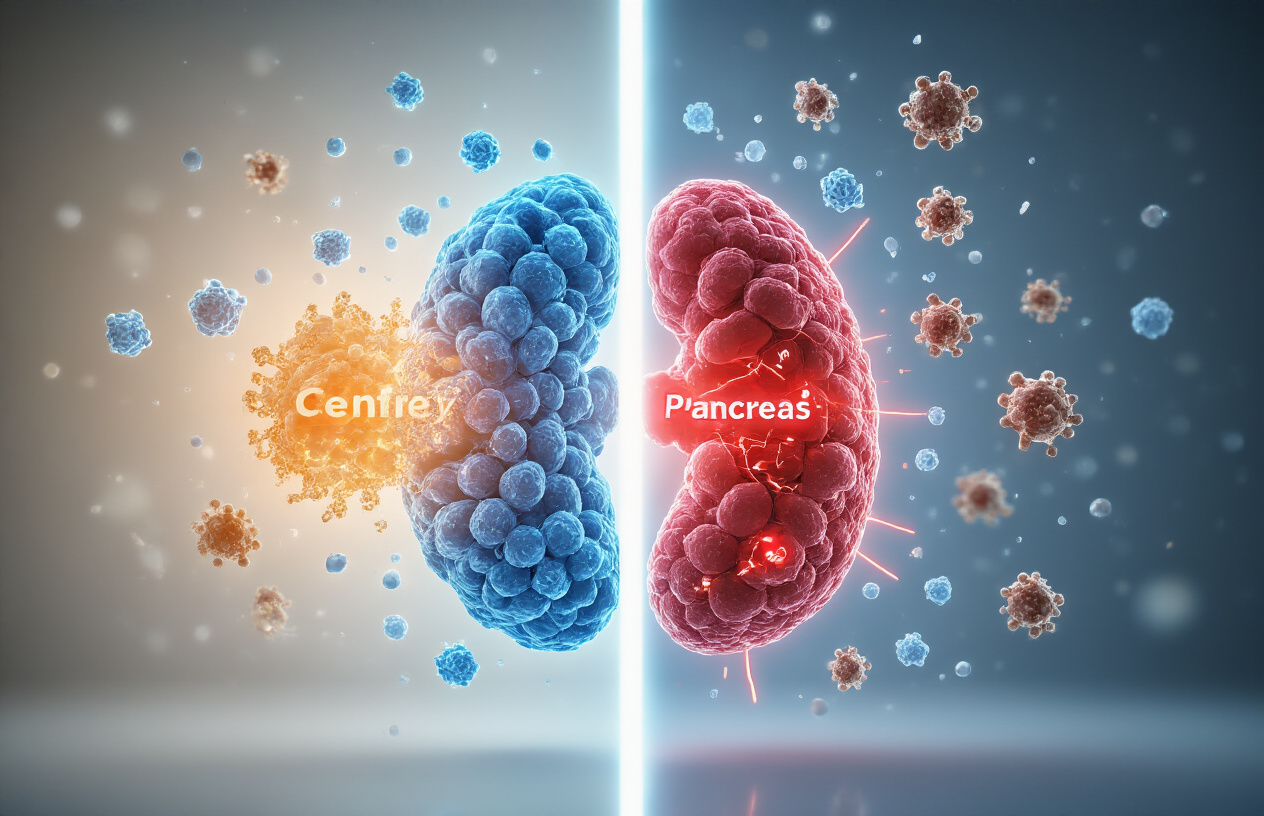
Key markers that indicate pre-diabetes development
Pre-diabetes shows up through specific blood tests that reveal your body’s struggle with blood sugar control. The most common indicator is a fasting blood glucose level between 100-125 mg/dL. When you haven’t eaten for at least 8 hours and your blood sugar sits in this range, your pancreas and cells aren’t working together as smoothly as they should.
The HbA1c test provides an even clearer picture by showing your average blood sugar over the past 2-3 months. Pre-diabetes registers as 5.7% to 6.4% on this test. Think of it as your blood sugar’s report card – it can’t lie or hide behind a single good day.
An oral glucose tolerance test can catch pre-diabetes that other tests miss. After drinking a glucose solution, your blood sugar should return to normal within two hours. Pre-diabetes means your levels stay between 140-199 mg/dL during this window.
Beyond lab numbers, your body sends warning signals. Increased thirst, frequent urination, unexplained fatigue, and slow-healing cuts often appear before blood tests show problems. Dark patches of skin called acanthosis nigricans commonly develop around the neck, armpits, or groin area. These velvety, dark patches signal insulin resistance – your body’s first step toward diabetes.
Weight gain around your midsection, particularly visceral fat that surrounds your organs, creates a perfect storm for blood sugar problems. This type of fat actively interferes with insulin function.
Why early intervention leads to complete reversal
Your pancreas produces insulin through specialized beta cells, and in pre-diabetes, these cells still function reasonably well. They’re working overtime and showing signs of stress, but they haven’t given up. This window of opportunity makes all the difference between reversal and progression.
During pre-diabetes, your cells develop insulin resistance – they need more insulin to process the same amount of glucose. Your pancreas responds by producing extra insulin, which temporarily maintains normal blood sugar levels. This compensation phase can last for years, giving you plenty of time to intervene.
Once you cross into type 2 diabetes, beta cell function typically drops to about 50% of normal capacity. The damage becomes much harder to undo because these cells have been working at maximum capacity for too long. Pre-diabetes catches this process while your beta cells retain 75-80% of their function.
Your liver also plays a crucial role in this reversal window. In pre-diabetes, your liver produces excess glucose overnight, contributing to elevated morning blood sugar readings. Early intervention can retrain your liver to produce appropriate amounts of glucose rather than flooding your system.
Muscle tissue becomes more responsive to dietary and exercise changes during pre-diabetes. Your muscles can still effectively absorb glucose when properly stimulated, unlike advanced diabetes where muscle insulin resistance becomes deeply entrenched.
Scientific evidence supporting natural reversal methods
The Diabetes Prevention Program, a landmark study involving over 3,000 participants, demonstrated that lifestyle changes reduced diabetes risk by 58% compared to 31% with medication alone. Participants who lost just 5-7% of their body weight through diet and exercise showed remarkable improvements in insulin sensitivity.
Research from Newcastle University revealed that significant calorie reduction for 8 weeks could restore normal blood sugar levels in people with early-stage diabetes. The study showed that fat removal from the pancreas and liver allowed these organs to resume normal function.
A 2019 meta-analysis of 23 studies found that structured lifestyle interventions consistently reversed pre-diabetes in 40-70% of participants. The most successful programs combined dietary changes with regular physical activity and behavioral support.
The Finnish Diabetes Prevention Study followed participants for over 10 years, showing that intensive lifestyle modification reduced diabetes incidence by 43% even after the active intervention ended. This proves that natural reversal creates lasting changes rather than temporary improvements.
Mediterranean diet studies consistently show HbA1c reductions of 0.3-0.5% in pre-diabetic individuals. These improvements often bring levels back into the normal range without any medication intervention.
High-intensity interval training research demonstrates rapid improvements in glucose tolerance and insulin sensitivity. Studies show measurable changes in glucose metabolism within just two weeks of starting appropriate exercise protocols.
Essential Dietary Changes for Blood Sugar Control
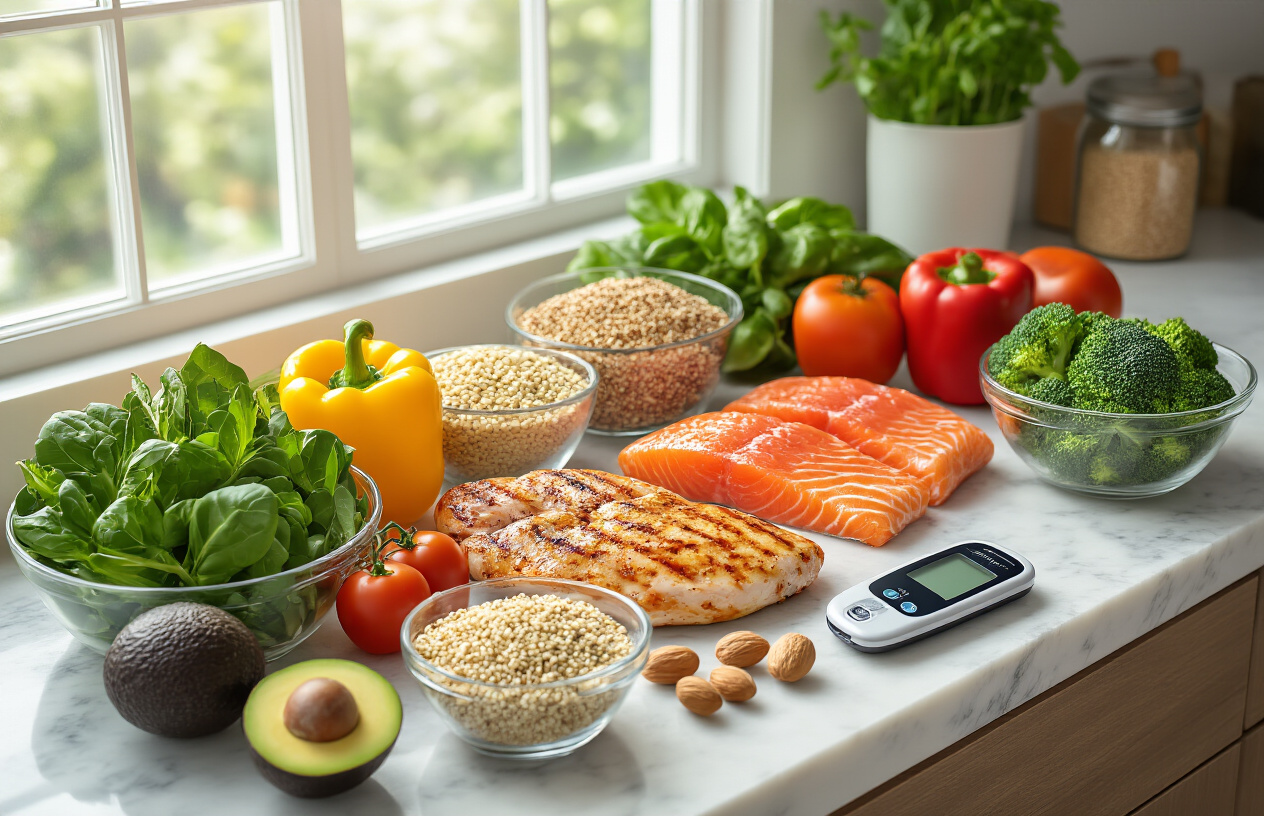
Eliminate processed foods and refined sugars immediately
The first step to reversing pre-diabetes starts with removing the biggest culprits from your daily meals. Processed foods and refined sugars cause rapid spikes in blood glucose, forcing your pancreas to work overtime. Think of these foods as metabolic chaos creators – they disrupt your body’s natural ability to regulate blood sugar effectively.
Start by cleaning out your pantry and refrigerator. Remove white bread, sugary cereals, cookies, crackers, sodas, candy, and anything with high fructose corn syrup. Read labels carefully – sugar hides under many names including dextrose, maltose, and rice syrup. Even seemingly healthy foods like granola bars, flavored yogurts, and fruit juices often contain shocking amounts of added sugars.
Replace these items with whole, unprocessed alternatives. Swap white bread for sprouted grain bread, sugary cereals for steel-cut oats, and soda for sparkling water with lemon. The withdrawal period might feel challenging for the first week, but your taste buds will adapt quickly.
Adopt low-glycemic whole foods for stable glucose levels
Low-glycemic foods release glucose slowly into your bloodstream, preventing dangerous spikes and crashes. These foods become your new best friends in the fight against pre-diabetes.
Focus on building meals around these powerhouse foods:
Vegetables (most important)
- Leafy greens: spinach, kale, arugula
- Cruciferous vegetables: broccoli, cauliflower, Brussels sprouts
- Non-starchy vegetables: zucchini, bell peppers, cucumber
Quality proteins
- Wild-caught fish (salmon, sardines, mackerel)
- Grass-fed beef and lamb
- Free-range poultry
- Plant-based proteins like lentils and chickpeas
Healthy fats
- Avocados and avocado oil
- Olive oil (extra virgin, cold-pressed)
- Nuts and seeds (almonds, walnuts, chia seeds)
- Coconut oil for cooking
Smart carbohydrate choices
- Quinoa and wild rice instead of white rice
- Sweet potatoes instead of regular potatoes
- Berries instead of tropical fruits
Master portion control and meal timing strategies
Even healthy foods can raise blood sugar if you eat too much at once. Your plate should look like this: half filled with non-starchy vegetables, one quarter with lean protein, and one quarter with complex carbohydrates.
Use your hand as a measuring tool – your palm determines protein portions, your cupped hand measures carbs, and your thumb measures healthy fats. This method works anywhere without scales or measuring cups.
Meal timing plays a huge role in blood sugar control. Eat three moderate meals and two small snacks daily, spacing them 3-4 hours apart. Never skip breakfast – it sets your metabolic tone for the entire day. Stop eating at least 3 hours before bedtime to give your body time to process food before sleep.
Consider intermittent fasting by extending the time between dinner and breakfast to 12-14 hours. This gives your pancreas a break and improves insulin sensitivity naturally.
Incorporate blood sugar stabilizing superfoods daily
Certain foods have special compounds that actively help regulate blood sugar levels. Make these your daily go-to choices:
Cinnamon – Add 1-2 teaspoons to smoothies, oatmeal, or coffee. Studies show it can lower fasting blood sugar by up to 29%.
Apple cider vinegar – Take 1-2 tablespoons diluted in water before meals. It slows carbohydrate absorption and improves insulin sensitivity.
Chromium-rich foods – Include broccoli, whole grains, and lean meats. Chromium helps insulin work more effectively.
Fiber superstars – Aim for 35-40 grams daily through chia seeds, flaxseeds, and vegetables. Fiber slows sugar absorption dramatically.
Anti-inflammatory spices – Turmeric, ginger, and garlic reduce inflammation that interferes with insulin function.
Create a daily routine around these foods. Start mornings with cinnamon in your coffee, add apple cider vinegar to salad dressings, sprinkle chia seeds on yogurt, and cook with turmeric and ginger regularly. Small daily actions compound into significant blood sugar improvements over 90 days.
Strategic Exercise Protocol for Insulin Sensitivity

High-intensity interval training for maximum glucose uptake
Your muscles act like glucose sponges during and after intense exercise, pulling sugar from your bloodstream without requiring insulin. HIIT workouts create this powerful effect by alternating short bursts of all-out effort with recovery periods.
Start with a simple 20-minute protocol three times per week. Warm up for 5 minutes with light movement, then alternate 30 seconds of maximum effort with 90 seconds of easy recovery for 8 rounds. Finish with a 5-minute cool-down. You can use any activity – cycling, running, bodyweight exercises, or even stair climbing.
The magic happens in those 30-second intervals. Push yourself to 85-90% of your maximum effort. Your heart should be pounding and you should feel breathless. During recovery periods, keep moving but at a pace where you can hold a conversation.
Research shows HIIT improves insulin sensitivity by up to 40% within just 6 weeks. Your body continues burning glucose for hours after the workout through a process called excess post-exercise oxygen consumption. This means better blood sugar control throughout the day, not just during exercise.
Track your progress by monitoring how quickly your heart rate recovers between intervals. As your fitness improves, your recovery will get faster, signaling enhanced metabolic health.
Daily walking routine to improve insulin function
Walking might seem too simple to reverse pre-diabetes, but consistent daily walks create profound metabolic changes. Your goal is 8,000-10,000 steps daily, broken into multiple sessions for maximum blood sugar benefits.
Take a 10-15 minute walk after each meal. Post-meal walks are incredibly effective at blunting blood sugar spikes. The muscle contractions during walking help transport glucose into cells, reducing the burden on your pancreas to produce insulin.
Morning walks deserve special attention. A 30-minute morning walk helps regulate your circadian rhythm, which directly affects blood sugar patterns throughout the day. Early sunlight exposure also improves sleep quality, and better sleep means better glucose control.
Don’t worry about speed initially. A moderate pace where you can still chat comfortably is perfect. Focus on consistency over intensity. Walking for 45 minutes at a moderate pace can lower blood glucose by 20-30 mg/dL and keep it lower for several hours.
Use a smartphone app or fitness tracker to monitor your steps, but don’t become obsessed with numbers. Some days you’ll walk more, others less. The key is making walking a non-negotiable part of your daily routine, like brushing your teeth.
Strength training exercises that boost metabolism
Building lean muscle mass creates a 24/7 glucose disposal system in your body. Muscle tissue consumes glucose constantly, even at rest. More muscle equals better blood sugar control around the clock.
Focus on compound movements that work multiple muscle groups simultaneously. Squats, deadlifts, push-ups, rows, and planks give you the biggest metabolic bang for your buck. These exercises create muscle damage that requires energy to repair, keeping your metabolism elevated for days.
Start with bodyweight exercises if you’re new to strength training. Perform 2-3 sets of 8-12 repetitions for each exercise. As you get stronger, add resistance bands, dumbbells, or gym equipment. Train 2-3 times per week with at least one rest day between sessions.
Circuit training combines strength and cardiovascular benefits. Move quickly between exercises with minimal rest to keep your heart rate elevated. This approach maximizes glucose uptake during the workout and improves insulin sensitivity.
Progressive overload is crucial – gradually increase difficulty by adding more reps, sets, or resistance. Your muscles adapt quickly, so challenge them consistently to maintain metabolic improvements.
| Exercise Type | Frequency | Sets x Reps | Rest Between Sets |
|---|---|---|---|
| Compound movements | 2-3x/week | 2-3 x 8-12 | 60-90 seconds |
| Circuit training | 2x/week | 3 rounds | 30-45 seconds |
| Bodyweight | Daily option | 2-3 x 10-15 | 45-60 seconds |
Recovery matters as much as the workout itself. Muscle growth and metabolic improvements happen during rest periods, not just during exercise. Prioritize 7-9 hours of quality sleep and allow adequate recovery between intense training sessions.
Stress Management Techniques That Lower Blood Sugar

Meditation practices proven to reduce cortisol levels
Chronic stress triggers cortisol release, which directly spikes blood sugar levels and creates insulin resistance. Regular meditation practice can slash cortisol production by up to 23% within just eight weeks, making it a powerful tool for pre-diabetes reversal.
Mindfulness meditation stands out as the most researched approach. Start with 10-15 minutes daily, focusing on breath awareness. Studies show this practice reduces both cortisol and blood glucose levels simultaneously. The key is consistency rather than duration – five minutes every day beats hour-long sessions once a week.
Body scan meditation targets stress-related tension patterns that fuel inflammation and blood sugar spikes. Lie down comfortably and mentally scan from your toes to your head, releasing tension in each area. This technique activates the parasympathetic nervous system, naturally lowering both stress hormones and glucose levels.
Walking meditation combines gentle movement with mindfulness, perfect for people who struggle with sitting still. Walk slowly while focusing on each step, breath, and surrounding sounds. This dual approach improves insulin sensitivity while reducing cortisol production.
Timing matters significantly. Morning meditation sets a calm tone for the day and prevents stress-induced blood sugar spikes. Evening sessions help process daily stress and prepare your body for restorative sleep, which is crucial for glucose metabolism.
Sleep optimization for hormonal balance restoration
Poor sleep wreaks havoc on blood sugar control by disrupting key hormones like insulin, cortisol, and growth hormone. Even one night of inadequate sleep can reduce insulin sensitivity by 25%, while chronic sleep deprivation increases pre-diabetes risk by 84%.
Sleep duration and timing directly impact glucose metabolism. Adults need 7-9 hours of quality sleep, with consistent bedtimes and wake times. Going to bed before 11 PM aligns with natural melatonin production, which helps regulate blood sugar overnight. Late sleepers show higher morning glucose levels and increased insulin resistance.
Creating the ideal sleep environment involves controlling temperature, light, and noise. Keep your bedroom between 65-68°F, as cooler temperatures promote deeper sleep phases that restore insulin sensitivity. Use blackout curtains or eye masks to block blue light, which suppresses melatonin and disrupts glucose metabolism.
Pre-sleep routines should begin 2-3 hours before bedtime. Stop eating at least three hours before sleep to allow blood sugar levels to stabilize. Avoid screens during this window, as blue light exposure increases cortisol production and impairs glucose processing. Instead, try gentle stretching, reading, or listening to calming music.
Sleep quality indicators include falling asleep within 20 minutes, staying asleep throughout the night, and waking up refreshed. If you’re experiencing frequent wake-ups or morning fatigue despite adequate sleep duration, consider factors like sleep apnea, which affects 80% of people with metabolic disorders.
Breathing exercises for immediate stress relief
When stress hits, your blood sugar can spike within minutes as your body releases stored glucose for “fight or flight” responses. Strategic breathing exercises can quickly activate your body’s relaxation response, preventing these dangerous glucose surges.
The 4-7-8 technique provides rapid stress relief and blood sugar stabilization. Inhale through your nose for 4 counts, hold for 7 counts, then exhale through your mouth for 8 counts. This pattern triggers the vagus nerve, which signals your pancreas to improve insulin function while lowering cortisol production. Practice this 3-4 times whenever you feel stressed.
Box breathing offers excellent control during acute stress situations. Inhale for 4 counts, hold for 4, exhale for 4, then hold empty for 4 counts. This military-tested technique rapidly shifts your nervous system from stress response to rest-and-digest mode, preventing stress-induced glucose spikes. Use this method before meals to optimize digestion and blood sugar response.
Diaphragmatic breathing strengthens your body’s natural stress-management system over time. Place one hand on your chest and one on your belly. Breathe so only your lower hand moves, engaging your diaphragm fully. Practice for 5-10 minutes daily to build resilience against stress-related blood sugar fluctuations.
Coherent breathing involves breathing at exactly 5 breaths per minute (6 seconds in, 6 seconds out). This rhythm optimizes heart rate variability, which directly correlates with improved insulin sensitivity and glucose control. Many find this technique particularly effective when combined with gentle movement or light stretching.
Natural Supplements That Support Glucose Metabolism

Research-backed herbs for blood sugar regulation
Berberine stands out as one of the most potent natural compounds for glucose control, with studies showing it can lower blood sugar levels by 20-25% within 12 weeks. This yellow compound, found in goldenseal and barberry, works by activating AMPK (the body’s metabolic switch) and improving insulin sensitivity at the cellular level. Most research supports taking 500mg three times daily with meals.
Gymnema sylvestre, known as the “sugar destroyer” in Hindi, contains gymnemic acids that block sugar absorption in the intestines and may help regenerate insulin-producing beta cells. Clinical trials show it can reduce fasting blood glucose by up to 29% when taken as 400mg daily for 18-20 months.
Bitter melon extract contains compounds that mimic insulin’s action, helping glucose enter cells more efficiently. Studies demonstrate significant improvements in both fasting glucose and HbA1c levels with 2000mg daily doses.
Fenugreek seeds contain soluble fiber and compounds that slow carbohydrate digestion and improve insulin function. Research shows 10-15 grams of powdered fenugreek seeds daily can reduce post-meal blood sugar spikes by 13-17%.
Cinnamon extract (specifically Ceylon cinnamon) contains methylhydroxychalcone polymers that enhance insulin receptor sensitivity. Clinical studies show 1-6 grams daily can lower fasting glucose by 18-29% and improve cholesterol profiles simultaneously.
Essential vitamins and minerals for insulin sensitivity
Chromium picolinate plays a crucial role in glucose metabolism by enhancing insulin’s ability to transport glucose into cells. Research shows 200-400 mcg daily can improve insulin sensitivity by up to 40% in people with insulin resistance. This trace mineral is often deficient in processed food diets, making supplementation particularly valuable.
Magnesium deficiency directly correlates with insulin resistance, as this mineral is required for over 300 enzymatic reactions involved in glucose metabolism. Studies reveal that 400-600mg of magnesium glycinate daily can improve insulin sensitivity by 10-15% within 8 weeks. Magnesium also helps reduce inflammation and supports better sleep quality.
Vitamin D3 deficiency affects insulin-producing beta cells and overall glucose tolerance. Research shows maintaining blood levels above 30 ng/mL through 2000-4000 IU daily supplementation can improve insulin sensitivity by 20-30% and reduce diabetes risk by 43%.
Alpha-lipoic acid functions as both a fat and water-soluble antioxidant, protecting cells from glucose-induced oxidative stress while improving insulin sensitivity. Clinical trials demonstrate 600-1200mg daily can reduce fasting glucose by 15-20% and improve peripheral neuropathy symptoms.
B-complex vitamins, particularly B1 (thiamine), B6, and B12, support proper glucose metabolism and help prevent diabetic complications. These vitamins are often depleted in high blood sugar conditions, creating a cycle of worsening metabolic function.
Timing and dosage guidelines for maximum effectiveness
Strategic timing maximizes supplement absorption and effectiveness while minimizing potential side effects. Take berberine 30 minutes before meals to optimize its glucose-blocking effects. This timing allows the compound to be present in your system when food arrives, providing maximum impact on post-meal blood sugar spikes.
Chromium works best when taken with meals containing carbohydrates, as insulin release enhances its cellular uptake. Split your daily dose between your two largest meals for consistent blood sugar support throughout the day.
Magnesium should be taken in the evening, as it promotes relaxation and better sleep quality. Poor sleep directly impacts blood sugar control, making this timing doubly beneficial. Avoid taking magnesium with calcium supplements, as they compete for absorption.
Alpha-lipoic acid requires empty stomach consumption for optimal absorption – take it 1 hour before or 2 hours after meals. Start with lower doses (300mg) and gradually increase to assess tolerance, as some people experience temporary blood sugar dips.
Vitamin D3 should be taken with fat-containing meals to improve absorption, preferably in the morning to avoid potential sleep disruption. Pair it with vitamin K2 (100-200 mcg) to ensure proper calcium metabolism.
Monitor your response carefully during the first two weeks, checking blood glucose more frequently to track improvements and adjust dosages accordingly.
Safe combinations that accelerate results
Berberine pairs exceptionally well with alpha-lipoic acid, creating a synergistic effect that can improve insulin sensitivity by up to 45% compared to either supplement alone. This combination works through different pathways – berberine activates AMPK while alpha-lipoic acid reduces oxidative stress and enhances glucose uptake.
The magnesium-chromium-vitamin D3 trio forms a powerful foundation for metabolic health. This combination addresses multiple aspects of insulin resistance simultaneously: magnesium supports enzymatic function, chromium enhances insulin action, and vitamin D3 improves beta cell function.
Gymnema sylvestre combines safely with cinnamon extract, as both work on different mechanisms of glucose control. Gymnema blocks sugar absorption while cinnamon improves insulin receptor sensitivity, providing comprehensive meal-time glucose management.
Avoid combining multiple high-potency glucose-lowering supplements initially, as this can cause hypoglycemia. Start with one primary supplement (like berberine) and add others gradually while monitoring blood sugar responses.
Never combine supplements with similar mechanisms of action without medical supervision. For example, don’t take multiple insulin-sensitizing compounds at full doses simultaneously.
| Supplement Combination | Daily Dosage | Best Timing | Expected Results |
|---|---|---|---|
| Berberine + Alpha-Lipoic Acid | 500mg + 600mg | Before meals + Empty stomach | 30-45% insulin sensitivity improvement |
| Magnesium + Chromium + Vitamin D3 | 400mg + 200mcg + 2000 IU | Evening + With meals + Morning | 25-35% glucose control improvement |
| Gymnema + Cinnamon | 400mg + 2g | Before meals | 20-30% post-meal glucose reduction |
Always consult healthcare providers before starting supplement regimens, especially if taking medications or having underlying health conditions. Regular blood glucose monitoring helps track progress and prevent adverse reactions.
Creating Your 90-Day Action Plan

Week-by-week implementation schedule for sustainable change
Starting your transformation requires a structured approach that builds momentum without overwhelming your system. The first two weeks focus on dietary adjustments, beginning with eliminating refined sugars and processed foods. Replace these with whole grains, lean proteins, and vegetables at every meal. During week three, introduce intermittent fasting with a 12-hour eating window, gradually extending to 14 hours by week four.
Weeks five through eight emphasize exercise integration. Start with 20-minute daily walks, progressing to 30 minutes by week six. Add resistance training twice weekly starting week seven, using bodyweight exercises or light weights. Week eight introduces high-intensity interval training sessions twice per week.
The final phase, weeks nine through twelve, focuses on optimization and habit solidification. Fine-tune your meal timing to match your workout schedule, experiment with different healthy recipes, and establish consistent sleep patterns. Week ten introduces stress-reduction practices like meditation or yoga. Weeks eleven and twelve serve as your maintenance rehearsal, where you practice managing social situations, travel, and unexpected schedule changes while maintaining your new lifestyle.
Each week includes specific, measurable goals that build upon previous achievements, creating a sustainable progression that prevents the overwhelm common in drastic lifestyle changes.
Tracking methods to monitor your progress effectively
Effective monitoring combines objective measurements with subjective wellness indicators to paint a complete picture of your progress. Daily blood glucose readings remain your primary metric, taken at consistent times: fasting, pre-meal, and two hours post-meal. Record these in a dedicated app or journal alongside your meals, noting portion sizes and ingredients.
Weekly weigh-ins and body measurements provide additional data points, but don’t rely solely on the scale since muscle gain can mask fat loss. Take progress photos monthly to capture visual changes that numbers might miss. Energy levels, sleep quality, and mood deserve equal attention in your tracking system.
Create a simple 1-10 scale rating for daily energy, stress levels, and overall well-being. Many people discover patterns between their choices and how they feel, making this subjective data incredibly valuable. Blood pressure readings, if you have access to a monitor, should be recorded weekly.
Technology can streamline this process significantly. Glucose meters with smartphone connectivity automatically log readings, while fitness trackers monitor sleep patterns, heart rate variability, and activity levels. Food logging apps calculate carbohydrates automatically, helping you stay within target ranges without constant manual calculation.
Review your data weekly to identify trends rather than obsessing over daily fluctuations. Look for patterns connecting specific foods, activities, or stress levels with blood sugar spikes or improvements.
Troubleshooting common obstacles and setbacks
Blood sugar plateaus often occur around week six when initial improvements level off. This happens because your body adapts to changes, requiring strategy adjustments. If fasting glucose stops improving, consider extending your intermittent fasting window or reducing overall carbohydrate intake by 10-15 grams daily.
Social pressure presents ongoing challenges, especially during family gatherings or work events. Develop go-to responses for food pushers and scout restaurant menus ahead of time. Most establishments accommodate dietary requests when asked politely. Bring approved dishes to potlucks and focus on the social aspects rather than food-centered activities.
Motivation naturally wanes around the 30-day mark when initial enthusiasm fades but habits haven’t fully formed. Combat this by celebrating non-scale victories like increased energy or better sleep. Join online communities or find an accountability partner facing similar challenges. Sometimes changing your workout routine or trying new healthy recipes rekindles excitement.
Stress-induced glucose spikes can derail progress even when diet and exercise remain consistent. Work demands, family issues, or financial concerns trigger cortisol release, raising blood sugar independent of food choices. Recognize these patterns in your tracking data and implement immediate stress-reduction techniques like deep breathing exercises or short walks.
Travel and schedule disruptions test your new habits severely. Pack healthy snacks, research gym options or bodyweight routines for hotel rooms, and maintain meal timing as much as possible. Remember that consistency matters more than perfection – a few imperfect days won’t undo weeks of progress if you return to your routine quickly.

Pre-diabetes doesn’t have to become your permanent reality. The combination of smart food choices, regular physical activity, stress reduction, and targeted natural supplements creates a powerful toolkit for bringing your blood sugar back into healthy ranges. Each element works together to improve your body’s insulin sensitivity and glucose metabolism, giving you real control over your health outcomes.
Your 90-day journey starts with taking that first step today. Pick one area from your action plan and commit to it for the next week. Whether it’s swapping out processed foods for whole ingredients, adding a 20-minute walk to your routine, or trying that meditation app you downloaded months ago, small consistent changes create lasting results. Your body has an amazing ability to heal and reset when you give it the right support – and those three months could be the turning point that changes everything.

Saurabh Kumar is the founder of SaurabhOrbit.com, a hub for tech news, digital marketing insights, and expert blogging advice. With a deep passion for technology and digital strategies, Saurabh simplifies complex trends into actionable insights for readers looking to stay ahead in the digital world. My mission is to empower entrepreneurs, tech enthusiasts, and marketers with the latest tools and knowledge to thrive in the online space.