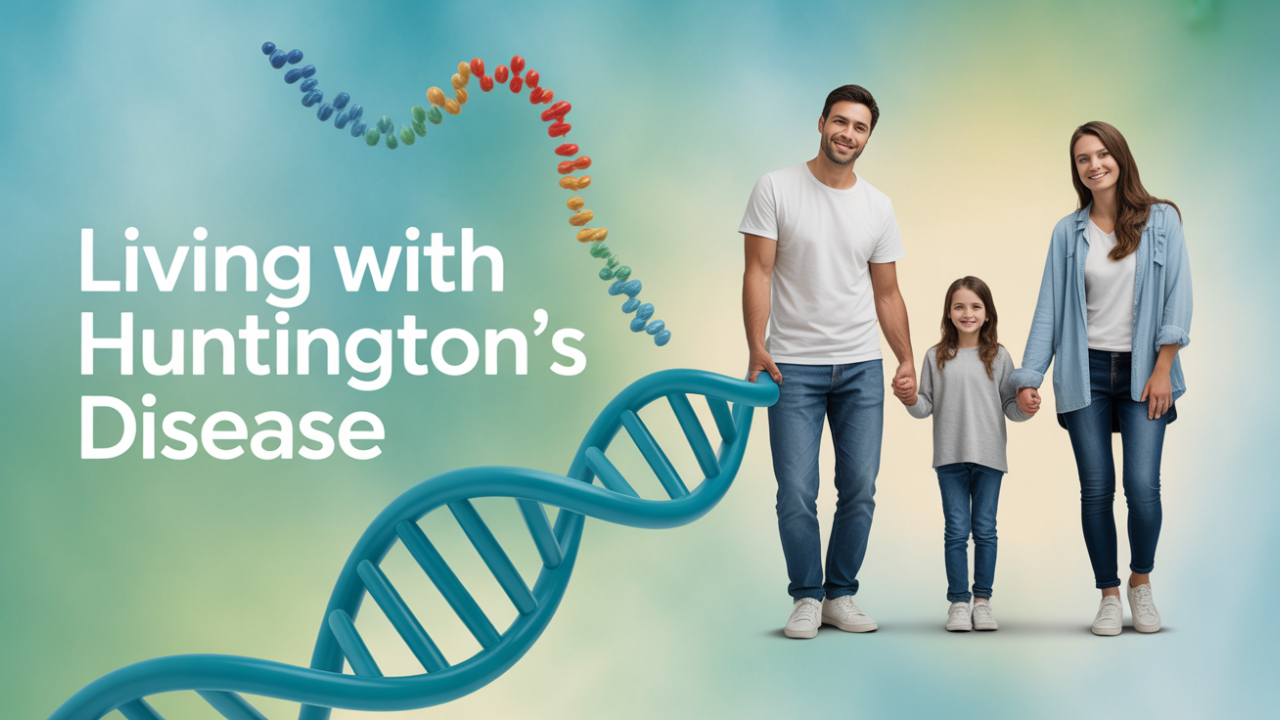
Imagine waking up one day and noticing your hands shake uncontrollably, or finding yourself stumbling over words that used to come easily. For thousands of Americans, this reality hits close to home when Huntington’s disease enters their family’s story. This hereditary brain disorder affects about 30,000 people in the United States, with another 200,000 at risk of developing it.
Huntington’s disease isn’t just another medical term you might hear in passing – it’s a condition that changes everything for patients and their families. Let’s dive into what makes this disease tick, who it affects, and why understanding it matters more than you might think.
Understanding the Genetic Side of Huntington’s Disease
When people ask “is Huntington’s disease dominant,” the answer is yes – and this fact makes all the difference for families dealing with it. Unlike some genetic conditions that need both parents to carry the gene, Huntington’s disease follows what doctors call an autosomal dominant pattern. This means you only need one copy of the mutated gene from either parent to develop the disease.
Here’s how the math works out:
- If one parent has Huntington’s disease, each child has a 50% chance of inheriting it
- If both parents have the condition (which is rare), the risk jumps to 75%
- The gene sits on chromosome 4 and affects the production of a protein called huntingtin
This dominant inheritance pattern explains why genetic screening for Huntington’s disease has become such an important topic. Many people who have a parent with the condition face a tough choice: do they want to know if they’ll develop it too?
The Role of Genetic Testing
Genetic screening for Huntington’s disease has changed the game for many families. The test looks for an expanded CAG repeat sequence in the huntingtin gene. People without the disease typically have 10-26 repeats, while those who will develop it have 40 or more.
The testing process involves:
- A simple blood draw
- DNA analysis in a specialized lab
- Genetic counseling both before and after testing
- Support for making informed decisions
Some people choose to get tested so they can plan their futures, while others prefer not to know. There’s no right or wrong choice – it’s deeply personal and depends on individual circumstances and values.
Famous Faces and Huntington’s Disease
Several famous people with Huntington’s disease have helped bring awareness to this condition. Woody Guthrie, the legendary folk singer who wrote “This Land Is Your Land,” died from Huntington’s disease in 1967. His son, Arlo Guthrie, has been a vocal advocate for research and awareness.
More recently, other Huntington’s disease celebrities have shared their stories:
- Actor and comedian Richard Pryor’s father died from the disease
- Several professional athletes have lost family members to Huntington’s
- Various musicians and artists have used their platforms to raise awareness
These public figures have helped reduce the stigma around the disease and shown that it can affect anyone, regardless of their background or success.
What to Expect: Life Expectancy and Disease Progression
When families receive a Huntington’s disease diagnosis, one of the first questions they ask about is Huntington’s disease life expectancy. The typical progression spans 15-20 years from the onset of symptoms, though this varies significantly from person to person.
The disease usually develops in three stages:
- Early stage (2-5 years): Mild movement problems, mood changes, and cognitive issues
- Middle stage (5-15 years): More noticeable movement difficulties, speech problems, and increased care needs
- Late stage (10-25 years): Severe movement and cognitive impairment, requiring full-time care
Several factors can influence how long someone lives with Huntington’s disease:
- Age when symptoms first appear (earlier onset often means faster progression)
- Overall health and access to medical care
- Support systems and quality of life measures
- Secondary complications like pneumonia or falls
Living Day to Day with Huntington’s Disease
Managing Huntington’s disease requires a team approach. Patients typically work with neurologists, physical therapists, speech therapists, and social workers. While there’s no cure yet, treatments can help manage symptoms and improve quality of life.
Current treatment options include:
- Medications to help control movement and mood symptoms
- Physical therapy to maintain mobility and strength
- Speech therapy to help with communication challenges
- Occupational therapy to adapt daily activities
Families often find that support groups and counseling make a huge difference in coping with the challenges. The Huntington’s Disease Society of America provides resources and connects families with others going through similar experiences.
Looking Forward: Research and Hope
Scientists continue making progress in understanding Huntington’s disease. Clinical trials are testing new treatments that might slow down or even prevent the disease from developing. Gene therapy, stem cell research, and other cutting-edge approaches offer hope for future breakthroughs.
For families dealing with Huntington’s disease today, staying connected with healthcare providers, support groups, and research updates can provide both practical help and emotional support. While the journey isn’t easy, advances in care and treatment continue to improve outcomes and quality of life for patients and their loved ones.
The key is understanding that you’re not alone in this fight – whether you’re dealing with a diagnosis, considering genetic testing, or supporting someone you love through their journey with Huntington’s disease.

Saurabh Kumar is the founder of SaurabhOrbit.com, a hub for tech news, digital marketing insights, and expert blogging advice. With a deep passion for technology and digital strategies, Saurabh simplifies complex trends into actionable insights for readers looking to stay ahead in the digital world. My mission is to empower entrepreneurs, tech enthusiasts, and marketers with the latest tools and knowledge to thrive in the online space.