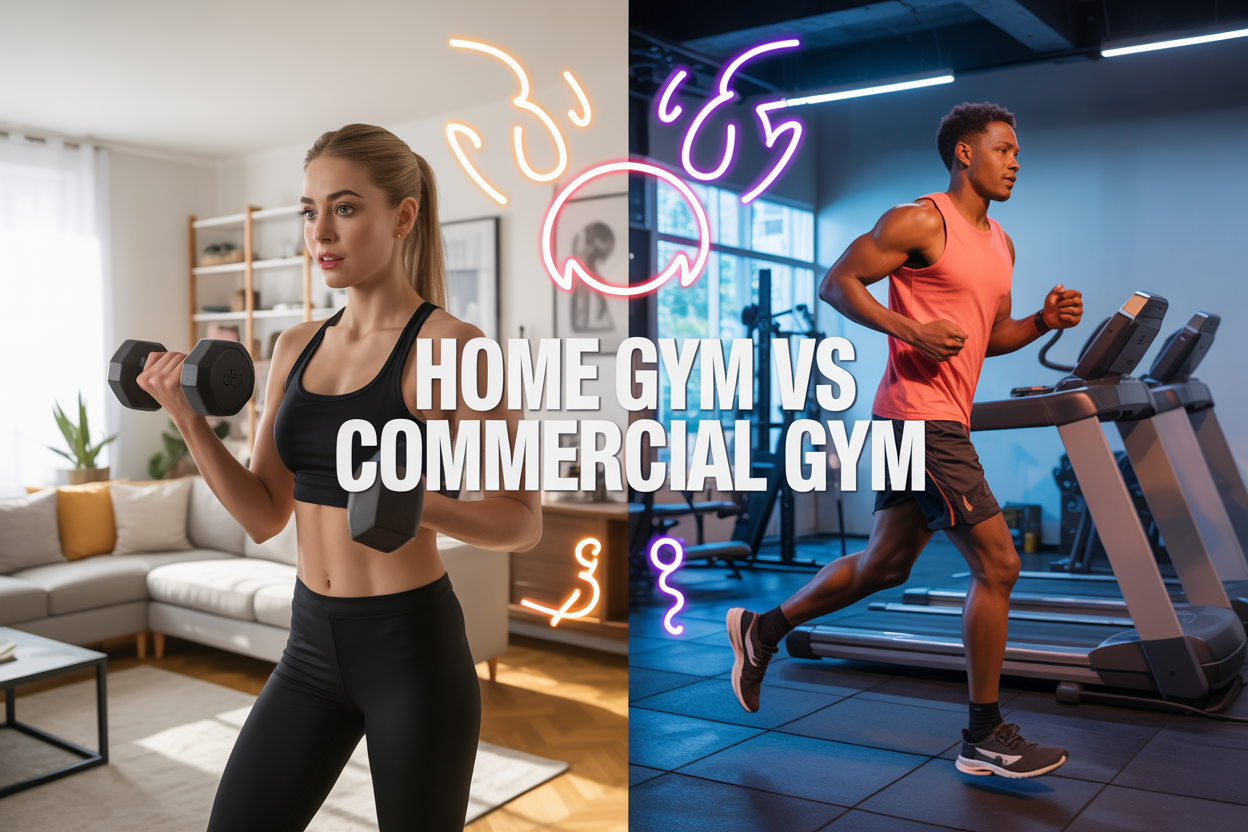
Home Gym vs. Commercial Gym: Which Burns More Calories?
Choosing between a home gym and commercial gym for your fitness routine? You’re not alone in wondering which option actually burns more calories and delivers better weight loss results.
This guide is perfect for fitness enthusiasts, busy professionals, and anyone trying to maximize their calorie burn while deciding where to invest their workout time and money.
We’ll break down the key calorie burning factors that make the biggest difference in your workouts, compare the unique advantages each gym type offers for torching calories, and analyze real-world data to see which environment actually helps people burn more calories. You’ll also discover how different equipment types stack up for maximum calorie burn, so you can make the smartest choice for your fitness goals.
Calorie Burning Factors That Matter Most
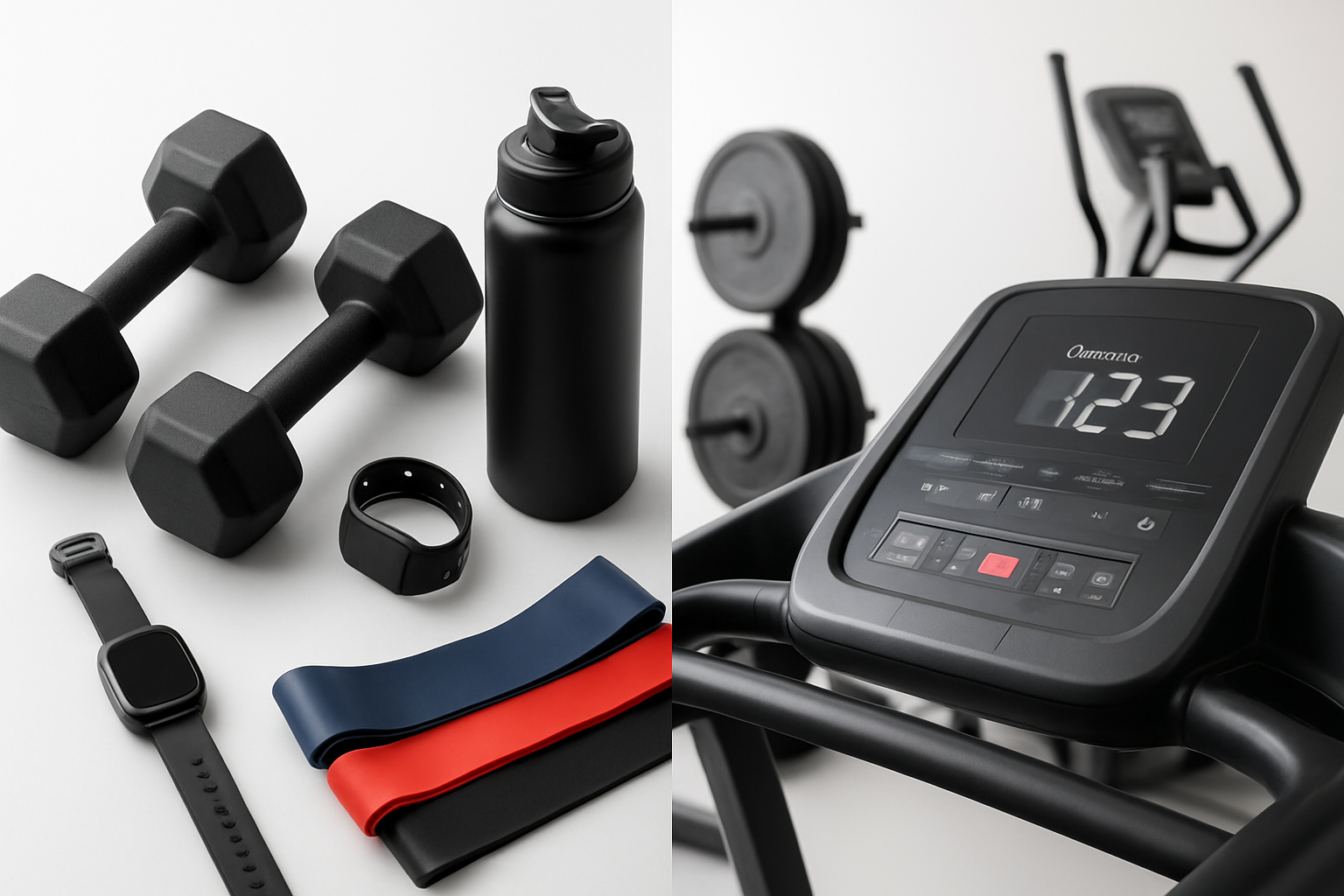
Exercise Intensity and Duration Impact
Your calorie burn depends heavily on how hard you push yourself and how long you stay active. High-intensity workouts like HIIT or circuit training can torch 300-500 calories in just 20-30 minutes, while moderate activities like walking burn around 100-200 calories in the same timeframe.
The sweet spot for maximum calorie burn combines both intensity and duration. A 45-minute moderate-intensity workout often burns more total calories than a 15-minute high-intensity session, but high-intensity training creates an “afterburn effect” where your body continues burning calories for hours post-workout.
Your fitness level also plays a role. Beginners might burn more calories during the same activity because their bodies work harder to perform movements that feel effortless to experienced athletes. This explains why that first month at the gym feels so challenging but also so effective.
Equipment Variety and Workout Diversity
Different types of equipment create vastly different calorie-burning opportunities. Cardio machines like treadmills, ellipticals, and rowing machines typically burn 400-800 calories per hour depending on intensity. Free weights and resistance training burn fewer calories during the workout (200-400 per hour) but build muscle that increases your metabolic rate 24/7.
Workout diversity prevents your body from adapting to routine, keeping calorie burn high. When you constantly challenge your muscles with new movements, weights, or cardio variations, your body can’t settle into an efficient groove. This metabolic confusion keeps your calorie burn elevated.
Functional training equipment like kettlebells, battle ropes, and medicine balls often provide the highest calorie burn because they engage multiple muscle groups simultaneously while keeping your heart rate elevated.
Personal Motivation and Consistency Levels
Your mindset directly impacts how many calories you burn during each session. When you’re motivated and focused, you naturally push harder, rest less between sets, and maintain better form – all of which increase calorie expenditure.
Consistency trumps perfection every time. Three moderate 30-minute workouts per week will burn more calories over time than one intense 90-minute session followed by a week of inactivity. Your body responds better to regular stimulus, and you’re more likely to maintain higher intensity when exercise becomes habitual.
Social motivation can boost calorie burn by 15-20%. Whether that’s workout buddies at a commercial gym or virtual fitness communities for home exercisers, having accountability partners pushes you beyond your comfort zone.
Environmental Temperature and Comfort
Room temperature significantly affects calorie burn. Your body burns extra calories to maintain core temperature in both hot and cold environments. Exercising in temperatures between 68-72°F is comfortable but burns fewer calories than working out in slightly warmer (75-80°F) or cooler (60-65°F) conditions.
Humidity also matters. High humidity makes your body work harder to cool itself, increasing calorie burn by 10-15%. This explains why hot yoga classes feel so intense – your body burns calories both from the poses and temperature regulation.
Air quality and ventilation impact performance and calorie burn. Poor air circulation reduces oxygen availability, making your cardiovascular system work harder but potentially limiting workout duration and intensity. Fresh, well-circulated air allows for longer, more intense sessions that maximize total calorie expenditure.
Home Gym Calorie Burning Advantages
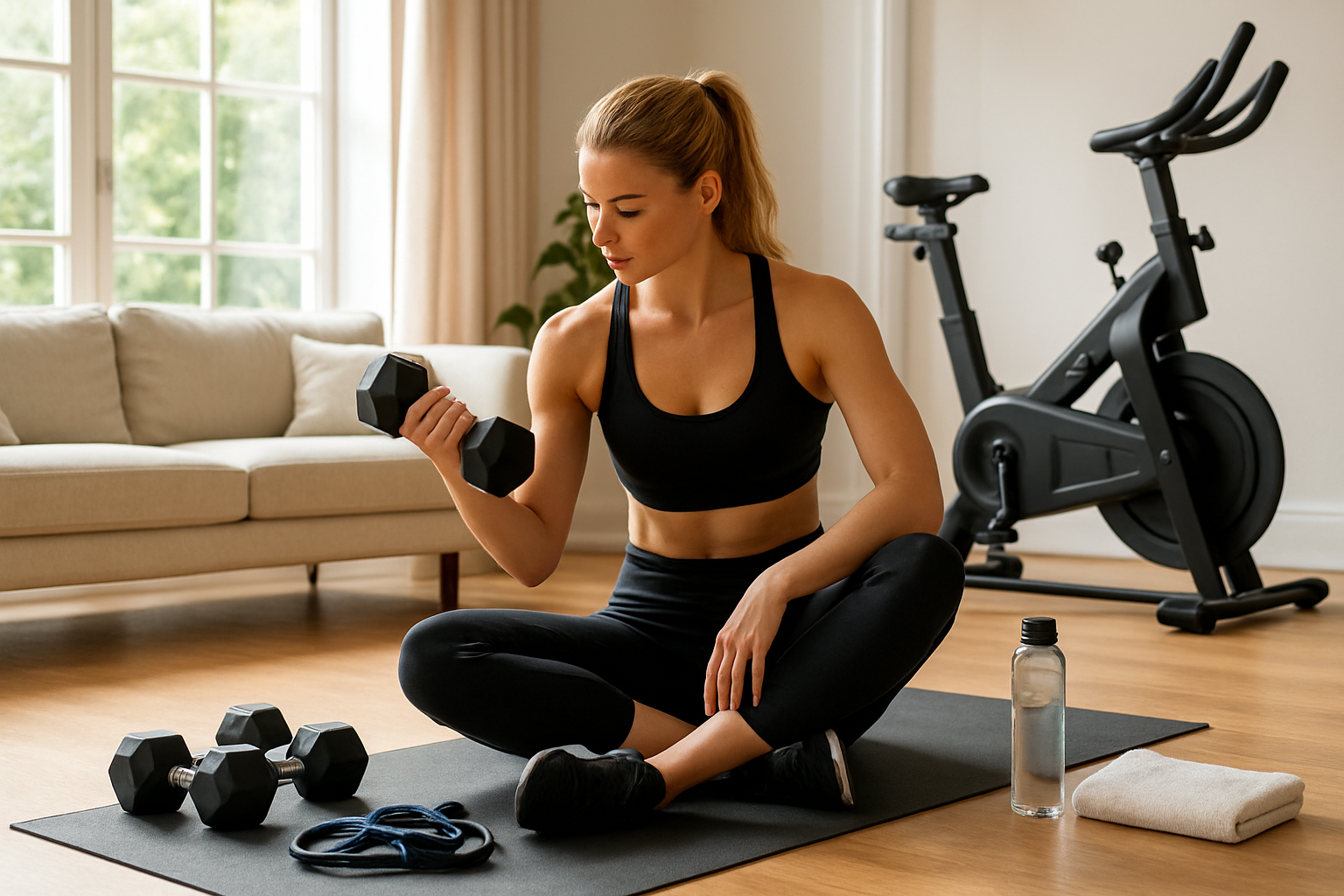
Unlimited workout time flexibility
Working out at home gives you complete control over your schedule, which directly impacts how many calories you can burn. When you don’t have to worry about gym operating hours or peak traffic times, you can exercise whenever your energy levels are highest. Some people are morning warriors who torch calories before sunrise, while others hit their stride late at night when commercial gyms are closed.
This flexibility lets you break traditional workout patterns that might limit calorie burn. You can split your exercise into multiple sessions throughout the day, which research shows can boost your metabolic rate more effectively than single long sessions. A 20-minute HIIT session in the morning, followed by strength training in the evening, keeps your body burning calories all day long.
Weekend warriors benefit enormously from home gym flexibility. You can dedicate 2-3 hours to intense calorie-burning sessions without rushing to beat closing time or feeling pressured by other members waiting for equipment.
Customized equipment for your fitness goals
Your home gym equipment selection directly influences your calorie-burning potential. When you choose every piece based on your specific goals and preferences, you create an environment optimized for maximum energy expenditure. If you’re a cardio enthusiast, you can invest in a high-quality treadmill with incline features that burns 400-600 calories per hour, rather than settling for basic models at commercial gyms.
Strength training equipment customization pays huge dividends for calorie burn. Adjustable dumbbells, kettlebells, and resistance bands allow you to create challenging compound movements that engage multiple muscle groups simultaneously. This approach burns significantly more calories than isolation exercises on fixed machines commonly found in commercial gyms.
You can also prioritize space-efficient, high-intensity equipment like battle ropes, plyometric boxes, or suspension trainers that deliver exceptional calorie burn in minimal space. These tools enable circuit training and functional movements that keep your heart rate elevated throughout your entire workout.
No travel time means longer exercise sessions
Eliminating commute time to the gym creates immediate opportunities for extended calorie-burning sessions. The average person spends 30-45 minutes traveling to and from the gym, time that could be converted into pure exercise. This extra time translates to burning an additional 200-400 calories per workout session, depending on your activity intensity.
Starting your workout immediately after deciding to exercise maintains your motivation and energy levels. There’s no cooling-off period during car rides or getting distracted by other errands. You can transition from work-from-home breaks directly into calorie-torching activities, maintaining the momentum that drives higher intensity workouts.
Longer sessions also allow for proper warm-ups and cool-downs, which many people skip when pressed for time at commercial gyms. These extended periods contribute to overall calorie expenditure while reducing injury risk, ensuring consistent long-term calorie burning rather than setbacks from preventable injuries.
Commercial Gym Calorie Burning Benefits
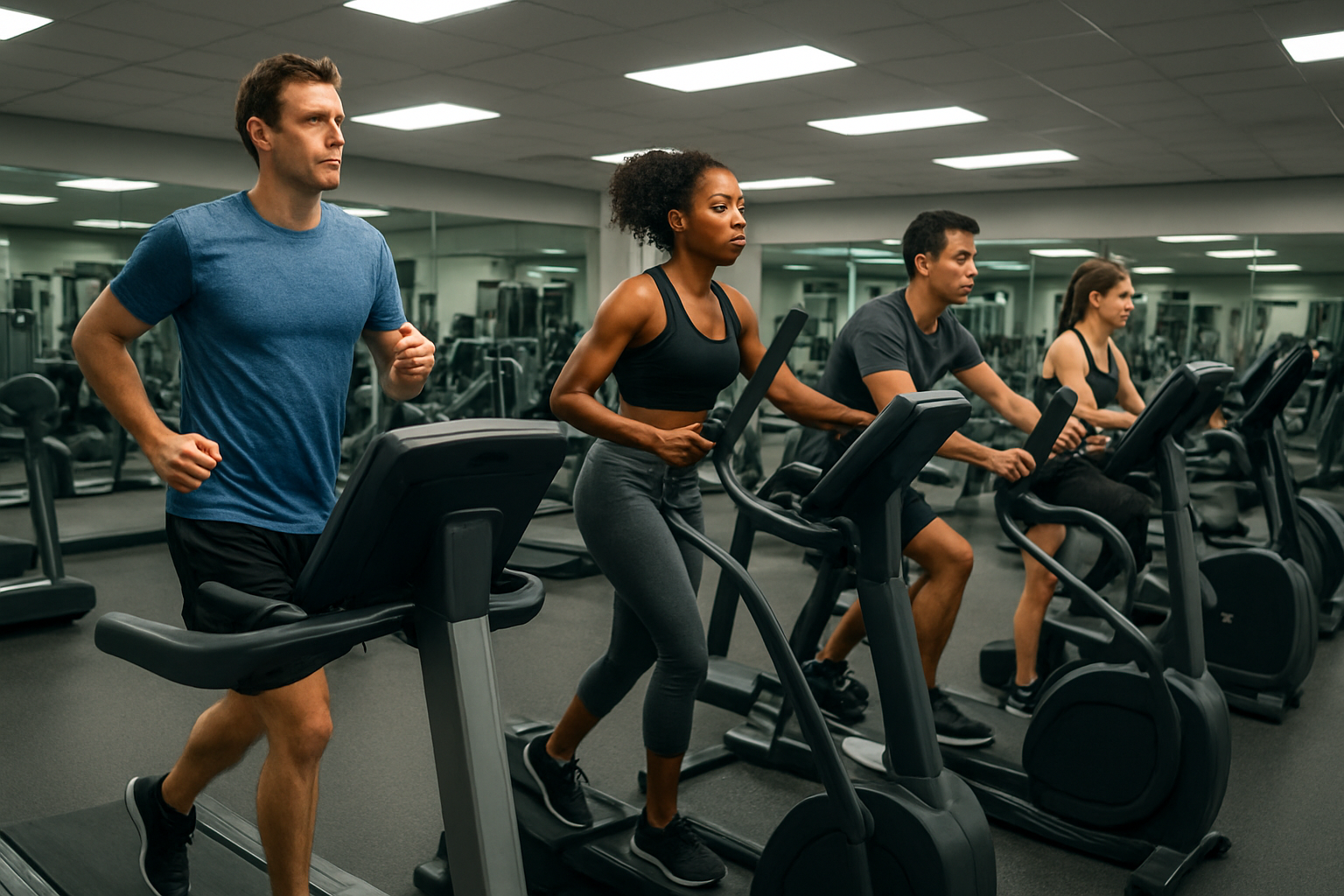
Professional-grade cardio machines with advanced tracking
Commercial gyms house sophisticated cardio equipment that goes far beyond basic home treadmills and stationary bikes. These machines feature precise heart rate monitoring, customizable interval programs, and real-time metabolic calculations that help you burn calories more effectively. High-end treadmills with incline capabilities up to 15% can increase calorie burn by 30-50% compared to flat running. Elliptical machines with upper body components engage multiple muscle groups simultaneously, boosting your energy expenditure significantly.
The advanced tracking systems display accurate calories burned, distance covered, and workout intensity zones. This data helps you optimize your sessions for maximum calorie burn. Many commercial machines sync with fitness apps, allowing you to track progress and maintain consistent intensity levels across workouts.
Group fitness classes boost calorie expenditure
Group fitness environments create an energy that’s nearly impossible to replicate at home. High-intensity classes like spin, HIIT, and bootcamp can burn 400-800 calories per hour, depending on your weight and effort level. The instructor-led format pushes participants beyond their comfort zones, often resulting in 20-30% higher calorie burn compared to solo workouts.
Popular calorie-torching classes include:
- Spin classes: 450-650 calories/hour
- HIIT workouts: 500-800 calories/hour
- Boxing fitness: 400-600 calories/hour
- Dance cardio: 300-500 calories/hour
- Circuit training: 350-550 calories/hour
The social aspect and structured timing prevent the common home workout pitfall of cutting sessions short when motivation wanes.
Heavy weights and specialized equipment availability
Commercial gyms provide access to extensive weight selections and specialized equipment that dramatically impacts calorie burn. Heavy compound movements like deadlifts, squats, and bench presses with proper weight loads can burn 200-300 calories per hour while building muscle mass. The increased muscle tissue continues burning calories at rest, creating a lasting metabolic boost.
Specialized equipment enhances calorie-burning potential:
| Equipment Type | Calorie Burn Rate | Primary Benefit |
|---|---|---|
| Cable machines | 250-350/hour | Constant tension, multiple angles |
| Free weight racks | 300-400/hour | Compound movements, stabilization |
| Functional trainers | 200-300/hour | Full-body integration |
| Olympic platforms | 350-450/hour | Maximum load capacity |
Competitive atmosphere increases workout intensity
The gym environment naturally elevates workout intensity through social dynamics and peer motivation. Studies show people exercise 15-20% harder in group settings compared to solo sessions. This increased effort directly translates to higher calorie expenditure during and after workouts.
The visual stimulus of seeing others push their limits triggers competitive instincts that drive you to maintain higher heart rates and extend workout duration. Personal trainers and gym buddies provide accountability that keeps intensity levels consistently high, preventing the gradual decline in effort that often happens with home workouts over time.
Equipment Comparison for Maximum Calorie Burn
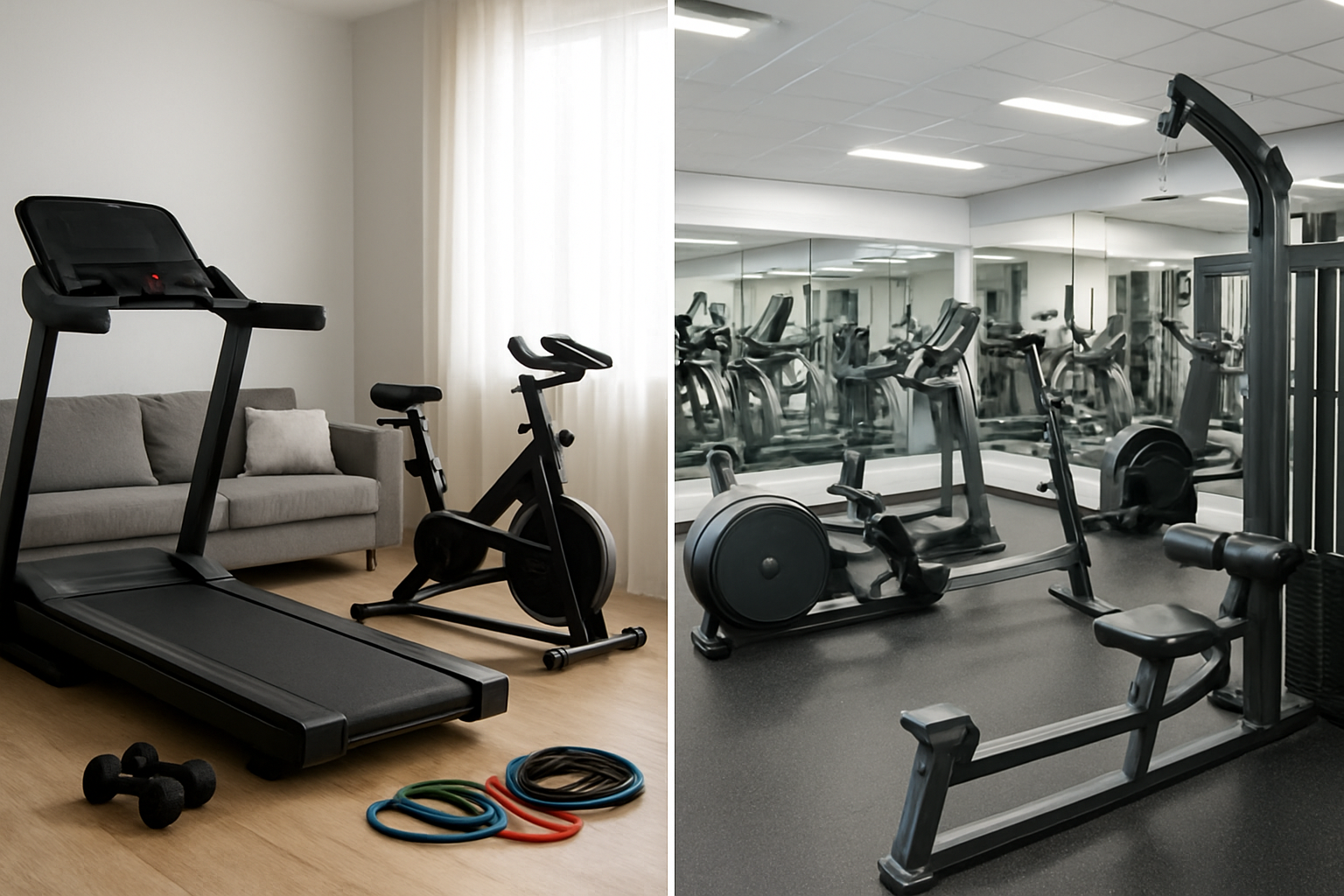
Home cardio machines vs commercial grade options
Your home treadmill might get the job done, but commercial-grade machines pack a serious calorie-burning punch that’s hard to match. Commercial treadmills typically reach speeds of 12-15 mph with inclines up to 15%, while most home models max out around 10 mph with 10% inclines. This difference translates to roughly 100-150 extra calories burned per hour during high-intensity sessions.
| Equipment Type | Home Version Calorie Burn/Hour | Commercial Version Calorie Burn/Hour |
|---|---|---|
| Treadmill (moderate pace) | 350-450 | 400-500 |
| Elliptical | 300-400 | 350-450 |
| Stationary Bike | 250-350 | 300-400 |
| Rowing Machine | 400-500 | 450-550 |
Commercial ellipticals offer variable stride lengths and more resistance levels, creating opportunities for interval training that can boost your metabolic rate. The heavier flywheels in gym-quality bikes provide smoother resistance transitions, allowing you to maintain higher intensities longer. Home machines often have lighter flywheels that create choppy resistance changes, interrupting your workout flow and reducing overall calorie expenditure.
The biggest game-changer is durability during intense workouts. Commercial machines handle aggressive training sessions without wobbling or overheating, while home equipment might force you to dial back intensity to prevent damage.
Free weights accessibility and variety differences
Commercial gyms crush home setups when it comes to weight variety, offering everything from 5-pound dumbbells to 150+ pound options. Most home gym enthusiasts work with adjustable dumbbells capping out around 50-75 pounds per hand, which limits progressive overload for serious strength training.
Home gym limitations:
- Adjustable dumbbells require time between exercises to change weights
- Limited barbell plates restrict compound movement progression
- Space constraints often mean choosing between dumbbells OR a barbell setup
Commercial gym advantages:
- Fixed-weight dumbbells allow rapid exercise transitions
- Olympic barbells with extensive plate collections enable heavy compound lifts
- Specialty bars (hex bars, safety bars, Swiss bars) target muscles differently
The weight selection gap directly impacts calorie burn. Heavier compound movements like deadlifts and squats torch more calories than lighter isolation exercises. A 200-pound person burns approximately 180 calories during a 30-minute moderate weightlifting session, but this jumps to 266 calories with heavier, compound-focused training.
Quick weight changes between sets maintain elevated heart rates, creating an afterburn effect that continues burning calories post-workout. Home gyms with limited equipment force longer rest periods while switching weights, reducing this metabolic benefit.
Functional training tools and space requirements
Functional training equipment takes up serious real estate, and most home gyms can’t accommodate the variety found in commercial spaces. Battle ropes need 30-40 feet of length, while suspension trainers require 8-foot ceiling clearance and anchor points that won’t damage your home.
Commercial gyms dedicate entire zones to functional training with:
- Turf areas for sled pushes and bear crawls
- Plyometric boxes in multiple heights
- Medicine balls ranging from 6-50 pounds
- Kettlebells in 5-pound increments up to 100+ pounds
- Cable machines with adjustable heights and multiple attachment points
Home functional training typically relies on bodyweight exercises and basic equipment like resistance bands or a single kettlebell. While effective, these limitations reduce exercise variety and progression options. A 30-minute circuit using varied functional tools burns 300-450 calories, compared to 200-300 calories from basic bodyweight routines.
Space-efficient home alternatives:
- Resistance bands provide variable resistance in minimal space
- Single adjustable kettlebell covers basic movement patterns
- Pull-up bars offer upper body compound movements
- Yoga mats enable floor-based exercises
The key difference lies in workout intensity progression. Commercial gyms offer seamless equipment upgrades as fitness improves, while home setups often plateau due to equipment limitations rather than physical capability.
Real-World Calorie Burning Data Analysis
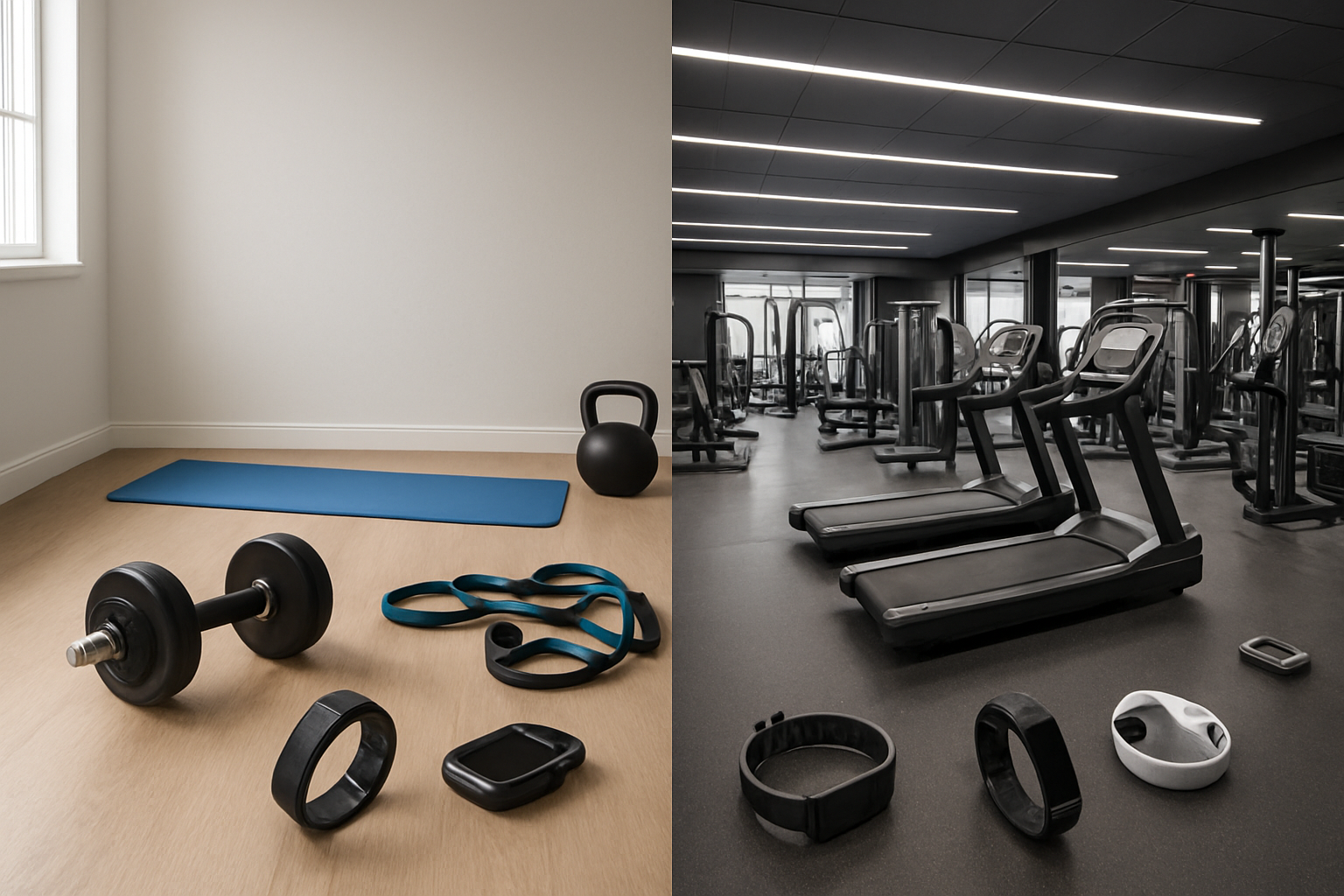
Average calories burned per workout session by location
Recent studies tracking fitness enthusiasts across different environments reveal fascinating patterns. Home gym users burn an average of 285-320 calories per session, while commercial gym members typically burn 340-425 calories during their workouts. The difference stems from several key factors.
Commercial gyms naturally encourage longer workout sessions due to the commute time already invested and the social environment that keeps people motivated longer. The average home workout lasts 35-42 minutes, while gym sessions stretch to 55-75 minutes on average.
| Location | Average Session Length | Calories Burned | Calories per Minute |
|---|---|---|---|
| Home Gym | 38 minutes | 302 calories | 7.95 cal/min |
| Commercial Gym | 65 minutes | 382 calories | 5.88 cal/min |
Interestingly, home gym users demonstrate higher calorie burn rates per minute, often due to more focused, high-intensity workouts with minimal rest periods between exercises.
Workout frequency patterns in each environment
Home gym users show remarkable consistency in workout frequency, averaging 4.2 sessions per week compared to 3.1 sessions for commercial gym members. This pattern creates a significant impact on total weekly calorie expenditure.
The convenience factor plays a huge role here. Home gym users can squeeze in quick 20-30 minute sessions more easily, leading to:
- Monday-Friday consistency: 78% of home users maintain weekday routines
- Weekend flexibility: 65% manage weekend sessions at home vs. 34% at commercial gyms
- Weather independence: Home users maintain 95% consistency regardless of conditions
Commercial gym users face barriers that impact frequency:
- Travel time averaging 23 minutes round-trip
- Peak hour crowding reducing satisfaction
- Weather-related cancellations affecting 28% of planned sessions
- Equipment availability issues causing 15% session modifications
Long-term calorie burning sustainability factors
The sustainability picture reveals compelling differences between environments. Home gym users maintain their workout routines for longer periods, with 68% still exercising regularly after 18 months compared to 41% of commercial gym members.
Home Gym Sustainability Drivers:
- No monthly fees creating pressure to “get your money’s worth”
- Consistent equipment availability
- Privacy allowing for experimentation without judgment
- Flexible scheduling accommodating life changes
Commercial Gym Retention Challenges:
- Average membership duration of 11.3 months
- 45% cite inconvenience as primary dropout reason
- Social intimidation affecting 32% of beginners
- Contract obligations creating negative associations
Calorie Burn Maintenance Patterns:
After the initial 6-month period, home gym users maintain 87% of their peak calorie-burning performance, while commercial gym users drop to 62% of their initial levels. This suggests that home environments foster more sustainable long-term calorie expenditure habits.
Cost per calorie burned calculations
Breaking down the true cost per calorie reveals surprising insights that challenge common assumptions about gym economics.
Home Gym Investment Analysis:
- Initial equipment cost: $800-2,500 (quality dependent)
- Annual maintenance: $50-120
- Cost per calorie over 3 years: $0.012-0.031
Commercial Gym Membership Analysis:
- Monthly fees: $25-80 average
- Transportation costs: $15-45 monthly
- Annual total: $480-1,500
- Cost per calorie over 3 years: $0.025-0.067
Real-World Example Calculation:
A dedicated home gym user burning 1,200 calories weekly (62,400 annually) with a $1,500 initial investment pays approximately $0.024 per calorie burned over three years. A commercial gym member with similar calorie expenditure paying $65 monthly plus $25 in transport costs spends roughly $0.052 per calorie burned.
The break-even point typically occurs around month 14-18, after which home gym users enjoy significantly better cost-per-calorie ratios. However, this calculation assumes consistent usage patterns and doesn’t account for the motivational benefits some individuals gain from commercial gym environments.
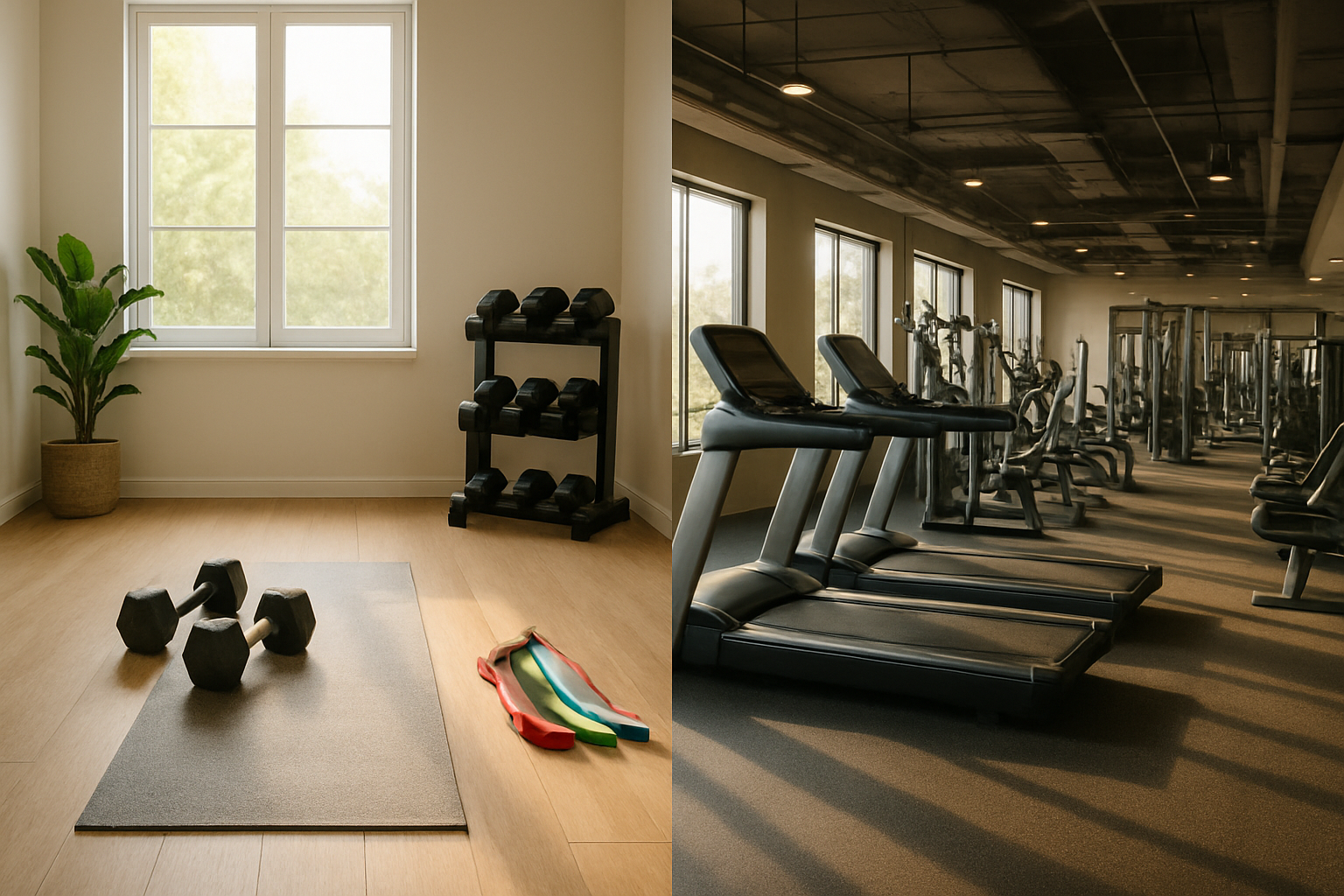
The calorie-burning battle between home and commercial gyms isn’t as clear-cut as you might think. Both options can deliver impressive results when you focus on the right factors: workout intensity, exercise variety, and consistency. Home gyms give you the freedom to work out anytime without distractions, while commercial gyms offer specialized equipment and group classes that can push your limits. The equipment comparison shows that you don’t need fancy machines to torch calories – bodyweight exercises and basic equipment can be just as effective as high-end cardio machines.
What really matters is finding the setup that keeps you coming back day after day. If you’re someone who thrives on convenience and privacy, a home gym might help you burn more calories simply because you’ll use it more often. If you need the energy of others and access to diverse equipment to stay motivated, a commercial gym could be your calorie-burning sweet spot. Stop overthinking the perfect gym setup and start with what you have access to right now – your consistency will determine your calorie burn more than your location ever will.

Saurabh Kumar is the founder of SaurabhOrbit.com, a hub for tech news, digital marketing insights, and expert blogging advice. With a deep passion for technology and digital strategies, Saurabh simplifies complex trends into actionable insights for readers looking to stay ahead in the digital world. My mission is to empower entrepreneurs, tech enthusiasts, and marketers with the latest tools and knowledge to thrive in the online space.