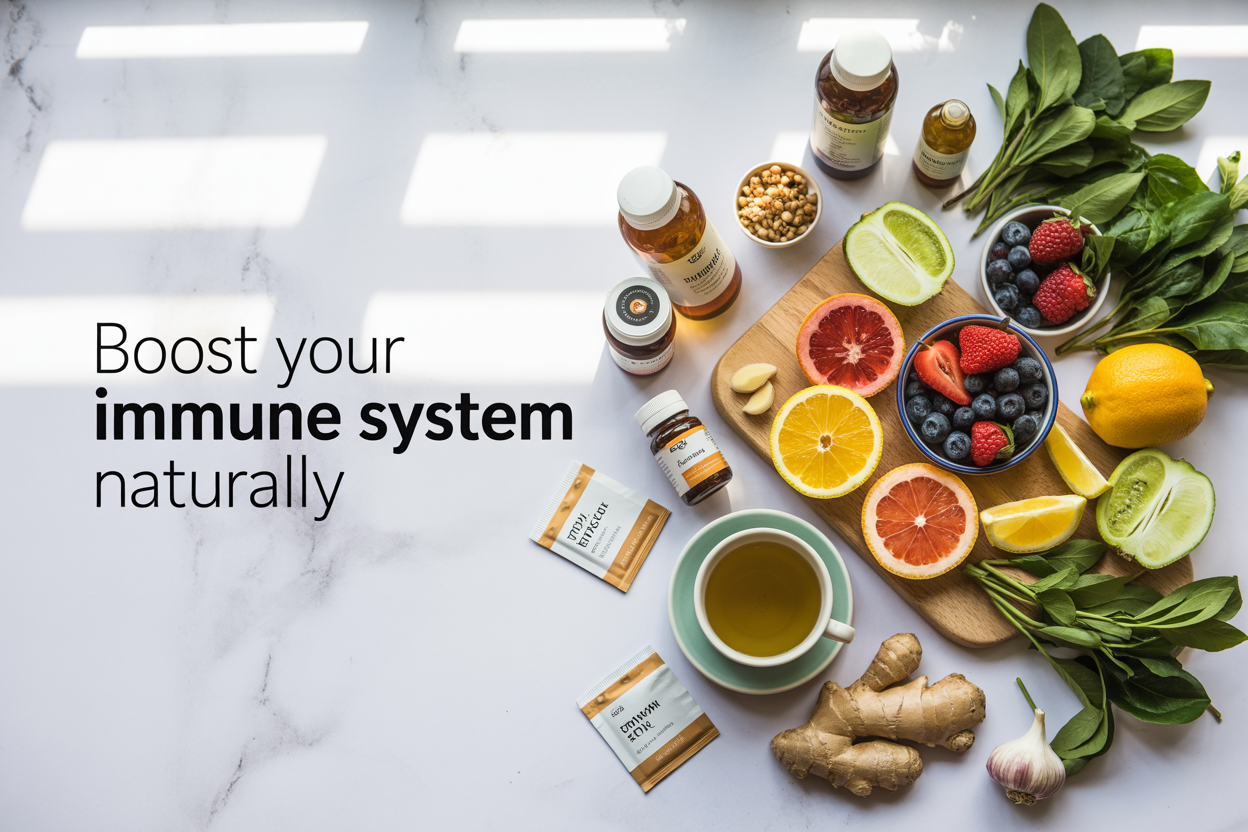
Your immune system works around the clock to protect you from illness, but modern life often leaves it running on empty. This guide is for busy adults, parents, and anyone who wants to strengthen their natural defenses without relying solely on medications or expensive supplements.
A strong immune system isn’t built overnight. It comes from consistent daily choices that either support or sabotage your body’s ability to fight off threats. Many people don’t realize that simple changes to their diet and routine can make a huge difference in how often they get sick.
We’ll walk through the essential nutrients your immune system craves and where to find them in everyday foods. You’ll discover which lifestyle habits give your defenses a real boost and learn about natural remedies that actually work. We’ll also expose the common foods and behaviors that quietly weaken your immunity, plus share practical strategies for building long-term resilience that fits into your real life.
Essential Nutrients That Strengthen Your Body’s Defense System
Vitamin C Rich Foods for Enhanced White Blood Cell Function
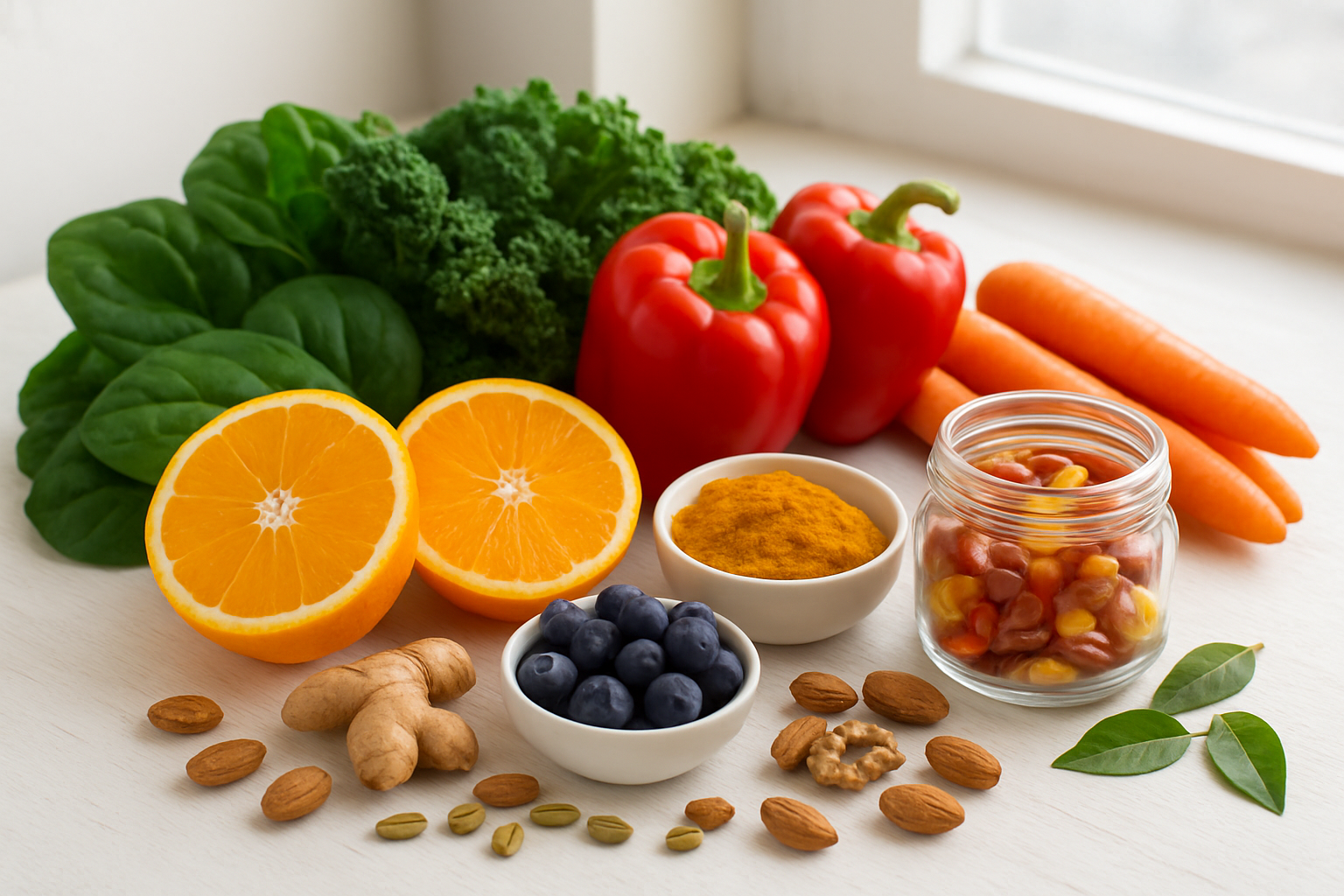
Your white blood cells act as your body’s security team, and vitamin C gives them the energy they need to fight off invaders. This powerful nutrient doesn’t just prevent scurvy – it actively boosts white blood cell production and helps these immune warriors function at peak performance.
Citrus fruits get most of the attention, but bell peppers actually pack more vitamin C per serving than oranges. A single red bell pepper contains about 190mg of vitamin C, nearly three times your daily requirement. Strawberries, kiwi fruit, and broccoli are also excellent sources that taste great and deliver serious immune-boosting power.
Your body can’t store vitamin C, so you need fresh supplies daily. Cooking destroys much of this vitamin, so eating raw fruits and vegetables gives you the biggest bang for your buck. Try adding sliced bell peppers to salads, snacking on strawberries, or blending kiwi into smoothies.
| Food Source | Vitamin C Content (mg) | % Daily Value |
|---|---|---|
| Red Bell Pepper (1 cup) | 190 | 211% |
| Kiwi (1 medium) | 85 | 94% |
| Strawberries (1 cup) | 85 | 94% |
| Orange (1 medium) | 70 | 78% |
| Broccoli (1 cup, raw) | 80 | 89% |
Zinc Sources That Accelerate Healing and Recovery
Zinc works like a master key that unlocks your immune system’s full potential. This mineral helps wounds heal faster, supports T-cell function, and keeps your sense of taste and smell sharp – two early warning systems for detecting illness.
Oysters contain more zinc than any other food, with six oysters providing about 32mg (nearly three times the daily recommendation). But don’t worry if shellfish isn’t your thing. Beef, pork, and chicken offer substantial amounts, while pumpkin seeds, cashews, and chickpeas provide plant-based options.
Your body absorbs zinc from animal sources more easily than from plants. If you follow a vegetarian diet, pair zinc-rich foods with vitamin C sources to boost absorption. Soaking nuts and seeds overnight also helps your body access more of their zinc content.
Watch out for zinc thieves in your diet. Phytates in whole grains and calcium from dairy can block zinc absorption when eaten together. Space these foods apart from your main zinc sources by a couple of hours.
Vitamin D Benefits for Immune Cell Regulation
Vitamin D acts like a conductor orchestrating your immune system’s response. Low vitamin D levels make you more susceptible to respiratory infections, while adequate levels help your immune cells communicate effectively and respond appropriately to threats.
Sunlight exposure remains the best way to boost vitamin D naturally. Your skin produces this vitamin when UV rays hit it, but geographic location, season, and skin color all affect how much you can make. People with darker skin need more sun exposure, while those living in northern climates may struggle to get enough during winter months.
Fatty fish like salmon, mackerel, and sardines provide the highest food sources of vitamin D. Egg yolks from pasture-raised chickens also contain meaningful amounts. Some mushrooms, particularly UV-exposed varieties, offer plant-based vitamin D.
Many people need supplements to reach optimal levels, especially during winter. Blood testing helps determine your current status – aim for levels between 30-50 ng/mL for optimal immune function.
Antioxidant-Packed Foods That Fight Free Radicals
Free radicals damage your immune cells just like rust damages metal. Antioxidants neutralize these cellular troublemakers, keeping your immune system running smoothly and preventing premature aging of your defense mechanisms.
Berries lead the antioxidant parade. Blueberries, blackberries, and goji berries contain anthocyanins and other compounds that specifically support immune cell health. Dark leafy greens like spinach and kale provide carotenoids that protect white blood cells from oxidative damage.
Colorful vegetables and fruits generally contain the most antioxidants. The deeper the color, the more protective compounds you’ll find. Purple cabbage beats green cabbage, red onions outperform yellow ones, and sweet potatoes provide more antioxidants than regular potatoes.
Green tea deserves special mention for its immune-supporting properties. The catechins in green tea not only fight free radicals but also have direct antimicrobial effects. Drinking 2-3 cups daily provides steady antioxidant protection throughout the day.
Spices and herbs pack concentrated antioxidant power into small packages. Turmeric, oregano, cinnamon, and cloves contain some of the highest antioxidant levels of any foods. Adding these to your cooking boosts both flavor and immune protection.
Lifestyle Habits That Naturally Fortify Your Immune Response

Quality Sleep Patterns for Optimal Immune Function
Your body treats sleep like a nightly tune-up session for your immune system. During those precious hours of rest, your immune cells get busy producing infection-fighting antibodies and cytokines. Without enough quality sleep, you’re basically sending your defense system into battle half-armed.
Adults need 7-9 hours of sleep per night for peak immune function. The magic happens during deep sleep stages when your body cranks up production of T-cells – the white blood cells that remember and attack specific threats. Poor sleep quality can reduce vaccine effectiveness by up to 50% and make you three times more likely to catch a cold.
Create a sleep sanctuary by keeping your bedroom cool (65-68°F), dark, and quiet. Establish a consistent bedtime routine that signals your body it’s time to wind down. Avoid screens for at least an hour before bed, as blue light disrupts melatonin production. If you struggle with sleep, try natural aids like chamomile tea or magnesium supplements, but consistency in your sleep schedule matters more than any supplement.
Regular Exercise Routines That Boost Immunity
Physical activity acts like a personal trainer for your immune system, making it stronger and more efficient. Moderate exercise increases circulation, allowing immune cells to move through your body more effectively and do their job better.
The sweet spot is 150 minutes of moderate-intensity exercise per week – think brisk walking, swimming, or cycling. This level of activity can reduce your risk of upper respiratory infections by 25-50%. Exercise also triggers the release of endorphins, which naturally reduce stress hormones that can suppress immune function.
Here’s what works best for immune support:
- Cardio activities: 30 minutes of walking, jogging, or dancing 5 days per week
- Strength training: 2-3 sessions weekly using bodyweight exercises or weights
- Yoga or stretching: Daily gentle movement to reduce inflammation
Avoid overtraining, which can temporarily weaken immunity. If you’re feeling under the weather, stick to light movement like gentle walking rather than intense workouts.
Stress Management Techniques for Better Health
Chronic stress is like kryptonite to your immune system. When you’re stressed, your body floods with cortisol, which suppresses the effectiveness of your immune response. People under chronic stress get sick more often and take longer to recover.
The good news? Your body can’t tell the difference between real danger and perceived stress, which means you can hack this system with proven stress-reduction techniques:
Breathing exercises: Try the 4-7-8 technique – inhale for 4 counts, hold for 7, exhale for 8. This activates your parasympathetic nervous system and lowers stress hormones within minutes.
Meditation and mindfulness: Even 10 minutes daily can reduce cortisol levels and boost immune markers. Apps like Headspace or simple breathing awareness work equally well.
Social connections: Strong relationships act as stress buffers. Regular contact with friends and family provides emotional support that translates into better immune function.
Time in nature: Spending time outdoors, especially in green spaces, naturally reduces stress hormones and increases natural killer cell activity.
Hydration Strategies for Cellular Protection
Water is the ultimate multitasker for immune health. Every immune process in your body depends on proper hydration – from producing lymph that carries white blood cells to maintaining mucous membranes that trap pathogens before they enter your system.
Aim for half your body weight in ounces of water daily, plus extra during illness or intense exercise. Your urine should be pale yellow – dark yellow signals dehydration, while completely clear might mean you’re overdoing it.
Quality matters as much as quantity. Choose filtered water when possible and add natural electrolytes through:
- A pinch of sea salt in your morning water
- Fresh lemon or lime juice for vitamin C
- Coconut water after workouts for natural potassium
Herbal teas count toward your fluid intake and provide bonus immune benefits. Green tea offers antioxidants, ginger tea provides anti-inflammatory compounds, and elderberry tea supports immune function.
Sunlight Exposure for Natural Vitamin D Production
Your skin is basically a vitamin D factory that runs on sunlight. This “sunshine vitamin” regulates over 1,000 genes, many involved in immune function. Low vitamin D levels are linked to increased susceptibility to infections and autoimmune diseases.
Aim for 10-30 minutes of midday sun exposure several times per week, depending on your skin tone and location. People with darker skin need more time, while those with fair skin need less. Your shadow is a good guide – if it’s shorter than your height, you’re getting vitamin D-producing UVB rays.
The amount of skin exposed matters too. Wearing shorts and a t-shirt produces much more vitamin D than just exposing your face and hands. During winter months or if you live in northern climates, consider a vitamin D3 supplement (1,000-4,000 IU daily) after consulting with your healthcare provider.
Balance sun exposure with skin protection. Getting your vitamin D doesn’t require burning – consistent, moderate exposure works better than occasional intense sessions. Early morning and late afternoon sun provide other health benefits without the vitamin D production, so save those intense midday rays for your immune-boosting sessions.
Powerful Natural Remedies and Supplements for Immune Support
Herbal Teas That Combat Infections
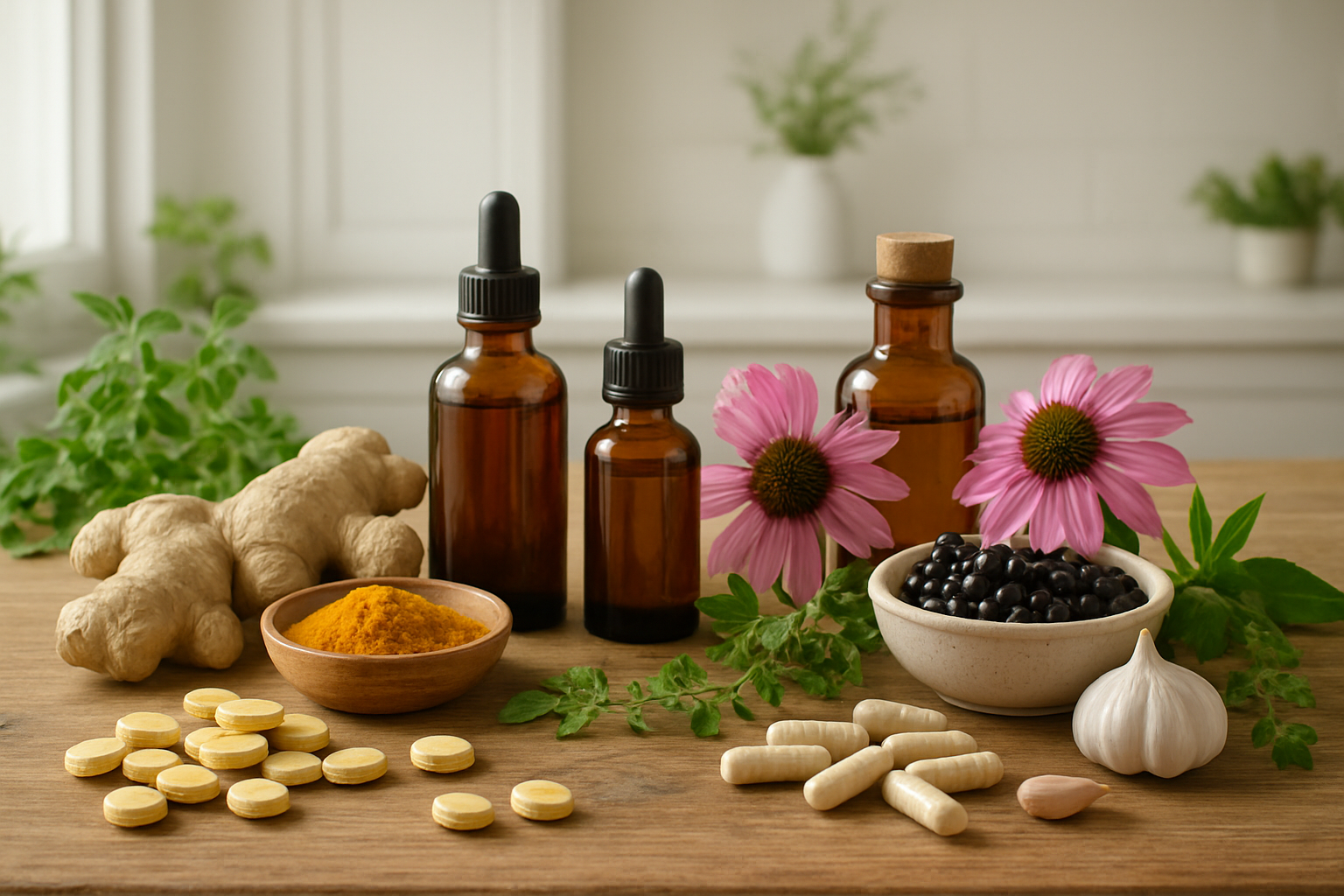
Herbal teas pack serious immune-boosting power while offering a comforting ritual that reduces stress. Echinacea tea stands out as one of the most researched immune supporters, with studies showing it can reduce the duration and severity of cold symptoms by up to 30%. The purple coneflower works by stimulating white blood cell production and enhancing your body’s natural defense mechanisms.
Elderberry tea delivers potent antiviral compounds called anthocyanins that specifically target flu viruses. Clinical trials demonstrate that elderberry can cut flu recovery time in half when consumed within 48 hours of symptom onset. The deep purple berries also provide vitamin C and antioxidants that fight cellular damage.
Ginger tea brings anti-inflammatory gingerols that warm the body and stimulate circulation, helping immune cells move more efficiently throughout your system. Fresh ginger root contains higher concentrations of active compounds than dried versions, so grate fresh ginger into hot water for maximum benefits.
Green tea contains EGCG (epigallocatechin gallate), a powerful catechin that enhances T-cell function and supports antibody production. The L-theanine in green tea also promotes relaxation without drowsiness, creating an ideal environment for immune recovery.
Turmeric tea, enhanced with black pepper for better absorption, provides curcumin’s strong anti-inflammatory effects. This golden spice helps regulate immune responses and prevents the chronic inflammation that can weaken your defenses over time.
Probiotics for Gut Health and Immunity
Your gut houses approximately 70% of your immune system, making gut health absolutely critical for strong immunity. Probiotics introduce beneficial bacteria that crowd out harmful pathogens and strengthen your intestinal barrier – your first line of defense against invaders.
Key Probiotic Strains for Immunity:
| Strain | Primary Benefits | Food Sources |
|---|---|---|
| Lactobacillus rhamnosus | Reduces respiratory infections | Yogurt, kefir |
| Bifidobacterium longum | Enhances vaccine response | Fermented vegetables |
| Lactobacillus casei | Supports T-cell activity | Aged cheeses |
| Saccharomyces boulardii | Prevents antibiotic-associated infections | Probiotic supplements |
Fermented foods naturally contain diverse probiotic populations that work synergistically. Kimchi, sauerkraut, and miso provide multiple bacterial strains along with prebiotic fibers that feed beneficial microbes. Kefir offers more probiotic diversity than yogurt, containing up to 61 different bacterial strains compared to yogurt’s typical 2-3 strains.
Quality matters tremendously with probiotic supplements. Look for products with at least 10 billion CFUs (colony-forming units) that guarantee potency through expiration date. Refrigerated probiotics generally maintain higher viability than shelf-stable versions.
Taking probiotics consistently for at least 8-12 weeks produces measurable immune improvements. The beneficial bacteria need time to colonize your gut and establish protective communities that communicate with immune cells throughout your body.
Essential Oils with Antimicrobial Properties
Essential oils contain concentrated plant compounds that have protected plants from pathogens for millions of years. These same antimicrobial properties can support your immune system when used properly and safely.
Tea tree oil demonstrates broad-spectrum antimicrobial activity against bacteria, viruses, and fungi. Research shows it’s particularly effective against respiratory pathogens when diffused into the air. Never apply tea tree oil directly to skin without diluting it first – mix 2-3 drops with a carrier oil like coconut or jojoba.
Oregano oil contains carvacrol and thymol, compounds so potent they rival some pharmaceutical antibiotics in laboratory studies. Wild oregano oil (Origanum vulgare) provides higher concentrations of active compounds than common cooking oregano. Use only food-grade oregano oil internally, starting with just one drop mixed in honey or olive oil.
Eucalyptus oil’s 1,8-cineole compound helps clear respiratory congestion while fighting airborne pathogens. Add 4-5 drops to a bowl of steaming water and inhale the vapors to open airways and sanitize your respiratory tract naturally.
Frankincense oil supports immune function through its boswellic acids, which help regulate inflammatory responses. This ancient oil can be diffused throughout your home or applied topically when diluted properly.
Safe Usage Guidelines:
- Always dilute essential oils before skin contact (2% dilution = 12 drops per ounce of carrier oil)
- Use high-quality, therapeutic-grade oils from reputable sources
- Start with minimal amounts to test for sensitivities
- Pregnant women and young children should consult healthcare providers before use
- Never apply undiluted oils to mucous membranes
Foods and Habits That Weaken Your Immune System

Processed Foods That Cause Inflammation
Ultra-processed foods create a perfect storm for immune dysfunction. These products contain high levels of refined sugars, trans fats, and artificial additives that trigger chronic inflammation throughout your body. When inflammation becomes constant, your immune system stays in a heightened state of alert, eventually wearing itself out.
Fast food, packaged snacks, frozen meals, and processed meats are the worst offenders. They’re loaded with preservatives, artificial colors, and flavor enhancers that your immune system recognizes as foreign invaders. Your white blood cells rush to respond to these chemicals, diverting resources from fighting actual threats like viruses and bacteria.
The omega-6 fatty acids found in many processed foods create an inflammatory response that can last for hours after eating. Regular consumption of these foods keeps your immune system constantly distracted and weakened. Replace processed options with whole foods whenever possible to give your immune system the break it desperately needs.
Excessive Sugar Intake and Its Immune-Suppressing Effects
Sugar acts like kryptonite to your immune system. Research shows that consuming just 75 grams of sugar can reduce white blood cell effectiveness by up to 50% for several hours. That’s roughly the amount in two cans of soda or a large piece of cake.
High sugar intake disrupts the balance of beneficial bacteria in your gut, where 70% of your immune system lives. When harmful bacteria outnumber the good ones, your body’s first line of defense crumbles. Sugar also increases cortisol production, a stress hormone that suppresses immune function.
Hidden sugars lurk everywhere – in salad dressings, bread, yogurt, and even savory sauces. Reading labels becomes essential for protecting your immune health. The American Heart Association recommends no more than 25 grams of added sugar daily for women and 36 grams for men, but most people consume three times that amount.
Alcohol Consumption Impact on White Blood Cells
Alcohol wreaks havoc on your immune system in multiple ways. Even moderate drinking impairs the function of key immune cells, including T-cells, B-cells, and natural killer cells that fight off infections and cancer cells. Heavy drinking literally shrinks immune organs like the thymus and spleen.
Within 20 minutes of drinking, alcohol begins suppressing your immune response. This effect can last up to 24 hours after your last drink. Regular alcohol consumption disrupts sleep patterns, which further compromises immune function since your body repairs and strengthens its defenses during deep sleep.
Alcohol also damages the lining of your respiratory tract, making you more susceptible to pneumonia and other lung infections. It depletes essential nutrients like vitamin C, zinc, and B vitamins that your immune system needs to function properly. Women who drink regularly have higher rates of infections and slower wound healing.
Smoking and Its Devastating Effects on Respiratory Immunity
Smoking delivers a toxic cocktail of over 4,000 chemicals directly to your lungs, overwhelming your respiratory immune defenses. Each puff paralyzes the tiny hair-like structures called cilia that sweep germs and debris out of your airways. Without this natural cleaning system, infections take hold more easily.
Cigarette smoke destroys immune cells in your lungs and reduces the production of antibodies that fight respiratory infections. Smokers experience more frequent colds, flu, and respiratory infections that last longer and cause more severe symptoms. The risk of pneumonia jumps dramatically for regular smokers.
The damage extends beyond your lungs. Smoking reduces vitamin C levels, impairs wound healing, and increases inflammation throughout your body. Even secondhand smoke exposure weakens immune function, especially in children and elderly individuals. Quitting smoking begins repairing your immune system within just 12 hours, with significant improvements visible within weeks.
Building Long-Term Immune Resilience Through Daily Practices

Creating an Immune-Boosting Meal Plan
Building a sustainable meal plan that supports your immune system starts with understanding the rhythm of your body’s needs throughout the day. Your immune cells work around the clock, requiring consistent fuel to function optimally.
Start your morning with protein-rich foods like eggs, Greek yogurt, or nut butter paired with vitamin C sources such as berries or citrus fruits. This combination provides the amino acids needed for antibody production while delivering antioxidants that protect immune cells from oxidative stress.
Plan your lunches around colorful vegetables and lean proteins. Dark leafy greens, bell peppers, and carrots provide beta-carotene and folate, while fish, chicken, or legumes supply zinc and selenium. Batch-cooking proteins on weekends saves time and ensures you always have immune-supporting options ready.
Dinner should include foods rich in prebiotics like garlic, onions, and asparagus to feed beneficial gut bacteria. Add zinc-rich foods like pumpkin seeds or shellfish, and don’t forget herbs and spices like turmeric, ginger, and oregano that provide powerful anti-inflammatory compounds.
Weekly Meal Prep Strategy:
- Sunday: Prep proteins and chop vegetables
- Monday: Prepare immune-boosting soups or stews
- Wednesday: Make fresh smoothie packs for quick breakfast options
- Friday: Plan weekend meals that include fermented foods
Keep healthy snacks visible and accessible. Nuts, seeds, and fresh fruits should be your go-to options rather than processed foods that can suppress immune function.
Establishing Consistent Sleep and Exercise Schedules
Your immune system operates on a circadian rhythm, making consistency more important than perfection when it comes to sleep and exercise timing. Sleep deprivation can reduce your body’s production of protective cytokines and infection-fighting antibodies by up to 70%.
Create a non-negotiable sleep schedule by going to bed and waking up at the same time every day, even on weekends. Your body produces the most growth hormone and repairs damaged cells between 10 PM and 2 AM, making this window crucial for immune recovery.
Design your bedroom environment to support deep sleep. Keep temperatures between 65-68°F, eliminate blue light two hours before bedtime, and consider blackout curtains or a white noise machine. Your phone should charge outside the bedroom to prevent late-night scrolling that disrupts melatonin production.
Exercise timing affects your immune system differently throughout the day. Morning workouts boost circulation and help distribute immune cells throughout your body, while evening exercise can interfere with sleep if done too close to bedtime. Aim to finish intense workouts at least three hours before sleep.
Optimal Weekly Exercise Schedule:
- Monday/Wednesday/Friday: 30-45 minutes moderate cardio
- Tuesday/Thursday: Strength training or yoga
- Saturday: Longer outdoor activity or recreational sport
- Sunday: Gentle movement like walking or stretching
Listen to your body’s signals. If you feel run down, choose restorative activities like gentle yoga or walking instead of high-intensity workouts that could further stress your system.
Developing Stress-Relief Routines for Sustained Health
Chronic stress floods your body with cortisol, which suppresses immune function and makes you more susceptible to infections. Creating daily stress-relief practices helps reset your nervous system and maintain optimal immune response.
Start with simple breathing techniques you can use anywhere. The 4-7-8 method involves inhaling for 4 counts, holding for 7, and exhaling for 8. Practice this three times whenever you feel tension building. Box breathing (4-4-4-4 pattern) works well during busy workdays when you need quick reset moments.
Build meditation into your routine without making it another source of stress. Even five minutes of guided meditation using apps or YouTube videos can lower cortisol levels. If sitting still feels impossible, try walking meditation or mindful dishwashing where you focus completely on the sensory experience.
Physical stress release techniques work differently for different people. Some find relief through progressive muscle relaxation, where you tense and release each muscle group systematically. Others prefer gentle stretching, foam rolling, or self-massage with tennis balls.
Daily Stress Management Toolkit:
- Morning: 5-minute meditation or journaling
- Midday: Brief walk outside or breathing exercise
- Afternoon: Stretch break or herbal tea pause
- Evening: Relaxing bath, reading, or gentle music
Create boundaries around technology and news consumption. Constant exposure to negative information triggers stress responses that weaken immune function. Designate specific times for checking news and social media rather than scrolling throughout the day.
Connect with others regularly, as social isolation increases inflammation and reduces immune efficiency. Schedule weekly calls with friends, join community groups, or volunteer for causes you care about. Laughter genuinely boosts immune cell activity and reduces stress hormones.
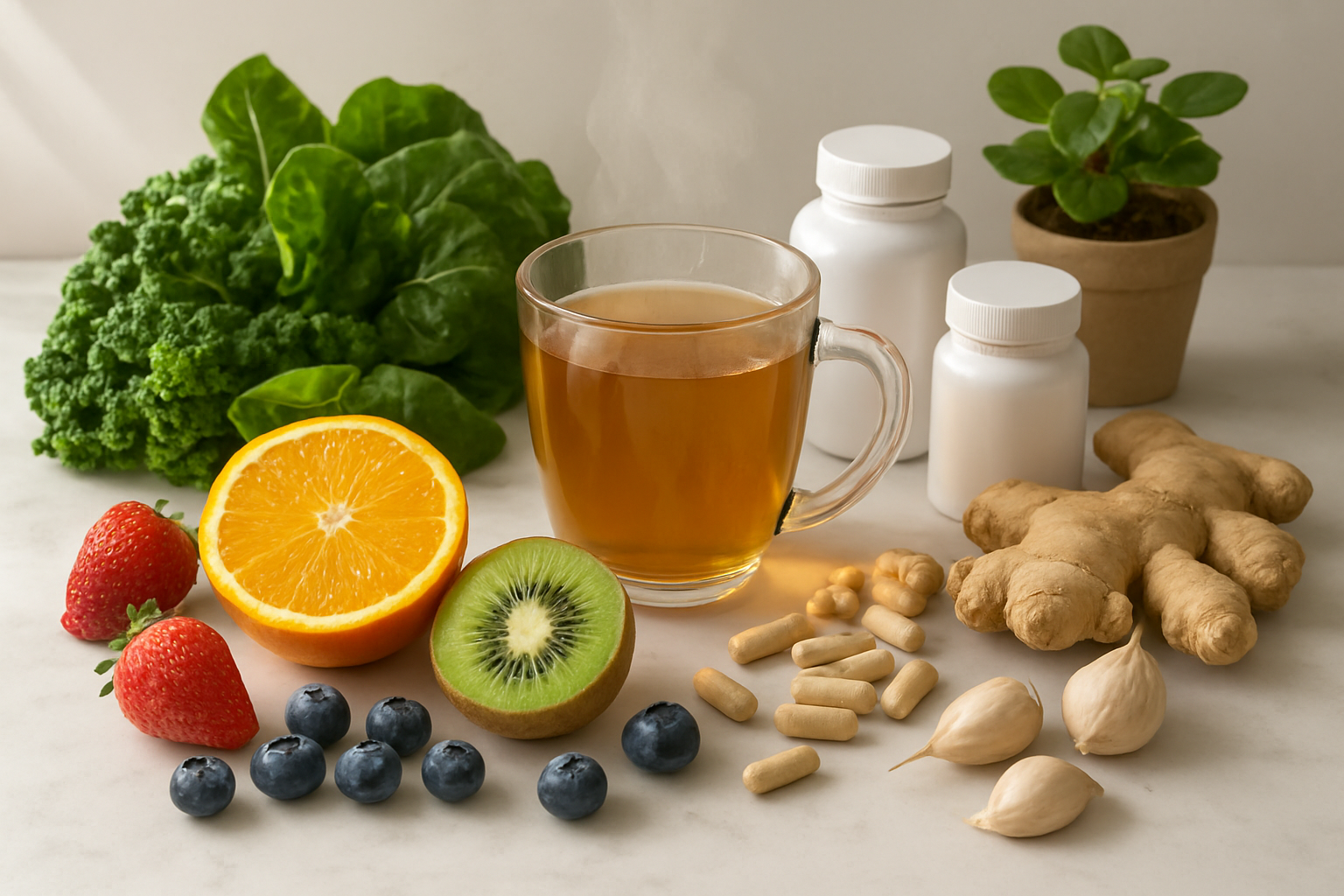
Your immune system works best when you give it the right fuel and support through smart daily choices. Getting enough vitamin C, zinc, and vitamin D while eating plenty of colorful fruits and vegetables sets a strong foundation. Regular sleep, stress management, and staying active help your body’s natural defenses stay sharp and ready to fight off threats.
Small changes add up to big results when it comes to immune health. Start by cutting back on processed foods and sugar, which can drag down your body’s ability to protect itself. Add one or two immune-boosting habits to your routine each week – maybe it’s drinking green tea, taking a daily walk, or trying a new probiotic food. Your immune system is your lifelong partner in staying healthy, so treat it well and it’ll take care of you.

Saurabh Kumar is the founder of SaurabhOrbit.com, a hub for tech news, digital marketing insights, and expert blogging advice. With a deep passion for technology and digital strategies, Saurabh simplifies complex trends into actionable insights for readers looking to stay ahead in the digital world. My mission is to empower entrepreneurs, tech enthusiasts, and marketers with the latest tools and knowledge to thrive in the online space.