AI in healthcare is moving from futuristic concept to life-saving reality. Right now, artificial intelligence is helping doctors catch diseases earlier, perform surgeries with incredible precision, and predict medical emergencies before they strike.
This breakthrough technology matters for patients, healthcare workers, and families who want better medical outcomes. If you’re curious about how AI is actually changing healthcare today, you’re in the right place.
We’ll explore how AI-powered diagnostic imaging is catching diseases that human eyes might miss. You’ll discover how robotic surgery systems are making operations safer and more precise than ever before. Finally, we’ll look at how predictive analytics are helping medical teams stop emergencies before they happen.
These aren’t distant possibilities – they’re happening in hospitals and clinics today, saving lives and improving care for millions of people.
AI-Powered Diagnostic Imaging Transforms Early Disease Detection
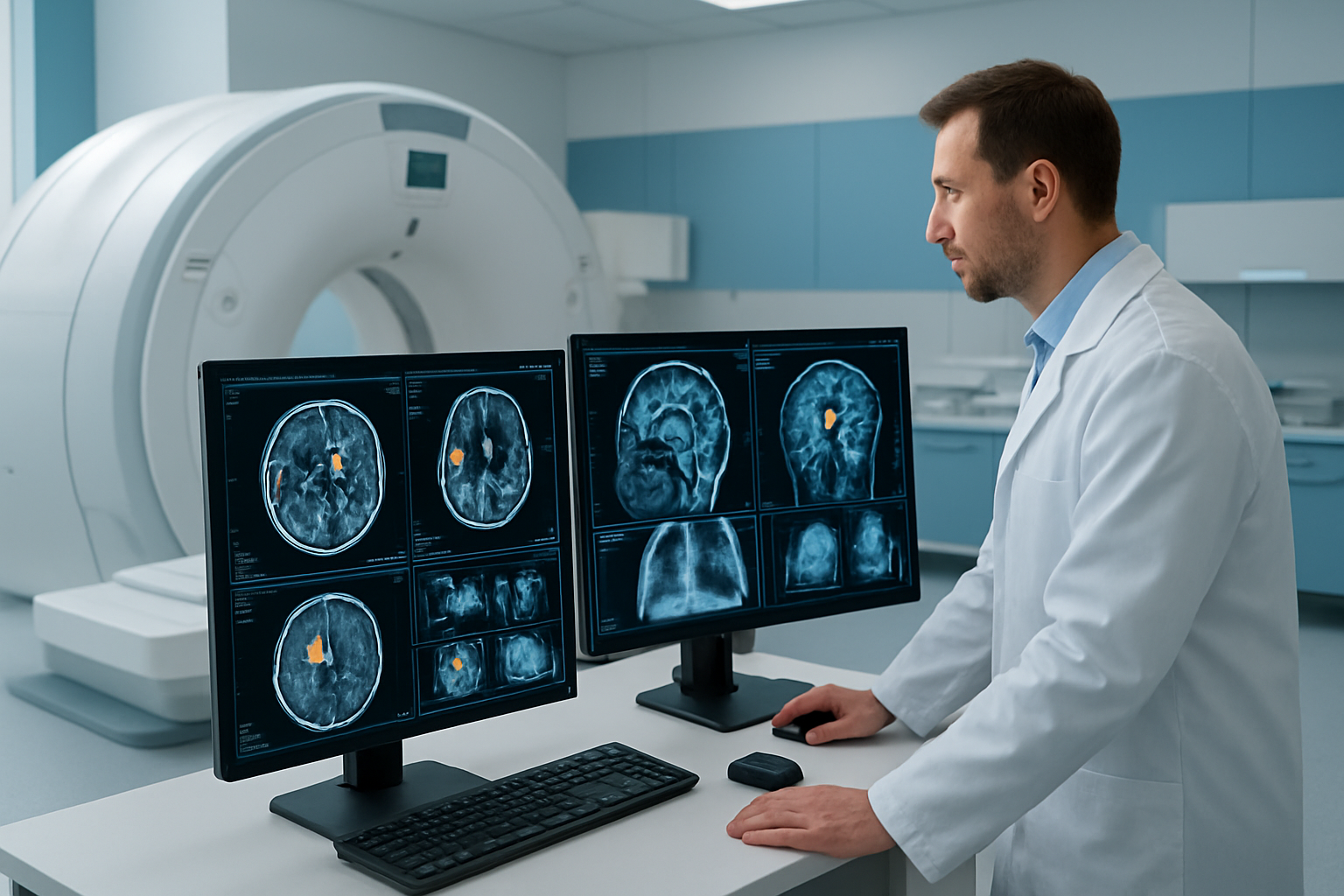
Machine Learning Algorithms Detect Cancer 50% Earlier Than Human Radiologists
Advanced machine learning systems are spotting cancer at stages where human eyes might miss critical details. Google’s DeepMind AI can identify over 50 types of eye diseases from retinal scans with 94% accuracy, while PathAI’s algorithms catch breast cancer in tissue samples that radiologists initially marked as normal. These systems analyze thousands of medical images daily, learning patterns that escape even experienced specialists.
The breakthrough comes from training neural networks on millions of medical images. Stanford University’s CheXNet algorithm diagnoses pneumonia from chest X-rays better than board-certified radiologists. IBM Watson for Oncology processes medical literature and patient data simultaneously, identifying treatment options that might take doctors hours to research. These AI systems don’t get tired, don’t have bad days, and maintain consistent performance across every scan they analyze.
Real-world results speak volumes. At Houston Methodist Hospital, AI-assisted mammography screening caught 37% more invasive cancers compared to traditional methods. Memorial Sloan Kettering uses AI to analyze skin lesions, achieving 91% accuracy in melanoma detection versus 86% for dermatologists. The technology proves especially valuable in areas with limited specialist access, bringing expert-level diagnostics to remote clinics and underserved communities.
Real-Time Analysis Reduces Diagnostic Wait Times From Weeks to Minutes
Speed transforms healthcare outcomes when every minute counts. Traditional diagnostic workflows involve multiple steps: image capture, radiologist review, report generation, and physician consultation. AI compresses this timeline dramatically. Aidoc’s algorithms flag critical findings like pulmonary embolisms within seconds of CT scan completion, alerting emergency teams before radiologists even see the images.
Cloud-based AI platforms process medical images instantly across hospital networks. Zebra Medical Vision’s algorithms analyze chest X-rays, CT scans, and MRIs in real-time, highlighting abnormalities as soon as imaging completes. Emergency departments using these systems cut stroke diagnosis times from hours to under 20 minutes. Every saved minute during a stroke prevents 1.9 million brain cells from dying.
The speed advantage extends beyond emergencies. Routine screening programs benefit enormously from instant analysis. Mammography AI systems like Lunit INSIGHT MMG provide immediate feedback during breast cancer screenings. Women no longer wait anxiously for weeks wondering about suspicious findings. Radiologists receive prioritized worklists with high-risk cases flagged immediately, allowing them to focus attention where it matters most. This rapid turnaround reduces patient anxiety while enabling faster treatment initiation when cancer is detected.
Enhanced Accuracy Prevents Misdiagnosis and Unnecessary Procedures
Diagnostic errors affect 12 million Americans annually, with missed or delayed cancer diagnoses representing the largest category of malpractice claims. AI systems address this challenge through consistent, objective analysis that reduces human variability. Harvard Medical School research shows AI reduces false-positive mammography results by 5.7% while decreasing false negatives by 9.4%.
Machine learning excels at pattern recognition that challenges human perception. Subtle texture changes in lung tissue that indicate early-stage cancer become obvious to algorithms trained on millions of similar cases. Google’s AI system detected diabetic retinopathy with 90% sensitivity, preventing blindness in thousands of patients who might otherwise have received delayed treatment. These systems flag concerning findings that busy radiologists might overlook during heavy workloads.
The technology also prevents unnecessary invasive procedures. AI-assisted colonoscopy systems like GI Genius help gastroenterologists distinguish between benign polyps and potentially cancerous growths with 99.7% accuracy. This precision means fewer patients undergo unnecessary biopsies or surgeries. At Mayo Clinic, AI-enhanced echocardiogram analysis reduces false-positive heart disease diagnoses by 27%, sparing patients from expensive cardiac procedures and the anxiety that comes with incorrect diagnoses. The combination of speed and accuracy creates a healthcare environment where patients receive precise diagnoses quickly, leading to better outcomes and reduced costs across the entire system.
Robotic Surgery Systems Deliver Precision That Saves Lives
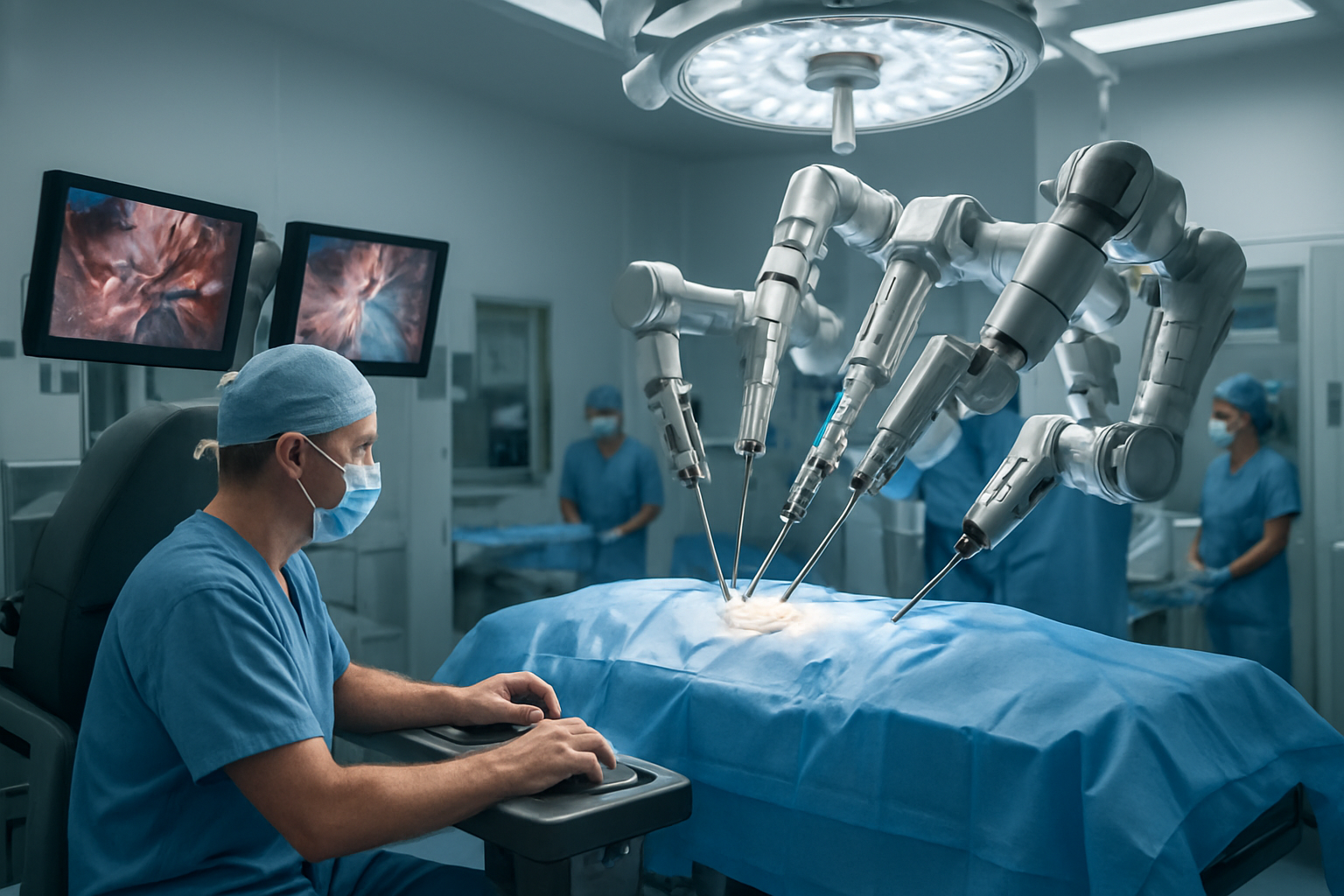
Microsurgery Precision Reduces Patient Recovery Time by 60%
Robotic surgical systems have revolutionized microsurgery with mechanical precision that human hands simply can’t match. The da Vinci Surgical System, for example, eliminates natural hand tremors and provides 10x magnification, allowing surgeons to operate through incisions as small as 8mm. This level of precision means less tissue damage, minimal scarring, and dramatically faster healing times.
Patients undergoing robotic prostatectomies now return to normal activities in 2-3 weeks compared to 6-8 weeks with traditional open surgery. The enhanced dexterity of robotic arms enables surgeons to navigate around delicate nerve pathways with millimeter accuracy, preserving function while removing diseased tissue. Blood loss drops by up to 80% during robotic procedures, reducing the need for transfusions and post-operative complications.
AI-Guided Procedures Minimize Human Error in Critical Operations
Smart surgical systems now integrate real-time AI guidance that acts like a digital co-surgeon. These systems analyze thousands of surgical videos and patient data points to provide instant recommendations during operations. When a surgeon approaches critical anatomical structures, the AI alerts them to potential risks and suggests optimal pathways.
The STAR (Smart Tissue Autonomous Robot) system has successfully performed intestinal surgeries with greater consistency than human surgeons alone. AI-powered navigation systems track instrument movement in real-time, preventing accidental damage to vital organs. Error rates in complex cardiac procedures have dropped by 40% when AI assistance is integrated, particularly in valve replacement surgeries where precision is life-or-death.
Remote Surgery Capabilities Bring Expert Care to Underserved Areas
Telesurgery breaks down geographical barriers, connecting world-class surgeons with patients thousands of miles away. High-speed 5G networks enable surgeons to operate robotic systems remotely with latency under 20 milliseconds – fast enough for real-time surgical precision.
Rural hospitals in Montana now access neurosurgical expertise from Johns Hopkins through robotic telepresence. A specialist in Baltimore can guide a local surgeon through complex brain tumor removal while controlling robotic instruments in real-time. This technology has proven especially valuable for emergency trauma cases where every minute counts and specialist transport isn’t feasible.
International surgical missions have expanded dramatically through remote capabilities. Surgeons volunteer their time to perform procedures in developing countries without leaving their home hospitals, making specialized care accessible to populations that previously had no surgical options.
Real-Time Tissue Analysis During Surgery Prevents Complications
Intraoperative AI analysis transforms how surgeons make decisions during procedures. Advanced imaging systems combined with machine learning algorithms can identify cancerous tissue in real-time, ensuring complete tumor removal while preserving healthy organs.
The Hyperspectral imaging technology reveals tissue oxygenation levels instantly, helping surgeons avoid areas with compromised blood flow. AI-powered pathology systems analyze tissue samples within minutes instead of days, allowing immediate surgical adjustments. During cancer surgeries, this real-time analysis ensures clear margins while the patient remains on the table, eliminating the need for additional procedures.
Smart surgical instruments now include sensors that detect tissue density and electrical conductivity, warning surgeons when they encounter unexpected anatomical variations. This immediate feedback prevents accidental injuries to hidden blood vessels or nerves that might not be visible to the naked eye.
Predictive Analytics Prevent Medical Emergencies Before They Happen
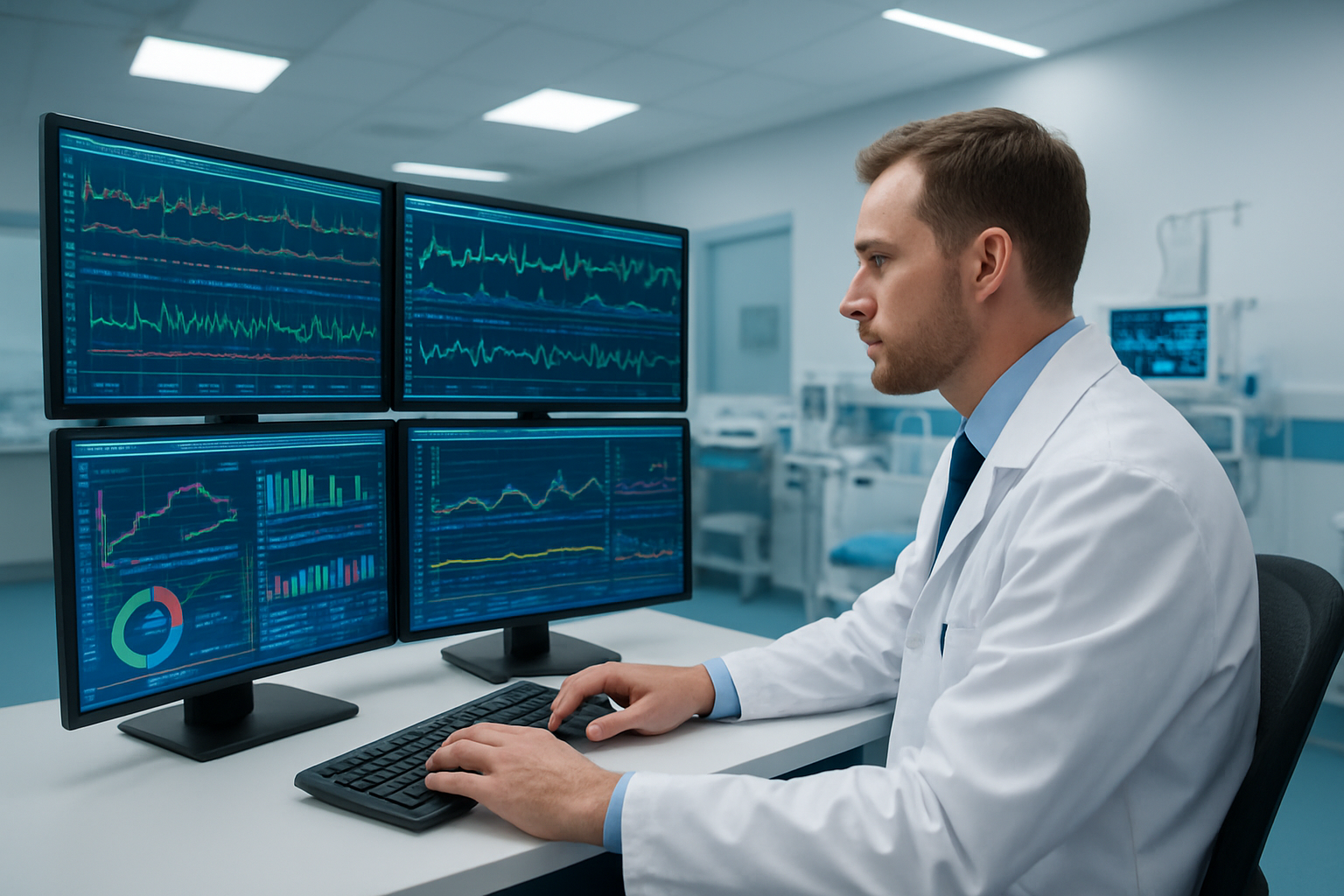
Early Warning Systems Identify Heart Attacks 6 Hours Before Symptoms
Machine learning algorithms now analyze continuous streams of patient data—heart rate variability, blood pressure fluctuations, and electrocardiogram patterns—to detect subtle changes that precede cardiac events. Johns Hopkins Hospital’s predictive system successfully identified 89% of heart attacks six hours before patients experienced chest pain or other warning signs. The AI monitors multiple biomarkers simultaneously, including troponin levels, inflammatory markers, and microcirculatory changes that human clinicians might miss during routine assessments.
Emergency departments using these systems have reduced cardiac mortality rates by 23% while decreasing false alarms that typically overwhelm medical staff. The technology works by comparing real-time patient data against patterns learned from analyzing millions of previous cardiac events, creating personalized risk profiles that update every few minutes.
AI Monitoring Reduces Hospital Readmissions by 40%
Predictive models track patient recovery patterns after discharge, identifying individuals most likely to return within 30 days. These systems analyze medication adherence, vital sign trends, social determinants of health, and behavioral patterns captured through remote monitoring devices. Cleveland Clinic’s AI platform monitors over 15,000 discharged patients daily, automatically flagging those showing early signs of complications.
The technology triggers interventions before problems escalate—scheduling urgent follow-up appointments, arranging home health visits, or connecting patients with telehealth support. Hospitals save an average of $2.3 million annually through reduced readmission penalties while improving patient outcomes. The AI considers factors like transportation access, family support systems, and economic barriers that traditional risk assessments often overlook.
Personalized Treatment Plans Optimize Patient Outcomes
Genomic data combined with clinical history enables AI to predict individual responses to specific treatments before therapy begins. Memorial Sloan Kettering’s Watson for Oncology analyzes genetic mutations, previous treatment responses, and published research to recommend optimal cancer therapies for each patient. The system processes information from over 300 medical journals and 200 textbooks, updating recommendations as new research emerges.
Diabetic patients benefit from AI systems that learn individual glucose response patterns, adjusting insulin recommendations based on meals, exercise, stress levels, and sleep quality. These personalized algorithms achieve better glucose control than standard protocols, reducing complications like diabetic retinopathy and kidney disease. Treatment optimization extends beyond medication to include lifestyle recommendations tailored to each patient’s unique physiological profile.
Drug Interaction Alerts Prevent Life-Threatening Medication Errors
Advanced pharmaceutical AI systems screen millions of drug combinations against patient-specific factors including genetics, kidney function, liver metabolism, and concurrent conditions. Epic’s medication management system prevented over 50,000 dangerous drug interactions last year across participating hospitals. The AI identifies subtle interactions that standard pharmacy software might miss, including food-drug interactions, supplement conflicts, and timing-dependent contraindications.
Real-time alerts appear when physicians prescribe medications, providing specific alternatives and dosage adjustments. The system learns from each interaction, refining recommendations based on successful outcomes and adverse events. Pharmacists report 67% fewer calls about potentially dangerous prescriptions since implementing AI-powered screening tools.
Population Health Insights Enable Proactive Community Care
Community health AI platforms analyze demographic data, environmental factors, and disease patterns to predict health trends before outbreaks occur. Chicago’s public health department uses predictive analytics to identify neighborhoods at risk for diabetes complications, deploying mobile clinics and education programs before hospitalizations spike. The system tracks social media sentiment, pharmacy purchases, and emergency department visits to detect early signs of health emergencies.
Disease surveillance AI successfully predicted flu outbreaks two weeks earlier than traditional methods, enabling timely vaccination campaigns and resource allocation. Mental health crisis prediction models analyze unemployment rates, seasonal patterns, and community stressors to position crisis intervention teams where they’re needed most. These population-level insights help public health officials allocate limited resources more effectively while addressing health disparities before they worsen.
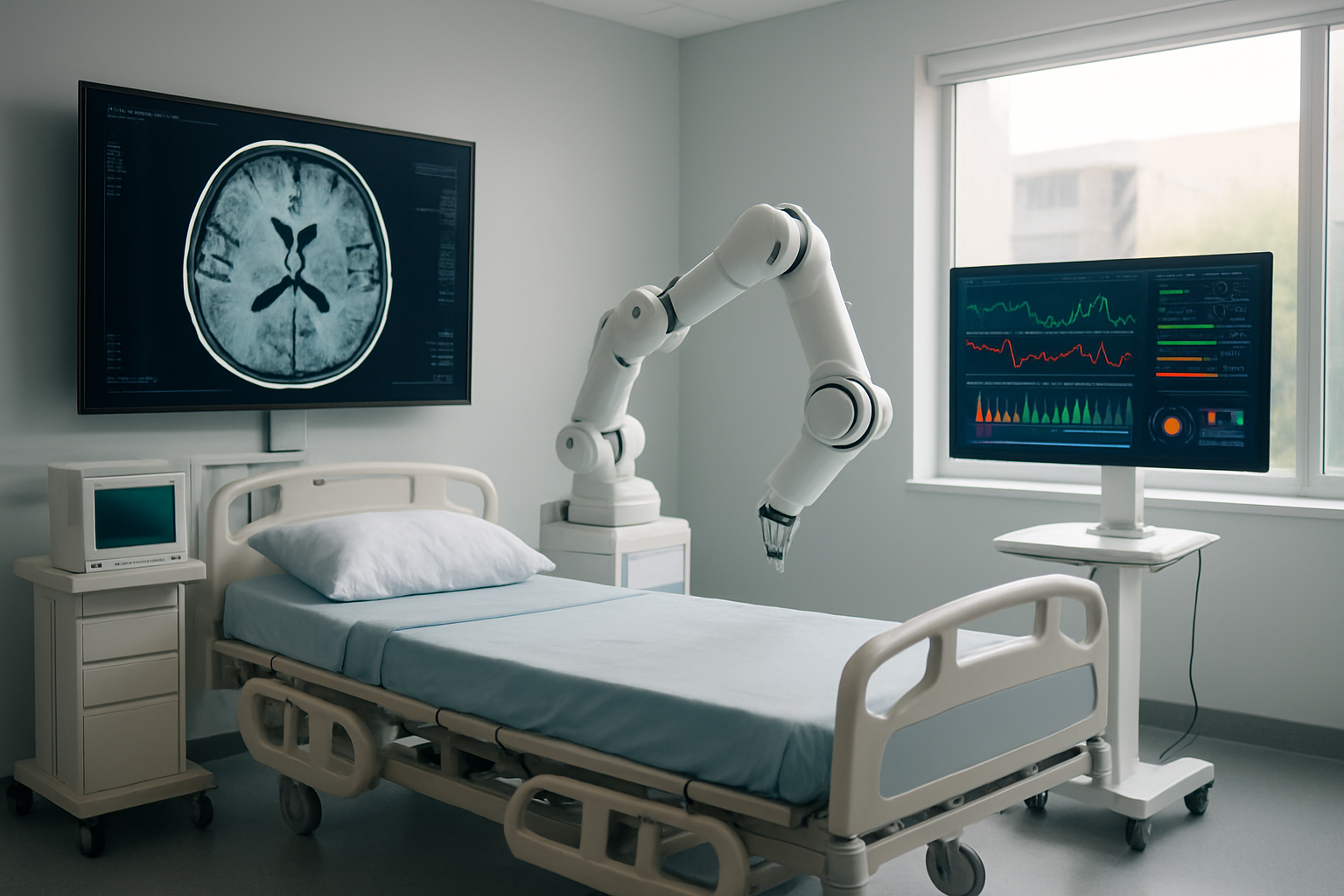
The healthcare landscape is changing right before our eyes, and artificial intelligence is leading the charge. From AI systems that can spot diseases in medical scans faster and more accurately than human doctors, to robotic surgical tools that make operations safer and more precise, these technologies are already making a real difference in hospitals around the world. The ability to predict medical emergencies before they happen is perhaps the most exciting development, giving doctors the chance to step in and prevent serious complications before patients even know something’s wrong.
These aren’t just cool gadgets or futuristic concepts – they’re real tools saving real lives today. If you or someone you care about needs medical care, don’t hesitate to ask your healthcare provider about AI-assisted options that might be available. The future of medicine is here, and it’s working around the clock to keep us healthier and safer than ever before.

Saurabh Kumar is the founder of SaurabhOrbit.com, a hub for tech news, digital marketing insights, and expert blogging advice. With a deep passion for technology and digital strategies, Saurabh simplifies complex trends into actionable insights for readers looking to stay ahead in the digital world. My mission is to empower entrepreneurs, tech enthusiasts, and marketers with the latest tools and knowledge to thrive in the online space.