Sugar cravings can derail even the best health intentions, leaving you reaching for candy, cookies, or that afternoon soda when willpower runs low. This guide is for anyone tired of fighting the sugar cycle – busy professionals, parents juggling family meals, or anyone ready to take control of their eating habits.
You’ll discover why your brain craves sugar in the first place and learn practical swaps that satisfy your sweet tooth without the crash. We’ll also cover how to structure your meals to keep cravings at bay and create an environment that sets you up for success instead of temptation.
These five simple strategies will help you break free from sugar dependence and build lasting habits that stick.
Understand the Science Behind Sugar Cravings
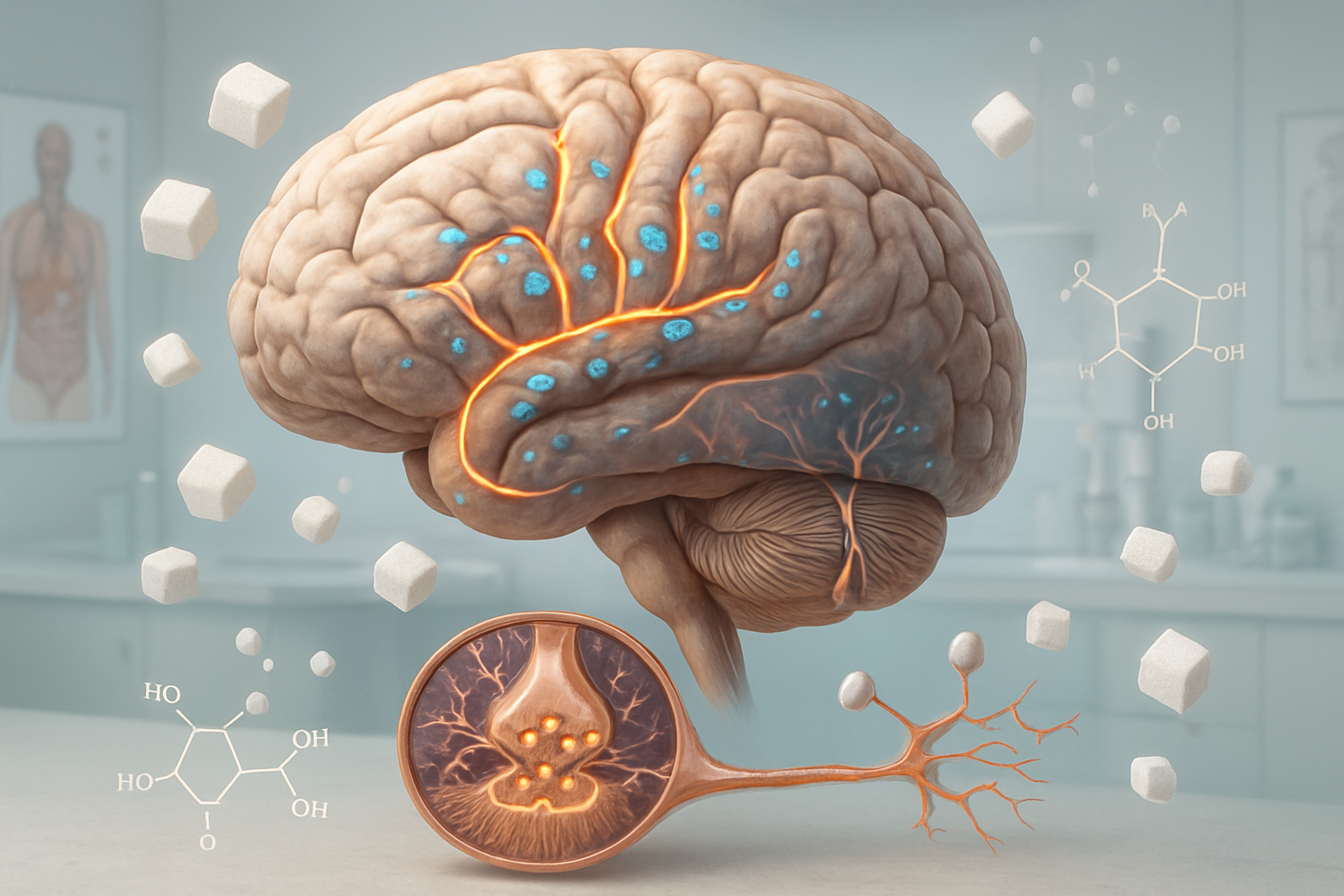
How blood sugar spikes trigger addiction-like responses
When you eat sugar, your blood glucose levels shoot up rapidly, creating a biochemical cascade that your brain interprets as rewarding. This sudden spike triggers your pancreas to release insulin, which quickly shuttles glucose into your cells. The problem starts when blood sugar levels crash just as fast as they rose, leaving you feeling tired, irritable, and desperately craving more sugar.
Your brain remembers this cycle and begins to associate sugar with relief from these uncomfortable low-energy states. Each time you reach for something sweet to “fix” the crash, you’re actually reinforcing a biological loop that mimics addiction patterns. The same neural pathways that activate during drug addiction light up when you consume sugar, making these cravings feel overwhelming and almost impossible to resist.
The speed of blood sugar fluctuations matters more than you might think. Refined sugars and processed foods cause the most dramatic spikes and crashes, while natural foods with fiber create gentler, more sustained energy levels. Your body becomes conditioned to expect quick fixes, making it harder to appreciate slower-acting energy sources.
The role of dopamine in creating sugar dependency
Dopamine acts as your brain’s reward messenger, and sugar consumption triggers massive dopamine releases in the same brain regions affected by cocaine and other addictive substances. When you eat something sweet, dopamine floods your nucleus accumbens – the brain’s pleasure center – creating feelings of satisfaction and happiness.
Here’s where things get tricky: over time, your brain adapts to these regular dopamine surges by reducing the number of dopamine receptors. This means you need increasingly larger amounts of sugar to achieve the same pleasurable feeling. What once satisfied you with a small cookie now requires multiple servings or even stronger sweet treats.
The dopamine response happens before you even swallow. Just seeing, smelling, or thinking about sugary foods can trigger dopamine release, explaining why walking past a bakery or scrolling through dessert photos on social media can spark intense cravings. Your brain has learned to anticipate the reward, creating powerful psychological triggers that operate below conscious awareness.
This neurochemical dependency explains why cutting back on sugar feels genuinely difficult. You’re not lacking willpower – you’re working against millions of years of evolution that programmed your brain to seek high-energy foods for survival.
Why willpower alone fails against biological urges
Relying solely on willpower to overcome sugar cravings is like trying to hold your breath indefinitely – it works temporarily, but biology always wins. Willpower operates from your prefrontal cortex, the brain’s executive center responsible for decision-making and self-control. This region has limited energy reserves and becomes depleted throughout the day, especially when you’re stressed, tired, or making lots of decisions.
Meanwhile, sugar cravings originate from deeper, more primitive brain structures that evolved to ensure survival. These ancient systems are designed to override conscious decision-making when they detect potential energy sources. When your blood sugar drops or stress hormones rise, these survival mechanisms become incredibly powerful, easily overpowering your tired prefrontal cortex.
Sleep deprivation makes this battle even more unfair. Just one night of poor sleep increases activity in brain regions that respond to food rewards while simultaneously weakening areas responsible for self-control. Stress hormones like cortisol also amplify sugar cravings while depleting mental energy needed for resistance.
The most successful approach works with your biology rather than against it. Instead of depending on finite willpower reserves, you can restructure your environment, meal timing, and food choices to reduce the frequency and intensity of cravings. This strategy acknowledges that your brain and body have legitimate needs while redirecting those needs toward healthier solutions.
Replace Sugar with Natural Alternatives

Use Whole Fruits to Satisfy Sweet Tooth Cravings
Fresh fruits offer the perfect solution when sugar cravings hit. Unlike processed sweets, fruits contain fiber, vitamins, and antioxidants that actually benefit your body. The natural fructose in fruits comes packaged with nutrients that slow absorption, preventing the blood sugar spikes you get from candy or cookies.
Berries work particularly well for sugar cravings. Strawberries, blueberries, and raspberries deliver intense sweetness with relatively low sugar content. Keep frozen berries on hand for instant satisfaction – they taste like sorbet when eaten straight from the freezer.
Bananas and dates provide more substantial sweetness for intense cravings. A ripe banana can satisfy even the strongest chocolate urges, while dates offer caramel-like richness that feels indulgent without the guilt.
Incorporate Naturally Sweet Spices Like Cinnamon and Vanilla
Spices trick your brain into thinking you’re eating something sweeter than it actually is. Cinnamon stands out as the superstar here – it naturally enhances perceived sweetness while helping stabilize blood sugar levels.
Add cinnamon to your morning coffee, oatmeal, or yogurt for an instant sweet boost without added sugars. Just half a teaspoon can transform bland foods into treats that feel dessert-like.
Vanilla extract works magic in smoothies, protein shakes, and baked goods. A few drops create the impression of sweetness without any actual sugar. Other sweet spices to experiment with include nutmeg, cardamom, and allspice.
Try Sugar-Free Sweeteners That Don’t Spike Blood Glucose
Modern sugar alternatives offer sweetness without the metabolic chaos of regular sugar. Stevia, derived from a plant, provides intense sweetness with zero calories and no blood sugar impact. Start with tiny amounts – stevia is 200 times sweeter than sugar.
Monk fruit sweetener works similarly to stevia but with a cleaner taste that many people prefer. Erythritol behaves almost exactly like sugar in recipes while containing only 6% of the calories.
| Sweetener | Sweetness Level | Blood Sugar Impact | Best Uses |
|---|---|---|---|
| Stevia | 200x sugar | None | Beverages, yogurt |
| Monk Fruit | 150x sugar | None | Baking, coffee |
| Erythritol | 70% of sugar | Minimal | Baking, desserts |
Create Homemade Treats With Dates and Honey
Dates serve as nature’s candy, offering intense sweetness plus fiber, potassium, and antioxidants. Medjool dates work best for treats – they’re soft, sweet, and blend easily into energy balls or raw desserts.
Try blending dates with nuts and cocoa powder for instant chocolate truffles. Roll the mixture into balls and refrigerate for an hour. These treats satisfy chocolate cravings while providing protein and healthy fats.
Raw honey brings floral sweetness along with enzymes and trace minerals. Unlike refined sugar, honey contains compounds that may actually support your immune system. Use it in homemade granola, energy bars, or as a drizzle over Greek yogurt with berries.
Date paste works as a one-to-one sugar substitute in many recipes. Soak pitted dates in warm water for 10 minutes, then blend until smooth. This paste adds moisture and binding power to baked goods while reducing the need for added sugars.
Balance Your Meals to Prevent Cravings
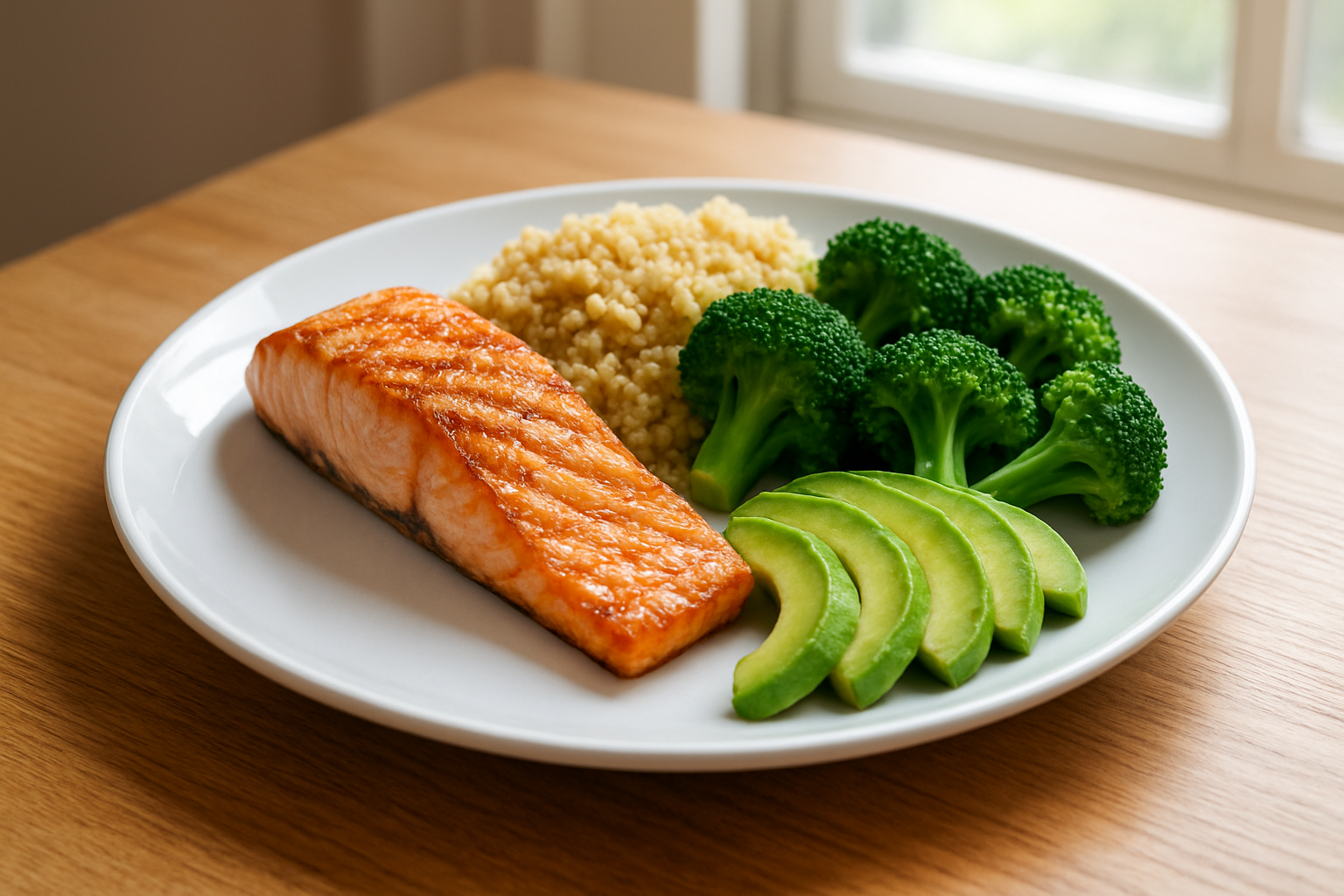
Include protein in every meal to stabilize blood sugar
Protein acts like your body’s steady friend, keeping your blood sugar from going on a wild roller coaster ride. When you eat protein alongside carbohydrates, it slows down how quickly sugar enters your bloodstream, preventing those sharp spikes that trigger intense cravings later.
Your pancreas has to work much harder when blood sugar shoots up quickly, pumping out insulin to bring levels back down. This crash leaves you feeling drained and desperately wanting something sweet to pick you back up. Protein breaks this cycle by creating a gentler, more sustained release of energy.
Aim for 20-30 grams of protein at each meal. Greek yogurt with berries for breakfast, a chicken salad for lunch, or salmon with vegetables for dinner all provide this stabilizing effect. Even snacks benefit from protein – try apple slices with almond butter instead of just the fruit alone.
Plant-based options work just as well. Lentils, quinoa, hemp seeds, and tofu all provide quality protein that helps regulate blood sugar. The key is consistency – skipping protein at one meal often leads to cravings at the next.
Add healthy fats to increase satiety and reduce hunger
Healthy fats are your secret weapon against between-meal cravings. They take more time to digest than carbohydrates, keeping you satisfied for hours instead of minutes. When you feel genuinely full, your brain doesn’t send out those urgent signals for a quick sugar fix.
Avocados, nuts, seeds, olive oil, and fatty fish like salmon contain fats that actually improve your body’s insulin sensitivity. This means your cells become better at using the sugar already in your bloodstream, reducing the need for more.
The texture and richness of healthy fats also provides psychological satisfaction that simple carbs can’t match. A handful of walnuts or a drizzle of olive oil on your salad creates a feeling of indulgence without the blood sugar chaos.
Don’t fear these calories – studies show that people who include moderate amounts of healthy fats in their meals actually consume fewer total calories throughout the day. Your hunger hormones, particularly ghrelin and leptin, respond better when fat is present, creating natural appetite control.
Choose complex carbohydrates over simple sugars
Complex carbohydrates are like slow-burning logs in a fireplace, while simple sugars are like newspaper – they flare up quickly but burn out fast, leaving you cold and wanting more fuel.
Complex carbs contain fiber, which physically slows digestion and prevents rapid blood sugar spikes. Sweet potatoes, quinoa, brown rice, and oats all provide steady energy without the dramatic highs and lows that trigger cravings.
Simple sugars from candy, white bread, or sugary drinks hit your bloodstream within minutes, causing your body to release large amounts of insulin. This hormone doesn’t just lower blood sugar – it also signals your body to store fat and can leave you feeling hungrier than before you ate.
| Complex Carbs | Simple Sugars |
|---|---|
| Sweet potatoes | White bread |
| Quinoa | Candy |
| Steel-cut oats | Soda |
| Brown rice | Pastries |
| Legumes | Fruit juice |
The fiber in complex carbohydrates feeds beneficial gut bacteria, which produce compounds that help regulate appetite and mood. This creates a positive cycle where good food choices support both physical satisfaction and emotional balance, making it easier to resist sugar cravings naturally.
Master Your Environment and Timing
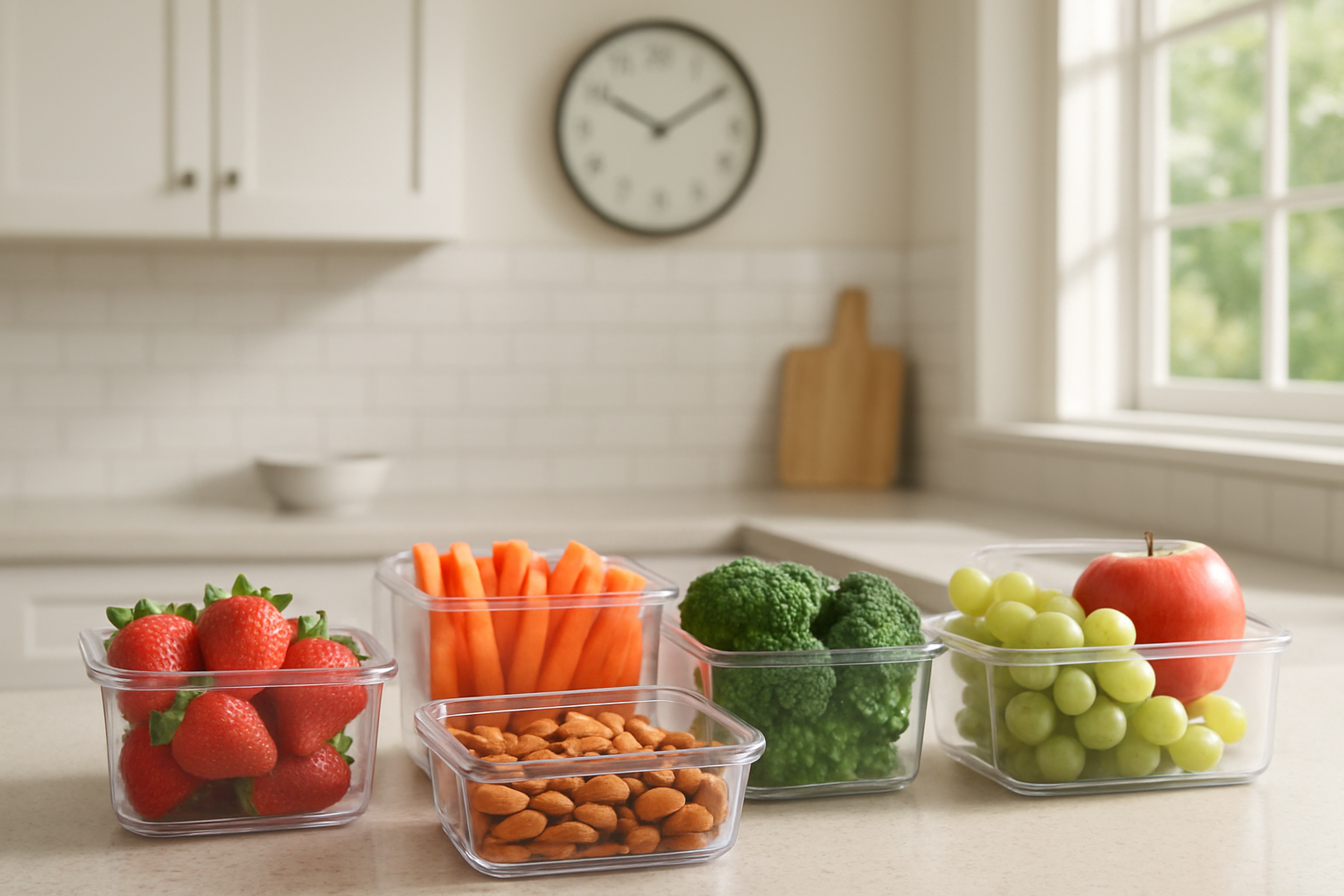
Remove Tempting Sugary Foods from Your Home and Workspace
Creating a sugar-free environment is your first line of defense against cravings. Start by doing a thorough sweep of your kitchen, pantry, and desk drawers. Toss out or donate cookies, candy, ice cream, and other processed sweets that call to you during weak moments. Replace them with healthier options like fresh fruit, nuts, or dark chocolate with at least 70% cacao.
Your workspace needs the same treatment. Clean out your desk of candy stashes and avoid the office candy bowl. If you share living or working spaces with others who keep sugary snacks around, designate specific areas for your healthy alternatives and make them the most accessible option.
Plan Healthy Snacks Before Cravings Hit
Preparation beats willpower every time. Stock your kitchen with satisfying alternatives that can curb sugar cravings before they spiral out of control. Keep pre-portioned snacks ready: apple slices with almond butter, Greek yogurt with berries, or a handful of mixed nuts.
Create a weekly snack prep routine. Wash and cut fresh fruits, portion out nuts into small containers, and prepare homemade energy balls with dates and nuts. Having these options immediately available makes it much easier to choose something nutritious when cravings strike.
Identify Your Personal Craving Triggers and Times
Everyone has unique patterns when it comes to sugar cravings. Keep a simple food and mood journal for one week to identify yours. Note when cravings hit, what you were doing beforehand, your stress level, and your hunger level on a scale of 1-10.
Common triggers include:
- Stress from work or personal situations
- Boredom during downtime
- Social situations involving food
- Specific times of day (afternoon slump, after dinner)
- Hormonal fluctuations
- Lack of sleep
- Dehydration
Once you spot your patterns, you can create targeted strategies for each trigger.
Use the 20-Minute Rule to Wait Out Intense Urges
Cravings are temporary, usually lasting only 10-20 minutes before naturally subsiding. When a strong urge hits, set a timer for 20 minutes and distract yourself with a different activity. Go for a walk, call a friend, organize a drawer, or practice deep breathing exercises.
During this waiting period, drink a large glass of water and ask yourself if you’re actually hungry or just experiencing a craving. Often, the intense desire for sugar will pass completely, proving that it was more about habit or emotion than actual physical need. This simple delay tactic helps rewire your brain’s response to sugar cravings over time.
Build Long-Term Habits for Lasting Success

Gradually reduce sugar intake instead of going cold turkey
Trying to eliminate sugar overnight is like jumping into a freezing pool – shocking, uncomfortable, and likely to make you retreat quickly. Your body has adapted to regular sugar intake, and sudden deprivation triggers intense cravings and potential withdrawal symptoms like headaches, irritability, and fatigue.
Start by cutting your sugar consumption by 25% each week. If you typically add two teaspoons of sugar to your coffee, reduce it to one and a half for the first week, then one teaspoon the following week. This gradual approach allows your taste buds to adjust naturally, making the transition feel less restrictive.
Focus on eliminating one sugar source at a time. Week one might involve switching from regular soda to diet versions, while week two could target afternoon snacks. This methodical approach prevents the feeling of deprivation that often leads to binge eating.
Track your progress to stay motivated and accountable
Documentation transforms abstract goals into tangible achievements. Use a simple food diary or smartphone app to record your daily sugar intake, noting both obvious sources like desserts and hidden ones in processed foods.
Create a visual tracking system that celebrates small wins. A calendar with stickers for sugar-free days or a chart showing your weekly reduction progress provides immediate visual feedback. This visual reminder reinforces positive behaviors and helps identify patterns in your eating habits.
Weekly progress photos and energy level ratings can reveal improvements beyond just reduced cravings. Many people discover better sleep quality, clearer skin, and more stable energy levels as they reduce sugar intake.
Reward yourself with non-food treats for milestones achieved
Breaking the food-reward cycle requires establishing new positive associations. When you complete a week of reduced sugar intake, celebrate with activities that bring genuine joy – a relaxing bath, new book, movie night, or small purchase you’ve been wanting.
Create a reward hierarchy based on your achievements. Daily successes might earn simple pleasures like an extra episode of your favorite show, while weekly goals could unlock bigger treats like a massage or special outing. Monthly milestones deserve more significant rewards that align with your personal interests.
The key is choosing rewards that feel genuinely satisfying without undermining your progress. Avoid using food as a reward, as this perpetuates the emotional eating patterns you’re trying to break.
Get adequate sleep to regulate hunger hormones
Poor sleep wreaks havoc on hormones that control hunger and satiety. When you’re sleep-deprived, your body produces more ghrelin (the hunger hormone) and less leptin (the fullness hormone), creating a perfect storm for sugar cravings.
Aim for 7-9 hours of quality sleep nightly. Establish a consistent bedtime routine that signals your body it’s time to wind down. This might include dimming lights, avoiding screens for an hour before bed, and keeping your bedroom cool and dark.
Sleep deprivation also impairs decision-making abilities, making it harder to resist tempting sugary foods when they’re available. Well-rested individuals show better impulse control and are more likely to make health-conscious food choices throughout the day.
Stay hydrated to reduce false hunger signals
Dehydration often masquerades as hunger, leading to unnecessary snacking and sugar consumption. Your brain sometimes interprets thirst signals as requests for quick energy, typically in the form of sugary snacks.
Drink water first when cravings hit, then wait 15-20 minutes to see if the urge subsides. Keep a water bottle visible throughout the day as a constant reminder to stay hydrated. Adding lemon, cucumber, or mint can make plain water more appealing without adding sugar.
Proper hydration also supports your body’s natural detoxification processes, helping eliminate sugar more efficiently and reducing the intensity of withdrawal symptoms during your transition period.

Sugar cravings don’t have to control your life. Once you understand why your body craves sweet foods and learn to balance your meals properly, you’ll find those intense urges start to fade. Swapping out refined sugar for natural alternatives like fruits and dates can satisfy your sweet tooth without the energy crashes. Creating the right environment and paying attention to when cravings hit strongest gives you the upper hand in this battle.
The real game-changer comes from building habits that stick around for the long haul. Start with one strategy that feels doable for you right now, whether that’s prepping balanced meals for the week or clearing the candy from your kitchen counter. Small, consistent changes beat dramatic overhauls every single time. Your future self will thank you for taking control of those sugar cravings today.

Saurabh Kumar is the founder of SaurabhOrbit.com, a hub for tech news, digital marketing insights, and expert blogging advice. With a deep passion for technology and digital strategies, Saurabh simplifies complex trends into actionable insights for readers looking to stay ahead in the digital world. My mission is to empower entrepreneurs, tech enthusiasts, and marketers with the latest tools and knowledge to thrive in the online space.