How to Go Viral: The Psychology Behind Shareable Content
Going viral isn’t random luck—it’s science. The psychology behind shareable content follows predictable patterns that smart creators use to reach millions of people.
This guide is for content creators, marketers, and business owners who want to understand why some posts explode while others get ignored. You’ll discover the mental triggers that make people hit “share” and learn how to build these elements into your own content.
We’ll break down the essential psychological elements that make content irresistible to share. You’ll also learn practical timing and platform strategies that can multiply your reach. By the end, you’ll have a clear framework for creating content that people can’t help but share with their networks.
Ready to crack the code on viral content? Let’s dive into what really makes people share.
Understanding the Science of Viral Psychology

How emotions drive sharing behavior
The moment someone encounters content that makes them feel something powerful, their first instinct is to share it with others. This isn’t random behavior – it’s hardwired into our brains. Research shows that content triggering high-arousal emotions like awe, anger, amusement, or surprise gets shared 34% more often than neutral content.
When we experience strong emotions, our brain releases stress hormones that create an urge to connect and communicate. Think about the last time you watched a shocking news video or a heartwarming story about a rescue dog. You probably felt compelled to send it to friends or post it on social media within minutes.
The six primary emotions that drive viral content include:
- Awe and wonder – Epic landscapes, incredible achievements, mind-blowing facts
- Anger and outrage – Injustices, controversial opinions, social issues
- Joy and amusement – Funny videos, cute animals, feel-good stories
- Fear and anxiety – Health scares, safety warnings, urgent news
- Surprise and shock – Unexpected plot twists, bizarre discoveries
- Sadness and empathy – Personal struggles, heartbreaking stories, loss
The intensity matters more than the specific emotion. Content that evokes moderate feelings rarely gets shared, while content that creates extreme emotional responses spreads like wildfire across social networks.
The role of dopamine in content engagement
Dopamine acts as the brain’s reward chemical, creating addictive patterns around content consumption and sharing. Every time someone clicks, likes, or shares content, their brain releases a small hit of dopamine, reinforcing the behavior and making them crave more.
This creates what researchers call “intermittent reinforcement” – the same psychological mechanism behind gambling addiction. People keep scrolling, clicking, and sharing because they never know when the next dopamine hit will come. The unpredictability makes it even more powerful.
Social media platforms exploit this by using:
| Dopamine Trigger | How It Works | Example |
|---|---|---|
| Variable rewards | Unpredictable positive responses | Random viral success |
| Social approval | Likes, comments, and shares | Heart icons and notifications |
| Novelty seeking | Fresh, unusual content | Trending topics and challenges |
| Achievement unlocking | Reaching milestones | Follower count increases |
When content creators understand this dopamine cycle, they can craft content that naturally triggers these reward pathways. The key is creating content that delivers immediate gratification while promising future rewards for continued engagement.
Social validation and the need for approval
Humans are social creatures who constantly seek acceptance and status within their communities. Sharing content becomes a way to signal identity, values, and intelligence to peers. Before sharing anything, people subconsciously ask themselves: “What will this say about me?”
This explains why certain types of content perform better in different social circles. Professional networks favor industry insights and career advice, while personal feeds gravitate toward entertainment and lifestyle content. People carefully curate their sharing behavior to maintain their desired social image.
The psychology of social validation drives three main sharing motivations:
- Self-enhancement – Sharing to appear smart, funny, or well-informed
- Social connection – Sharing to start conversations and strengthen relationships
- Altruism – Sharing valuable information to help others
Content that allows people to look good while sharing performs exceptionally well. Educational posts with surprising facts, inspirational quotes, or helpful tips all serve this purpose. They provide value to the audience while elevating the sharer’s reputation.
Cognitive biases that influence viral spread
Our brains use mental shortcuts called cognitive biases to process information quickly, and these same biases determine what content we find compelling enough to share. Smart content creators learn to work with these psychological tendencies rather than against them.
Confirmation bias leads people to share content that supports their existing beliefs. Political content, lifestyle advice, and opinion pieces spread rapidly through like-minded communities because they validate what people already think.
Social proof makes us more likely to engage with content that others have already shared extensively. High share counts, trending hashtags, and celebrity endorsements all trigger this bias, creating snowball effects where popular content becomes even more popular.
Authority bias causes us to trust and share content from perceived experts or influential figures. A health tip from a doctor gets shared more than the same advice from an unknown person, even when the information is identical.
Novelty bias draws our attention to fresh, unusual, or surprising information. Our brains evolved to notice new things that might represent opportunities or threats, making novel content naturally more shareable.
Loss aversion makes negative framing more powerful than positive framing. Headlines like “Don’t Make These 5 Mistakes” often outperform “5 Tips for Success” because our brains prioritize avoiding losses over gaining benefits.
Understanding these biases helps explain why certain content formats consistently go viral while others struggle to gain traction, regardless of their quality or importance.
Essential Elements That Make Content Shareable

Creating strong emotional triggers
People share content that makes them feel something powerful. The most viral content taps into six core emotions: joy, surprise, anger, sadness, fear, and disgust. Joy and anger drive the most shares, with positive emotions spreading faster and farther than negative ones.
Joy-inducing content works because people want to spread happiness. Think about the last time you shared a funny meme or heartwarming video – you wanted others to experience that same positive feeling. This creates a ripple effect where each person sharing expands the content’s reach exponentially.
Anger, while negative, also drives massive engagement. Content that makes people feel outraged or frustrated compels them to share as a form of validation and community building. They’re essentially saying “Can you believe this?” to their network.
The key is matching emotional intensity with your audience’s values and experiences. A moderate emotional response won’t cut through the noise of social media feeds. Your content needs to hit hard enough that people feel compelled to act immediately, before scrolling to the next post.
High-arousal emotions work better than low-arousal ones. Excitement beats contentment. Rage beats sadness. The physiological activation that comes with intense emotions creates urgency and action.
Building relatable and authentic narratives
Shareable content tells stories that people see themselves in. When someone encounters a narrative that reflects their own experiences, struggles, or dreams, they share it because it helps them communicate something about themselves to their network.
Authentic storytelling means showing real problems, real solutions, and real consequences. People can smell manufactured content from miles away, and they won’t share anything that feels like a marketing stunt. The most viral personal stories often reveal vulnerability – someone admitting failure, showing growth, or being brutally honest about their experiences.
Relatability comes from focusing on universal human experiences wrapped in specific details. Everyone understands feeling left out, but the story of being the only person not invited to a specific event resonates more deeply than abstract statements about exclusion.
The narrative structure matters too. Successful shareable content often follows a transformation arc – someone starts in one place and ends up somewhere different. Whether it’s a weight loss journey, career change, or personal revelation, people love stories that show change is possible.
Cultural touchstones and shared references create instant connection. When your content references something your audience already knows and cares about, you’re building on existing emotional investment rather than starting from scratch.
Incorporating surprise and novelty factors
The human brain is wired to notice and remember unexpected information. Surprise breaks through the pattern recognition that usually helps us filter out irrelevant content. When something defies our expectations, we pay attention and often feel compelled to share that “Did you know?” moment with others.
Novelty doesn’t always mean completely new information. Sometimes it’s presenting familiar ideas in unexpected ways, combining concepts that don’t usually go together, or revealing hidden connections between seemingly unrelated topics. The “mind-blown” reaction comes from seeing something ordinary from an extraordinary angle.
Timing plays a huge role in novelty. Being first to share breaking news, trends, or cultural moments gives your content an advantage. People share early content about trending topics because it positions them as informed and connected.
Counter-intuitive information performs exceptionally well. Content that challenges common assumptions or reveals that “everyone knows” something that’s actually wrong tends to spread rapidly. These pieces make sharers look smart and well-informed.
Visual surprises work particularly well on platforms like Instagram and TikTok. Unexpected camera angles, optical illusions, before-and-after reveals, or time-lapse transformations create that double-take moment that stops scrolling fingers dead in their tracks.
The surprise element needs to be front-loaded. If people have to work through several paragraphs or minutes of content before hitting the surprising element, most won’t stick around long enough to discover it, let alone share it.
Leveraging Social Psychology Principles
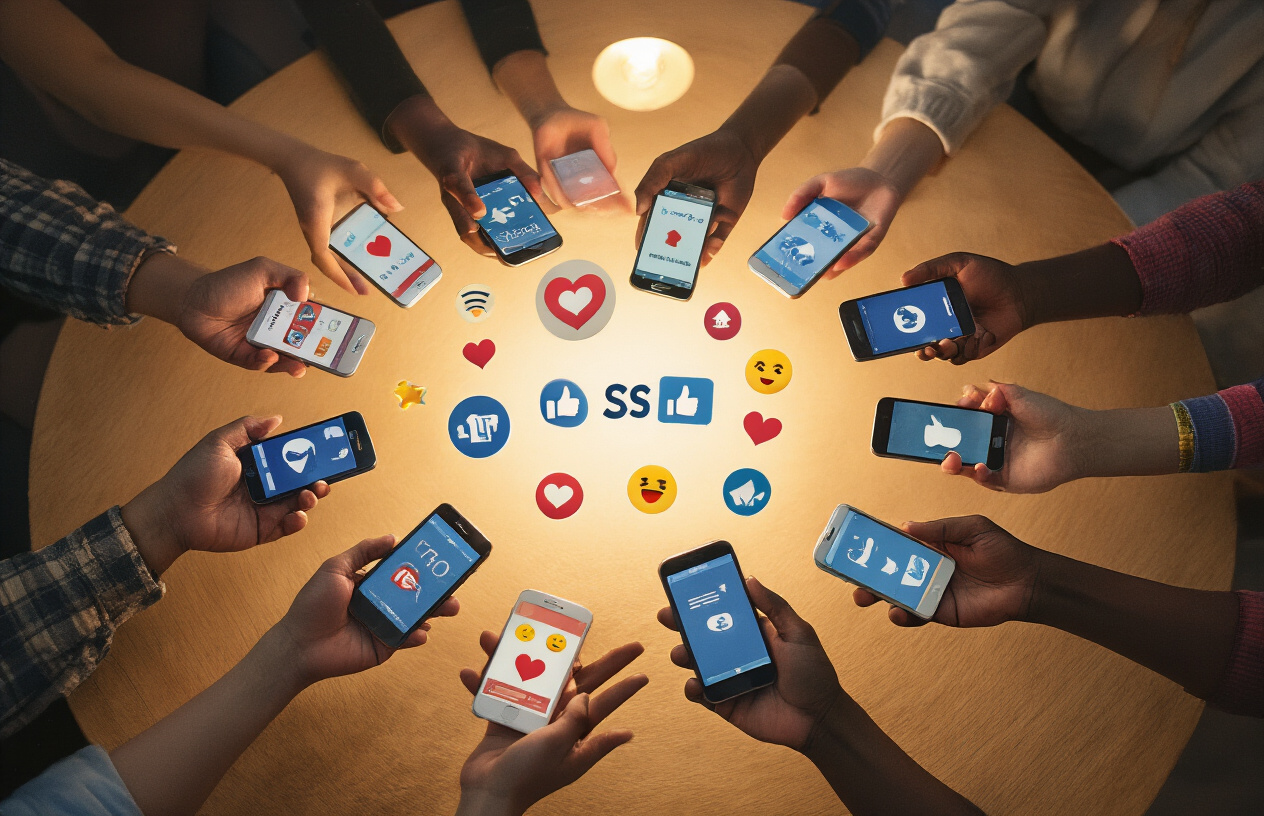
Harnessing the Power of Social Proof
Social proof operates on our deep-seated need to follow the crowd and do what others are doing. When people see that content has been shared thousands of times, they automatically assume it’s worth sharing themselves. This psychological trigger works because our brains take shortcuts when making decisions – if lots of people found something valuable enough to share, it must be good.
Smart content creators display share counts prominently and use language that emphasizes collective action. Phrases like “Join thousands who have already shared this” or “See why 50,000 people couldn’t stop talking about this” tap directly into our herd mentality. The numbers themselves become part of the story, creating a snowball effect where high engagement breeds even more engagement.
User-generated content amplifies social proof exponentially. When real people share their experiences, photos, or opinions about your content, they become authentic validators. Their friends and followers see these genuine endorsements as more trustworthy than any marketing message you could craft.
Using Reciprocity to Encourage Shares
Reciprocity is hardwired into human nature – when someone gives us something valuable, we feel compelled to give back. Content that provides immediate value triggers this psychological response, making people want to return the favor by sharing with their networks.
The key is frontloading value before asking for anything in return. Share actionable tips, entertaining stories, or useful resources first. Once you’ve established that relationship of giving, people naturally feel motivated to reciprocate by sharing your content with others who might benefit.
Free resources work particularly well here. When you offer downloadable guides, templates, or exclusive insights without requiring an email signup, people feel they’ve received something for nothing. This creates a psychological debt they can easily repay by hitting the share button.
Personal stories of vulnerability or failure also activate reciprocity. When creators share their struggles, mistakes, or behind-the-scenes moments, audiences feel they’ve been given intimate access. This perceived gift of authenticity makes them more likely to share the content as a way of supporting the creator.
Tapping into Tribal Identity and Belonging
Humans are tribal creatures who desperately want to belong to groups that share their values, interests, and beliefs. Content that helps people signal their group membership gets shared because it allows them to publicly display their identity and connect with like-minded individuals.
Create content that makes people think “This is so me” or “My friends need to see this.” When someone shares your content, they’re essentially saying “This represents who I am and what I stand for” to their entire network. Political posts, lifestyle choices, hobby content, and professional insights all work because they help people broadcast their tribal affiliations.
Shared enemies or challenges unite tribes even more powerfully than shared interests. Content that positions your audience against a common frustration, outdated belief, or systemic problem gives them something to rally around. When people share this type of content, they’re not just spreading information – they’re recruiting others to join their cause.
Inside jokes, specialized terminology, and cultural references create instant in-group recognition. When your content includes elements that only certain people will understand, those who “get it” feel special and want to share it with others in their tribe while simultaneously excluding outsiders.
Creating Fear of Missing Out (FOMO)
FOMO leverages our anxiety about being left behind or excluded from important experiences, opportunities, or conversations. This psychological trigger makes people share content quickly because they don’t want their friends to miss out either – or worse, discover it from someone else first.
Time-sensitive elements amplify FOMO dramatically. Limited-time offers, breaking news, trending topics, or “first look” content creates urgency that compels immediate sharing. When people believe information has a short shelf life, they act fast to ensure their networks don’t miss the window.
Exclusive access or behind-the-scenes content triggers FOMO by making people feel they have special insider knowledge. When your audience believes they’re among the first to know something or have access to restricted information, they share it to maintain their status as connected insiders within their social circles.
Event-driven content works because it connects to specific moments that won’t come again. Whether it’s live coverage, real-time reactions, or documentation of unique experiences, this type of content makes people feel they need to share it now or their friends will miss being part of the cultural conversation.
Timing and Platform Optimization Strategies

Identifying Peak Engagement Windows
Timing your content release can make or break its viral potential. Your audience’s online behavior follows predictable patterns that you can leverage to maximize visibility and engagement.
Most social platforms see peak activity during specific windows. Facebook and Instagram experience highest engagement between 9 AM and 10 AM, then again from 3 PM to 4 PM on weekdays. Twitter thrives during lunch hours (12 PM to 1 PM) and evening commute times (5 PM to 6 PM). LinkedIn performs best during business hours, particularly Tuesday through Thursday between 8 AM and 2 PM.
Weekend behavior shifts dramatically across platforms. Instagram and TikTok see increased engagement on Saturday and Sunday afternoons when users have more leisure time to scroll and share. Twitter remains active throughout weekends, while LinkedIn activity drops significantly.
Global audiences complicate timing strategies. If your content targets multiple time zones, consider your primary audience’s location first, then schedule additional posts for secondary markets. Tools like Later, Buffer, and Hootsuite provide analytics showing when your specific audience is most active.
Special events and trending topics create temporary engagement spikes. Monitor real-time trends and breaking news in your industry. Publishing relevant content within the first hour of a trending topic can dramatically increase your reach and shareability potential.
Tailoring Content for Platform-Specific Audiences
Each social platform has developed its own culture, expectations, and content preferences. Understanding these nuances allows you to craft platform-specific content that resonates with each audience.
Instagram users expect visually stunning content with authentic storytelling. Stories perform exceptionally well, with 58% of people saying they’ve become more interested in a brand after seeing it in Stories. Use high-quality images, behind-the-scenes content, and user-generated material. Hashtags remain powerful discovery tools – aim for 5-10 relevant hashtags per post.
TikTok thrives on entertainment, trends, and authenticity. Users gravitate toward content that feels spontaneous and relatable rather than polished and corporate. Jump on trending sounds and challenges quickly, but add your unique spin. The platform’s algorithm heavily favors completion rates, so hook viewers within the first 3 seconds.
Twitter users value real-time information, witty observations, and conversation starters. Threads perform well for longer-form content, while single tweets with images or GIFs see higher engagement rates. The platform’s fast-paced nature means posting multiple times daily is acceptable and often beneficial.
LinkedIn audiences seek professional insights, industry knowledge, and career development content. Long-form posts often outperform short updates. Share personal professional experiences, lessons learned, and industry predictions. Video content on LinkedIn receives 5x more engagement than other content types.
Understanding Algorithm Preferences
Social media algorithms prioritize content based on engagement signals, user behavior patterns, and platform-specific factors. Mastering these preferences can dramatically increase your content’s organic reach.
Engagement velocity matters most in the first hour after posting. Algorithms interpret quick likes, comments, and shares as quality indicators, pushing your content to more feeds. Encourage immediate engagement by asking questions, creating polls, or posting controversial (but appropriate) takes on industry topics.
Content format preferences vary by platform. Instagram’s algorithm currently favors Reels over static posts, while Facebook prioritizes video content and meaningful conversations. TikTok’s algorithm weighs completion rates and replays heavily, while LinkedIn values longer reading times and professional discussions.
Consistency signals to algorithms that you’re an active, valuable creator. Regular posting schedules help algorithms predict and distribute your content more effectively. Aim for daily posting on fast-moving platforms like Twitter and TikTok, while 3-5 posts weekly work well for Instagram and LinkedIn.
Cross-platform engagement can boost algorithm performance. When users engage with your content on multiple platforms, algorithms recognize this as a strong quality signal. Create content series that span platforms, encouraging followers to engage across your entire social media presence.
| Platform | Algorithm Priority | Optimal Post Frequency | Key Engagement Signals |
|---|---|---|---|
| Reels, Stories, Recent posts | 1-2 daily | Saves, shares, comments | |
| TikTok | Completion rate, rewatches | 3-5 daily | Watch time, shares, duets |
| Recency, conversation | 3-15 daily | Retweets, replies, clicks | |
| Professional relevance | 3-5 weekly | Comments, shares, connection requests | |
| Meaningful interactions | 1-2 daily | Comments, shares, reactions |
Practical Content Creation Techniques

Crafting Irresistible Headlines and Hooks
Your headline determines whether someone clicks or scrolls past your content. The most effective headlines trigger curiosity, urgency, or emotion within seconds. Numbers work exceptionally well – “7 Secrets” performs better than “Several Secrets” because specificity builds trust and sets clear expectations.
Strong emotional triggers include fear of missing out (“Before It’s Too Late”), exclusivity (“What Experts Don’t Want You to Know”), and personal benefit (“Double Your Results”). Question-based headlines engage readers by making them mentally participate: “What Would You Do If…” or “Could This Be the Reason Why…”
Your opening hook should deliver on your headline’s promise immediately. Start with a surprising statistic, a bold statement, or a relatable scenario. Avoid generic openings like “Have you ever wondered…” Instead, jump straight into compelling content that makes readers think “I need to know more.”
Using Visual Storytelling for Maximum Impact
Visual content receives 94% more views than text-only posts, making imagery your most powerful viral tool. The key lies in creating visuals that tell complete stories without requiring explanation. Infographics work brilliantly because they transform complex information into digestible, shareable formats.
Your visuals should evoke immediate emotional responses. Before-and-after comparisons, behind-the-scenes shots, and user-generated content create authentic connections. Memes and humorous graphics tap into shared cultural experiences, making your audience feel part of an insider group.
Color psychology plays a crucial role – red creates urgency, blue builds trust, and green suggests growth. Consistent visual branding helps your content become instantly recognizable across platforms. Create templates for quotes, statistics, and announcements to maintain visual coherence while speeding up production.
Incorporating Interactive and Participatory Elements
Interactive content generates twice the engagement of static posts because it transforms passive consumers into active participants. Polls, quizzes, and challenges create immediate involvement while providing valuable audience insights.
User-generated content campaigns amplify reach exponentially. Ask followers to share their experiences using branded hashtags, creating authentic testimonials while expanding your visibility. Contests and giveaways drive participation, but ensure entry requirements involve sharing or tagging to maximize viral potential.
Live streaming and real-time Q&A sessions build community while creating urgency – viewers join because they might miss something unique. Interactive stories with polls, questions, and slider features keep audiences engaged longer, signaling platform algorithms to show your content to more users.
Optimizing Content Length and Format
Different platforms reward different content lengths, and understanding these preferences dramatically impacts viral potential. Twitter thrives on concise, punchy messages under 100 characters, while LinkedIn audiences engage more with longer, thoughtful posts between 150-300 words.
Video content should hook viewers within the first 3 seconds – mobile users decide whether to continue watching almost instantly. Keep videos under 60 seconds for maximum shareability, except on platforms like YouTube where longer content can perform well with the right audience.
Break long-form content into scannable chunks using bullet points, short paragraphs, and clear subheadings. White space improves readability and prevents overwhelming your audience. Format matters – carousels on Instagram and LinkedIn often outperform single images because they encourage engagement through swiping.
Building Shareable Call-to-Actions
Generic “please share” requests rarely work. Instead, give your audience specific reasons to share your content with their networks. “Tag someone who needs to see this” creates personal connections while expanding reach. “Share if you agree” taps into people’s desire to express their values publicly.
Make sharing effortless by including pre-written social media captions with your content. When people can easily copy and paste your suggested text, they’re more likely to share. Provide multiple sharing options – some prefer email, others use messaging apps, and many stick to traditional social platforms.
Create shareable quotes and statistics from your longer content. Pull out the most impactful sentences and turn them into standalone graphics. This gives your audience multiple ways to engage with and share your message, increasing your content’s viral potential across different sharing preferences.
Measuring and Amplifying Viral Success

Tracking Key Viral Metrics and Indicators
The difference between content that goes viral and content that dies in obscurity often comes down to knowing which numbers actually matter. Sure, everyone talks about views and likes, but real viral success lives in the details that most creators ignore.
Engagement velocity tells you everything you need to know about viral potential. Track how quickly your content accumulates shares, comments, and saves in the first hour after posting. Content that gains 100 interactions in 60 minutes has exponentially better viral odds than content that slowly climbs to 1,000 over several days.
Keep your eyes on the share-to-view ratio. Viral content typically sees sharing rates between 5-15%, meaning one out of every seven to twenty viewers finds it compelling enough to pass along. When this ratio starts climbing above 10%, you’re witnessing the early stages of viral momentum.
Platform-specific metrics deserve special attention. On TikTok, watch completion rates and rewatches. Instagram rewards saves and story shares. Twitter thrives on retweets with comments rather than simple retweets. Each platform’s algorithm prioritizes different signals, so tailor your tracking accordingly.
Monitor sentiment alongside raw numbers. Viral content can spread for negative reasons, and early sentiment analysis helps you distinguish between good viral and bad viral. Comments containing emotional words, both positive and negative, often predict viral trajectory better than simple engagement counts.
Identifying and Engaging with Influencers
Finding the right influencers isn’t about follower counts anymore. Micro-influencers with 10,000-100,000 engaged followers often drive better viral outcomes than mega-influencers with millions of passive followers. Look for creators whose audiences actively comment, share, and create response content.
Start by identifying influencers who already engage with content similar to yours. These creators have audiences primed for your message and are more likely to authentically share your content. Tools like BuzzSumo and Upfluence can surface these connections, but manual research through hashtags and competitor analysis often yields better relationships.
Build genuine relationships before asking for anything. Comment thoughtfully on their content, share their posts with added value, and engage in conversations. When influencers recognize your username and associate it with quality interactions, they’re infinitely more likely to amplify your content organically.
Create influencer-friendly content by making it easy to share and customize. Provide high-quality visuals, clear messaging, and content that influencers can add their own spin to without diluting your core message. The best viral campaigns give influencers room to make the content feel native to their personal brand.
Scaling Successful Content Patterns
When lightning strikes and content goes viral, most creators celebrate and move on. Smart creators dissect every element to understand the replicable patterns hidden within their success.
Document the anatomy of your viral hits. What time did you post? What emotional triggers did you use? How did you structure the opening hook? What visual elements appeared? Which hashtags gained traction? Create detailed case studies that become your viral blueprint.
Test variations systematically rather than trying to recreate exact replicas. If a behind-the-scenes video went viral, experiment with different behind-the-scenes angles, times of day, and emotional tones. The pattern might be “authenticity” rather than “behind-the-scenes,” and understanding this distinction unlocks endless content possibilities.
Cross-pollinate successful elements across different content formats. A viral Twitter thread structure might work brilliantly as a TikTok series or Instagram carousel. The psychological triggers that made people share remain consistent across platforms, even when the presentation changes.
Build content series around proven viral elements. If vulnerability resonated once, create a weekly series featuring authentic moments. If educational content with surprising facts performed well, develop ongoing educational series using similar revelation patterns. Audiences crave consistency once they connect with a particular content style.
Track pattern performance over time. Some viral elements have short lifespans while others maintain effectiveness for months. Quick-trend elements like popular sounds or memes flame out fast, but emotional patterns and storytelling structures often have lasting power.

Creating viral content isn’t just about luck or random chance. The psychology behind shareable posts reveals clear patterns: content that triggers strong emotions, tells compelling stories, and taps into our basic human needs for connection and belonging performs best. When you understand what makes people click that share button – whether it’s humor, surprise, or something that makes them look smart to their friends – you can craft content that naturally spreads across social networks.
The real magic happens when you combine these psychological insights with smart timing and platform-specific strategies. Start small by testing different types of content with your current audience, pay attention to what gets shared, and don’t be afraid to experiment with bold ideas that stand out from the crowd. Remember, going viral isn’t just about the numbers – it’s about creating something that genuinely resonates with people and gives them a reason to pass it along.

Saurabh Kumar is the founder of SaurabhOrbit.com, a hub for tech news, digital marketing insights, and expert blogging advice. With a deep passion for technology and digital strategies, Saurabh simplifies complex trends into actionable insights for readers looking to stay ahead in the digital world. My mission is to empower entrepreneurs, tech enthusiasts, and marketers with the latest tools and knowledge to thrive in the online space.