The mental health vs physical health debate has sparked countless discussions among health experts, yet the question misses a crucial point. Both dimensions of wellness work together to create your complete health picture.
This guide is for anyone wondering whether to prioritize mental health importance or physical health benefits – from busy professionals juggling stress and fitness goals to students navigating academic pressure while maintaining healthy lifestyle habits.
We’ll explore the mind body connection and reveal how psychological wellbeing directly impacts your physical symptoms. You’ll discover practical strategies for achieving mental physical health balance without choosing sides. Finally, we’ll share actionable steps to build a holistic wellness routine that supports both your mental health awareness and your body’s needs for optimal overall health and wellness.
Understanding the Fundamental Differences Between Mental and Physical Health
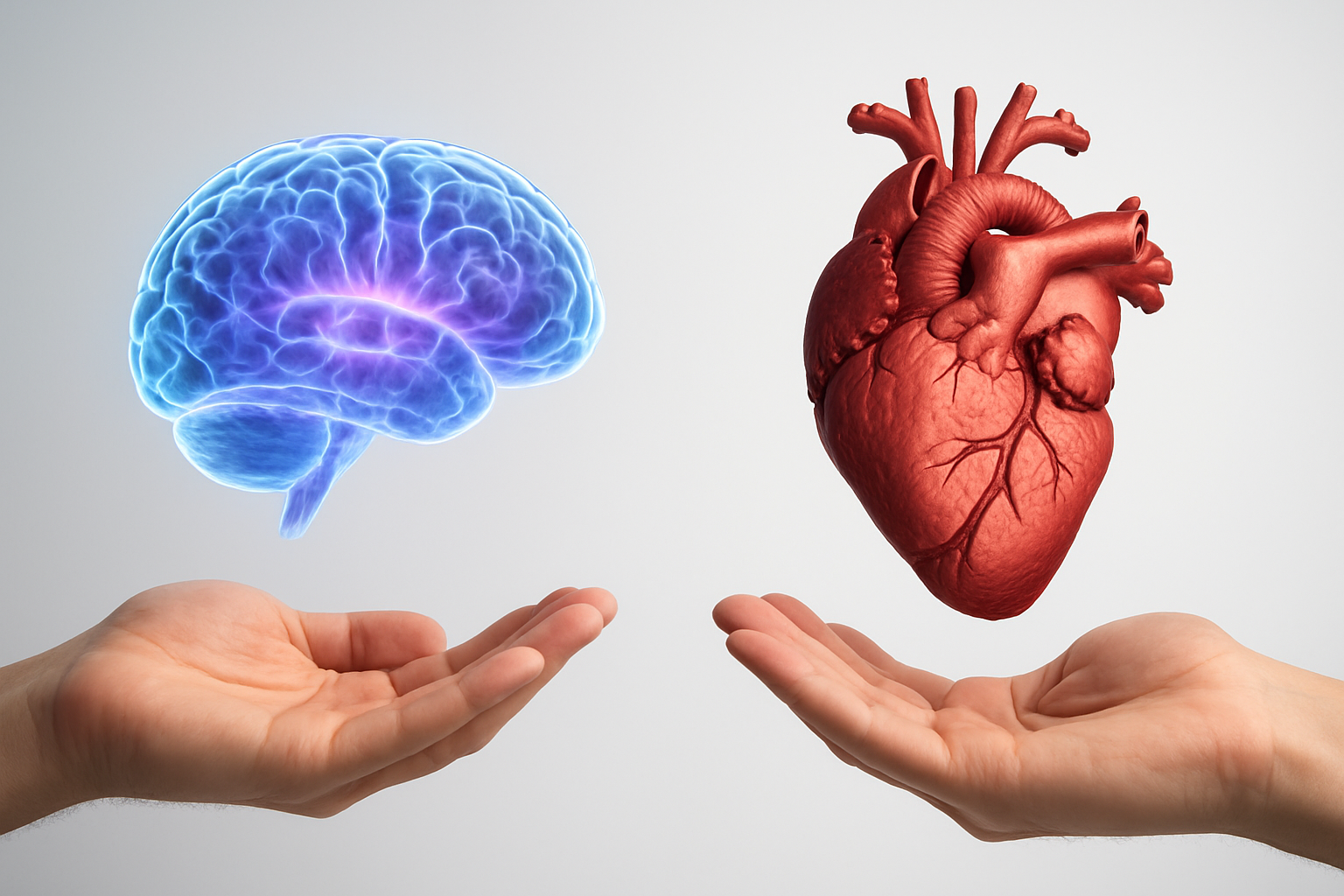
Defining Mental Health and Its Core Components
Mental health vs physical health begins with understanding what each domain actually encompasses. Mental health represents your emotional, psychological, and social well-being. It affects how you think, feel, and act in daily life. The core components include emotional regulation – your ability to manage stress, anxiety, and mood fluctuations. Cognitive function plays a huge role too, covering memory, concentration, and decision-making abilities.
Social connections form another pillar of psychological wellbeing. Your relationships, communication skills, and sense of belonging directly impact your mental state. Self-esteem and personal identity round out the picture, influencing how you view yourself and navigate life’s challenges.
Unlike physical symptoms, mental health indicators often remain invisible. Persistent sadness, overwhelming worry, difficulty concentrating, or changes in sleep patterns signal potential mental health concerns. These components work together like gears in a machine – when one struggles, others feel the impact.
Exploring Physical Health and Its Measurable Indicators
Physical health focuses on your body’s ability to function optimally. Unlike mental health’s subjective nature, physical health benefits show up in measurable ways. Blood pressure, heart rate, cholesterol levels, and body mass index provide concrete data about your body’s condition.
| Physical Health Indicator | Normal Range | What It Measures |
|---|---|---|
| Blood Pressure | 120/80 mmHg | Cardiovascular health |
| Resting Heart Rate | 60-100 bpm | Heart efficiency |
| BMI | 18.5-24.9 | Body composition |
| Blood Sugar | 70-100 mg/dL | Metabolic function |
Strength, endurance, flexibility, and coordination represent functional aspects of physical health. Your immune system’s ability to fight off infections, your body’s capacity to heal from injuries, and your energy levels throughout the day all contribute to this health dimension.
Regular medical check-ups can catch issues early through lab tests, imaging, and physical examinations. Your doctor can spot problems before you even feel symptoms, making physical health monitoring more straightforward than mental health assessment.
Recognizing the Interconnected Nature of Both Health Types
The mind body connection runs deeper than most people realize. Your mental state directly influences physical symptoms and vice versa. Chronic stress triggers the release of cortisol, which can lead to high blood pressure, weakened immunity, and digestive issues. Depression often manifests as fatigue, headaches, and muscle tension.
Physical illness can trigger mental health struggles too. A heart attack survivor might develop anxiety about future cardiac events. Chronic pain conditions frequently lead to depression as people struggle with limitations and discomfort.
Sleep perfectly demonstrates this interconnection. Poor mental health disrupts sleep patterns, while sleep deprivation worsens anxiety and depression. Exercise benefits both domains – it releases mood-boosting endorphins while strengthening your cardiovascular system.
Holistic wellness recognizes that separating mental and physical health creates an artificial divide. Your body and mind operate as one integrated system, constantly influencing each other through complex biological, neurological, and chemical pathways.
Debunking Common Misconceptions About Health Priorities
Society often treats physical ailments as “real” while dismissing mental health concerns as personal weakness. This harmful misconception ignores scientific evidence showing mental health conditions involve actual brain chemistry changes and structural differences.
Another myth suggests you should fix physical problems first, then address mental health. This backwards approach misses how mental health issues can sabotage physical health efforts. Someone with depression might struggle to maintain exercise routines or healthy eating habits, making physical health goals nearly impossible.
The “mind over matter” belief minimizes legitimate mental health struggles. While positive thinking helps, it can’t cure clinical depression any more than willpower can heal a broken bone. Both conditions require appropriate treatment and support.
Some people believe achieving perfect physical health automatically guarantees happiness and mental wellness. Athletes and fitness enthusiasts can still experience anxiety, depression, and other mental health challenges despite peak physical condition.
Mental health awareness continues growing as people recognize these misconceptions. Overall health and wellness requires attention to both dimensions, not choosing one over the other. Healthy lifestyle habits should address your complete well-being, recognizing that true health encompasses both mental and physical vitality.
The Hidden Impact of Mental Health on Your Overall Well-being

How mental health affects your daily productivity and performance
Your mental state acts as the invisible engine driving everything you do. When anxiety clouds your thinking, simple tasks like responding to emails become overwhelming marathons. Depression can make getting out of bed feel like climbing Mount Everest, while stress transforms routine decisions into paralyzing dilemmas.
Mental health directly shapes your cognitive abilities – memory, focus, and decision-making all depend on psychological wellbeing. Research shows that employees experiencing poor mental health take 12 more sick days annually and show 21% lower productivity levels. Your brain’s executive functions, which control planning and problem-solving, become compromised when dealing with mental health challenges.
Sleep quality, often disrupted by mental health issues, creates a cascade effect on performance. Poor sleep leads to reduced concentration, slower reaction times, and increased mistakes. This cycle perpetuates itself as declining performance triggers more stress and anxiety.
Creative thinking suffers tremendously under psychological pressure. When your mind constantly battles negative thoughts or worry, there’s little mental bandwidth left for innovation or strategic thinking. The prefrontal cortex, responsible for higher-order thinking, literally shrinks under chronic stress.
The role of mental wellness in building stronger relationships
Your emotional state ripples outward, touching every relationship in your life. Mental wellness provides the foundation for genuine connection, empathy, and communication skills that healthy relationships require.
When struggling with mental health, you might withdraw from social situations, misinterpret neutral comments as criticism, or react disproportionately to minor conflicts. Depression often creates emotional numbness, making it difficult to express love or appreciation, while anxiety can trigger defensive behaviors that push others away.
Mental health awareness allows you to recognize these patterns before they damage relationships. Emotional regulation skills help you respond thoughtfully rather than react impulsively during disagreements. Self-awareness enables you to communicate your needs clearly and set appropriate boundaries.
Healthy mental states foster:
- Active listening abilities
- Emotional availability for others
- Conflict resolution skills
- Trust-building capacity
- Genuine intimacy and vulnerability
Strong relationships, in turn, support mental wellness through social connection, emotional support, and shared experiences. This creates a positive feedback loop where good mental health strengthens relationships, and strong relationships bolster psychological wellbeing.
Long-term consequences of neglecting your psychological needs
Ignoring mental health creates compound interest in reverse – small problems become massive life disruptions over time. Chronic stress rewires your brain, shrinking areas responsible for memory and emotional regulation while enlarging fear centers. This neurological damage can persist long after the initial stressor disappears.
Untreated mental health issues increase your risk of developing physical ailments. The mind body connection means psychological stress manifests as:
| Mental Health Issue | Physical Consequences |
|---|---|
| Chronic anxiety | Cardiovascular disease, digestive problems |
| Depression | Immune system dysfunction, chronic pain |
| Persistent stress | Inflammation, accelerated aging |
Career trajectories suffer significantly from neglected mental health. Missed opportunities, impaired judgment, and relationship conflicts at work create long-lasting professional setbacks. Many people experience decades of underachievement because they never addressed underlying psychological needs.
Family relationships bear the brunt of untreated mental health problems. Children of parents with unaddressed mental health issues often develop their own psychological challenges, creating intergenerational patterns of struggle. Marriages deteriorate under the weight of unmanaged mental health conditions.
Financial stability erodes through poor decision-making, reduced earning potential, and expensive crisis interventions. The cumulative effect of these consequences creates a life that feels increasingly out of control, where psychological wellbeing becomes even harder to achieve.
Physical Health Benefits That Transform Your Quality of Life

Immediate Energy Boosts from Maintaining Physical Fitness
Regular physical activity acts like a natural energy drink for your body, delivering sustained vitality that caffeine simply can’t match. When you maintain consistent fitness habits, your cardiovascular system becomes more efficient at delivering oxygen and nutrients to your muscles and organs. This enhanced circulation translates into noticeable energy improvements throughout your day.
Exercise triggers the release of endorphins, often called “feel-good” hormones, which naturally elevate your mood and energy levels. Unlike the crash that follows artificial stimulants, this biological boost provides steady, reliable energy that helps you tackle daily challenges with greater enthusiasm.
Your muscle strength and endurance also play crucial roles in how energized you feel. Simple tasks like climbing stairs, carrying groceries, or playing with your kids become effortless when your body is in good shape. This physical ease translates into mental clarity and reduced fatigue, creating a positive cycle where you feel more motivated to stay active.
Disease Prevention Through Proper Physical Health Management
Maintaining physical health benefits extends far beyond looking good – it’s your body’s first line of defense against serious illnesses. Regular exercise strengthens your immune system, making you less susceptible to common infections and reducing inflammation that contributes to chronic diseases.
Cardiovascular exercise significantly lowers your risk of heart disease, stroke, and high blood pressure. Just 150 minutes of moderate activity per week can reduce heart disease risk by up to 35%. Weight-bearing exercises help prevent osteoporosis by maintaining bone density, while strength training protects against muscle loss that naturally occurs with aging.
Blood sugar regulation improves dramatically with consistent physical activity. Your muscles become more efficient at using glucose, reducing diabetes risk and helping those with existing diabetes manage their condition more effectively. This metabolic boost continues working even when you’re at rest.
Cancer prevention research shows compelling evidence that regular physical activity reduces the risk of several cancer types, including colon, breast, and lung cancers. The protective effects come from improved immune function, reduced inflammation, and better hormone regulation.
Enhanced Longevity and Aging Gracefully
Physical fitness adds years to your life and life to your years. Studies consistently show that people who maintain regular exercise routines live an average of 3-7 years longer than sedentary individuals. More importantly, these extra years come with better quality of life and independence.
Your brain benefits tremendously from physical activity. Exercise promotes the growth of new brain cells and strengthens connections between them, protecting against cognitive decline and dementia. Regular movers maintain sharper memory, better decision-making abilities, and faster processing speeds well into their golden years.
Flexibility and balance training prevent falls, which become increasingly dangerous as we age. Maintaining muscle mass through strength training helps preserve independence by ensuring you can perform daily activities without assistance. Your posture improves, reducing back pain and the hunched appearance often associated with aging.
Skin health even benefits from regular exercise. Improved circulation delivers nutrients to skin cells while carrying away toxins, resulting in a natural glow that no expensive cream can replicate.
Improved Sleep Patterns and Recovery Rates
Physical activity serves as a natural sleep aid, helping regulate your circadian rhythms and promote deeper, more restorative rest. People who exercise regularly fall asleep faster and experience longer periods of deep sleep, which is when your body performs its most important repair work.
Your body temperature naturally rises during exercise and drops afterward, triggering drowsiness that makes bedtime more appealing. This thermal regulation helps establish consistent sleep-wake cycles, especially when you exercise earlier in the day.
Recovery from injuries and illnesses happens faster when you maintain good physical fitness. Your enhanced circulation delivers healing nutrients to damaged tissues more efficiently, while your stronger immune system fights off infections more effectively. Even recovery from surgical procedures tends to be quicker and with fewer complications in physically fit individuals.
Stress hormones like cortisol decrease with regular exercise, reducing the anxiety and racing thoughts that often interfere with quality sleep. This creates a beneficial cycle where better sleep supports your fitness goals, and better fitness improves your sleep quality.
The Science Behind Mind-Body Connection
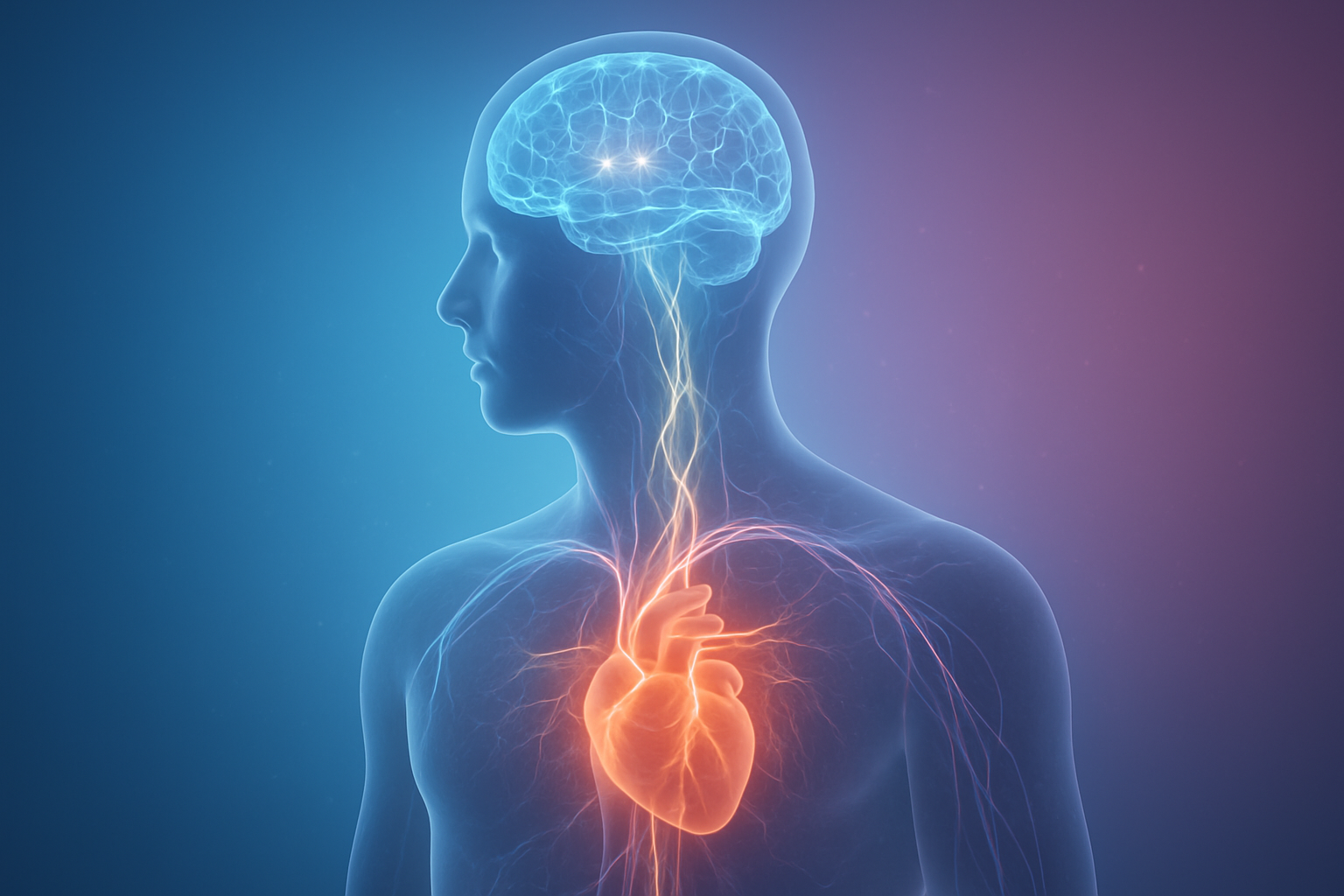
How stress and anxiety manifest as physical symptoms
Your body doesn’t distinguish between mental and physical threats when stress hits. The mind body connection creates a cascade of physical responses that can leave you feeling genuinely unwell. When you’re anxious or stressed, your heart rate spikes, your muscles tense up, and your digestive system goes haywire. These aren’t just “in your head” – they’re real, measurable changes happening in your body.
Chronic stress floods your system with cortisol, leading to headaches, muscle pain, fatigue, and even digestive issues. Many people experience chest tightness, shortness of breath, or that familiar knot in their stomach during anxious moments. Sleep patterns get disrupted, immune function weakens, and inflammation increases throughout the body. This demonstrates why mental health vs physical health isn’t really a competition – they’re deeply intertwined aspects of your overall health and wellness.
Research shows that people with anxiety disorders are significantly more likely to develop cardiovascular problems, while depression often manifests as chronic pain conditions. The holistic wellness approach recognizes that treating mental health symptoms often requires addressing their physical manifestations too.
The way physical exercise improves mental clarity and mood
Exercise acts like a natural antidepressant, triggering the release of endorphins, serotonin, and dopamine – your brain’s feel-good chemicals. Even a 20-minute walk can shift your mental state dramatically, clearing brain fog and boosting mood for hours afterward. The physical health benefits extend beyond just feeling good in the moment.
Regular physical activity literally rewires your brain. It increases BDNF (brain-derived neurotrophic factor), which helps grow new brain cells and strengthens existing neural connections. This is why people who maintain healthy lifestyle habits that include exercise often report better focus, improved memory, and greater emotional resilience.
The timing matters too. Morning workouts can set a positive tone for your entire day, while evening exercise helps process the day’s stress. Whether it’s yoga, running, or strength training, physical movement provides a mental reset that’s hard to achieve any other way. This connection highlights the importance of mental physical health balance in your daily routine.
Neurological pathways linking emotional and physical responses
The vagus nerve serves as a major highway between your brain and body, carrying signals that influence everything from heart rate to digestion. When you experience strong emotions, this nerve system immediately translates those feelings into physical sensations. Your gut produces about 90% of your body’s serotonin, which explains why emotional stress often shows up as stomach problems.
The limbic system, your brain’s emotional center, directly connects to areas controlling pain perception, immune function, and hormone regulation. This explains why heartbreak can literally hurt your chest or why chronic worry leads to actual physical exhaustion. The psychological wellbeing and physical state feed into each other through these neural networks.
Mirror neurons fire both when you experience something and when you observe others experiencing it, creating empathy but also potentially absorbing others’ stress. The prefrontal cortex, responsible for rational thinking, can become overwhelmed during intense emotional states, making it harder to distinguish between emotional and physical discomfort. Understanding these pathways helps explain why mental health importance extends far beyond just feeling emotionally balanced – it’s about maintaining the intricate communication system that keeps your entire body functioning optimally.
Practical Strategies for Balancing Both Health Dimensions

Creating integrated wellness routines that address both areas
Building a routine that nurtures both your mental physical health balance doesn’t require a complete life overhaul. Start your morning with five minutes of mindfulness while drinking your coffee, then add some light stretching or movement. This simple combination activates your mind-body connection right from the start.
Design weekly schedules that alternate between physical activities and mental wellness practices. Monday might feature a strength training session followed by journaling. Wednesday could include yoga, which naturally combines physical movement with mental clarity. Friday might pair a nature walk with meditation. This approach ensures neither aspect gets neglected.
Create “micro-routines” that blend both dimensions throughout your day. Take walking meetings for work calls, practice deep breathing during workouts, or listen to podcasts about psychological wellbeing while doing household chores. These small integrations make holistic wellness feel natural rather than forced.
Track your energy levels, mood, and physical sensations in a simple daily log. Notice patterns between your mental state and physical activities. You might discover that morning runs improve your afternoon focus, or that meditation helps reduce muscle tension.
Identifying personal warning signs for mental and physical decline
Your body and mind send distinct signals when they need attention. Physical warning signs often show up first: persistent headaches, changes in sleep patterns, unexplained fatigue, or frequent minor illnesses. These symptoms can indicate stress overload affecting your immune system.
Mental health awareness becomes crucial when you notice shifts in your thinking patterns. Watch for increased irritability, difficulty concentrating, feeling overwhelmed by normal tasks, or losing interest in activities you usually enjoy. These changes often precede more serious mental health challenges.
Create a personal “warning system” by rating your energy, mood, and physical comfort on a scale of 1-10 each evening. When scores consistently drop below your normal range for three consecutive days, treat it as a red flag requiring immediate attention.
Pay attention to behavioral changes too. Are you avoiding social situations? Skipping meals or overeating? Neglecting hygiene or exercise routines? These shifts often signal that both your mental and physical health need support.
Building sustainable habits that support holistic health
Sustainable healthy lifestyle habits start small and grow gradually. Choose one tiny change that addresses both mental and physical wellbeing simultaneously. Walking for ten minutes while listening to calming music builds cardiovascular health while reducing stress hormones.
Stack new habits onto existing routines to increase success rates. If you already brush your teeth every morning, add two minutes of stretching afterward. If you have a daily commute, use that time for breathing exercises or positive affirmations.
Focus on progress, not perfection. Missing a day doesn’t derail your overall wellness journey. Build flexibility into your routines by having backup plans. Can’t make it to the gym? Do bodyweight exercises at home while listening to your favorite podcast.
Create accountability systems that support both dimensions of health. Find a workout buddy who also values mental wellness, join groups that emphasize overall health and wellness, or use apps that track both physical activity and mood patterns.
Seeking professional help when needed for optimal results
Recognizing when to seek professional guidance prevents small issues from becoming major health crises. Consider consulting healthcare providers when self-care strategies aren’t producing results after 4-6 weeks of consistent effort.
Different professionals serve different aspects of your holistic wellness. Primary care physicians can evaluate physical symptoms and their potential mental health connections. Mental health counselors help develop coping strategies and address psychological concerns. Nutritionists bridge the gap between physical nutrition and mood regulation.
Don’t wait for crisis moments to seek support. Preventive care for both mental and physical health often produces better outcomes than reactive treatment. Annual check-ups should include discussions about stress levels, sleep quality, and emotional wellbeing alongside traditional physical health markers.
Consider integrative approaches that address mind-body connection directly. Therapists trained in somatic techniques, acupuncturists, or massage therapists who understand trauma can provide comprehensive support that traditional healthcare sometimes misses.
Remember that seeking help demonstrates strength, not weakness. Professional guidance accelerates your progress toward optimal mental health importance and physical vitality, creating a foundation for long-term wellness success.

Both mental and physical health work together like dance partners – you can’t have one without the other thriving too. When you take care of your mind through stress management and emotional wellness, your body responds with better sleep, stronger immunity, and more energy. Similarly, regular exercise and proper nutrition don’t just build muscle and prevent disease; they also boost your mood and sharpen your thinking.
The real magic happens when you stop seeing them as separate battles to fight. Start small by adding a 10-minute walk to clear your head, practicing deep breathing when stress hits, or simply getting enough sleep each night. Your mental and physical health feed off each other, so investing in both creates a positive cycle that keeps getting stronger. Don’t pick sides – give both the attention they deserve, and watch how much better life feels.

Saurabh Kumar is the founder of SaurabhOrbit.com, a hub for tech news, digital marketing insights, and expert blogging advice. With a deep passion for technology and digital strategies, Saurabh simplifies complex trends into actionable insights for readers looking to stay ahead in the digital world. My mission is to empower entrepreneurs, tech enthusiasts, and marketers with the latest tools and knowledge to thrive in the online space.