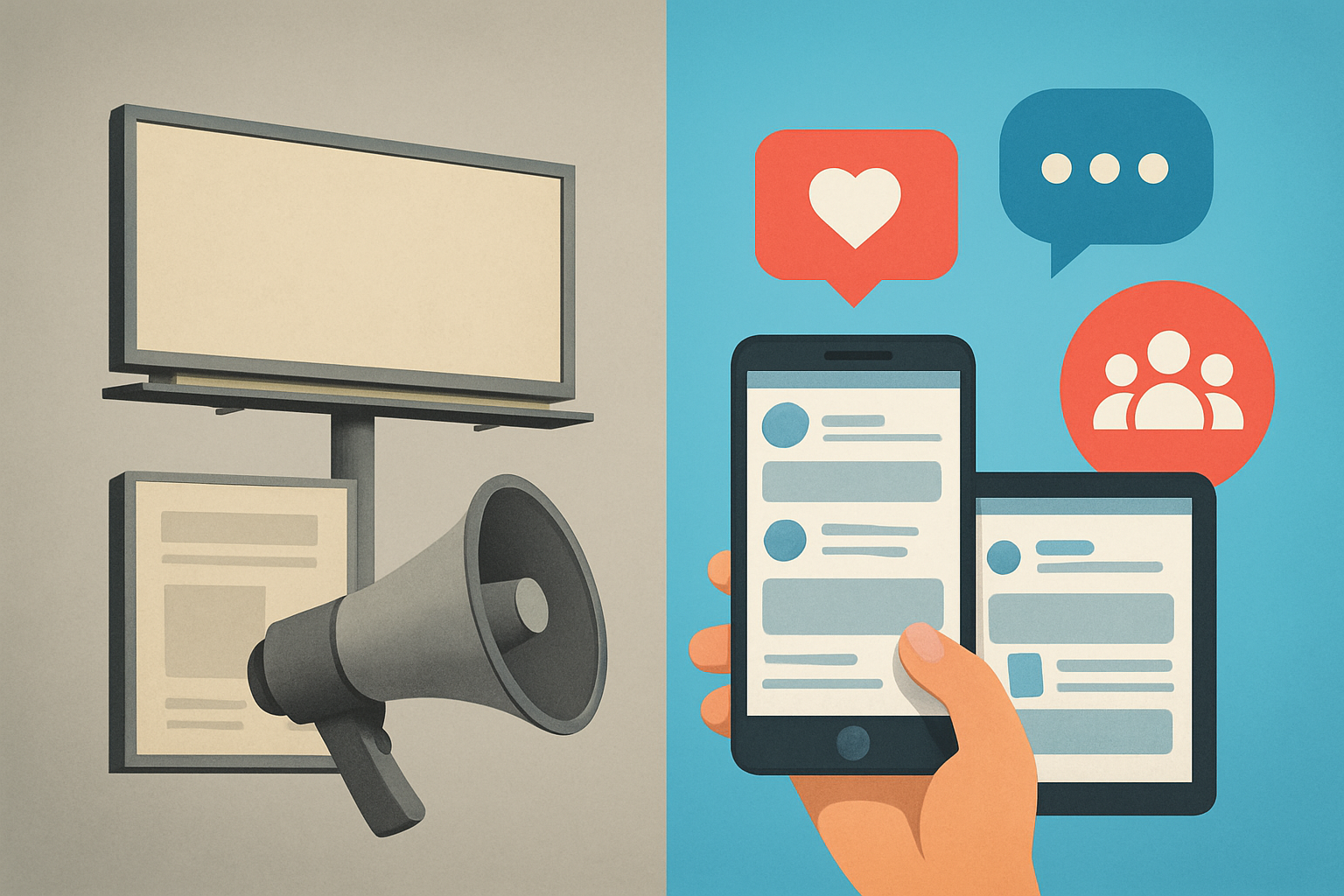
Most marketers fail at social media because they treat it like a billboard instead of a conversation. They push ads, chase vanity metrics, and wonder why their engagement tanks and customers don’t convert.
This guide is for marketing managers, business owners, and social media professionals who want to fix their strategy and start seeing real results from their social platforms.
You’ll discover why treating social media like traditional advertising kills your reach, what users actually want from brands online, and how the obsession with likes and comments destroys long-term growth. We’ll also cover why using identical strategies across different platforms backfires and reveal the content mistakes that turn potential customers away.
Stop wasting time on tactics that don’t work. Let’s fix what 97% of marketers get wrong about social media.
The Fatal Mistake: Treating Social Media Like Traditional Advertising
Why broadcast messaging fails on social platforms
Most marketers approach social media with the same mindset they’d use for a billboard or TV commercial. They craft polished messages, schedule them across platforms, and expect audiences to consume them passively. This approach completely misses the fundamental nature of social media.
Social platforms aren’t advertising channels – they’re conversation spaces. When you broadcast corporate messages without inviting interaction, you’re essentially shouting at people who came to chat with friends. Users scroll past these posts faster than they’d change a TV channel during commercials.
The algorithm punishes this behavior too. Platforms like Facebook and Instagram prioritize content that generates meaningful interactions. When your posts receive minimal engagement because they’re one-directional broadcasts, the platform assumes your content isn’t valuable and shows it to fewer people. You end up paying more for ads while your organic reach plummets.
How one-way communication destroys audience engagement
Social media thrives on reciprocity. Users expect brands to respond, acknowledge comments, and participate in conversations. When companies treat their social accounts like press release distributors, they signal that they don’t care about their audience’s input.
This creates a vicious cycle. People stop commenting because they know they won’t get responses. Without comments, your content appears less engaging to both the algorithm and other users. Your posts start looking like ghost towns – professionally designed but eerily quiet.
The damage goes beyond individual posts. When audiences realize a brand doesn’t engage, they mentally categorize that account as “corporate noise” and begin ignoring all future content. Breaking this pattern requires months of consistent, genuine interaction to rebuild trust.
The cost of ignoring platform-specific user behavior
Each social platform has its own culture and unwritten rules. LinkedIn users expect professional insights and industry discussions. TikTok users want authentic, entertaining content that feels spontaneous. Instagram users appreciate visual storytelling and behind-the-scenes glimpses.
| Platform | User Expectation | Broadcast Mistake |
|---|---|---|
| Professional value | Corporate press releases | |
| TikTok | Authentic entertainment | Polished commercials |
| Visual stories | Stock photo ads | |
| Real-time conversation | Scheduled announcements |
When you ignore these nuances and blast the same corporate message everywhere, you violate each platform’s social contract. LinkedIn users find your TikTok-style content unprofessional. TikTok users find your LinkedIn content boring and stiff.
This platform tone-deafness doesn’t just hurt engagement – it actively damages your brand reputation. Users start seeing you as out-of-touch or, worse, disrespectful of their time and platform preferences. The cost isn’t just lost followers; it’s lost trust that takes years to rebuild.
Misunderstanding What Social Media Users Actually Want

Authentic Connections Over Polished Corporate Content
Social media users scroll past corporate content that feels manufactured or overly produced. They crave genuine interactions with real people behind brands. When your content sounds like it came from a marketing committee, you lose the human element that makes social media powerful.
People want to see the messy, imperfect, real side of your business. Show your team’s personalities, share behind-the-scenes moments, and admit when things don’t go perfectly. A typo in a post often gets more engagement than a perfectly crafted announcement because it feels human.
The most successful brands on social media feel like friends, not faceless corporations. They use conversational language, share personal stories, and respond with genuine emotion. When Nike posts about athletes overcoming challenges, they focus on raw human moments, not just product features.
Value-Driven Interactions Instead of Sales Pitches
Every post doesn’t need a call-to-action or product placement. Social media users want content that enriches their lives, teaches them something new, or entertains them. When you constantly push products, you train your audience to scroll past your content.
The 80/20 rule works well here – 80% valuable content, 20% promotional. Share industry insights, answer common questions, or provide free resources. Buffer built their entire social media presence by sharing marketing tips and insights, rarely mentioning their software directly.
Think about what your audience talks about after work, on weekends, or with friends. Create content around those interests, not just your business objectives. When you add value first, sales opportunities naturally emerge from stronger relationships.
Community Participation Rather Than Passive Consumption
Social media users want to feel part of something bigger, not just consume content from brands. They want to contribute to conversations, share their opinions, and connect with others who share their interests.
Create opportunities for user-generated content, ask questions that spark discussions, and build communities around shared values or interests. Peloton doesn’t just post workout videos – they celebrate member achievements, share transformation stories, and encourage users to support each other.
Host live Q&As, create hashtag campaigns, or start challenges that encourage participation. When people feel like contributors rather than just consumers, they become advocates for your brand. The goal is building a community where your brand facilitates connections between users.
Real-Time Responsiveness Versus Scheduled Automation
Automation has its place, but social media users can smell scheduled, robotic responses from miles away. They expect brands to engage in real conversations, respond to comments thoughtfully, and adapt to current events or trending topics.
When someone leaves a comment or asks a question, respond like a human being, not a chatbot. Reference specific details from their comment, use their name, and add personality to your responses. Wendy’s famous Twitter account succeeds because their responses feel spontaneous and witty, not pre-planned.
Monitor your platforms throughout the day, join trending conversations when relevant, and respond to customer service issues quickly. Real-time engagement shows you’re present and care about your community, not just broadcasting messages into the void.
The Engagement Trap That Kills Long-Term Success
Chasing vanity metrics instead of meaningful conversions
Most marketers get trapped in the numbers game, obsessing over likes, shares, and comments while their actual business objectives collect dust. These surface-level metrics feel good and look impressive in monthly reports, but they rarely translate into revenue or real customer relationships.
The problem starts when teams celebrate 10,000 likes on a post but can’t track how many of those users actually visited their website, signed up for their newsletter, or made a purchase. This disconnect between social media activity and business outcomes creates a dangerous illusion of success.
Smart marketers flip this approach entirely. They start by identifying what actions actually matter for their business – whether that’s email signups, demo requests, or direct sales. Then they work backward to create content and campaigns designed to drive those specific behaviors.
| Vanity Metric | Meaningful Alternative |
|---|---|
| Total followers | Engagement rate of target audience |
| Post likes | Click-through to website |
| Shares | Lead generation |
| Comments | Customer acquisition cost |
Prioritizing viral content over brand-consistent messaging
The viral content trap catches even experienced marketers. When a post unexpectedly explodes across social platforms, teams often scramble to recreate that lightning-in-a-bottle moment, abandoning their carefully crafted brand voice and messaging strategy in the process.
This chase for viral moments creates a schizophrenic brand presence. One day you’re sharing educational industry insights, the next you’re jumping on the latest dance trend because it got millions of views for a competitor. Your audience gets confused about who you are and what you stand for.
Viral content works for entertainment accounts, but business accounts need something more sustainable. Brand-consistent messaging builds trust over time. When customers see your content, they should immediately recognize your voice, values, and expertise without checking the username.
The most successful brands on social media rarely go viral, but they build steady, predictable growth by delivering consistent value that aligns with their core message. They understand that being memorable for the right reasons beats being famous for the wrong ones.
Focusing on followers rather than building loyal communities
Follower count became the ultimate social media trophy, but it’s actually one of the worst indicators of social media success. Companies spend thousands buying followers or running follow-for-follow campaigns, ending up with audiences full of bots, inactive accounts, and people who have zero interest in their products.
Real community building requires a completely different mindset. Instead of broadcasting to the masses, successful brands create spaces where their ideal customers want to spend time, ask questions, and connect with each other. They respond to comments, remember regular contributors, and facilitate conversations between community members.
A community of 500 engaged customers who trust your expertise and recommend your products to their networks will outperform 50,000 passive followers every single time. These loyal community members become your unpaid marketing team, defending your brand during criticism and amplifying your message to their own networks.
Building community takes patience and genuine investment in relationships. It means saying no to quick follower gains and yes to slower, more meaningful growth that actually impacts your bottom line.
Platform Confusion: Using the Same Strategy Everywhere

Why LinkedIn tactics fail on TikTok and vice versa
What works on LinkedIn will bomb spectacularly on TikTok, and TikTok content will make you look completely out of touch on LinkedIn. Each platform operates like a different country with its own culture, language, and social norms.
LinkedIn thrives on professional insights, industry expertise, and polished thought leadership. Users scroll through expecting career advice, business updates, and networking opportunities. Your content needs to position you as knowledgeable and trustworthy. Long-form posts with strategic insights perform well here.
TikTok users want entertainment, relatability, and authentic moments. They’re scrolling for fun, not professional development. The same business tip that gets 500 LinkedIn shares will get zero TikTok views if presented in a corporate tone. TikTok rewards creativity, humor, and personality over polish.
Instagram sits somewhere between these extremes, favoring visual storytelling and lifestyle content. Twitter demands brevity and real-time reactions. YouTube viewers commit to longer content and expect high production value.
The biggest mistake? Copying and pasting the same post across platforms. A motivational quote with a stock photo might work on Instagram, but it’ll disappear into the LinkedIn void where users expect deeper insights. That same quote turned into a 15-second TikTok with trending audio could go viral.
Understanding unique audience behaviors per platform
Platform audiences behave differently because they’re in different mindsets when they open each app. Understanding these psychological states changes everything about how you should communicate.
LinkedIn users are in “professional mode.” They’re thinking about career growth, industry trends, and business connections. They appreciate detailed explanations, data-backed insights, and content that makes them look smart when they share it. Comments tend to be thoughtful and discussion-focused.
TikTok users are in “entertainment mode.” They want quick hits of dopamine, relatable content, and something shareable with friends. Attention spans are measured in seconds, not minutes. Comments are often reactions, jokes, or simple engagement like “this!” or fire emojis.
Instagram users toggle between discovery and connection modes. They’re browsing aesthetically pleasing content while staying connected with friends and interests. Stories get different engagement than posts, and Reels compete with TikTok-style entertainment.
Facebook users increasingly lean older and value community discussions. They engage more with longer-form content and meaningful conversations. Family updates, local community content, and nostalgic posts perform well.
YouTube viewers are in “learning or entertainment mode” and willing to invest time. They expect value that justifies their time investment, whether that’s education, entertainment, or both.
| Platform | User Mindset | Engagement Style | Content Preference |
|---|---|---|---|
| Professional | Thoughtful discussion | Industry insights, career tips | |
| TikTok | Entertainment | Quick reactions | Trendy, relatable, fun |
| Discovery/Connection | Visual appreciation | Aesthetic, lifestyle content | |
| Community | Meaningful conversation | Personal, local, nostalgic | |
| YouTube | Learning/Entertainment | Committed viewing | Educational or entertaining value |
Adapting content formats for maximum platform effectiveness
The same message requires completely different packaging for each platform. Think of it like translating between languages – you’re not just changing words, you’re adapting the entire communication style.
LinkedIn demands authority-building formats:
- Long-form posts with strategic insights
- Professional headshots and workplace photos
- Industry reports and data visualizations
- Carousel posts with business tips
- Native video content discussing trends
TikTok requires entertainment-first approaches:
- Quick tutorials using trending sounds
- Behind-the-scenes authentic moments
- Transformation or before/after content
- Relatable scenarios with popular effects
- Duets and responses to trending topics
Instagram balances aesthetics with personality:
- High-quality photos with engaging captions
- Stories with polls, questions, and behind-the-scenes
- Reels combining entertainment with value
- IGTV for longer-form content
- User-generated content and brand collaborations
YouTube needs substantial value delivery:
- Tutorials and how-to content
- In-depth discussions and analysis
- Entertainment series or storytelling
- Live streams for real-time engagement
- Shorts for quick, digestible content
The key is matching your core message to each platform’s preferred communication style. A productivity tip becomes a data-rich LinkedIn post, a quick TikTok hack, an aesthetic Instagram carousel, and a detailed YouTube tutorial – same value, different packaging.
Timing and frequency mistakes that hurt reach
Posting at the wrong times or with the wrong frequency can kill your content before anyone sees it. Each platform has distinct optimal posting patterns based on user behavior and algorithm preferences.
LinkedIn works best during business hours:
- Tuesday through Thursday, 8 AM to 2 PM
- Early morning when professionals check industry updates
- Avoid weekends when engagement drops significantly
- Post 1-2 times per day maximum to maintain quality
TikTok thrives on consistent, frequent posting:
- Peak hours: 6 AM to 10 AM and 7 PM to 9 PM
- Multiple posts per day can boost visibility
- Weekend engagement often exceeds weekdays
- Timing matters less than consistency and trend participation
Instagram requires strategic timing:
- Weekdays 11 AM to 1 PM and 5 PM to 7 PM
- Stories can be posted multiple times daily
- Feed posts should be limited to once daily
- Reels perform well in the evening hours
YouTube success depends on consistency over timing:
- Regular upload schedules matter more than specific times
- Most audiences consume content in the evening
- Quality trumps quantity – weekly uploads often outperform daily low-quality content
Many marketers make the mistake of posting everything at once across platforms or using the same schedule everywhere. Your LinkedIn audience isn’t online at the same time as your TikTok audience, and flooding any platform with content typically decreases reach rather than increasing it.
Algorithm changes also affect optimal timing. What worked six months ago might not work today, making ongoing testing and adjustment essential for maintaining visibility.
The Content Creation Mistakes Costing You Customers

Over-promoting products instead of solving problems
Most marketers turn their social media feeds into digital catalogs, posting endless product shots with “buy now” messages. This approach backfires because people don’t scroll through social media to shop – they’re there to connect, learn, and be entertained.
The winning strategy flips this script. Instead of pushing products, share solutions. If you sell fitness equipment, don’t just post gym photos. Create content about overcoming workout plateaus, dealing with gym anxiety, or fitting exercise into busy schedules. Your followers will naturally associate your brand with helpful insights.
Smart brands follow the 80/20 rule: 80% valuable content that educates or entertains, 20% promotional content. This builds trust and positions you as a helpful resource rather than a pushy salesperson.
Ignoring user-generated content opportunities
User-generated content (UGC) represents free marketing gold that most brands completely overlook. When customers share photos using your products or mention your brand, they’re doing your marketing work for you – and their friends trust them more than your ads.
Create branded hashtags and encourage customers to share their experiences. Repost customer content (with permission) to show real people enjoying your products. Run contests asking followers to share their stories or creative uses for your products.
UGC works because it provides social proof. When potential customers see real people genuinely using and loving your products, it carries more weight than any polished marketing campaign. Plus, featuring customer content makes your existing customers feel valued and encourages others to share.
Creating content without understanding your audience’s pain points
Generic content gets ignored. Successful social media marketing starts with deep understanding of what keeps your audience awake at night. Too many marketers create content based on what they think sounds good rather than what their audience actually struggles with.
Conduct regular audience research through surveys, comments analysis, and direct conversations. Look at the questions people ask in your industry’s Facebook groups or Reddit communities. Pay attention to the language they use to describe their problems.
When you create content that directly addresses specific pain points, engagement skyrockets. Your audience thinks “finally, someone gets it” and shares your content with others facing similar challenges. This targeted approach builds a loyal community around shared struggles and solutions.
Missing the power of storytelling in social media marketing
Statistics inform, but stories transform. Most brands stick to dry facts and features when they could be telling compelling stories that create emotional connections with their audience.
Every brand has stories worth telling – customer transformations, behind-the-scenes moments, founding stories, employee spotlights, or community impact initiatives. These narratives help people connect with your brand on a human level.
Structure your stories with clear beginnings, challenges, and resolutions. Show the person behind the business or highlight how your product changed someone’s life. Stories make your brand memorable and shareable, turning followers into advocates who spread your message because they’re emotionally invested in your success.

The biggest problem with most social media marketing isn’t a lack of creativity or budget – it’s a fundamental misunderstanding of what these platforms are for. When you treat Instagram like a billboard or LinkedIn like a newspaper ad, you’re missing the entire point. Social media users don’t want to be sold to; they want to connect, learn, and be entertained. They’re scrolling through their feeds to see what their friends are up to, not to find your next sales pitch.
Stop chasing vanity metrics and start building real relationships with your audience. Each platform has its own personality and purpose, so your content should reflect that. Focus on creating value first, whether that’s through helpful tips, behind-the-scenes content, or genuine conversations with your followers. The brands that succeed on social media are the ones that remember there are real people on the other side of the screen – people who can tell when you actually care about them versus when you’re just trying to hit your quarterly numbers.

Saurabh Kumar is the founder of SaurabhOrbit.com, a hub for tech news, digital marketing insights, and expert blogging advice. With a deep passion for technology and digital strategies, Saurabh simplifies complex trends into actionable insights for readers looking to stay ahead in the digital world. My mission is to empower entrepreneurs, tech enthusiasts, and marketers with the latest tools and knowledge to thrive in the online space.