
You’ve been told that 5 AM workouts are the secret to success, but your morning exercise routine might be wreaking havoc on your hormones. If you’re a dedicated early exerciser who’s noticed unexplained fatigue, mood swings, or stubborn weight gain despite consistent training, this article is for you.
Morning workouts are destroying your hormones when they clash with your body’s natural cortisol patterns and disrupt crucial recovery processes. Many fitness enthusiasts unknowingly push their stress hormones into overdrive by exercising when cortisol levels are already at their peak.
We’ll explore how your natural hormone rhythm actually works and why timing matters more than you think. You’ll discover the science behind morning exercise stress response and learn to recognize the hidden signs that your dawn training sessions are backfiring. Finally, we’ll reveal the optimal workout timing for hormonal health so you can exercise smarter, not just harder.
How Your Natural Hormone Rhythm Works
Understanding your body’s natural cortisol awakening response
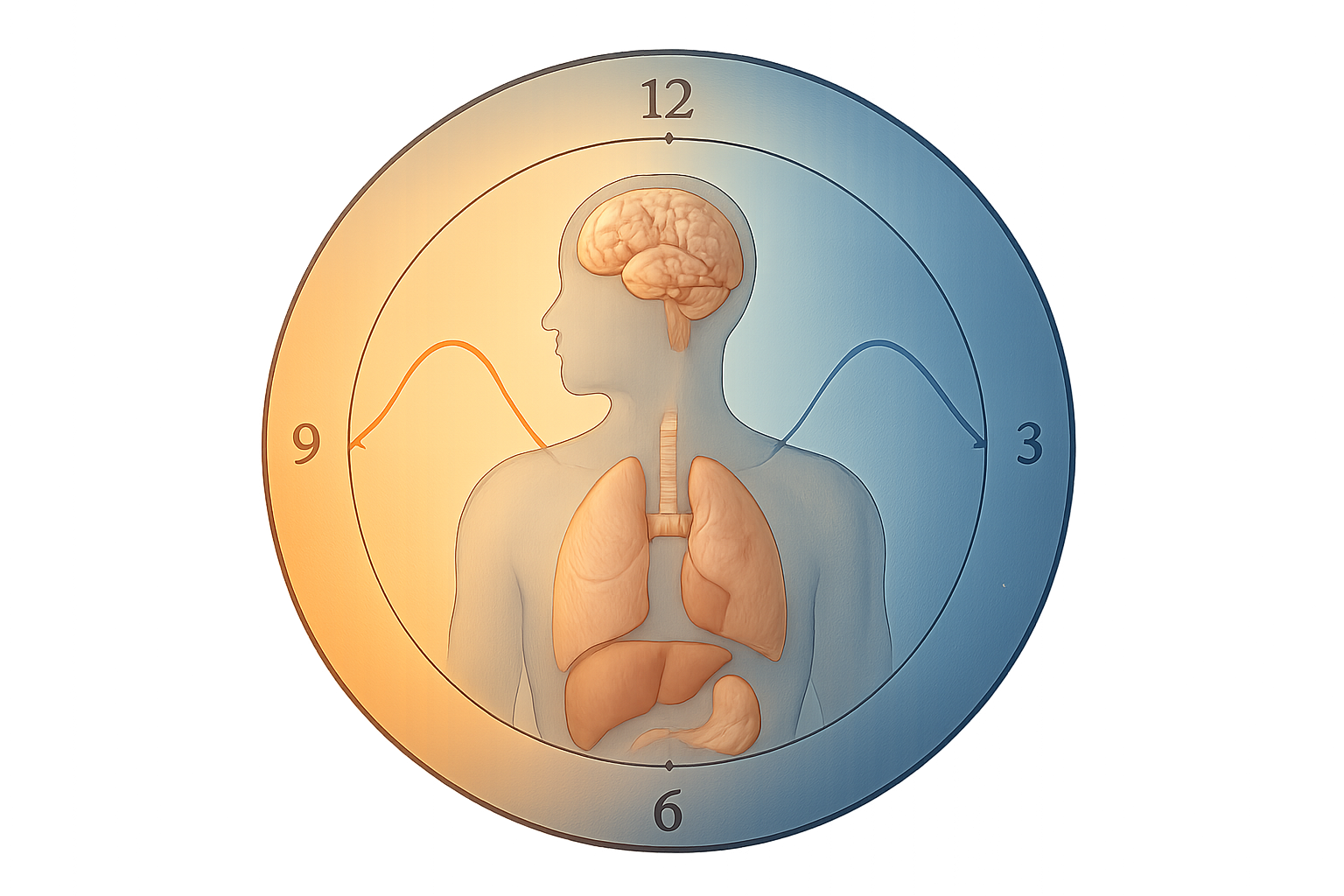
Your cortisol levels don’t just randomly spike throughout the day. They follow a precise pattern that’s been fine-tuned by millions of years of evolution. The moment you wake up, your adrenal glands release a surge of cortisol that can increase levels by 50-75% within the first 30 minutes. This natural alarm clock helps you transition from sleep to wakefulness, mobilizing glucose for energy and sharpening your mental focus.
This cortisol awakening response (CAR) peaks around 30-45 minutes after you open your eyes, then gradually declines throughout the morning. People with healthy hormone patterns typically see their cortisol drop by 50% within 2-3 hours of waking. Your cortisol should then continue its gentle descent, reaching its lowest point around 11 PM to prepare your body for sleep.
When you stack intense morning exercise on top of this already elevated cortisol, you’re essentially throwing gasoline on a fire. Your body can’t distinguish between the stress of a 6 AM HIIT session and the stress of running from a predator. Both trigger the same hormonal cascade that can keep cortisol unnaturally high for hours.
The role of melatonin in regulating sleep-wake cycles
Melatonin works as cortisol’s counterpart, creating the yin and yang of your circadian rhythm. As cortisol drops throughout the evening, melatonin production ramps up in your pineal gland, typically starting around 9 PM when light exposure decreases. Peak melatonin levels occur between 2-3 AM, helping you stay in deep, restorative sleep.
Morning workouts can seriously mess with this delicate balance. High-intensity exercise suppresses melatonin production for up to 24 hours after your workout. This creates a domino effect where your evening melatonin surge gets blunted, making it harder to fall asleep despite feeling physically exhausted.
The blue light exposure from gym environments and early morning screens compounds this problem. Even brief exposure to bright lights during early morning hours can shift your circadian clock, pushing your natural bedtime later and creating a cycle of sleep debt that becomes increasingly difficult to break.
How growth hormone peaks during deep sleep phases
Growth hormone doesn’t just help kids grow taller – it’s your body’s primary repair and recovery hormone throughout your entire life. About 70% of your daily growth hormone production happens during deep sleep, specifically during the first few hours after you fall asleep.
This nocturnal growth hormone surge repairs muscle tissue, strengthens bones, burns fat, and supports immune function. The timing is critical because growth hormone release is tightly linked to your sleep architecture. You need to reach and maintain deep sleep stages for optimal hormone production.
Morning workouts can sabotage this process in two ways. First, the elevated cortisol from early exercise directly suppresses growth hormone release that night. Second, the disrupted sleep quality from altered melatonin production means you spend less time in the deep sleep phases where growth hormone peaks occur.
| Sleep Stage | Growth Hormone Activity | Impact of Morning Exercise |
|---|---|---|
| Deep Sleep (Stage 3-4) | Peak production (70% of daily total) | Reduced due to elevated cortisol |
| REM Sleep | Moderate production | Disrupted by altered melatonin |
| Light Sleep | Minimal production | Extended due to poor sleep quality |
Why testosterone and estrogen follow circadian patterns
Both testosterone and estrogen operate on predictable daily rhythms that align with your natural sleep-wake cycle. Testosterone levels peak in the early morning hours, typically between 6-8 AM, then gradually decline throughout the day, reaching their lowest point around 8-10 PM.
For men, this morning testosterone surge is crucial for muscle building, energy levels, and overall vitality. Women experience more complex patterns due to monthly hormonal cycles, but estrogen also follows circadian rhythms that support bone health, cardiovascular function, and mood regulation.
Chronic morning exercise stress disrupts these patterns by keeping cortisol elevated when it should be declining. High cortisol directly suppresses both testosterone and estrogen production through a process called the “cortisol steal.” Your body prioritizes stress hormone production over sex hormone synthesis, essentially robbing Peter to pay Paul.
This hormonal hijacking explains why dedicated morning exercisers often experience symptoms like low libido, irregular periods, decreased muscle mass, and persistent fatigue despite maintaining rigorous fitness routines. Your body is stuck in survival mode when it should be in repair and regeneration mode.
The Science Behind Morning Exercise Stress Response
How early workouts trigger excessive cortisol production
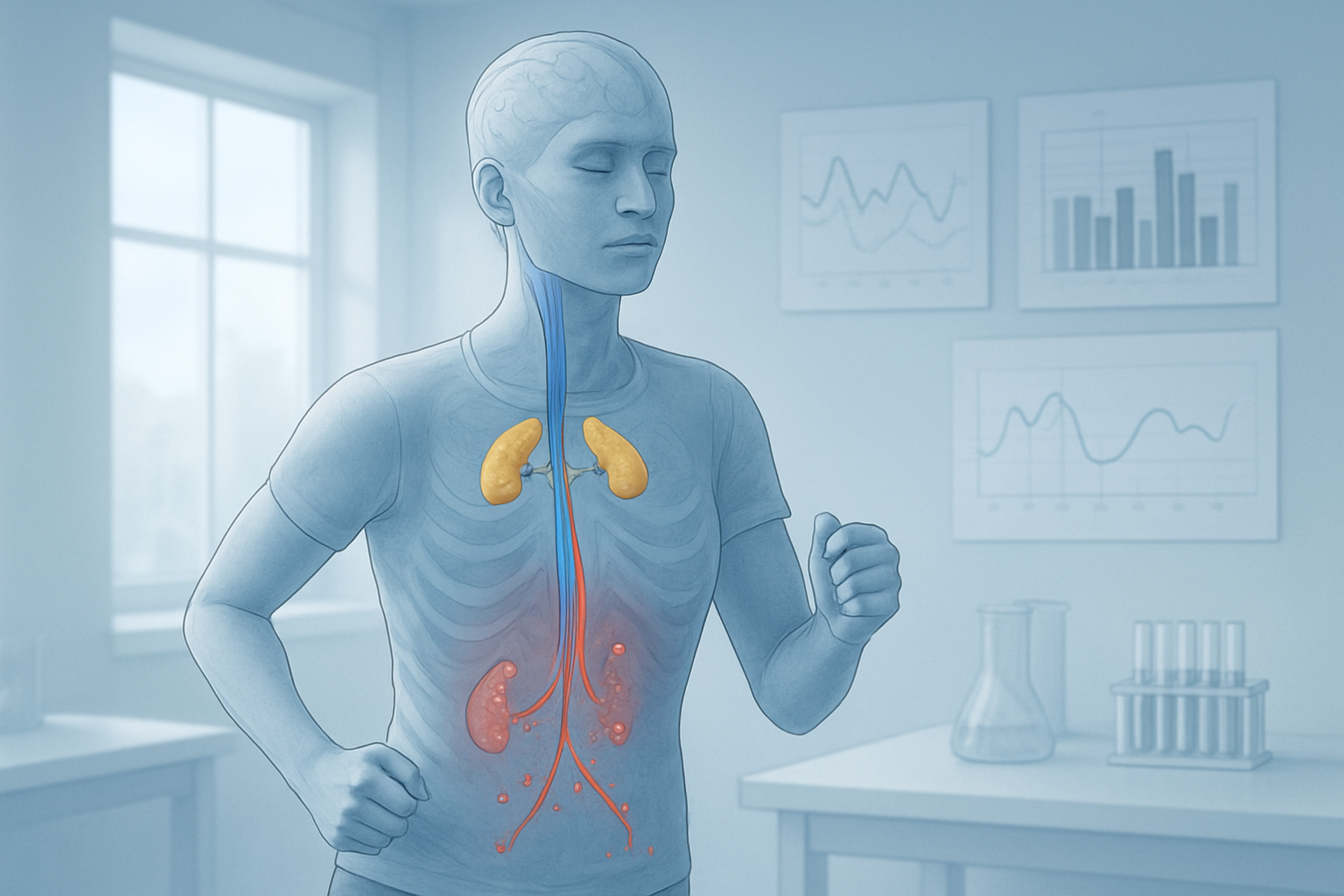
Your body naturally produces cortisol in a predictable pattern, with levels peaking around 8 AM to help you wake up and gradually declining throughout the day. When you exercise first thing in the morning, you’re essentially adding gasoline to an already blazing fire. Your cortisol levels are already at their daily peak, and intense exercise can push them 40-80% higher than normal.
This cortisol spike isn’t inherently bad – your body expects some morning elevation. The problem lies in the magnitude and duration. Early morning workouts can keep cortisol elevated for 6-8 hours post-exercise, creating a prolonged stress state that disrupts your entire hormonal cascade. Women are particularly vulnerable during certain phases of their menstrual cycle when baseline cortisol is already elevated.
The timing creates a perfect storm because your body’s stress recovery systems aren’t fully online yet. Growth hormone, which helps repair exercise-induced muscle damage, is still declining from its overnight peak. Meanwhile, your sympathetic nervous system is already primed for daytime activity, making it hyper-responsive to exercise stress.
Why intense exercise disrupts your natural hormone balance
Morning workouts don’t just affect cortisol – they create a domino effect that disrupts multiple hormone systems. When you perform high-intensity exercise early in the day, you’re fighting against your body’s natural circadian rhythms that have evolved over millions of years.
Your thyroid hormones follow a specific daily pattern, with TSH (thyroid stimulating hormone) naturally highest in the early morning hours. Intense morning exercise can suppress this normal TSH surge, potentially leading to decreased thyroid function over time. This explains why some dedicated morning exercisers experience unexplained fatigue, weight gain, or cold intolerance despite maintaining consistent workout routines.
Insulin sensitivity also follows a circadian pattern. While you’re naturally more insulin sensitive in the morning, the stress response from intense exercise can temporarily impair this sensitivity. Regular morning high-intensity workouts can create a pattern of elevated morning glucose levels, even in otherwise healthy individuals.
Sex hormones take the biggest hit. Testosterone production in men naturally peaks in early morning, but intense exercise during this window can blunt this natural surge. For women, morning workouts can disrupt the delicate balance between estrogen and progesterone, particularly during the luteal phase of their cycle.
The difference between acute and chronic stress hormones
Your body produces two distinct types of stress hormones that respond differently to morning exercise. Acute stress hormones include adrenaline (epinephrine) and noradrenaline, which spike immediately during exercise and return to baseline within 2-3 hours. These are actually beneficial and necessary for optimal performance.
Chronic stress hormones, primarily cortisol, tell a different story. While cortisol should spike during exercise, it should return to baseline within 4-6 hours. Morning workouts often prevent this normal recovery, keeping cortisol elevated well into the afternoon and evening. This chronic elevation becomes problematic when it happens day after day.
The real issue emerges when acute stress hormones repeatedly trigger in an environment where cortisol is already elevated. This combination creates a state called “sympathetic overdrive,” where your nervous system becomes stuck in fight-or-flight mode. Your heart rate variability decreases, sleep quality suffers, and recovery between workouts becomes impaired.
Chronic elevation of morning exercise stress hormones also affects your brain’s ability to produce feel-good neurotransmitters like serotonin and dopamine later in the day. This explains why dedicated morning exercisers sometimes experience afternoon energy crashes or evening mood dips, despite the immediate post-workout high.
How workout timing affects your body’s recovery mechanisms
Recovery isn’t just about rest days – it’s about working with your body’s natural repair cycles. Your body’s primary recovery mechanisms operate on circadian rhythms, with different repair processes occurring at specific times of day. Morning workouts can disrupt these carefully orchestrated cycles.
Growth hormone release follows a predictable pattern, with the largest pulse occurring 1-3 hours after falling asleep. However, elevated cortisol from morning workouts can suppress evening growth hormone release by 20-50%. This creates a recovery deficit that accumulates over time, leading to decreased muscle growth, slower injury healing, and increased susceptibility to overuse injuries.
Protein synthesis, the process by which your muscles repair and grow, peaks 24-48 hours after exercise. Morning workouts that elevate cortisol for extended periods can interfere with this process, particularly when combined with the natural cortisol elevation that occurs the following morning. This creates a cycle where your muscles never fully recover before the next stress exposure.
Your immune system also follows circadian patterns, with certain immune cells being more active at different times of day. The prolonged cortisol elevation from morning workouts can suppress immune function for 8-12 hours post-exercise, leaving you vulnerable to illness during your most socially active hours of the day.
Sleep architecture suffers when morning workout stress hormones remain elevated into the evening. Even if you fall asleep easily, the quality of your deep sleep phases can be compromised, further impairing recovery and setting up a vicious cycle of incomplete restoration.
Key Hormones Disrupted by Dawn Training Sessions
Cortisol Overproduction Leading to Adrenal Fatigue
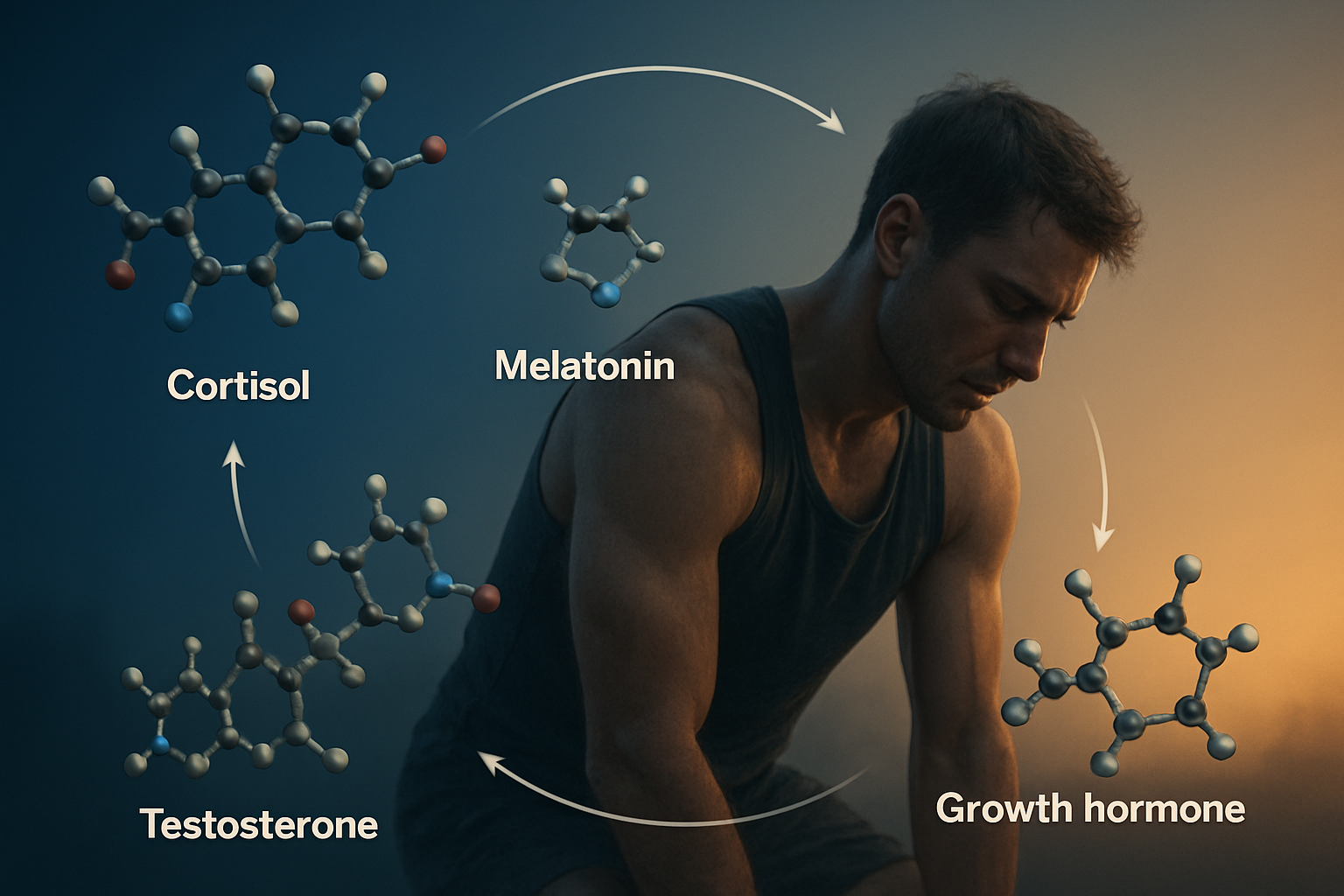
Your body naturally releases cortisol in the early morning hours to help you wake up and feel alert. When you pile on an intense workout during this peak cortisol window, you’re essentially flooding your system with stress hormones. This creates a perfect storm that can leave your adrenal glands working overtime.
High-intensity morning exercise triggers your body’s fight-or-flight response right when cortisol levels are already at their daily peak. Your adrenals pump out even more cortisol to cope with the physical stress, creating a cascade that can persist for hours after your workout ends. Over time, this constant demand can lead to adrenal dysfunction, where your glands struggle to maintain healthy cortisol patterns.
The telltale signs include feeling wired but tired, crashing in the afternoon, and needing caffeine just to function. Your body gets stuck in a chronic stress state, making it harder to recover between workouts and leaving you feeling depleted rather than energized.
Suppressed Growth Hormone Affecting Muscle Recovery
Growth hormone plays a crucial role in muscle repair, fat burning, and tissue regeneration. Your body typically releases the highest amounts during deep sleep and specific windows throughout the day. Early morning workouts can significantly disrupt this delicate timing.
When cortisol levels spike during dawn training sessions, they directly suppress growth hormone production. These two hormones work in opposition to each other – when one goes up, the other goes down. Since growth hormone is essential for repairing the microscopic muscle damage that occurs during exercise, this suppression creates a recovery nightmare.
You might notice slower gains in strength and muscle mass despite consistent training. Your muscles may feel perpetually sore, and you might struggle to bounce back between workout sessions. Sleep quality often suffers too, since elevated cortisol interferes with the deep sleep phases when growth hormone naturally peaks.
Disrupted Insulin Sensitivity Impacting Metabolism
Morning exercise performed during peak cortisol hours can wreak havoc on your body’s ability to handle blood sugar effectively. Cortisol naturally decreases insulin sensitivity, and when you add intense physical stress to this equation, the effect becomes magnified.
This disruption means your muscles become less efficient at absorbing glucose from your bloodstream. Your pancreas has to work harder to produce more insulin to achieve the same effect. Over time, this pattern can lead to unstable blood sugar levels, increased fat storage around your midsection, and metabolic dysfunction.
You might experience energy crashes throughout the day, intense cravings for sugary foods, or find it increasingly difficult to maintain a healthy weight despite your workout efforts. Post-workout nutrition becomes tricky because your body struggles to properly utilize the carbohydrates you consume for recovery.
Reduced Sex Hormone Production Affecting Libido and Mood
Your reproductive hormones – testosterone, estrogen, and progesterone – are incredibly sensitive to chronic stress and elevated cortisol levels. When morning workouts consistently spike your stress hormones, your body starts prioritizing survival over reproduction.
This shift happens because both stress and sex hormones share the same building blocks. When your body is constantly producing cortisol to handle workout stress, it has fewer resources available to create testosterone and estrogen. This biological trade-off is known as the “cortisol steal” phenomenon.
The impact goes beyond just libido. Low sex hormones can trigger mood swings, irritability, and feelings of depression. You might notice decreased motivation for training, reduced competitive drive, or feeling emotionally flat despite achieving your fitness goals. Women may experience irregular menstrual cycles, while men often see drops in muscle mass and energy levels.
| Hormone | Morning Workout Impact | Recovery Timeline |
|---|---|---|
| Cortisol | 200-300% increase | 6-12 hours |
| Growth Hormone | 40-60% decrease | 24-48 hours |
| Insulin | 50-80% reduced sensitivity | 4-8 hours |
| Testosterone | 15-25% decrease | 48-72 hours |
Hidden Signs Your Morning Routine Is Backfiring

Persistent fatigue despite regular exercise habits
Your body should feel energized after months of consistent morning workouts, but instead you’re dragging yourself through each day. This paradox signals that your cortisol levels are stuck in overdrive. When you exercise first thing in the morning, you’re adding stress to an already elevated cortisol peak, creating a cascade that leaves your adrenal glands exhausted.
Many fitness enthusiasts mistake this bone-deep tiredness for lack of motivation or poor sleep hygiene. The reality is more complex. Your body is producing excessive cortisol to fuel those dawn training sessions, but this chronic elevation eventually leads to adrenal fatigue. You might find yourself needing multiple cups of coffee just to function, experiencing energy crashes by mid-afternoon, or feeling wired but tired at bedtime.
The mitochondria in your cells—your body’s powerhouses—become less efficient when constantly bombarded with stress hormones. This cellular exhaustion manifests as that heavy, sluggish feeling that no amount of rest seems to fix. Your muscles may feel weak despite regular strength training, and simple daily tasks become more challenging than they should be.
Difficulty losing weight or building muscle mass
Your scale refuses to budge downward, and your muscle definition remains frustratingly elusive despite religiously hitting the gym every morning. This stubborn plateau often stems from chronically elevated cortisol interfering with your body’s ability to burn fat and synthesize protein.
High cortisol levels trigger your body to store fat, particularly around your midsection, as a survival mechanism. Your metabolism slows down because your system interprets the constant stress signals as a threat requiring energy conservation. Even worse, cortisol breaks down lean muscle tissue to convert amino acids into glucose, directly sabotaging your strength-building efforts.
Insulin sensitivity also takes a hit when cortisol remains elevated. Your cells become resistant to insulin’s signals, making it harder for nutrients to reach your muscles and easier for calories to be stored as fat. This creates a frustrating cycle where you’re working harder but seeing diminishing returns.
Growth hormone and testosterone production—both crucial for muscle development and fat loss—get suppressed when cortisol dominates your hormone profile. Women may notice stubborn weight gain around their hips and thighs, while men often struggle with increasing belly fat despite maintaining their workout intensity.
Mood swings and increased anxiety levels
Your emotional state has become a roller coaster that seems to intensify on workout days. The combination of elevated cortisol and disrupted neurotransmitter balance creates a perfect storm for mood instability. What should be mood-boosting exercise becomes another stressor your already overwhelmed system can’t handle.
Cortisol interferes with serotonin production, the neurotransmitter responsible for feelings of well-being and happiness. You might notice increased irritability, especially in the hours following your morning workout. Small inconveniences that never bothered you before now trigger disproportionate emotional responses.
Anxiety often peaks during late morning and early afternoon when your cortisol levels are highest. This can manifest as racing thoughts, difficulty concentrating, or a persistent feeling of unease. Your nervous system remains in a hypervigilant state, making it challenging to relax even during downtime.
The stress hormone cascade also affects your brain’s GABA production—the neurotransmitter that promotes calm and relaxation. Without adequate GABA, your mind struggles to shift into a peaceful state, leaving you feeling mentally restless and emotionally reactive throughout the day.
Sleep disturbances and restless nights
Your bedtime routine feels like a battle against an overstimulated nervous system. Despite physical exhaustion from morning workouts, your mind races when your head hits the pillow. This sleep disruption stems from cortisol remaining elevated when it should naturally decline in the evening.
Normal cortisol rhythm follows a predictable pattern: highest in early morning, gradually declining throughout the day, reaching its lowest point around midnight. Morning exercise can dysregulate this rhythm, keeping cortisol elevated well into the evening hours. Your body struggles to produce adequate melatonin—the sleep hormone—when cortisol remains high.
You might experience difficulty falling asleep, frequent middle-of-the-night awakenings, or early morning wake-ups where you can’t return to sleep. The quality of your sleep suffers even when you manage adequate duration. Your sleep cycles become fragmented, preventing you from spending enough time in deep, restorative phases.
This creates a vicious cycle: poor sleep quality increases your body’s stress response, making you more susceptible to the negative effects of morning exercise stress. Your recovery suffers, your hormone production becomes further dysregulated, and your overall health begins to deteriorate despite your commitment to fitness.
Optimal Workout Timing for Hormonal Health

Why afternoon sessions align better with natural rhythms
Your body’s hormonal orchestra reaches peak performance between 2 PM and 6 PM, making this the sweet spot for intense physical activity. Cortisol levels naturally drop during this window while testosterone and growth hormone production ramp up, creating the perfect storm for muscle building and fat burning.
During afternoon hours, your core body temperature rises to its daily peak, improving muscle flexibility and reducing injury risk by up to 40%. Blood flow increases, delivering more oxygen to working muscles while your nervous system operates at maximum efficiency. This biological timing explains why Olympic records are most frequently broken during afternoon and early evening competitions.
The afternoon advantage extends beyond performance metrics. Your insulin sensitivity peaks during these hours, meaning your body processes carbohydrates more effectively. This translates to better energy utilization and reduced fat storage compared to morning sessions when insulin resistance runs higher.
How evening workouts can improve sleep quality
Contrary to popular belief, evening exercise can dramatically enhance sleep quality when timed correctly. Working out between 6 PM and 8 PM creates a beneficial temperature curve that mirrors your body’s natural sleep preparation process.
Post-exercise, your core temperature drops steadily over 2-3 hours, triggering melatonin release and preparing your nervous system for deep sleep. This temperature decline signals your brain to begin the sleep cycle, often resulting in faster sleep onset and increased time spent in restorative slow-wave sleep phases.
Evening workouts also help process residual stress hormones accumulated throughout the day. Physical activity metabolizes excess cortisol and adrenaline, preventing these stimulating chemicals from interfering with nighttime recovery. Studies show people who exercise in early evening fall asleep 23% faster and experience 13% more deep sleep compared to non-exercisers.
The key lies in intensity management. Moderate-intensity activities like strength training, yoga, or light cardio work best. High-intensity interval training should end at least 3 hours before bedtime to allow adequate cooldown time.
The benefits of gentle morning movement versus intense training
Morning movement should focus on activation rather than exhaustion. Your nervous system needs time to fully wake up, and your joints require gradual warming after hours of immobility. Gentle movement supports this natural awakening process without triggering excessive stress responses.
Light activities like walking, stretching, or easy yoga help regulate circadian rhythms by exposing you to natural light while keeping cortisol spikes minimal. This approach preserves your morning cortisol for its intended purpose: providing sustained energy throughout the day rather than depleting it through intense exercise.
| Morning Activity | Hormonal Impact | Energy Effect |
|---|---|---|
| Gentle yoga | Minimal cortisol spike | Sustained energy |
| 10-minute walk | Supports circadian rhythm | Natural awakening |
| Light stretching | Reduces inflammation | Improved mobility |
| Intense HIIT | Excessive cortisol | Energy crash by noon |
Dynamic stretching and mobility work prepare your body for the day ahead without overwhelming your recovery systems. These activities stimulate blood flow and joint lubrication while respecting your body’s natural awakening timeline.
Creating a workout schedule that supports hormone production
Building a hormone-friendly workout schedule requires matching exercise intensity with your body’s natural energy peaks and recovery windows. Start by identifying your personal circadian rhythm patterns through sleep and energy tracking over two weeks.
Structure your weekly routine around these principles: schedule your most demanding workouts during afternoon peak hours (2-6 PM), use mornings for gentle movement and mobility, and reserve evenings for moderate-intensity sessions that support sleep quality.
A sample hormone-optimized weekly schedule might include strength training on Tuesday and Thursday afternoons, moderate cardio on Monday and Wednesday evenings, gentle yoga on Friday mornings, and active recovery walks on weekends. This pattern ensures adequate recovery between intense sessions while maintaining consistent movement.
Rest days become active recovery opportunities rather than complete sedentary periods. Light walking, gentle stretching, or restorative activities keep your metabolic systems engaged without adding stress to your hormonal balance.
Track your response by monitoring sleep quality, morning energy levels, and workout performance. Your ideal schedule should leave you feeling energized rather than depleted, with consistent sleep patterns and stable mood throughout the day.

Your body operates on a delicate hormonal schedule that starts shifting the moment you wake up. When you jump into intense morning workouts, you’re essentially asking your already-stressed system to handle even more pressure. Cortisol levels naturally peak in the early hours, and adding exercise stress on top can throw off your insulin sensitivity, thyroid function, and sleep hormones. If you’ve been feeling tired despite regular workouts, struggling with stubborn weight, or noticing mood swings, your dawn training sessions might be working against you.
The sweet spot for most people lies in late morning or early evening workouts when your body is primed for performance and recovery. Listen to your energy levels and pay attention to how you feel after different workout times. Your hormones will thank you for giving them the breathing room they need to do their job properly, and you’ll likely see better results with less effort.

Saurabh Kumar is the founder of SaurabhOrbit.com, a hub for tech news, digital marketing insights, and expert blogging advice. With a deep passion for technology and digital strategies, Saurabh simplifies complex trends into actionable insights for readers looking to stay ahead in the digital world. My mission is to empower entrepreneurs, tech enthusiasts, and marketers with the latest tools and knowledge to thrive in the online space.