Most people think drinking water is simple—fill a glass, drink it down, repeat. But if you’re constantly tired, dealing with headaches, or feeling bloated after drinking water, you might be making common water drinking mistakes that actually work against your body.
This guide is for anyone who wants to boost their energy, improve their health, and finally get proper hydration right. Whether you’re an athlete looking to optimize performance, a busy professional fighting afternoon fatigue, or someone who simply wants to feel better every day, these science-backed hydration strategies will change how you think about water consumption.
We’ll uncover the biggest water drinking mistakes that could be sabotaging your health and reveal why timing and temperature matter more than you think. You’ll also learn how to calculate your personal daily water intake and develop mindful drinking habits that actually stick. By the end, you’ll have a complete roadmap for transforming your health through correct hydration practices that work with your body, not against it.
Common Water Drinking Mistakes That Harm Your Health
Chugging Large Amounts at Once Instead of Steady Sipping
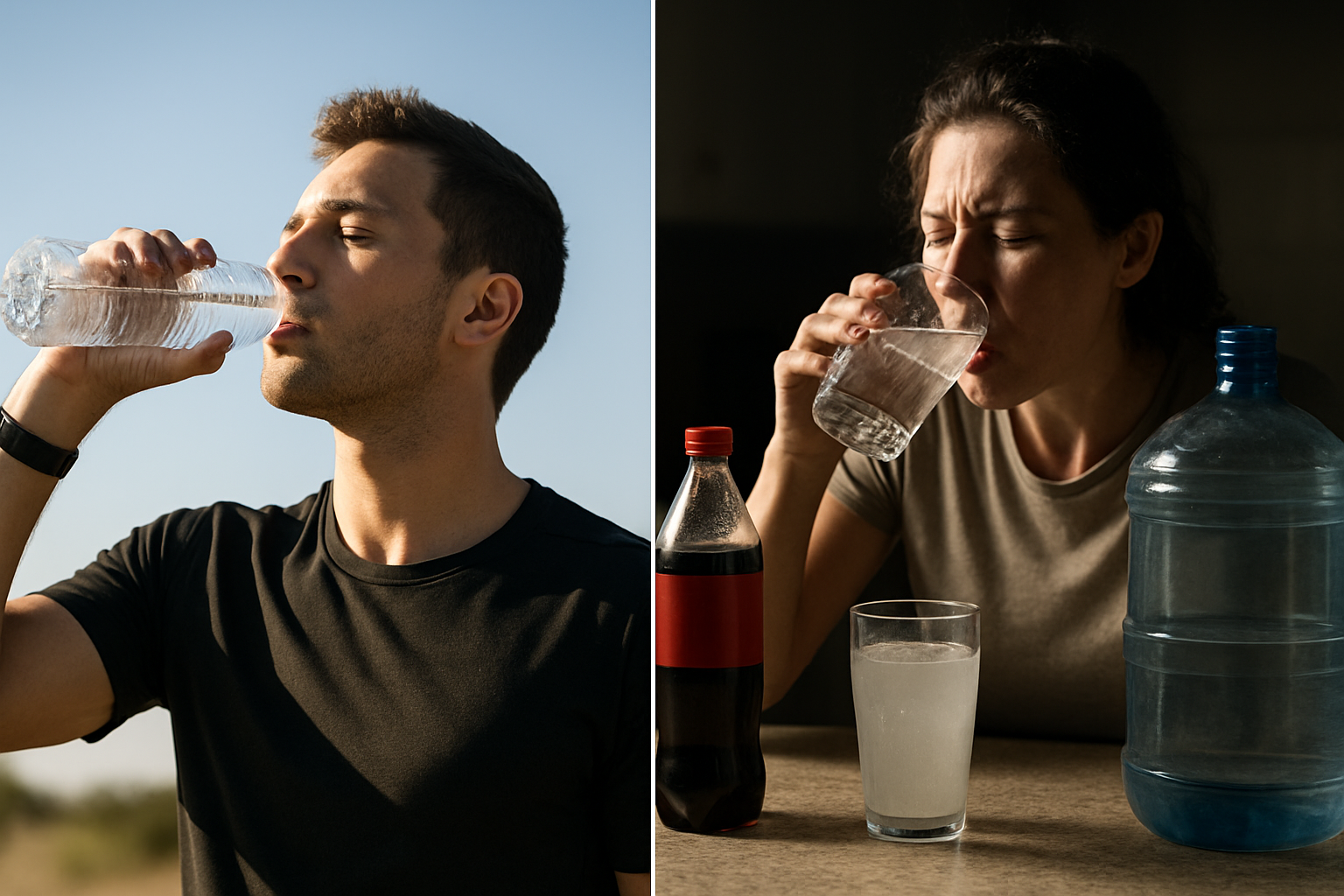
Your kidneys can only process about 8-10 ounces of water per hour, which means downing an entire water bottle in minutes overwhelms your system. When you gulp massive amounts quickly, your body treats excess water as waste and flushes it out through urine, taking valuable electrolytes with it. This creates a vicious cycle where you feel thirsty again shortly after drinking.
Chugging water also dilutes your stomach acid, disrupting digestion and potentially causing bloating or nausea. Your cells need time to absorb water properly, and rushing this process prevents optimal hydration at the cellular level.
The solution? Sip 4-6 ounces every 15-20 minutes throughout the day. This steady approach allows your kidneys to process water efficiently while maintaining proper electrolyte balance. Keep a marked water bottle nearby as a visual reminder to drink consistently rather than waiting until you feel parched.
Drinking Ice-Cold Water That Shocks Your System
Ice-cold water might feel refreshing, but it forces your digestive system to work overtime. Your body must warm that freezing water to core temperature before absorption can begin, which diverts energy from other vital functions and can slow down digestion significantly.
Cold water also constricts blood vessels around your stomach, reducing blood flow to digestive organs when they need it most. Some people experience stomach cramps or feel sluggish after drinking very cold water, especially during meals.
Room temperature or slightly cool water (around 60-72°F) allows for immediate absorption without shocking your system. Your body recognizes this optimal water temperature and processes it more efficiently, leading to better hydration and improved energy levels.
Ignoring Water Quality and Drinking From Any Source
Not all water provides the same hydration benefits. Tap water quality varies dramatically by location, and many sources contain chlorine, fluoride, heavy metals, or other contaminants that your body must filter out. This extra work puts stress on your liver and kidneys while reducing the water’s hydrating effectiveness.
Bottled water isn’t automatically better – many brands are simply filtered tap water sold at premium prices. Some plastic bottles contain BPA or other chemicals that leach into the water, especially when stored in hot conditions.
Invest in a quality water filter or find a reliable source of clean, mineral-rich water. Your body absorbs pure water more readily, and you’ll notice improved energy and clearer skin when you prioritize water quality over convenience.
The Science Behind Optimal Water Temperature and Timing
Room Temperature Water Enhances Absorption Rates
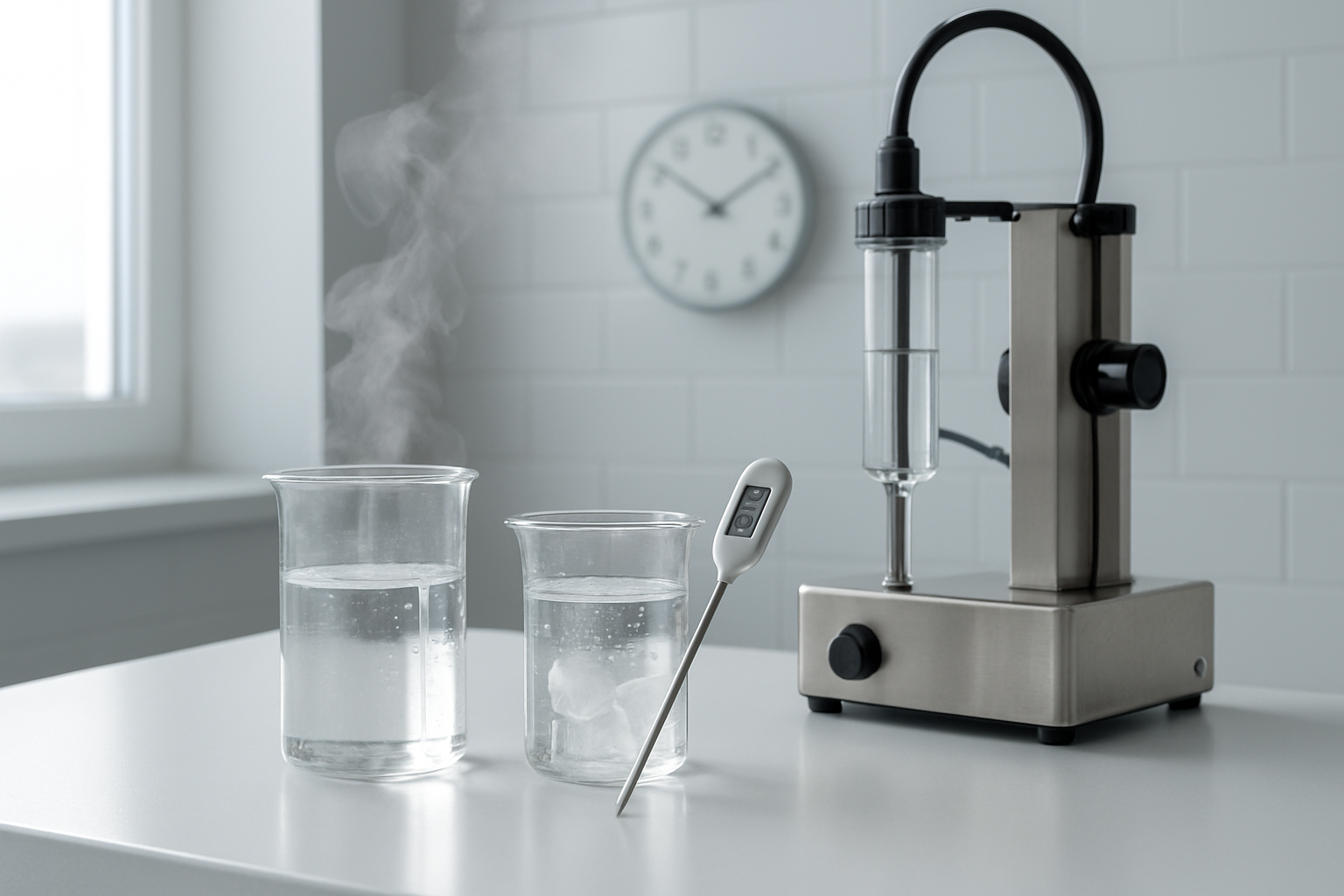
Your body absorbs room temperature water significantly faster than ice-cold alternatives. When you drink water at 68-72°F (20-22°C), your digestive system doesn’t need to spend energy warming it up to body temperature before absorption begins. This process happens in your small intestine, where cooler liquids create a temporary shock that slows down the natural absorption mechanisms.
Cold water also causes your blood vessels to constrict slightly, which can reduce circulation to your digestive organs. Room temperature water maintains optimal blood flow, allowing your intestinal walls to efficiently transport water molecules into your bloodstream. Studies show that optimal water temperature can improve absorption rates by up to 15-20% compared to very cold water.
Athletes have long recognized this principle. Sports medicine research demonstrates that room temperature fluids during exercise maintain better hydration status than ice-cold drinks, even though cold water might feel more refreshing initially.
Strategic Timing Maximizes Hydration Benefits
The best time to drink water follows specific patterns that align with your body’s natural rhythms. Start your day with 16-20 ounces of water immediately upon waking. Your body loses moisture through breathing and sweating during sleep, creating a mild dehydration state that affects energy levels and cognitive function.
Drink water 30 minutes before meals rather than during eating. This timing supports proper hydration without diluting digestive enzymes. Space your water intake throughout the day rather than consuming large amounts sporadically. Your kidneys can only process about 8-10 ounces per hour efficiently.
Evening hydration requires balance. Stop drinking large amounts 2-3 hours before bedtime to avoid sleep disruption, but keep a small glass nearby for nighttime thirst.
Pre-Meal Water Consumption Aids Digestion
Drinking 8-16 ounces of water 20-30 minutes before meals creates an ideal digestive environment. This practice stimulates saliva production, which contains enzymes that begin breaking down food before it reaches your stomach. Pre-meal hydration also helps your stomach prepare adequate gastric juices for efficient protein and nutrient breakdown.
Water consumed too close to meals can dilute stomach acid, potentially slowing digestion. However, moderate amounts 30 minutes beforehand actually enhance the digestive process by ensuring your body has sufficient fluid to create digestive secretions.
This timing strategy also supports appetite regulation. Sometimes thirst masquerades as hunger, leading to overeating. Proper hydration before meals helps you distinguish between true hunger and fluid needs.
Post-Workout Hydration Recovery Windows
Your body enters a critical hydration recovery window immediately after exercise that lasts approximately 2-6 hours. During this period, your muscles actively replenish lost fluids and begin repair processes that depend heavily on adequate water availability.
Drink 16-24 ounces of water within 30 minutes post-exercise, then continue with 6-8 ounces every 15-20 minutes for the next hour. This pattern matches your body’s enhanced absorption capacity following physical activity. Your circulation remains elevated after exercise, creating optimal conditions for rapid rehydration.
Monitor your urine color as a hydration indicator. Pale yellow suggests proper hydration, while darker colors indicate continued fluid needs. Weigh yourself before and after workouts – drink 16-20 ounces for every pound lost through sweat to achieve complete rehydration.
Consider adding a pinch of natural salt to post-workout water if you’ve exercised intensely for over an hour. This helps replace lost electrolytes and improves water retention in your cells.
Calculate Your Personal Daily Water Requirements
Body Weight Formula for Accurate Intake Goals
Your body weight serves as the foundation for determining your daily water intake calculator needs. The most reliable method uses a simple formula: drink half to one ounce of water per pound of body weight daily. For example, if you weigh 150 pounds, you should consume between 75 to 150 ounces of water each day.
This range exists because individual needs vary based on several factors. Start with the lower end (0.5 ounces per pound) if you’re sedentary and live in a mild climate. Move toward the higher end (1 ounce per pound) if you’re more active or live in warmer conditions.
Basic Water Intake Formula:
| Body Weight | Minimum Daily Intake | Maximum Daily Intake |
|---|---|---|
| 120 lbs | 60 oz (7.5 cups) | 120 oz (15 cups) |
| 150 lbs | 75 oz (9.5 cups) | 150 oz (19 cups) |
| 180 lbs | 90 oz (11 cups) | 180 oz (22.5 cups) |
| 200 lbs | 100 oz (12.5 cups) | 200 oz (25 cups) |
Activity Level Adjustments for Active Lifestyles
Physical activity dramatically increases your water needs. When you exercise, your body loses water through sweat and increased breathing. Add 12-16 ounces of water for every hour of moderate exercise, and up to 24 ounces for intense workouts lasting over an hour.
Athletes and fitness enthusiasts need to pay special attention to pre and post-workout hydration. Drink 8 ounces of water 30 minutes before exercising, and weigh yourself before and after workouts. For every pound lost during exercise, drink 16-20 ounces of water to properly rehydrate.
Activity-Based Water Additions:
- Light exercise (30-60 minutes): Add 8-12 oz
- Moderate exercise (1-2 hours): Add 16-24 oz
- Intense exercise (2+ hours): Add 24-36 oz
- Outdoor activities in heat: Add 12-16 oz per hour
Climate and Environment Factors That Increase Needs
Environmental conditions can significantly impact your hydration requirements. Hot weather, low humidity, high altitude, and heated indoor spaces all increase water loss through your skin and lungs. Air conditioning and heating systems create dry environments that pull moisture from your body.
High altitudes above 8,000 feet trigger increased urination and faster breathing, leading to rapid fluid loss. Cold weather can be equally dehydrating, as your body works harder to maintain core temperature and you may not feel as thirsty.
Environmental Adjustments:
- Hot weather (above 85°F): Add 16-24 oz daily
- Low humidity (below 30%): Add 8-16 oz daily
- High altitude (above 8,000 ft): Add 24-32 oz daily
- Air travel: Add 8 oz per hour of flight time
- Heated indoor spaces: Add 8-12 oz daily
Track your urine color as a hydration indicator. Pale yellow indicates proper hydration, while dark yellow signals the need for more water intake.
Master the Art of Mindful Water Consumption
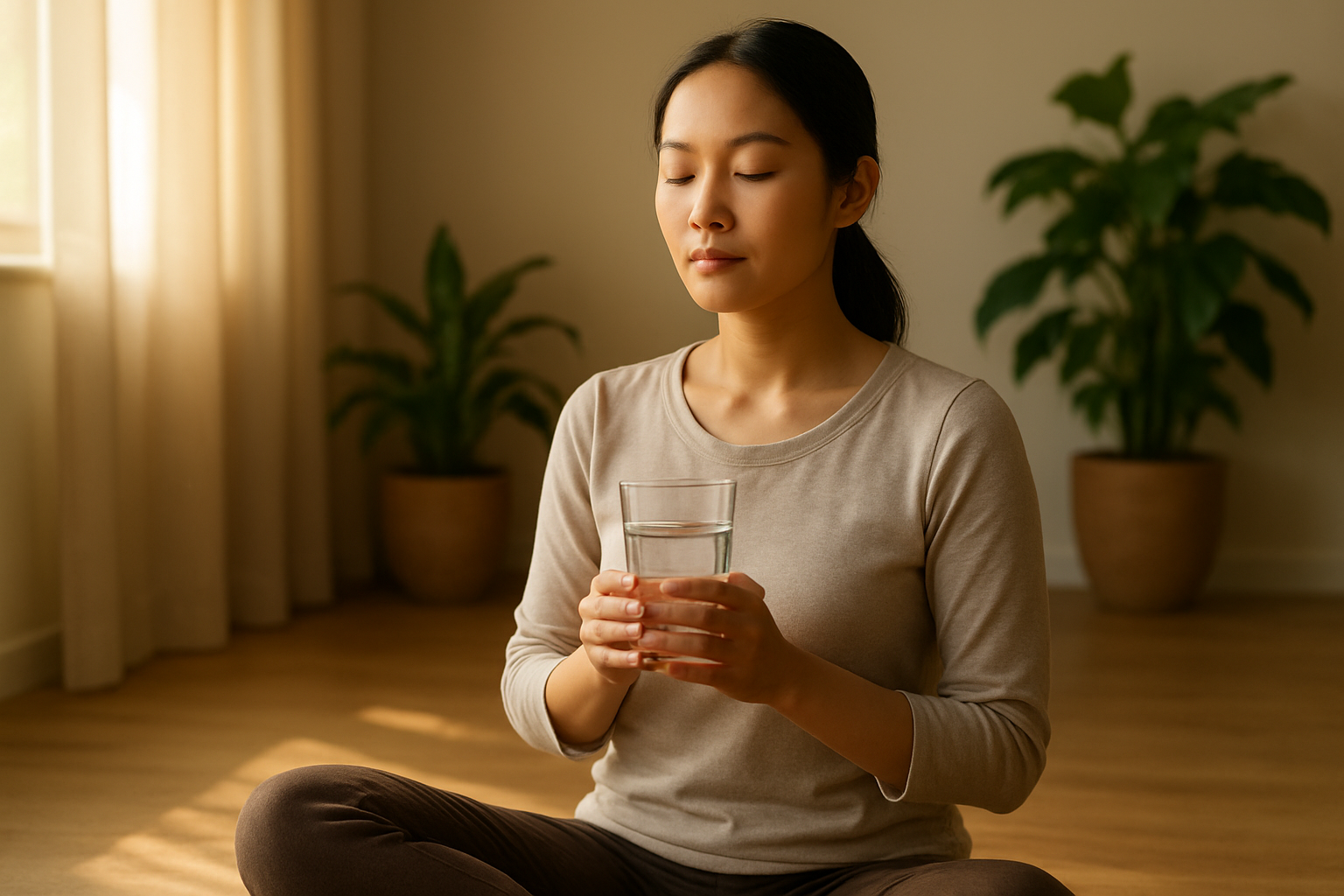
Slow Sipping Technique for Maximum Absorption
Your body can only absorb water at a specific rate, making chugging an entire bottle counterproductive. The optimal approach involves taking small sips every 15-20 minutes throughout the day. This steady pace allows your kidneys to process the water efficiently and prevents overwhelming your system.
When you gulp large amounts quickly, your body treats excess water as waste and flushes it out through frequent urination. This rapid elimination doesn’t give your cells enough time to benefit from proper hydration. Instead, aim for 4-6 ounces every hour, which matches your body’s natural absorption capacity.
The temperature of your water also affects absorption rates. Room temperature water moves through your digestive system more smoothly than ice-cold beverages, which can slow down the process as your body works to warm the liquid to match your core temperature.
Listen to Your Body’s Natural Thirst Signals
Your body sends clear signals when it needs hydration, but many people miss these cues or misinterpret them. Early thirst indicators include slight fatigue, difficulty concentrating, and dry lips. Waiting until you feel parched means you’re already mildly dehydrated.
Pay attention to your urine color as a reliable hydration gauge. Pale yellow indicates good hydration, while dark yellow signals the need for immediate water intake. Your energy levels throughout the day also reflect your hydration status – consistent mindful drinking habits prevent the afternoon energy crashes many people experience.
Headaches, especially those occurring in the late afternoon, often stem from dehydration rather than stress or hunger. Before reaching for pain relievers, try drinking 16-20 ounces of water and wait 30 minutes to see if symptoms improve.
Balance Electrolytes for Enhanced Hydration
Water alone doesn’t guarantee optimal hydration. Your cells need electrolytes – sodium, potassium, and magnesium – to properly utilize the water you consume. Pure water can actually dilute your electrolyte levels if consumed in large quantities without proper mineral balance.
Add a pinch of high-quality sea salt to your water bottle or consume water-rich foods like watermelon, cucumber, and leafy greens throughout the day. These natural sources provide essential minerals that help your body retain and use water more effectively.
| Electrolyte | Natural Sources | Daily Benefits |
|---|---|---|
| Sodium | Sea salt, celery | Maintains blood pressure |
| Potassium | Bananas, avocados | Supports muscle function |
| Magnesium | Spinach, almonds | Aids cellular energy |
Coconut water serves as an excellent natural electrolyte source, especially after physical activity or on particularly hot days when you lose minerals through sweat.
Avoid Drinking During Meals to Prevent Dilution
Drinking large amounts of water with your meals can dilute digestive enzymes and stomach acid, potentially slowing down the breakdown of food. This interference with digestion can lead to bloating, indigestion, and reduced nutrient absorption from your food.
Stop drinking water 30 minutes before eating and wait at least one hour after meals before resuming your regular water intake. This timing allows your digestive system to work at peak efficiency while still maintaining proper hydration levels throughout the day.
If you must drink during meals, limit yourself to small sips totaling no more than 4-6 ounces. Choose room temperature water over cold beverages, as cold liquids can further slow digestion by reducing enzyme activity.
Create Consistent Daily Water Drinking Rituals
Building sustainable hydration habits requires structure and consistency. Start your day with 16-20 ounces of water immediately upon waking to rehydrate after hours without fluid intake. This morning ritual kickstarts your metabolism and helps flush out toxins that accumulated overnight.
Set hourly reminders on your phone or use a marked water bottle to track your intake visually. Place water bottles in strategic locations around your home and workspace to make hydration convenient and automatic.
Create flavor variety without artificial additives by infusing your water with cucumber slices, lemon wedges, or fresh mint. This natural enhancement makes drinking water more enjoyable and helps you maintain consistent intake throughout busy days.
End your day with herbal tea or room temperature water two hours before bedtime. This timing ensures proper hydration without disrupting sleep with frequent bathroom trips. Chamomile or passionflower tea provides additional relaxation benefits while contributing to your daily fluid intake.
Transform Your Health Through Proper Hydration Habits

Improved Energy Levels and Mental Clarity
Your brain is roughly 75% water, making proper hydration the secret weapon for peak mental performance. When you drink water the right way—at optimal temperatures and with mindful drinking habits—you’ll notice a dramatic shift in your energy and focus within days.
Dehydration as mild as 2% can trigger fatigue, brain fog, and difficulty concentrating. Many people mistake these symptoms for stress or lack of sleep when they’re actually experiencing chronic low-level dehydration. The correct way to drink water involves sipping consistently throughout the day rather than chugging large amounts sporadically.
Room temperature or slightly warm water gets absorbed faster than ice-cold water, giving your brain the hydration it craves more efficiently. Start your morning with 16-20 ounces of water before coffee to jumpstart your mental clarity. This simple change can replace that groggy feeling with sustained alertness.
The timing matters too. Drinking water 30 minutes before meals and avoiding large quantities during eating helps maintain steady energy levels by supporting proper digestion and nutrient absorption.
Enhanced Skin Health and Anti-Aging Benefits
Your skin acts like a mirror reflecting your hydration status. Proper hydration creates a natural glow that expensive creams can’t replicate, making it the most affordable anti-aging strategy available.
Water plumps skin cells from the inside out, reducing the appearance of fine lines and creating that coveted dewy complexion. When you maintain consistent hydration habits, your skin produces optimal amounts of collagen and elastin—the proteins responsible for firmness and elasticity.
The best time to drink water for skin benefits is first thing in the morning and consistently throughout the day. Avoid waiting until you feel thirsty, as this indicates your skin is already experiencing dehydration stress.
Here’s what happens when you hydrate correctly:
- Cellular renewal accelerates: Fresh, hydrated cells replace damaged ones more efficiently
- Natural detoxification improves: Water helps flush toxins that contribute to breakouts and dullness
- Circulation increases: Better blood flow delivers nutrients to skin cells
- Oil production balances: Well-hydrated skin produces less excess sebum
Cold water can temporarily constrict blood vessels, while room temperature water supports steady circulation to your skin’s surface.
Better Digestion and Metabolism Boost
Water acts as the conductor of your digestive orchestra, coordinating every process from nutrient breakdown to waste elimination. Getting this right can transform stubborn digestive issues and rev up a sluggish metabolism.
Drinking water at specific times supercharges your digestive system. Consume 8-12 ounces upon waking to activate your metabolism and prepare your stomach for the day ahead. This practice, known as water therapy in some cultures, kickstarts enzyme production and gastric acid secretion.
The temperature of your water dramatically affects digestion. Room temperature or warm water helps maintain your core body temperature, allowing digestive enzymes to work optimally. Ice-cold water forces your body to expend energy warming it up, potentially slowing down the digestive process.
Optimal water timing for digestion:
| Timing | Amount | Purpose |
|---|---|---|
| Upon waking | 16-20 oz | Activate metabolism |
| 30 minutes before meals | 8 oz | Prepare digestive system |
| During meals | Minimal sips | Avoid diluting enzymes |
| 1 hour after meals | 8-12 oz | Support nutrient absorption |
Proper hydration helps your body break down food more efficiently, absorb nutrients better, and eliminate waste effectively. This three-part process directly impacts your metabolism—well-hydrated cells burn calories more efficiently than dehydrated ones.
Many people experience bloating relief and improved regularity within 3-5 days of implementing these hydration benefits through mindful drinking habits.
Most people think drinking water is as simple as grabbing a bottle and taking a sip, but your body deserves better than that. From drinking ice-cold water that shocks your digestive system to chugging massive amounts all at once, these common mistakes can actually work against your health goals. The good news is that small changes in how, when, and how much you drink can make a huge difference in how you feel every day.
Start by figuring out your personal water needs based on your weight, activity level, and climate, then spread that intake throughout the day rather than trying to catch up all at once. Pay attention to water temperature – room temperature or slightly warm water helps your body absorb it better. Most importantly, slow down and drink mindfully instead of rushing through it. Your body will thank you with better energy, clearer skin, improved digestion, and an overall sense of feeling your best. It’s time to turn something you do dozens of times each day into a powerful tool for better health.

Saurabh Kumar is the founder of SaurabhOrbit.com, a hub for tech news, digital marketing insights, and expert blogging advice. With a deep passion for technology and digital strategies, Saurabh simplifies complex trends into actionable insights for readers looking to stay ahead in the digital world. My mission is to empower entrepreneurs, tech enthusiasts, and marketers with the latest tools and knowledge to thrive in the online space.